Why you may feel breathless during a mountain trek

&imwidth=600&imheight=450&format=webp&quality=medium "Why you may feel breathless during a mountain trek")
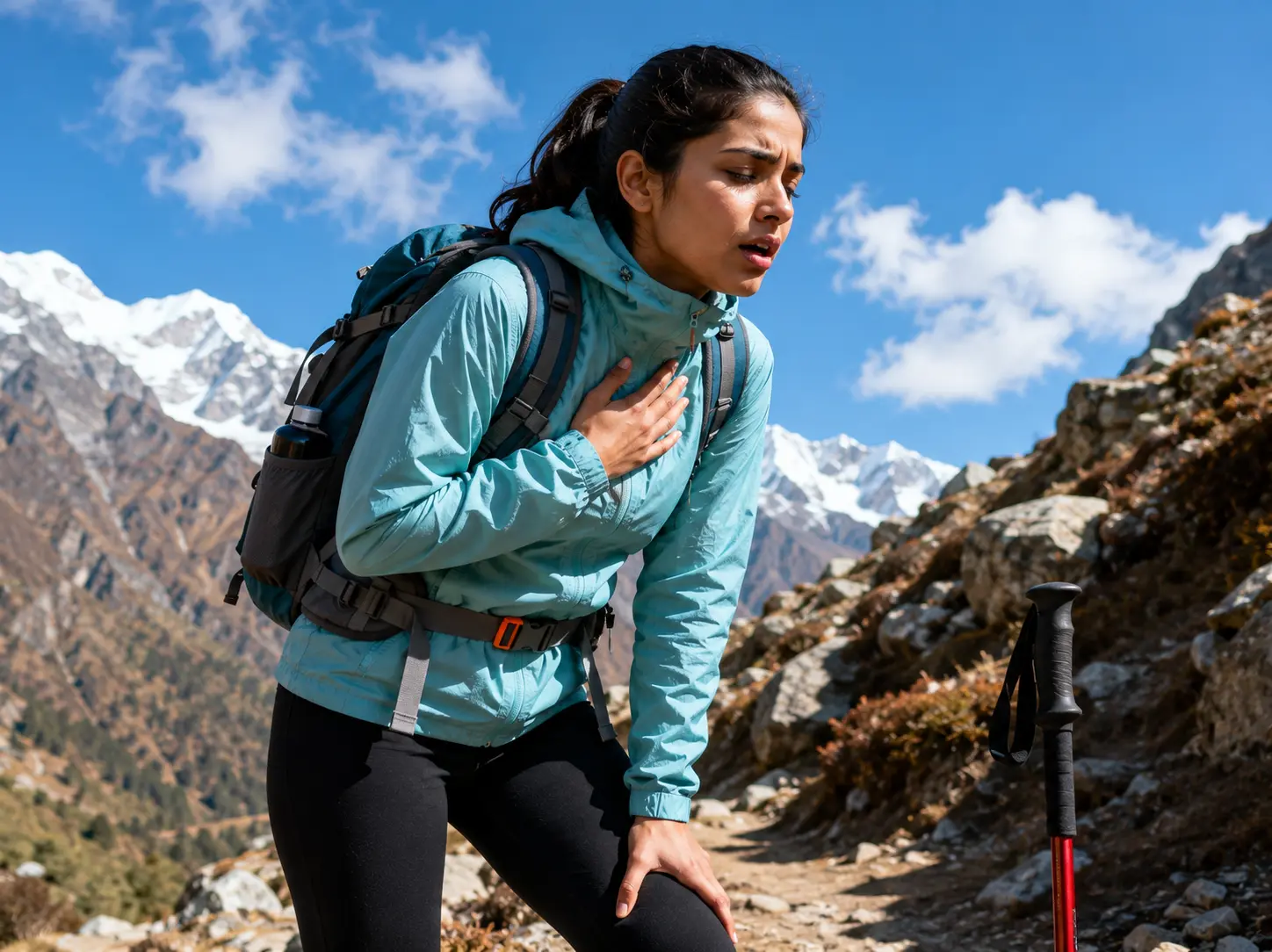
Why you may feel breathless during a mountain trek Photograph: (AI generated)
Breathlessness during a mountain trek is a normal physiological response to lower atmospheric pressure. While oxygen levels remain at 21 per cent, the reduced pressure means each breath delivers less oxygen to the blood, forcing the heart and lungs to work much harder during the climb.
Trekking up a mountain is a popular way to stay active and explore nature. However, many fit individuals find themselves unexpectedly struggling for breath on an uphill trail. This breathlessness is not necessarily a sign of poor physical fitness. Instead, it is your body's natural physiological response to the changing atmospheric conditions found at higher elevations. Understanding this process is vital for a safe trek.
'The science of low atmospheric pressure'
A common misconception is that there is less oxygen at high altitudes. According to the National Health Service (NHS) guidelines on travel health, the air contains 21 per cent oxygen regardless of the altitude. However, as you climb, the barometric pressure drops. This lower pressure means the oxygen molecules are spread further apart, significantly reducing the amount of oxygen your lungs can absorb with each breath. This condition is scientifically known as hypoxia, and it forces your entire cardiovascular system to adapt rapidly.
'Increased heart and respiratory rates'
When your blood receives less oxygen, your body must work harder to supply your vital organs and working muscles. According to the Institute for Altitude Medicine, your heart rate and breathing rate automatically increase to compensate for the lower oxygen density. Because your leg muscles demand substantial oxygen during a steep climb, they tire faster. This increased cardiovascular effort is exactly why you feel severely out of breath, even if you maintain a slow walking pace.
'Identifying acute mountain sickness'
Trending Stories
&im=FitAndFill=(700,400)&imwidth=280&imheight=210&format=webp&quality=medium)
&imwidth=280&imheight=210&format=webp&quality=medium)
&imwidth=280&imheight=210&format=webp&quality=medium)
&imwidth=280&imheight=210&format=webp&quality=medium)
&imwidth=280&imheight=210&format=webp&quality=medium)
&imwidth=280&imheight=210&format=webp&quality=medium)
&imwidth=280&imheight=210&format=webp&quality=medium)
&imwidth=280&imheight=210&format=webp&quality=medium)
&imwidth=280&imheight=210&format=webp&quality=medium)
&imwidth=280&imheight=210&format=webp&quality=medium)
&imwidth=280&imheight=210&format=webp&quality=medium)
&imwidth=280&imheight=210&format=webp&quality=medium)
&imwidth=280&imheight=210&format=webp&quality=medium)
&imwidth=280&imheight=210&format=webp&quality=medium)
&imwidth=280&imheight=210&format=webp&quality=medium)
&imwidth=280&imheight=210&format=webp&quality=medium)
&imwidth=280&imheight=210&format=webp&quality=medium)
&imwidth=280&imheight=210&format=webp&quality=medium)
&imwidth=280&imheight=210&format=webp&quality=medium)
&imwidth=280&imheight=210&format=webp&quality=medium)
&imwidth=280&imheight=210&format=webp&quality=medium)
&imwidth=280&imheight=210&format=webp&quality=medium)
&imwidth=280&imheight=210&format=webp&quality=medium)
&imwidth=280&imheight=210&format=webp&quality=medium)
&imwidth=280&imheight=210&format=webp&quality=medium)
&imwidth=280&imheight=210&format=webp&quality=medium)
&im=FitAndFill=(700,400)&imwidth=280&imheight=210&format=webp&quality=medium)
&im=FitAndFill=(700,400)&imwidth=280&imheight=210&format=webp&quality=medium)
&imwidth=280&imheight=210&format=webp&quality=medium)
&imwidth=280&imheight=210&format=webp&quality=medium)
&imwidth=280&imheight=210&format=webp&quality=medium)
&imwidth=280&imheight=210&format=webp&quality=medium)
&imwidth=280&imheight=210&format=webp&quality=medium)
&imwidth=280&imheight=210&format=webp&quality=medium)
&imwidth=280&imheight=210&format=webp&quality=medium)
&im=FitAndFill=(700,400)&imwidth=280&imheight=210&format=webp&quality=medium)
&imwidth=280&imheight=210&format=webp&quality=medium)
While mild breathlessness during physical exertion is normal, severe shortness of breath while resting is a medical warning sign. A report by the Centers for Disease Control and Prevention (CDC) notes that severe breathlessness, accompanied by dizziness, nausea, or a persistent headache, indicates acute mountain sickness (AMS). To prevent this, experts recommend walking slowly, staying hydrated, and allowing your body time to acclimatise to the new altitude before pushing your physical limits. If symptoms worsen, the most effective medical treatment is to descend to a lower altitude immediately. Never ignore these physical warnings in an attempt to reach the summit.
Experiencing breathlessness on a mountain trek is a normal biological reaction to lower atmospheric pressure. By pacing your ascent and understanding the symptoms of altitude sickness, you can safely help your lungs adapt. Always prioritise acclimatisation and descend immediately if you feel unwell.
