How to protect your feet on a long trek

&imwidth=600&imheight=450&format=webp&quality=medium "How to protect your feet on a long trek")
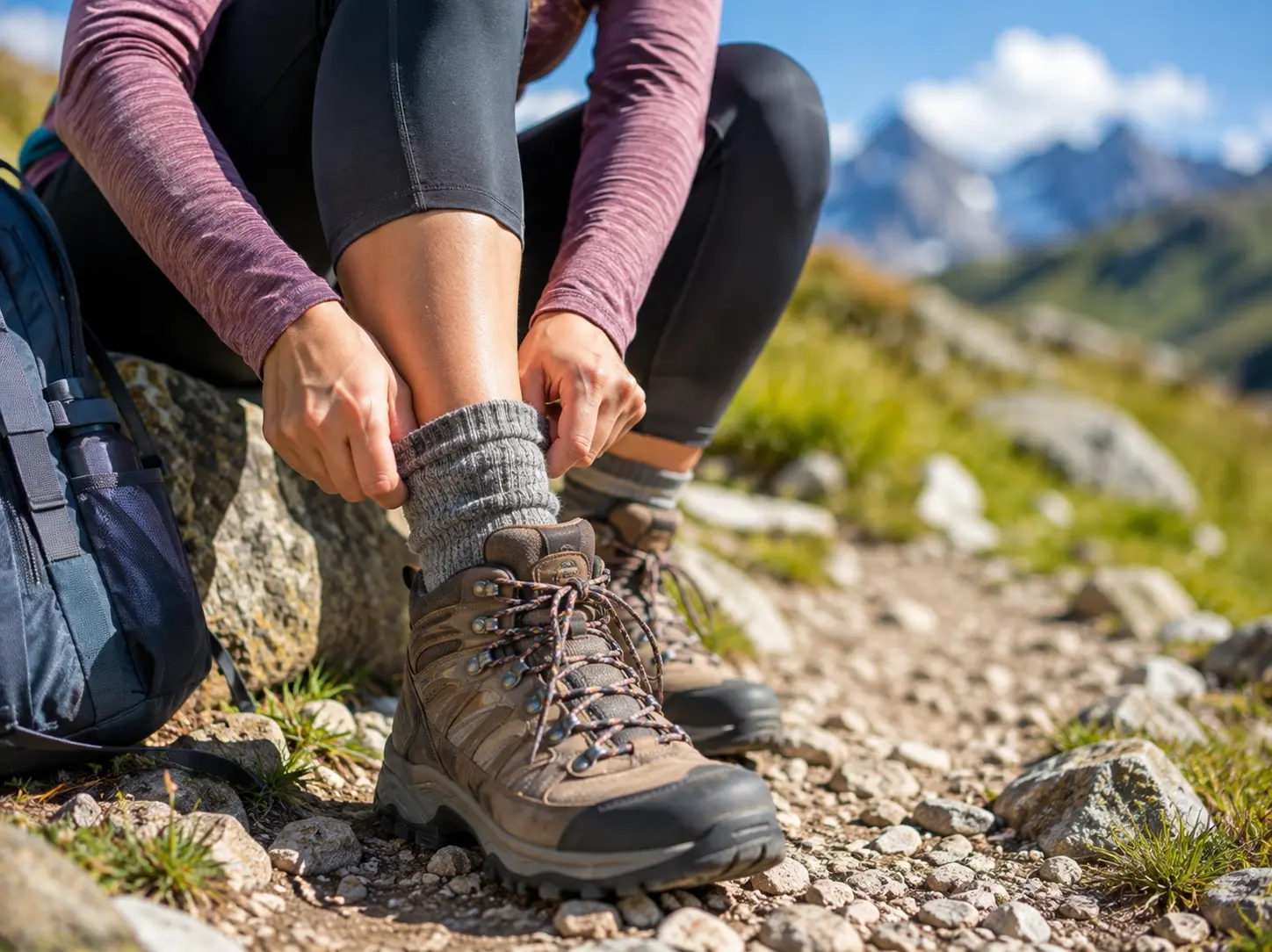
How to protect your feet on a long trek Photograph: (AI generated)
A long mountain trek can easily be ruined by painful blisters and swollen feet. Proper foot care is essential for hikers. Learn how choosing the right boots, using the heel lock lacing technique, and pre-taping friction points can protect your feet and ensure a comfortable journey.
Going on a long mountain trek tests your physical endurance, but the most common reason people abandon their journey is severe foot pain. Aching arches, bruised toes, and painful blisters can quickly turn a scenic hike into a miserable experience. Protecting your feet requires preparation well before you step onto the trail, starting with the right gear and proven friction management techniques.
'The golden rule for boots and socks'
During a long hike, increased blood flow and constant pounding cause your feet to swell. Podiatrists recommend buying hiking boots half a size larger than your normal fit. This extra room prevents your toes from constantly striking the front of the boot during steep downhill sections, which causes bruised or lost toenails.
Pair your boots with merino wool socks, which naturally wick moisture away from the skin. You should avoid cotton entirely. Cotton traps sweat against the skin, which softens the tissue and dramatically increases the friction that causes blisters.
'The heel lock lacing technique'
Friction at the back of the heel is a primary cause of trekking injuries. If your heel lifts inside your boot with every step, you need to change your lacing method. Outdoor experts advise using the heel lock technique, sometimes called a runner's loop. This specific lacing method firmly anchors your heel to the back of the boot, stopping internal movement and relieving pressure on the top of your foot.
Trending Stories
&imwidth=280&imheight=210&format=webp&quality=medium)
&imwidth=280&imheight=210&format=webp&quality=medium)
&imwidth=280&imheight=210&format=webp&quality=medium)
&imwidth=280&imheight=210&format=webp&quality=medium)
&imwidth=280&imheight=210&format=webp&quality=medium)
&im=FitAndFill=(700,400)&imwidth=280&imheight=210&format=webp&quality=medium)
&imwidth=280&imheight=210&format=webp&quality=medium)
&imwidth=280&imheight=210&format=webp&quality=medium)
&imwidth=280&imheight=210&format=webp&quality=medium)
&imwidth=280&imheight=210&format=webp&quality=medium)
&imwidth=280&imheight=210&format=webp&quality=medium)
&imwidth=280&imheight=210&format=webp&quality=medium)
&imwidth=280&imheight=210&format=webp&quality=medium)
&imwidth=280&imheight=210&format=webp&quality=medium)
&imwidth=280&imheight=210&format=webp&quality=medium)
&imwidth=280&imheight=210&format=webp&quality=medium)
&imwidth=280&imheight=210&format=webp&quality=medium)
&imwidth=280&imheight=210&format=webp&quality=medium)
&imwidth=280&imheight=210&format=webp&quality=medium)
&imwidth=280&imheight=210&format=webp&quality=medium)
&imwidth=280&imheight=210&format=webp&quality=medium)
&imwidth=280&imheight=210&format=webp&quality=medium)
&imwidth=280&imheight=210&format=webp&quality=medium)
&imwidth=280&imheight=210&format=webp&quality=medium)
&imwidth=280&imheight=210&format=webp&quality=medium)
&imwidth=280&imheight=210&format=webp&quality=medium)
&imwidth=280&imheight=210&format=webp&quality=medium)
&imwidth=280&imheight=210&format=webp&quality=medium)
&imwidth=280&imheight=210&format=webp&quality=medium)
&imwidth=280&imheight=210&format=webp&quality=medium)
&imwidth=280&imheight=210&format=webp&quality=medium)
&imwidth=280&imheight=210&format=webp&quality=medium)
&imwidth=280&imheight=210&format=webp&quality=medium)
&im=FitAndFill=(700,400)&imwidth=280&imheight=210&format=webp&quality=medium)
&imwidth=280&imheight=210&format=webp&quality=medium)
&im=FitAndFill=(700,400)&imwidth=280&imheight=210&format=webp&quality=medium)
&imwidth=280&imheight=210&format=webp&quality=medium)
'Pre-taping friction points'
The best way to manage blisters is to prevent them from forming entirely. A 2016 study by sports medicine researchers at Stanford University found that applying simple surgical paper tape to blister-prone areas before walking reduces blister formation by 40 per cent.
Apply smooth, flat medical tape to your heels and the sides of your toes before you begin walking. If you feel a hot spot developing on the trail, stop immediately and apply a thick blister plaster. Ignoring friction for even 10 minutes can cause the top layer of skin to tear.
'Evening recovery at the campsite'
Foot care does not stop when you reach the camp. Remove your boots and socks immediately to let your feet air out and dry completely. Elevating your legs on your backpack for 10 to 15 minutes helps reduce fluid pooling and swelling. Gently massaging the soles of your feet stimulates blood circulation, which aids overnight muscle recovery and prepares you for the next day's climb.
Your feet carry your entire body weight and heavy gear across unpredictable terrain. By investing in proper footwear, mastering lacing techniques, and managing friction early, you can complete your trek comfortably. A successful mountain hike always depends on healthy, pain-free feet.
