&imwidth=800&imheight=600&format=webp&quality=medium "Why is this beach filled with pink sand?")
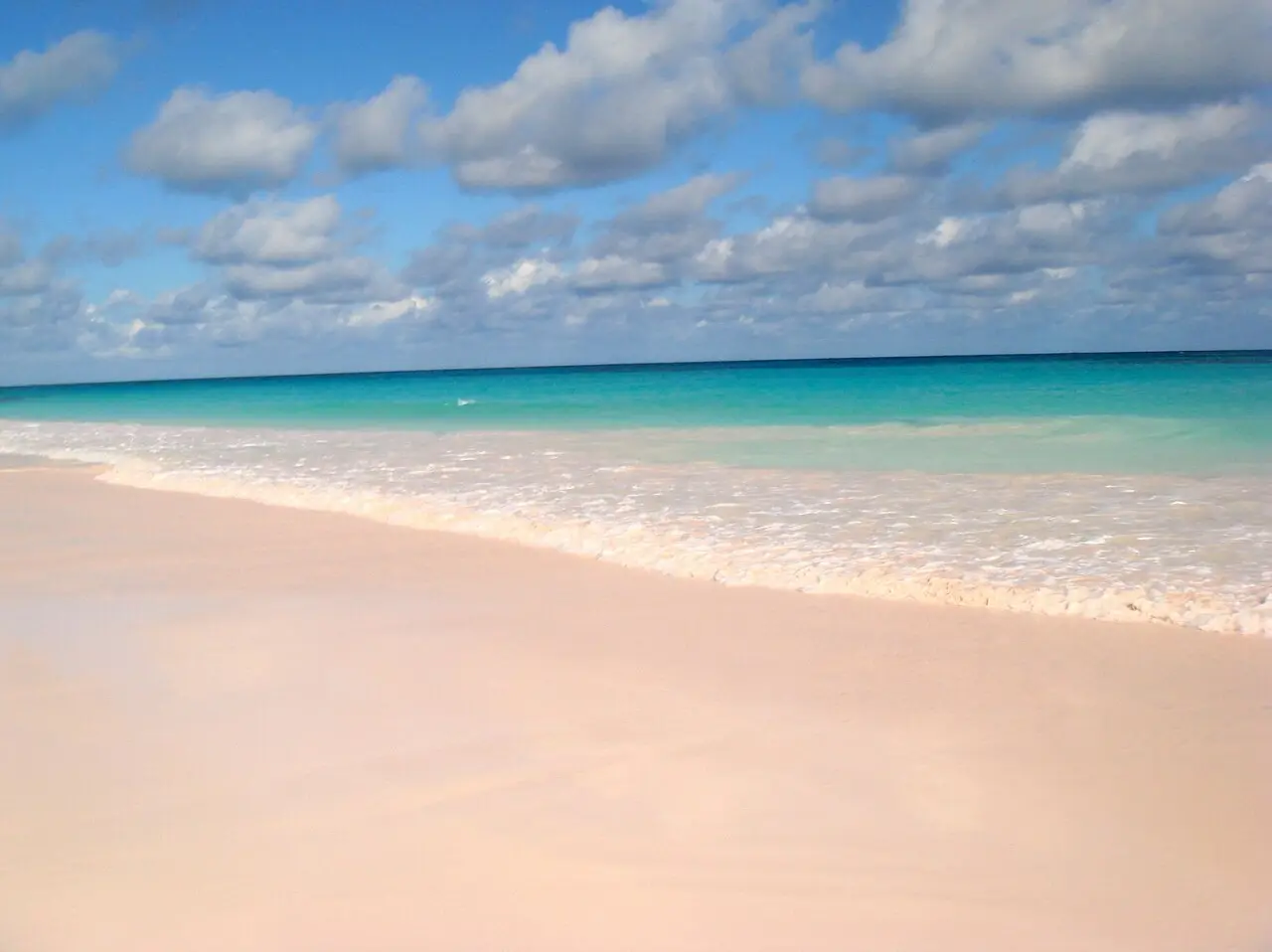
Many travellers wonder how certain coastlines develop such unusual colours. On the eastern shore of Harbour Island in the Bahamas, a three-mile stretch of sand features a distinct pastel-pink hue. While it may look like an artificial dye or a camera trick, the colour is the direct result of a specific marine ecosystem. If you are planning a trip to the Caribbean, here is exactly why this famous destination is filled with pink sand.
The role of microscopic marine life
According to marine biology experts, the primary cause of the pink tint is a single-celled microscopic organism known as Foraminifera. Specifically, a species calledHomotrema rubrum thrives on the underside of nearby coral reefs, such as the Devil's Backbone. These tiny creatures produce bright red and pink shells. When they naturally reach the end of their life cycle, ocean waves detach their remains from the reefs and wash them toward the shore.

A unique mix of coral and calcium carbonate
The pink colour is a visual blend of natural materials. The red Foraminifera shells do not cover the beach entirely on their own. As waves crash against the shoreline, the force crushes these bright red shells, mixing them evenly with white calcium carbonate particles and broken pieces of pale coral. This combination creates a uniform pink gradient across the beach. The colour appears most saturated at the water's edge, where the wet sand highlights the crushed red shells.
Natural temperature control for barefoot walking
Trending Stories
)
The Royals enter the Doctor Who universe: King Charles and Queen Camilla beam into Commonwealth Games in TARDIS
)
Woman used AI to tell court what happened the night her ex-boyfriend 'raped' her. It was a bad idea
)
'First dumb AI': Meta AI blocks Indian PM Modi's video in his own country, allows abuse ads and deletes livelihoods without explanation
)
India avoids higher US tariff, secures lower 10% rate. Here's how
)
He predicted COVID-19 and 2008 economic crisis, was labeled fearmonger. Now he has another dire warning
)
Sadie Sink's leaked Spider-Man: Brand New Day clip fuels fresh Jean Grey speculation
)
RSS backed Jantar Mantar student protest? Mohan Bhagwat's 'question authority' remark resurfaces
)
ChatGPT invoked God, told pastor not to worry about his symptoms. Then pulmonary embolism hit
)
Rahul Gandhi slams BJP for felicitating Dharmendra Pradhan in Parliament, accuses Modi government of 'celebrating ruined futures'
)
'Islamic Republic will never make a deal with the US': Iran deputy speaker echoes Araghchi’s remark
)
NEET Protests riddled with misinformation? Delhi Police blocks 480 Pakistan-based handles spreading 'fake news' since Operation Sindoor
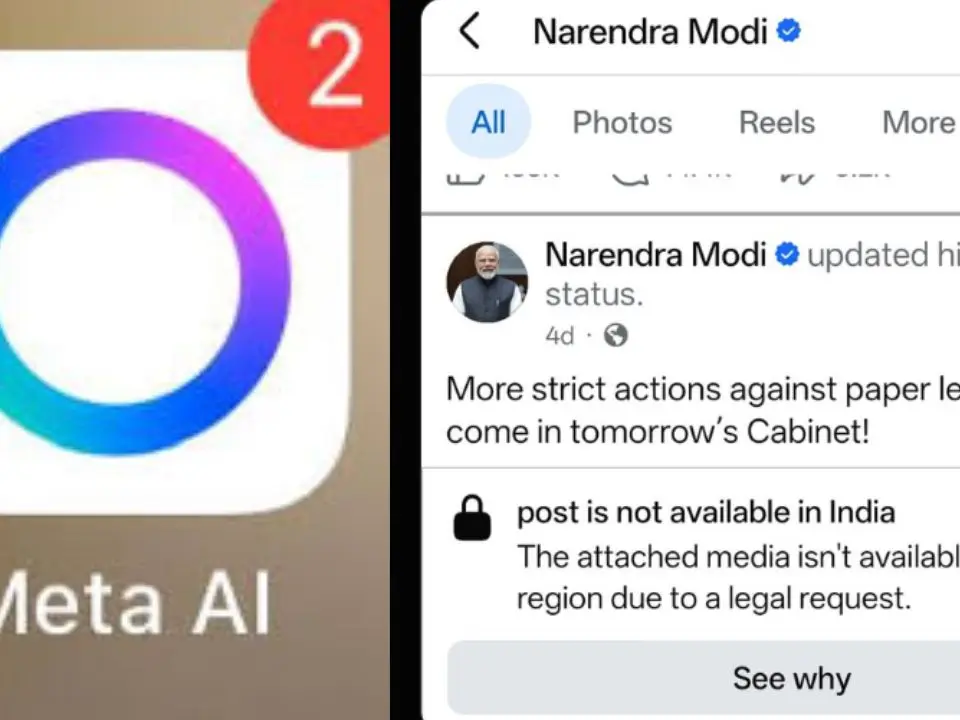)
'Spreading deepfakes, deleted PM Modi's video': Why Meta AI should be banned in India for interfering in Indian economy and democracy
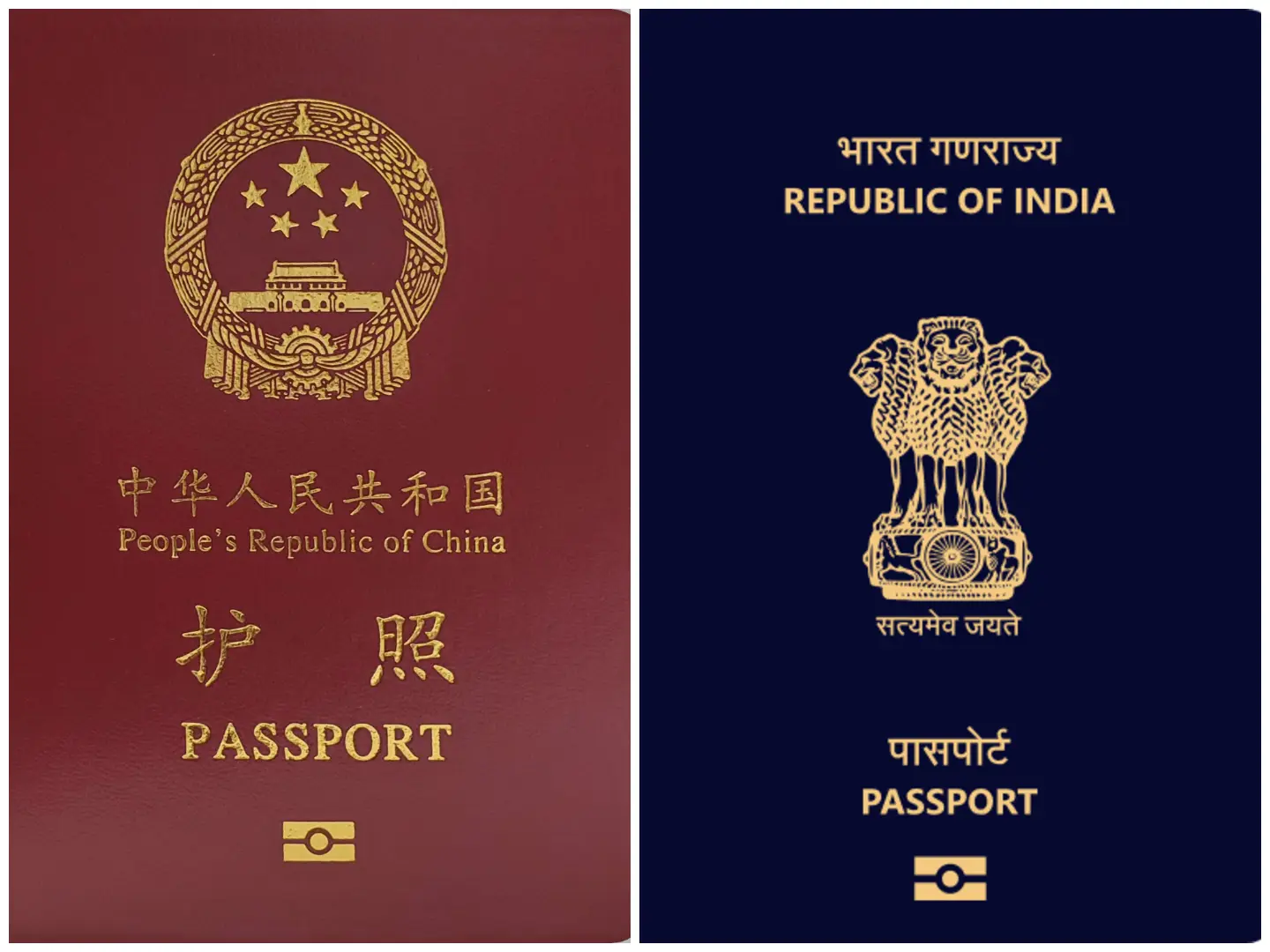)
You are a 'Naked Official' in China if you hold high posts and have children or spouse abroad. What about India?
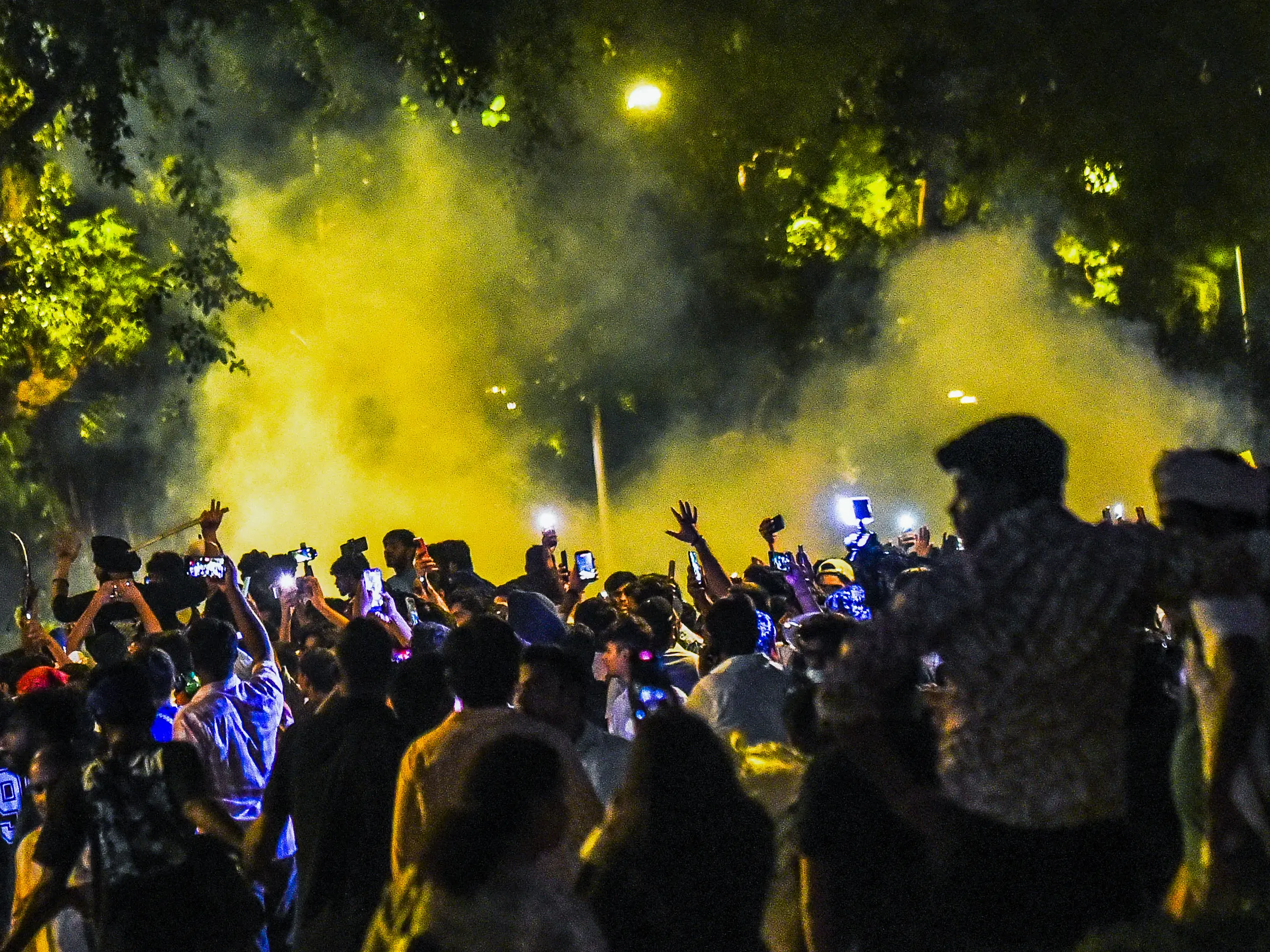)
Delhi Police issues BIG statement on viral 'don't leave national capital without permission' notice | FACT CHECK
)
Earthquake of magnitude 7.1 strikes Japan's Kumamoto prefecture, tsunami warning issued
)
Trump says Iranian school bombing photos could be AI-generated - 'I don’t think...'
)
China deploying advanced fighter jets closer to India's northern frontier
)
Who will benefit from Kapil Sibal's ₹1 crore legal aid fund for NEET protesters? This is what we know
)
Giant iceberg flips violently near Greenland exposing its underside - 'I didn't know they could do that'
)
Why did Meta remove PM Modi's Facebook video on paper leaks? Tech company blames 'technical error'
)
Asim Munir eyes defence deal with Qatar & Turkiye after Kuwait as Pakistan seeks investments | Gravitas
)
France fines Infosys Rs 1.9 crore because of how it tracked employee hours
)
'Worst quality AI in market': Meta AI's moderation fail hits PM Modi and Indian Democracy
)
‘Kill Melania, Barron’: Why is IRGC-linked media outlet urging ‘freedom fighters’ to assassinate Trump’s family? WATCH
)
'Broader struggle for democracy...': Greta Thunberg joins Indian students protest in London - What she said
)
Russia-Ukraine War: Russia drops 3-tonne Glide bombs on Ukraine
)
NEET aspirant ends her life in Maharashtra after falling 11 marks short of cut-off
)
FAA orders fix for faulty seats on hundreds of Boeing 737 MAX jets, warns of passenger injury in emergency landings
)
3,000 years ago, humanity spoke thousands of languages — then fell silent. Where did they all go?
)
Pakistan-occupied Kashmir election turns violent: 19 killed, protests intensify as rigging allegations fly
)
Tom Cruise's daughter Suri drops his surname; adopts Katie Holmes' middle name Noelle
)
Jennifer Lopez's ex-husband Ojani Noa claims he confronted Sean 'Diddy' Combs over alleged affair
Beyond its unique appearance, the geological composition of the beach provides a practical benefit for travellers. Because the sand is made entirely of limestone coral and Foraminifera rather than standard heat-absorbing silica quartz, it naturally reflects the sun's rays. Even during the peak of summer, the sand remains cool and comfortable for barefoot walking. The beach itself is car-free and accessible via a short water taxi ride from North Eleuthera, making it a quiet escape for visitors.
Harbour Island proves that natural marine biology can create highly unusual coastal landscapes. By understanding the microscopic ecosystem of the Bahamas, travellers can better appreciate this rare environment. To see the most vivid colours, visitors should plan their beach walks during the early morning hours.