
&imwidth=800&imheight=600&format=webp&quality=medium "Is the Triund trek getting too crowded? Try these 3 quieter alternatives")
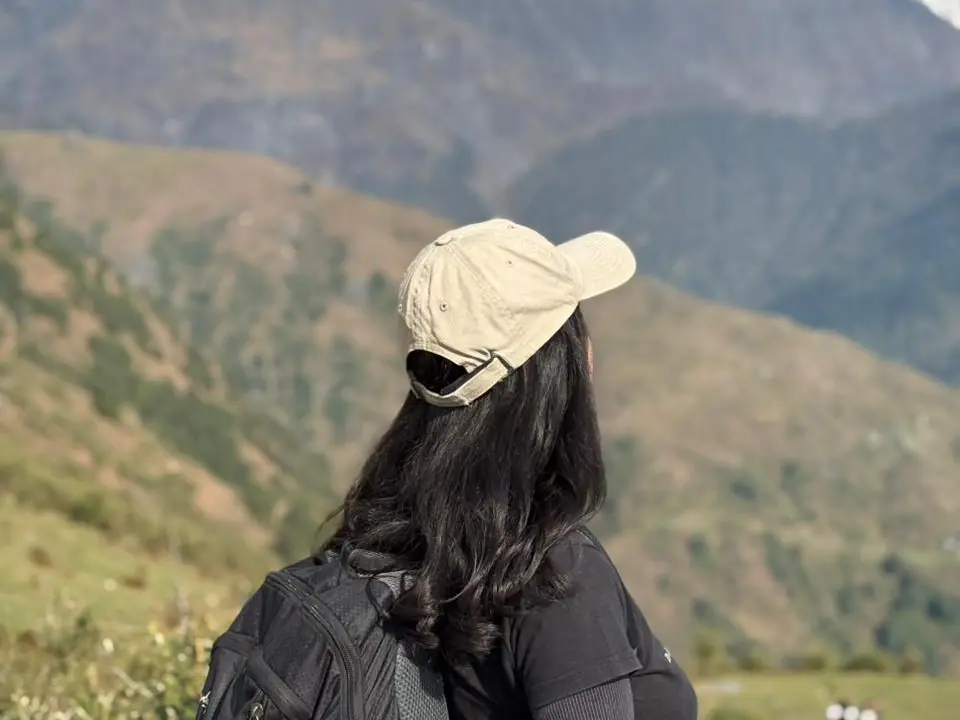
The Triund trek near McLeod Ganj has long been a popular choice for hikers, prized for its accessibility and expansive views of the Dhauladhar range and Kangra valley. Situated at an altitude of approximately 2,850 metres, it serves as a common halting point for trekkers. However, increased footfall has raised concerns regarding waste management and environmental pressure on the trail. For those seeking solitude, the region offers several quieter trails that provide similar mountain beauty.
1. Kareri Lake Trek
Kareri Lake is a high-altitude, freshwater glacial lake located in the northwest of Dharamshala at an elevation of 2,934 metres. The trek is approximately 13 kilometres long and passes through mixed pine, oak, and broadleaf forests. Unlike the more heavily trafficked routes, this trail offers a quieter experience for those interested in alpine flora and lakeside camping. The area also features a temple dedicated to Lord Shiva and Shakti.

2. Indrahar Pass
For trekkers seeking a more strenuous challenge, the Indrahar Pass provides a high-altitude route reaching 4,342 metres. It marks the border between the Kangra and Chamba districts. While the climb is demanding and requires good physical conditioning, it rewards hikers with panoramic views of the Pir Panjal range and the Mani Mahesh Kailash peak. It is advisable to prepare adequately for high-altitude conditions when attempting this route.
3. Guna Devi Temple Trail
Trending Stories
)
The Royals enter the Doctor Who universe: King Charles and Queen Camilla beam into Commonwealth Games in TARDIS
)
DMK founder Karunanidhi’s granddaughter booked for slapping SBI branch manager | Video
)
NEET row: PM Modi appoints Infosys co-founder Nandan Nilekani as head of new exam reforms task force
)
India avoids higher US tariff, secures lower 10% rate. Here's how
)
Hidden in British archives: Scientists decode 200-year-old Indian scroll that helped sailors cross one of the world's toughest seas
)
He predicted COVID-19 and 2008 economic crisis, was labeled fearmonger. Now he has another dire warning
)
Iran tells Pakistan it has not withdrawn from negotiations but suspended them: Report
)
'House raided, father picked up': UP man Mohd Junaid alleges crackdown after CJP protest; Police deny claims
)
US intel assessment signals potential shift in Iran’s nuclear stance under Mojtaba Khamenei
)
Houthis strike Saudi oil facilities, shoot down drone in escalating tensions: VIDEO
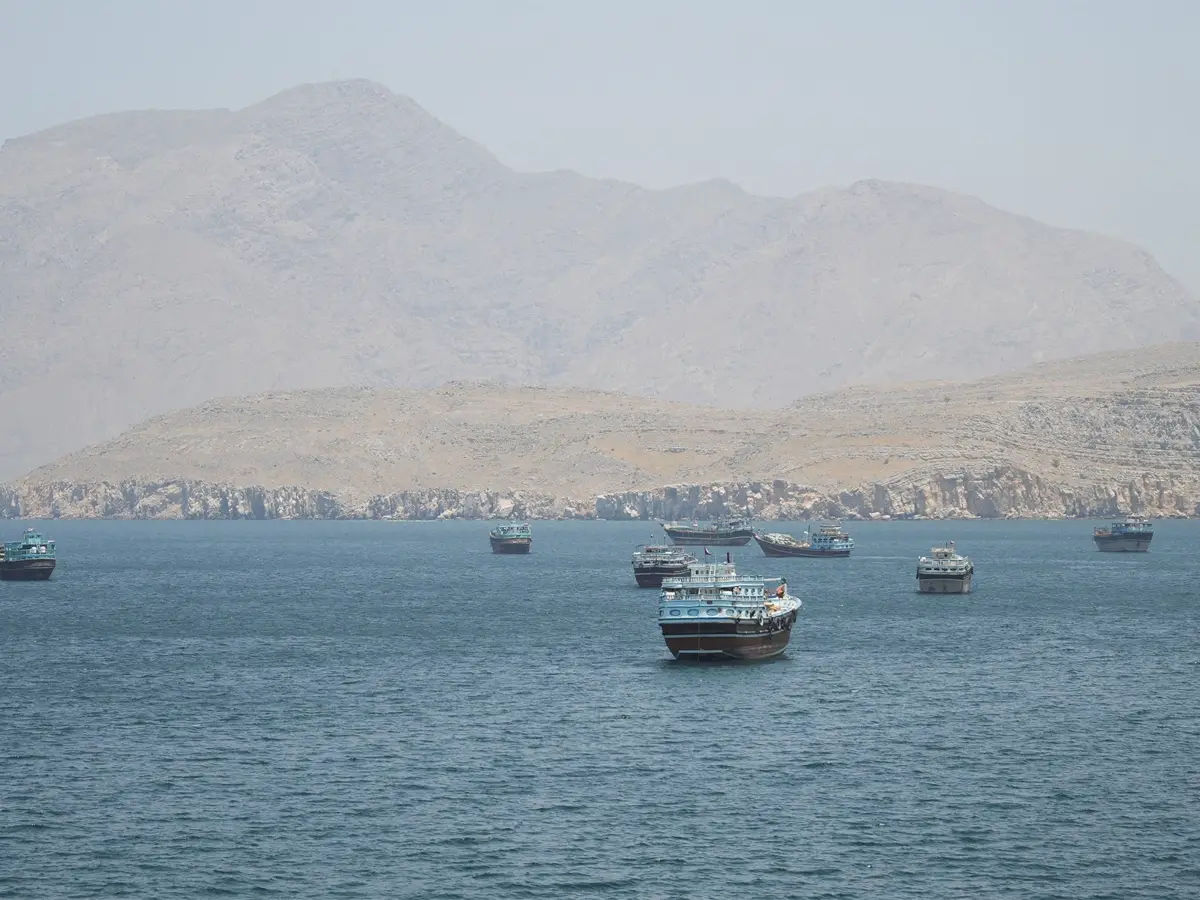)
Oil tanker explodes in the Strait of Hormuz after hitting a naval mine
)
ChatGPT invoked God, told pastor not to worry about his symptoms. Then pulmonary embolism hit
)
Ranbir Kapoor's Ramayana trailer leaks online again; fans urge for official release
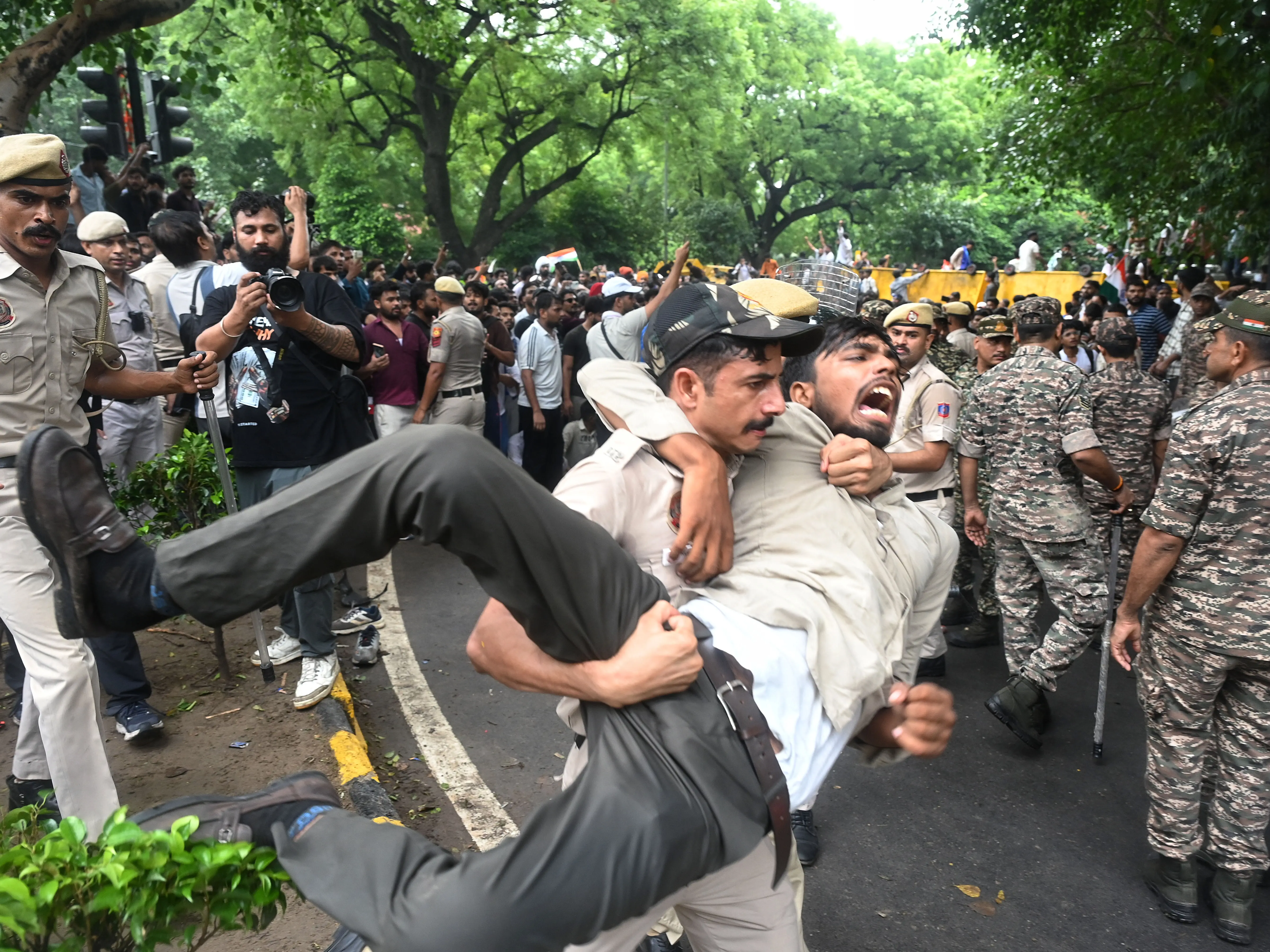)
NEET Protests riddled with misinformation? Delhi Police blocks 480 Pakistan-based handles spreading 'fake news' since Operation Sindoor
)
Indian Idol 16 crowns Jyotirmayee Nayak; Tanishk Shukla finishes second
&im=FitAndFill=(700,400))
Meet top 5 Indian batters with most T20I runs in a calendar year
)
Trump says Iranian school bombing photos could be AI-generated - 'I don’t think...'
)
Lock Upp elimination takes dramatic turn as Shivangi Joshi's candid admission grabs attention
)
Brazil denies visas to US officials amid fears of meddling in upcoming presidential election
)
Google ends Play Services Support, likely to stop these Android phones from downloading apps & games
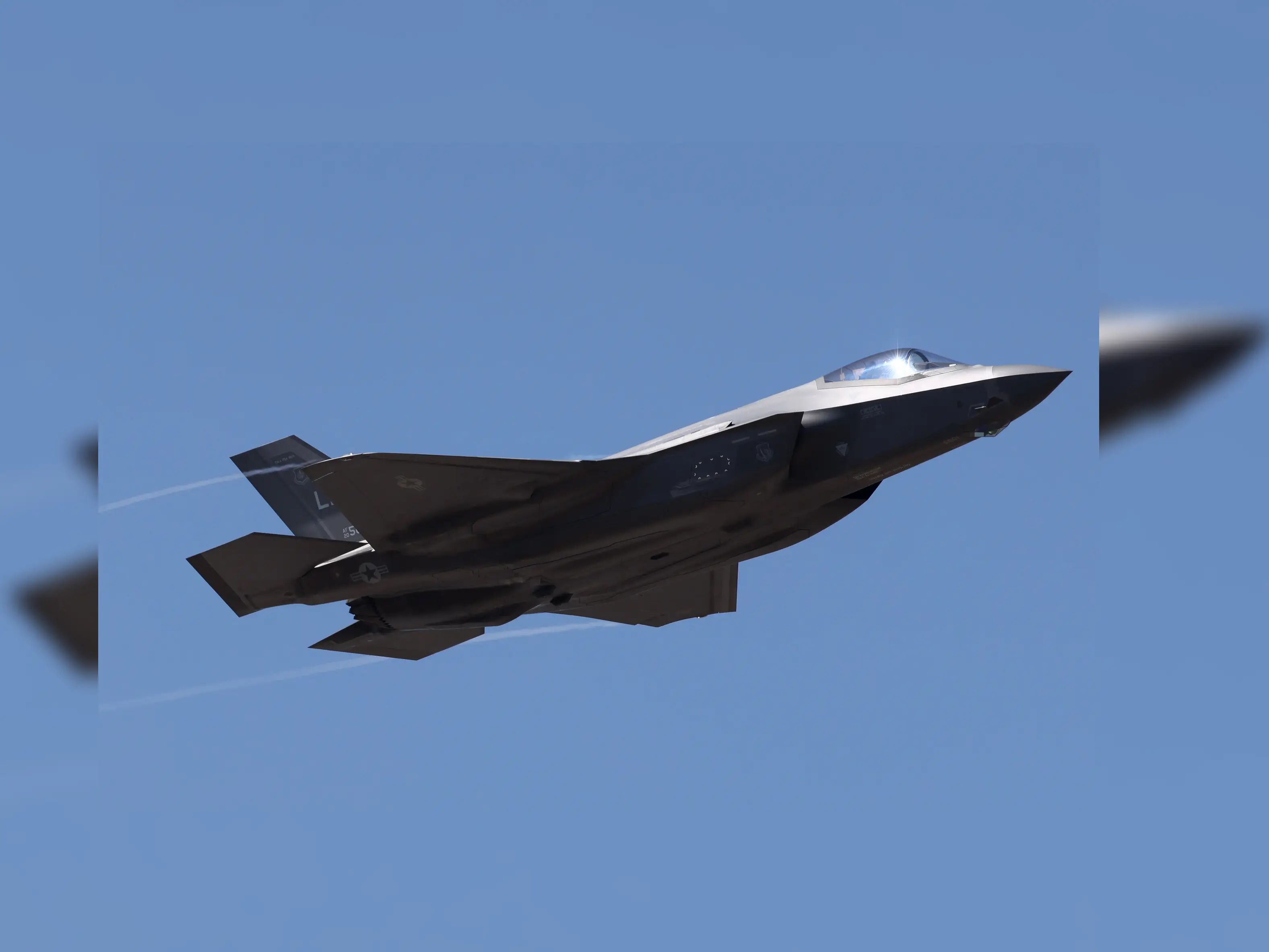)
US says Turkey still barred from F-35 program until it gives up Russian S-400 system: Report
)
Bihar wants 'backless Saturday’ in govt schools as official notice misspells 'bagless'
)
Nandan Nilekani, Infosys co-founder and Aadhaar architect, to lead PM’s high-powered task force
&im=FitAndFill=(700,400))
David Jonsson is the new Black Panther: Before his Marvel debut, revisit his best movies and TV shows on OTT
)
Dhanush breaks silence on National Award backlash with Ajith Kumar's iconic dialogue, 'If you're bad, I'm your dad'
&im=FitAndFill=(700,400))
Why US fighter jets use seamless bubble canopies compared to Russian jets
)
Pakistan army chief used private oil venture to keep Iran attacks off Saudi Arabia: Report
)
Russia-Ukraine War | 12 Killed in Zaporizhzhia Strike | Zelenskyy Warns of New Russian Mobilization
)
Jennifer Lopez's ex-husband Ojani Noa claims he confronted Sean 'Diddy' Combs over alleged affair
)
‘Don't cry after elections': Owaisi extends alliance offer to Akhilesh for UP polls
)
Berlin Pride attack suspect shot dead by police; incident classified as ‘Islamist terror’ attack
)
India's foreign ministry debunks viral claim made during last week's protests
The trail to the Guna Devi Temple offers a shorter, spiritual, and less crowded walking experience. Situated at an altitude of 2,310 metres, this temple is surrounded by dense oak and deodar forests. The path is often considered moderately difficult, featuring a mix of forest tracks and steps. It is an excellent choice for those looking for a peaceful day hike away from the typical tourist circuit.
Responsible trekking habits
Regardless of the trail, trekkers play a vital role in preserving these mountain ecosystems. It is essential to carry back all non-biodegradable waste, avoid the use of campfires, and respect local flora and fauna. Staying on marked trails helps prevent soil erosion and minimizes the overall environmental footprint, ensuring these areas remain beautiful for future visitors.