Raja Shivaji review: Riteish Deshmukh's film is stylish, lacks substance

&imwidth=600&imheight=450&format=webp&quality=medium "Raja Shivaji review: Riteish Deshmukh's film is stylish, lacks substance")
Still from Raj Shivaji Photograph: (X)
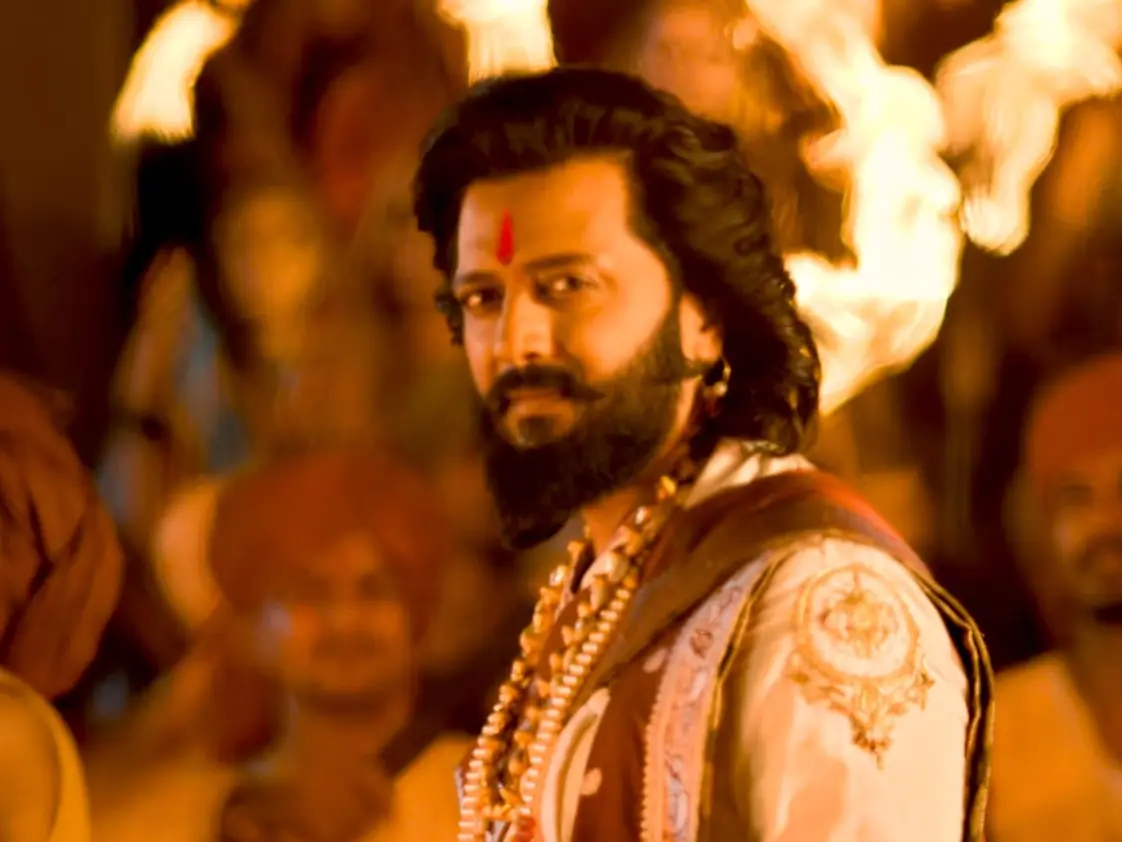
Directed and written by Riteish Deshmukh, the movie tells the heroic tale of Chhatrapati Shivaji Maharaj from his birth to his fight with Afzal Khan. Heavy on technical aspects, the movie is grand and stylish, with less substance.
Maratha warrior Chhatrapati Shivaji Maharaj and his great stories of leadership and battles are something that many of Indian are grown up listening to. And if not books, then Bollywood has created enough movies that have pictured the stories of Shivaji well in all of our minds. Adding more to the list is the film of Riteish Deshmukh's Raja Shivaji, and this one covers Chhatrapati Shivaji Maharaj's one of the greatest victories against Afzal Khan. If you are still having trouble recalling, which you will have, then you might remember the image in the history books when Shivaji is killing a person, that person is Afzal Khan.
Directed and written by Riteish, the movie goes through its own lows and highs, with several inconsistencies. The depiction of historical figures comes with a lot of creative liberties, and because of this, the film succumbs to the heroic tone that it begins and ends with.
For those who have watched the trailer, the movie feels like an extended version of it. People who are well-versed in history might find a few moments to enjoy, but for those who are only somewhat aware of Chhatrapati Shivaji Maharaj, you need to wait a lot, really a lot, to understand where the story is heading.
What works well, however, is the performance, which at several places is surely overdone.
Raja Shivaji: What's the story?
Trending Stories
)
&im=FitAndFill=(700,400))
)
)
)
)
)
)
)
)
)
)
)
&im=FitAndFill=(700,400))
&im=FitAndFill=(700,400))
)
)
)
)
)
)
)
)
)
)
)
)
)
)
)
)
)
)
)
)
Shot well, Raja Shivaji begins in the 16th century, even before the birth of Chhatrapati Shivaji Maharaj. The narrative opens at a time when the Maratha kingdom, under Shahaji (Sachin Khedekar), is caught between the Adilshahi, Nizamshahi, and the Mughal Empire. The family is constantly forced to shift their base on the orders of these ruling powers, especially under Adil Shah (Amole Gupte) and his wife Khadija (Vidya Balan), depending on whose side they are supporting.
With years of struggle, Shahaji, along with his wife Jijabai (Bhagyashree) and their two sons, Sambhaji and Shivaji, is forced to leave their home in Pune and move from place to place. Living under the control of these dynasties shapes and fills the two brothers with anger. Sambhaji and Shivaji grow up with a strong attitude and gradually learn how to stand up against the forces against them.
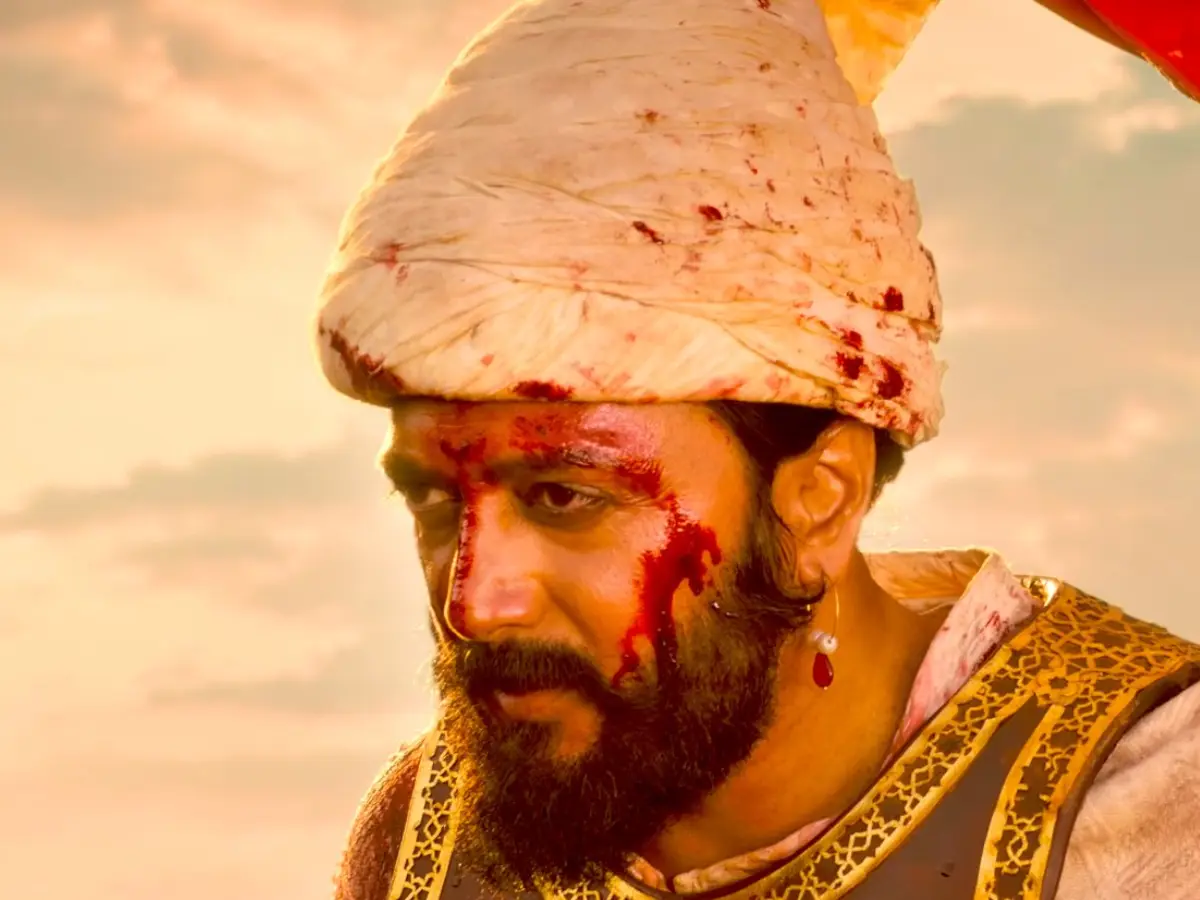
For Shivaji (Riteish Deshmukh) and Sambhaji (Abhishek Bachchan), the biggest challenge is Afzal Khan (Sanjay Dutt), the general of the Adilshahi dynasty. He is ruthless, someone who does not think twice before even killing a child.
With his vision of Swaraj and to take revenge for his brother's death and save his dynasty, Shivaji fights against Afzal Khan, around whom, the whole story revolves.
)
Still from Raj Shivaji Photograph: (X)
What works and what doesn't?
Deshmukh tells the story of Shivaji in a glorified light, focusing on one of the most defining episodes of his life. The film’s presentation is larger than life, with all attention centred on Shivaji’s character. Divided into chapters, much like Dhurandhar was, the first part feels stretched, with over-the-top moments, dialogues and fight sequences that take too long to establish the characters.
The second part begins with the momentum as the focus shifts entirely to Shivaji and his fight with Afzal Khan. This is where the film finally comes into focus, even for viewers who doen't know much about the history.
Given the emotional weight that Shivaji and films about this legendary figure carry, Riteish has clearly hit that mark. While the movie was shot in both Hindi and Marathi, it holds a special emotional core for the followers of Shivaji.
But if you set aside the historic figure's legacy and Riteish's performance, which comes across as over-the-top in one of the scenes, the film delivers a mixed experience. It engages in parts but falls short due to the over-dramatisation of the characters, especially the villains, which feel more cartoonish than real. I think this has become a trend in Bollywood. The first half is heavy on emotion and several dramatic high points. While the film holds interest in the second part.
)
Still from Raj Shivaji Photograph: (X)
Stylish, but lacks substance
While the film is technically strong, that’s also where it loses some of its realism. A period drama should connect emotionally through both story and presentation, but the heavy use of CGI and music may make the movie feel good and gripping, but it's also where it loses its soul. And here is where Vicky Kaushal's Chhaava maintained a good balance between the technical side and the emotional core.
Performance-wise, Riteish holds your attention with his committed performance. But surely, not his finest. He manages to convey his feeling that he had with the historical figure, even if the script lacks.
The supporting cast also contributes effectively. Sanjay Dutt's 2.0 version as a rowdy villain again impresses. Vidya Balan knows how to play with her emotions, and she, with her Began Jaan aura, has again given a win-win performance. Abhishek Bachchan did his best in the role of the warrior, but the character didn’t suit him.
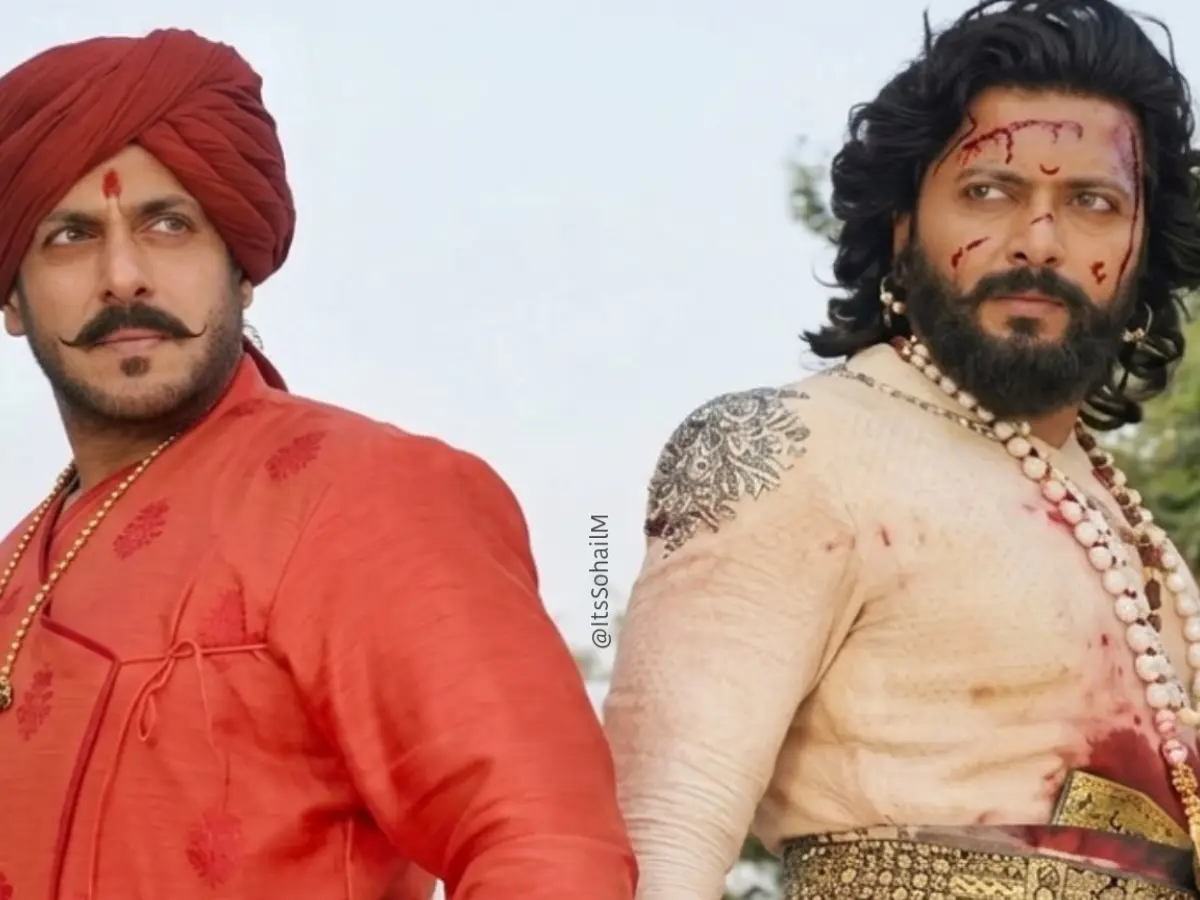
Shot and made with pure and good feelings, Riteish's movie grips your attention in the second half. The ruthlessness, brutality and bloodshed are a lot and could be a little less. In the end, the movie has a cameo by Salman Khan, where you see him and Riteish as Sambhaji fighting, giving the feeling that I'm watching the climax of some action movie.
This movie demands patience, and if you have it, then you can enjoy it.

