Homegrown brands see a boom in India as Gen Z spurns fast fashion brands

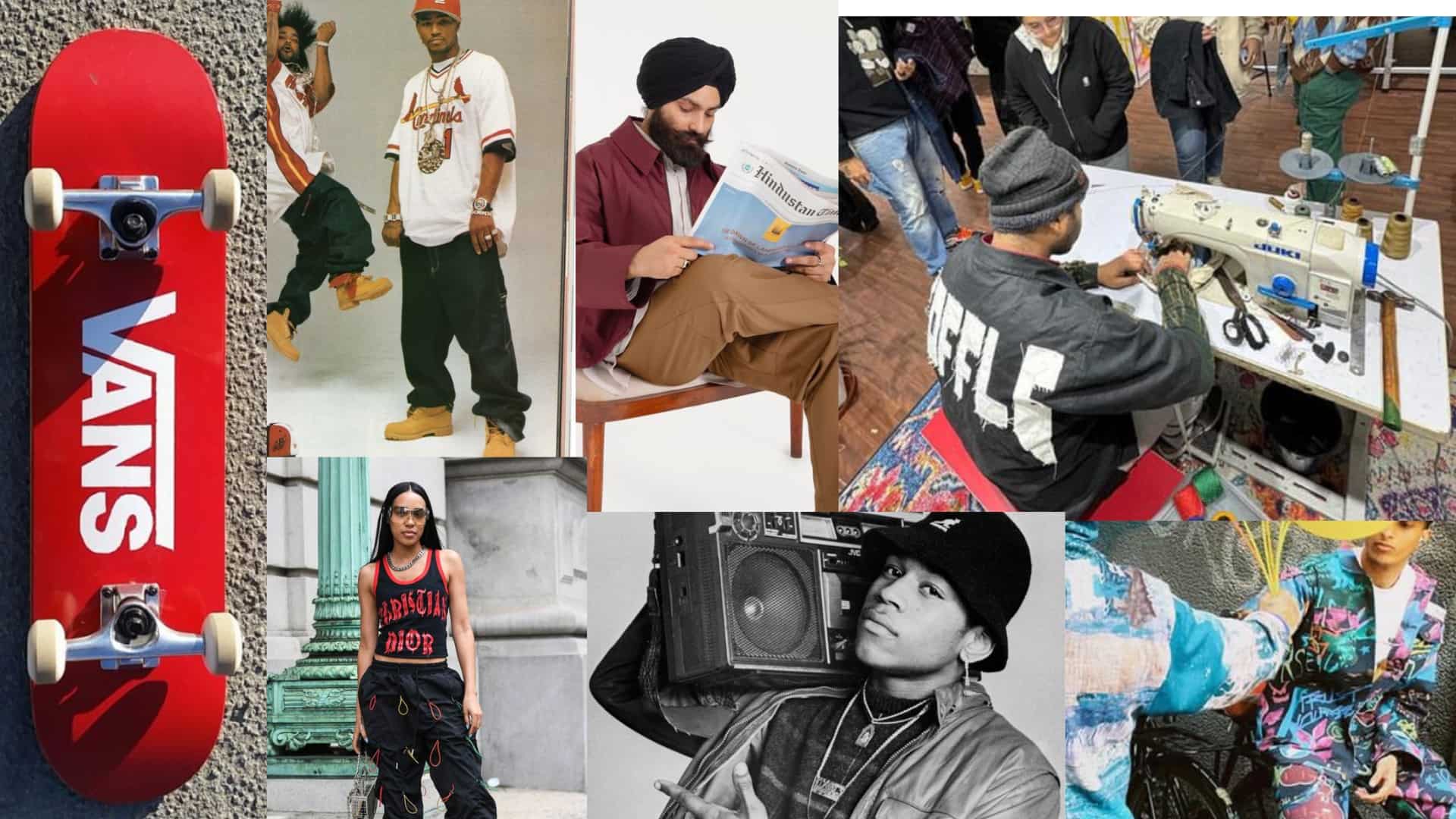
Rise of homegrown brands in India; Gen Z flaunting their individuality through clothes
Is a well-established fast fashion brand becoming boring in Indian society? The new generation does not only reject traditional beliefs but also the traditional consumerism mindset.
Toffle, a streetwear brand established in 2019, is a well-celebrated homegrown brand in the world of fashion. It now designs clothes for Indian pop stars and elite Bollywood stars. “We have sold our designs to Salman Khan, Akshay Kumar, and even to Indian musicians Ravi Shankar, Honey Singh, Divine, and many more,” saidToffle co-founder Brij Kishore Sharma.
Toffle is marked as India’s first customised streetwear brand, including products ranging from wallets, belts, hoodies, jackets, and jeans, with each product having a story to tell. “Our brand is not just about customisation. Each of our products has something to express and a story to tell,” explained the Toffle co-founder.

“The traffic on the Toffle website engages up to four to five thousand visitors, with the average sale value ranging from Rs 7000 to Rs 8000,” stated Sharma.
Delhiwear, another leading homegrown brandin India, incorporates streetwear style into Indian traditional clothing, with a vision to curate timeless designs.
“My target customers are those who are above 25 and appreciate a good clothing piece with better cuts and finishing, which is not delivered by the current fast fashion brands, in my opinion,” said Harikrishan Alag, owner of Delhiwear.
&imwidth=180&imheight=135&format=webp&quality=medium)
Viral video shows cross falling on Colombia priest, no official confirmation | WATCH
&imwidth=180&imheight=135&format=webp&quality=medium)
Rafale Marine fighter begins flight trials in Goa ahead of Indian Navy induction
&imwidth=180&imheight=135&format=webp&quality=medium)
Explosions heard in Iran’s Hormozgan province near Strait of Hormuz: State media
&imwidth=180&imheight=135&format=webp&quality=medium)
Shock, anger and despair in Bangladesh over the executions
&imwidth=180&imheight=135&format=webp&quality=medium)
India to develop first indigenous aviation gun for Prachand, Rudra attack helicopters, SSS Defence CEO confirms
&imwidth=180&imheight=135&format=webp&quality=medium)
Ranbir Kapoor apologises for Dussehra speech slip, clarifies remark at Ramayana event
&imwidth=180&imheight=135&format=webp&quality=medium)
Meta slapped with $25 billion fine in New Mexico over Facebook data practices, company plans appeal
&imwidth=180&imheight=135&format=webp&quality=medium)
Man marries off wife of 17 years to her lover in Uttar Pradesh
&imwidth=180&imheight=135&format=webp&quality=medium)
Russia to send first tanker carrying 40,000 tonnes diesel to US after Trump-Putin deal – What we know
&imwidth=180&imheight=135&format=webp&quality=medium)
WATCH | Mysterious haze grips Ohio city as toxic chemical leak forces mass evacuation – What is happening?
&imwidth=180&imheight=135&format=webp&quality=medium)
EU probes Booking.com under Digital Services Act
&imwidth=180&imheight=135&format=webp&quality=medium)
Kim Jong Un death rumors explode | China accused of secretly sending troops to Pyongyang
&imwidth=180&imheight=135&format=webp&quality=medium)
James Bond auction: Own Daniel Craig's Skyfall suit, Ana de Armas' dress and 300+ rare 007 collectibles
&imwidth=180&imheight=135&format=webp&quality=medium)
Trump says end to Ukraine war is 'closer than ever'; Witkoff's Putin remarks spark criticism
&imwidth=180&imheight=135&format=webp&quality=medium)
Trump waves at 'empty space' in viral video,' critics claim 'mental decline getting worse' | WATCH
&imwidth=180&imheight=135&format=webp&quality=medium)
US-Iran war: Bibi, Trump gamble on new Iran war to save themselves in polls
&imwidth=180&imheight=135&format=webp&quality=medium)
US midterms: Democrats sue Trump administration over alleged 'threats and intimidation' ahead of election, Musk issues warning to Dems
&imwidth=180&imheight=135&format=webp&quality=medium)
Why websites around the world are suddenly going offline? What you need to know about PHP
&imwidth=180&imheight=135&format=webp&quality=medium)
1 killed, several injured in attack on Saudi Arabia's King Fahd airport
&imwidth=180&imheight=135&format=webp&quality=medium)
US midterms 2026: What polls and prediction markets indicate about Congress
&imwidth=180&imheight=135&format=webp&quality=medium)
'You are a dummy, you are a stupid person': Trump loses temper with CNN, ABC reporters after questions about Russia sanctions
&imwidth=180&imheight=135&format=webp&quality=medium)
US Midterms 2026 and money: From Bloomberg to Musk, corporate donors, super PACs and lobbies, it's all about the cash
&imwidth=180&imheight=135&format=webp&quality=medium)
Are the US and Israel preparing for another major attack on Iran? Here's what report claims
&imwidth=180&imheight=135&format=webp&quality=medium)
Ramayana promotion takes a funny turn after Ranbir Kapoor's verbal blunder, leaves fans in splits | Watch
&imwidth=180&imheight=135&format=webp&quality=medium)
US orders embassy staff, families to leave Saudi Arabia amid Houthi attacks: Report
&imwidth=180&imheight=135&format=webp&quality=medium)
Priyanka Chopra celebrates Dussehra 2026 with Nick Jonas and daughter Malti Marie | See pics
&im=FitAndFill=(700,400)&imwidth=180&imheight=135&format=webp&quality=medium)
New OTT releases this week (October 19-25, 2026): Gajab Raat to Chaar Yaar-8 titles to watch during Dussehra week on Netflix, Prime Video and more
&imwidth=180&imheight=135&format=webp&quality=medium)
'I’m not saying it’s extraterrestrial' - 'Mutant' creature forces Mexicans to flee their homes
&imwidth=180&imheight=135&format=webp&quality=medium)
‘I caution the president...’: Trump’s ex-press secretary warns after Zacharia’s exit
&imwidth=180&imheight=135&format=webp&quality=medium)
'Father of all bombs' vs 'mother of all bombs': Iran threatens US with new weapon as Trump hints at MOAB strike
&imwidth=180&imheight=135&format=webp&quality=medium)
Hunger makes alcohol more appealing, study finds
&imwidth=180&imheight=135&format=webp&quality=medium)
Finance influencer dies by suicide in Chennai; father accuses tech CEO, who denies charge
&imwidth=180&imheight=135&format=webp&quality=medium)
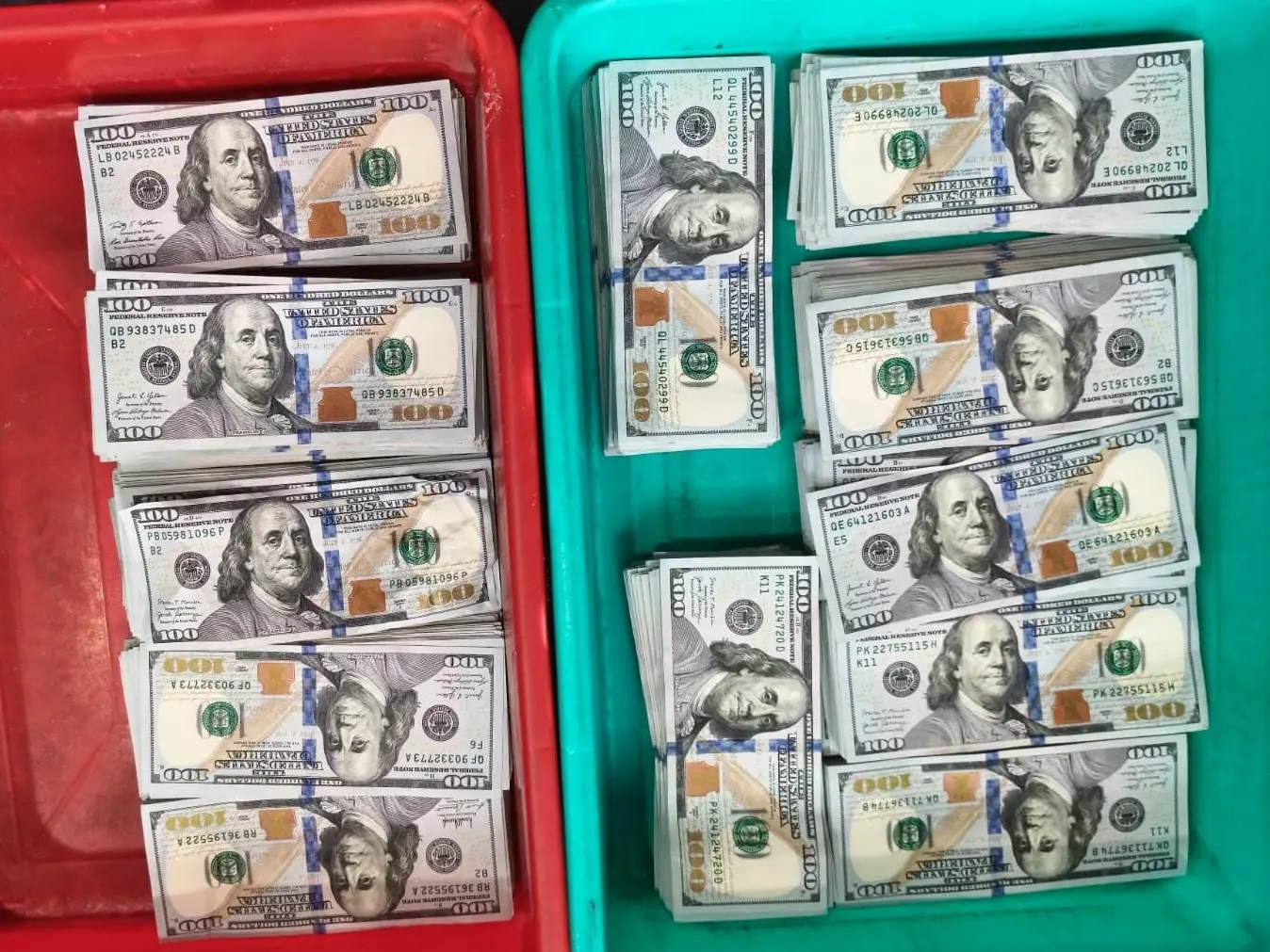
Kolkata airport: CISF detects ₹1.13 crore in US dollars hidden in bags of 2 Bangkok-bound passengers
&imwidth=180&imheight=135&format=webp&quality=medium)
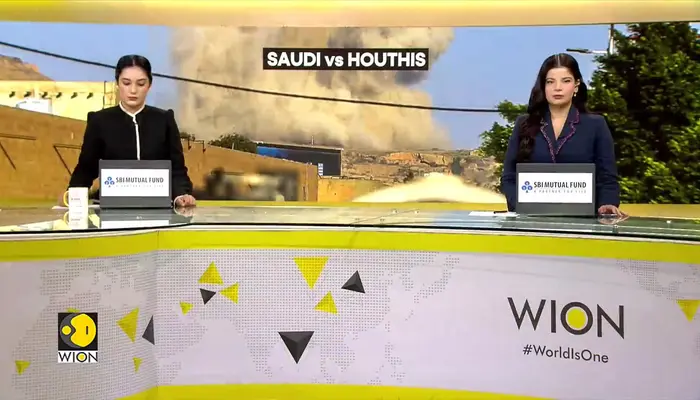
Saudi Arabia: Drone targeted oil facility near UAE border; violence continues in Yemen's Taiz
&imwidth=180&imheight=135&format=webp&quality=medium)
Cattle-feed bran in biscuits, detergent in milk: FSSAI acts against 3 companies
&imwidth=180&imheight=135&format=webp&quality=medium)
Feds obtain DNA evidence that could prove Ilhan Omar married her brother: Report
&imwidth=180&imheight=135&format=webp&quality=medium)
US midterms 2026: Trump's approval rating hits record low as Democrats gain ground
Alag, not comfortable sharing the exact revenue, said, “As what is available on the internet about the average revenue of a homegrown brand, which is in a good month USD 59,616.15 (Rs 50 lakh), and in a bad month USD 35,769.69 (Rs 30 lakh), Delhiwear follows a similar graph.”
Streetwear is not a clothing style but an idea of self-expression
Streetwear is the casual clothing style, which was majorly prominent in the 1980s to 1990s, influenced by skateboarding and hip-hop culture, with its emphasis on comfort, individuality, and authenticity, generally attractive to the 17- to 25-year-old age group.
A loose-fit style that gives you the freedom to eat, sit, and relax without caring for any prejudice of society. The vibe and concept came from belonging to the African American community, who were often not invited into society and automatically assumed by authorities to be part of a substandard section of society, prone to committing crimes and causing violence.
To liberate themselves from this discriminatory treatment and societal judgment, the Black community chose music as their medium of self-expression and a way of putting their voice into words, which also gave birth to graffiti art as a means of expressing themselves.
In 1988, the NWA hip-hop group released an album called “F— Tha Police,” an anthem against police brutality.
“This revolt, this passion, helped them stay away from a life of crime. In the same neighbourhood where rap music started, graffiti also began. The idea of self-expression was applied to clothes as well,” said Sharma.
The idea of making bold gestures of what you believe, and not being fearful of societal obligations, is the most fascinating vibe for Gen Z.
Rise during COVID-19
In 2020, during the pandemic lockdown, people had ample time but nothing to do with it, leading to the overconsumption of content. This resulted in a “Renaissance of fashion,” where Indians were introduced to streetwear, popular in the 1990s, a casual clothing style most prominent among rappers and the Black community.
The youngergeneration, with maximal exposure to social media and trends, acquainted with brands like Supreme, Off-White, and Nike, renowned names in streetwear, changed the idea of clothing.
People started leaning towards homegrown brands after COVID-19 due to growing awareness of good quality clothing and fabric, and appreciation of the authenticity and individuality of a design, which fast fashion brands failed to embrace.
After 2021, the culture of streetwear became popular among the youth. Brands like Mainstreet, Crepdog Crew, and Solesearch came into existence, providing streetwear brands a platform to sell. According to reports, the valuation of Mainstreet was $9.89 milliononJune 15, 2023, with other streetwear brands following similar growth patterns.
Previously, around 2018 to 2019, when streetwear was not evident in India, the FTC (For the culture) provided a platform for local brands to showcase their designs. They gave a chance to brands, including, Almost God, Toffle, and Jaywalking, keeping international and national brands together in 2019.
The first wave of streetwear brands to blow in India was through Jaywalking, Bomaach, and Bluorng, followed by Toffle.
Why does it appeal to Gen Z?
Streetwear is not just about clothing; it has become a part of the community for enthusiastic people about hip-hop music, skateboarding, attending car meets, and expressing their individuality. Each streetwear piece is a reflection of a story that has something to say and provides an opportunity for Gen Z to flaunt their eccentric personality.
Aadit Kumar Sharma, a creative director from Delhi, has enthusiasm for local artists and homegrown brands who appreciate authentic clothing pieces. He spends an average of around Rs 10,000 to Rs 50,000. “I have known Toffle for three years; it is one of the best customizations I can see. I want to support local artists. It is one of the best in India. I can purchase any fabric and ask them to make it, and they do it beautifully, which I don’t think high-end brands can do for me.”
“I do own expensive pieces from LV, Gucci, Ralph Lauren, but the feel I get from wearing Toffle products or any other local artist’s design is unmatched,” he added further.
The craze has exceeded to this lengththat every other Gen Z kid wants to own a homegrown brand, influenced by the culture and the profit that these brands can generate within twoto five years.

