Leave India notice to Imran Khan explained: What are OCI rules and why can't foreigners protest in India?

&imwidth=600&imheight=450&format=webp&quality=medium "Leave India notice to Imran Khan explained: What are OCI rules and why can't foreigners protest in India?")
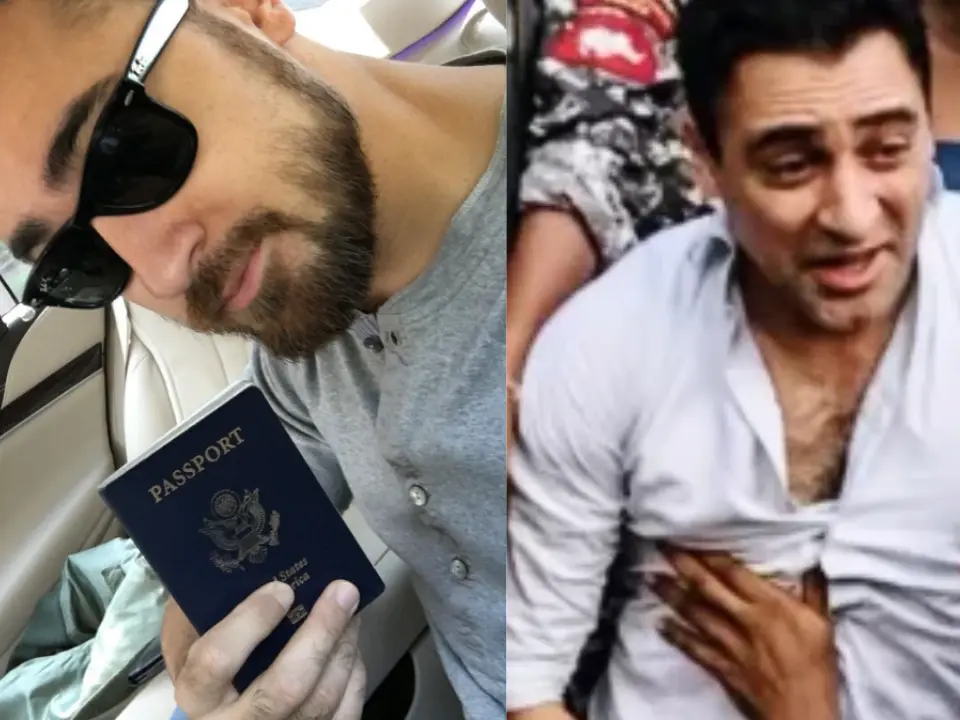
Picture of Imran Khan Photograph: (X)
Imran Khan, nephew of superstar Aamir Khan, has been asked to leave India by October 28 after he participated in a protest on October 10 against Chief Election Commissioner Gyanesh Kumar.
Actor Imran Khan has been asked to leave India. But why?
The actor participated in the Cockroach Janta Party (CJP) protest in Mumbai against CEC Gyanesh Kumar and was also detained during the protest.
Days later, Mumbai Police asked him to leave India by October 28. This comes after BJP leader Kirit Somaiya wrote a letter to the city's police, saying that Khan is a foreign citizen and, by participating in the protest, he has violated OCI rules and visa conditions.
As quoted by ANI, Mumbai Police said a Leave India Notice (LIN) has been issued to the actor, who is the nephew of Aamir Khan.
‘’As per the notice, he has been told to leave the country by 28th October. Imran Khan had participated in the agitation at August Kranti Maidan in Mumbai, demanding the resignation of CEC Gyanesh Kumar. Following the protest, he was detained by the Police. Imran Khan had participated in the agitation, despite not being an Indian citizen."
Born Imran Pal in Madison, Wisconsin, US, to Anil Pal, a software engineer, and Nuzhat Khan, a psychologist, he is an American citizen and carries an Overseas Citizen of India (OCI) card.
Trending Stories
&imwidth=280&imheight=210&format=webp&quality=medium)
&imwidth=280&imheight=210&format=webp&quality=medium)
&imwidth=280&imheight=210&format=webp&quality=medium)
&imwidth=280&imheight=210&format=webp&quality=medium)
&im=FitAndFill=(700,400)&imwidth=280&imheight=210&format=webp&quality=medium)
&imwidth=280&imheight=210&format=webp&quality=medium)
&imwidth=280&imheight=210&format=webp&quality=medium)
&imwidth=280&imheight=210&format=webp&quality=medium)
&imwidth=280&imheight=210&format=webp&quality=medium)
&imwidth=280&imheight=210&format=webp&quality=medium)
&im=FitAndFill=(700,400)&imwidth=280&imheight=210&format=webp&quality=medium)
&imwidth=280&imheight=210&format=webp&quality=medium)
&imwidth=280&imheight=210&format=webp&quality=medium)
&imwidth=280&imheight=210&format=webp&quality=medium)
&imwidth=280&imheight=210&format=webp&quality=medium)
&imwidth=280&imheight=210&format=webp&quality=medium)
&imwidth=280&imheight=210&format=webp&quality=medium)
&im=FitAndFill=(700,400)&imwidth=280&imheight=210&format=webp&quality=medium)
&imwidth=280&imheight=210&format=webp&quality=medium)
&imwidth=280&imheight=210&format=webp&quality=medium)
&imwidth=280&imheight=210&format=webp&quality=medium)
&imwidth=280&imheight=210&format=webp&quality=medium)
&imwidth=280&imheight=210&format=webp&quality=medium)
&imwidth=280&imheight=210&format=webp&quality=medium)
&imwidth=280&imheight=210&format=webp&quality=medium)
&imwidth=280&imheight=210&format=webp&quality=medium)
&imwidth=280&imheight=210&format=webp&quality=medium)
&imwidth=280&imheight=210&format=webp&quality=medium)
&imwidth=280&imheight=210&format=webp&quality=medium)
&imwidth=280&imheight=210&format=webp&quality=medium)
&imwidth=280&imheight=210&format=webp&quality=medium)
&imwidth=280&imheight=210&format=webp&quality=medium)
&imwidth=280&imheight=210&format=webp&quality=medium)
&imwidth=280&imheight=210&format=webp&quality=medium)
As per reports, Khan's Leave India Notice was issued under the provisions of the Immigration and Foreigners Act, 2025, under Section 7 (Power to issue orders, directions or instructions), which empowers the Central Govt/FRRO to order a foreigner not to remain in India.
What is LIN and why has the actor been asked to leave India?
LIN stands for Leave India Notice. It is an official notice issued by the Foreigners
Regional Registration Office (FRRO) or local police to a foreign national. The actor is not an Indian citizen and is an OCI cardholder, which prohibits him from participating in any kind of protest.
What is an OCI card, and why can't foreigners protest in India?
OCI stands for Overseas Citizen of India, and it is not Indian citizenship. Under this scheme, it allows people of Indian origin who are foreign citizens to get a lifelong, multiple-entry visa status to live and work in India. Under this scheme, it does not allow dual citizenship; the holder remains a foreign national with special privileges.
If a person needs to do certain activities such as Research, Tabligh, Mountaineering, Journalism, or an internship in a foreign mission and other work, special permission is required. Under Section 7B, Conferment of rights on Overseas Citizen of India Cardholder, it restricts the OCI cardholder from certain activities, and one of the many is that an OCI cardholder will not get the rights that only an Indian citizen gets, like getting a government job, voting in elections, or becoming President or Vice-President.
However, the actual restriction on protests comes from Article 19 of the Constitution, which grants Article 19(1)(a) - Freedom of speech and expression, and Article 19(1)(b) - Right to assemble peacefully, only to "All citizens".
Since an OCI holder is legally considered a foreign national under Section 7B of the Citizenship Act, 1955, he cannot claim rights under Article 19. Furthermore, under visa conditions, foreign nationals on any visa, including an OCI, are prohibited from indulging in political activities and political protests.

