Paul Schrader wishes DiCaprio played the cop, not the 'idiot,' in Killers of the Flower Moon


Martin Scorsese intended for Leonardo DiCaprio to portray FBI agent Tom White.
Acclaimed screenwriter Paul Schrader has expressed his views on Martin Scorsese's latest film, Killers of the Flower Moon, suggesting that Leonardo DiCaprio should have played the role of the FBI agent rather than the character Schrader referred to as the 'idiot.'
Schrader, known for his work on iconic films like Taxi Driver and Raging Bull, praised Flower Moon as a "good movie" but conveyed his belief that it could have been even better with DiCaprio in the role of the FBI investigator, Tom White.
Also Read |Killers of the Flower Moon review: A devastating, utterly tremendous piece of cinema

Describing the creative dynamic between himself and Scorsese, Schrader compared their styles in a recent interview with France's Le Monde, stating, "Marty compares me to a Flemish miniaturist. He would be more the type who paints Renaissance frescoes. Give him $200 million, a good film will inevitably come out of it."
Schrader elaborated on his perspective, stating, "I would have preferred Leonardo DiCaprio to play the role of the cop in Killers of the Flower Moon rather than the role of the idiot. Spending three-and-a-half hours in the company of an idiot is a long time."
Originally, Scorsese intended for DiCaprio to portray FBI agent Tom White, leading the investigation into the Osage murders in the 1920s. However, DiCaprio later requested a change, expressing a desire to play the character of Ernest Burkhart, a World War I veteran ensnared in his uncle's plot to exploit the Osage Nation's wealth.
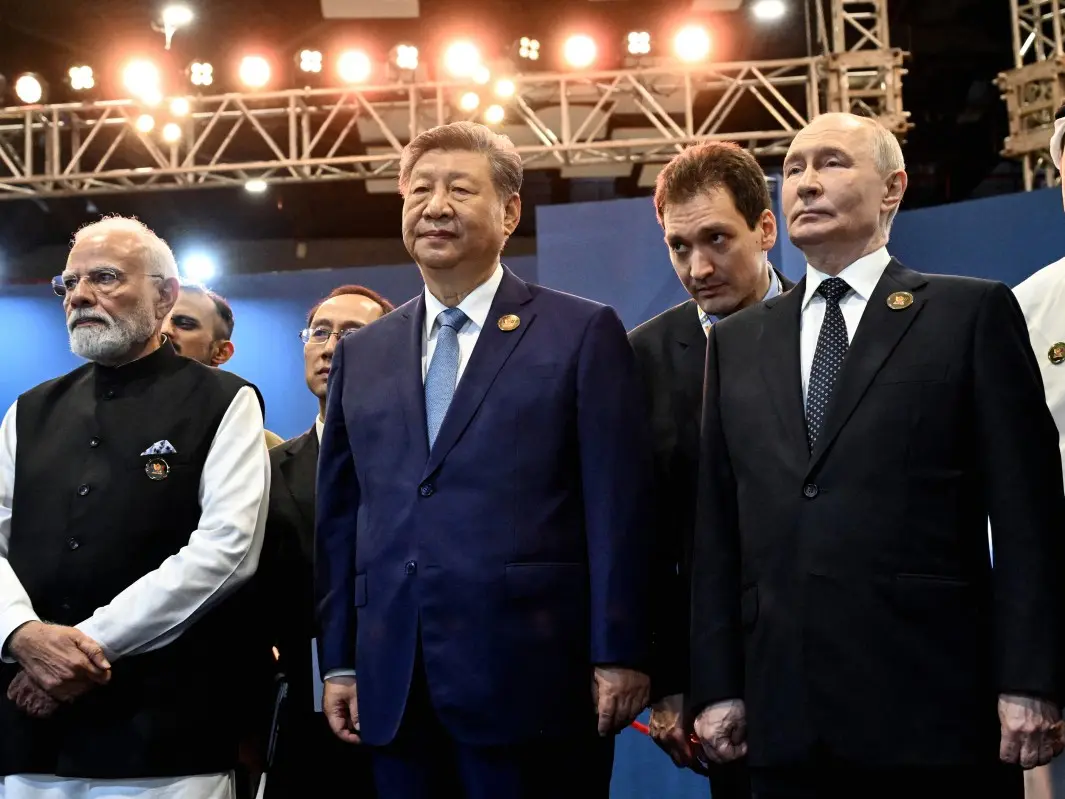)
Did India risk its US trade deal despite softer stance at BRICS?
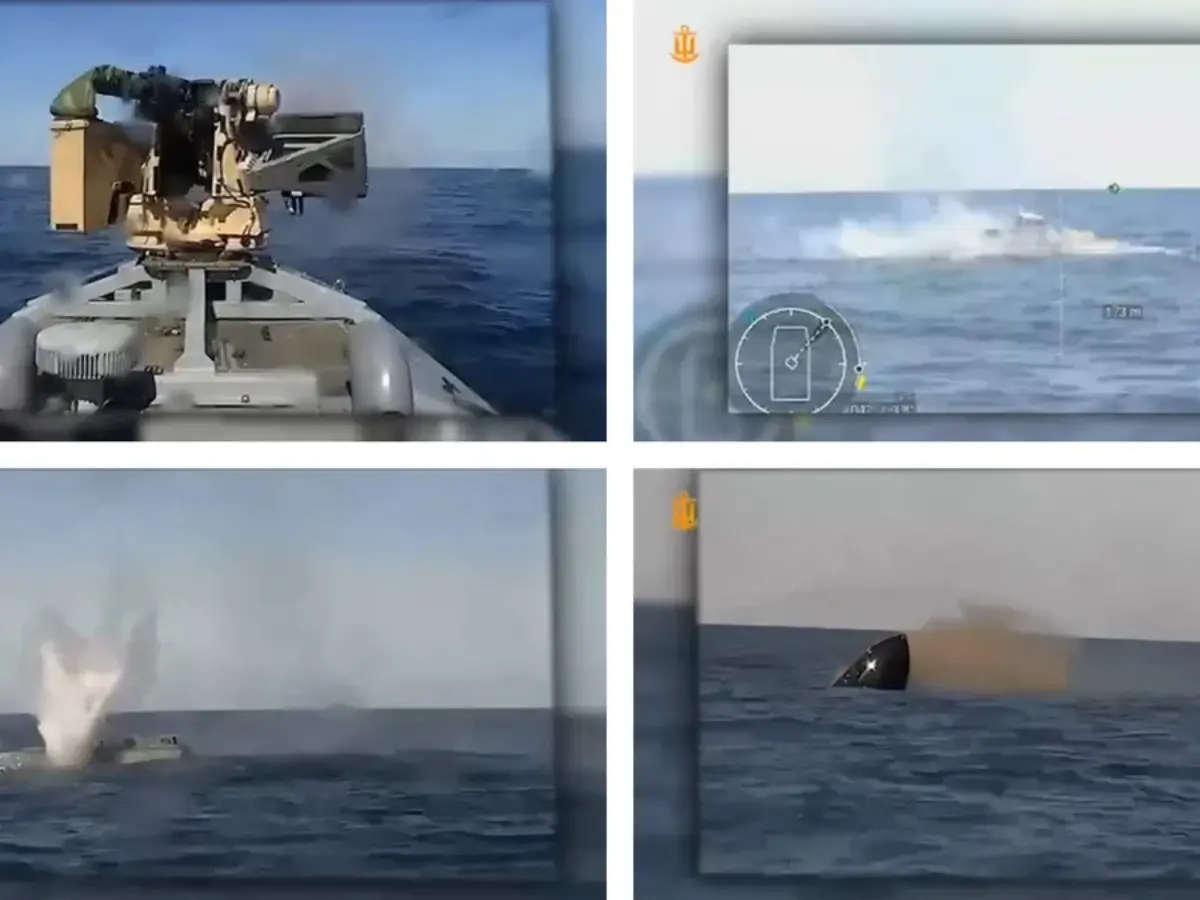)
First naval drone battle? Ukraine says Sargan 3000 sank Russian unmanned boat
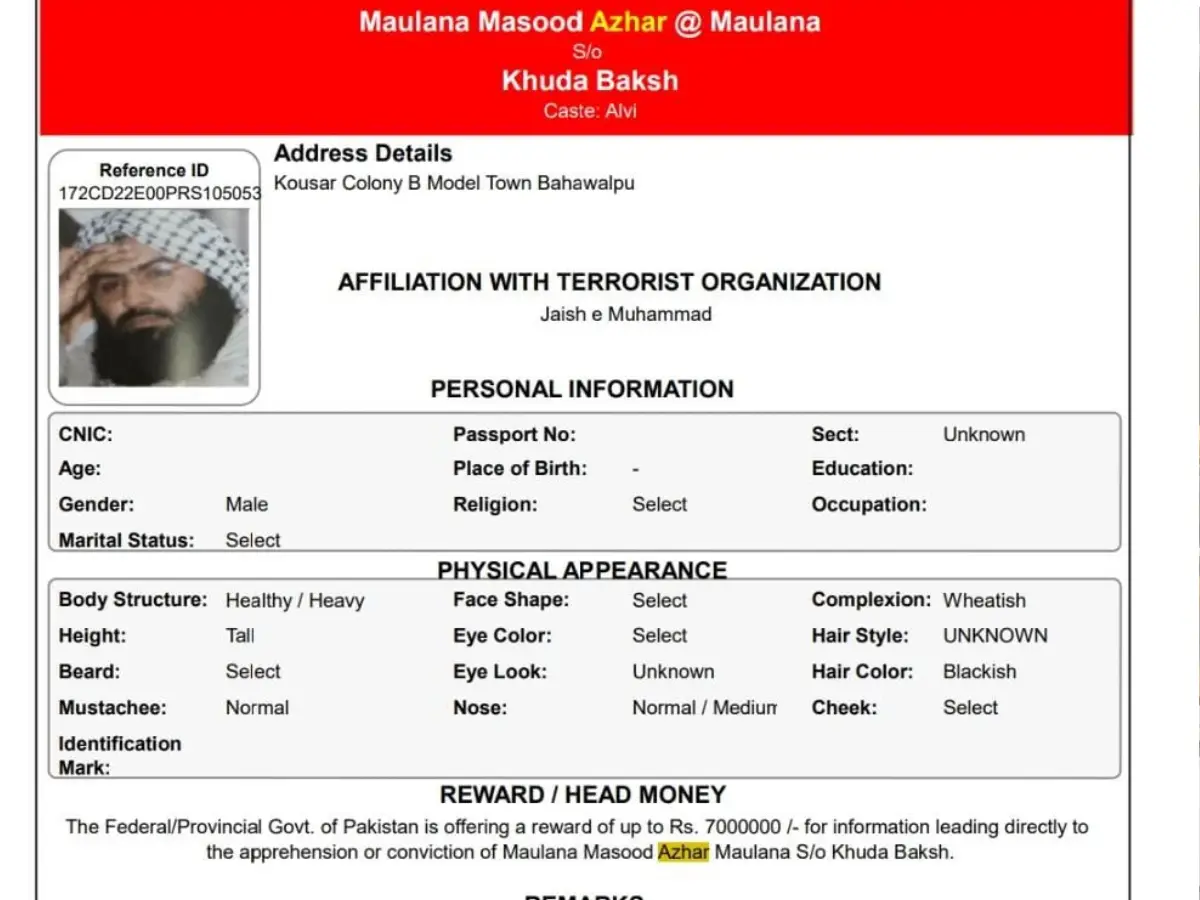)
Pakistan puts Pak Rs 70 lakh bounty on UN terrorist Masood Azhar; move draws skepticism in Delhi
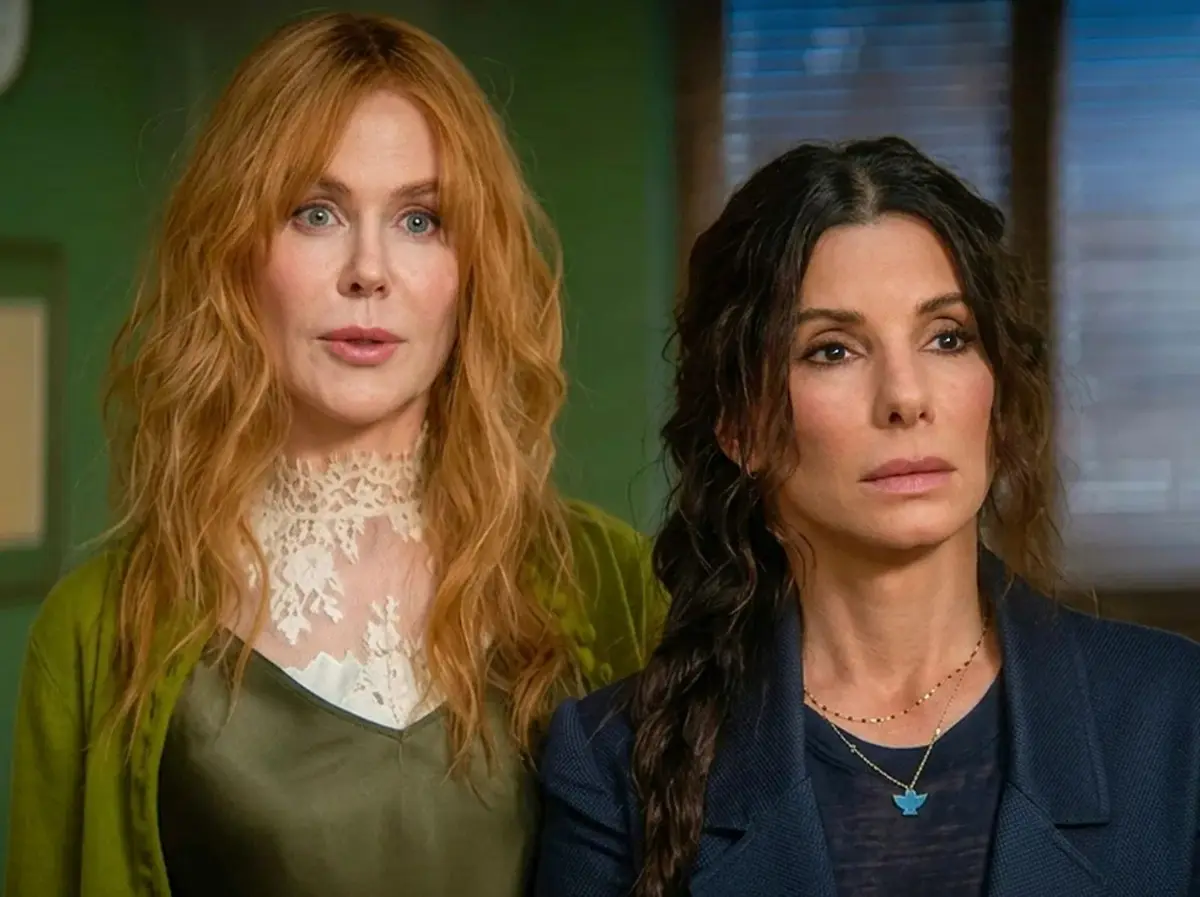)
Practical Magic 2 breaks Spidey spell over North American box office
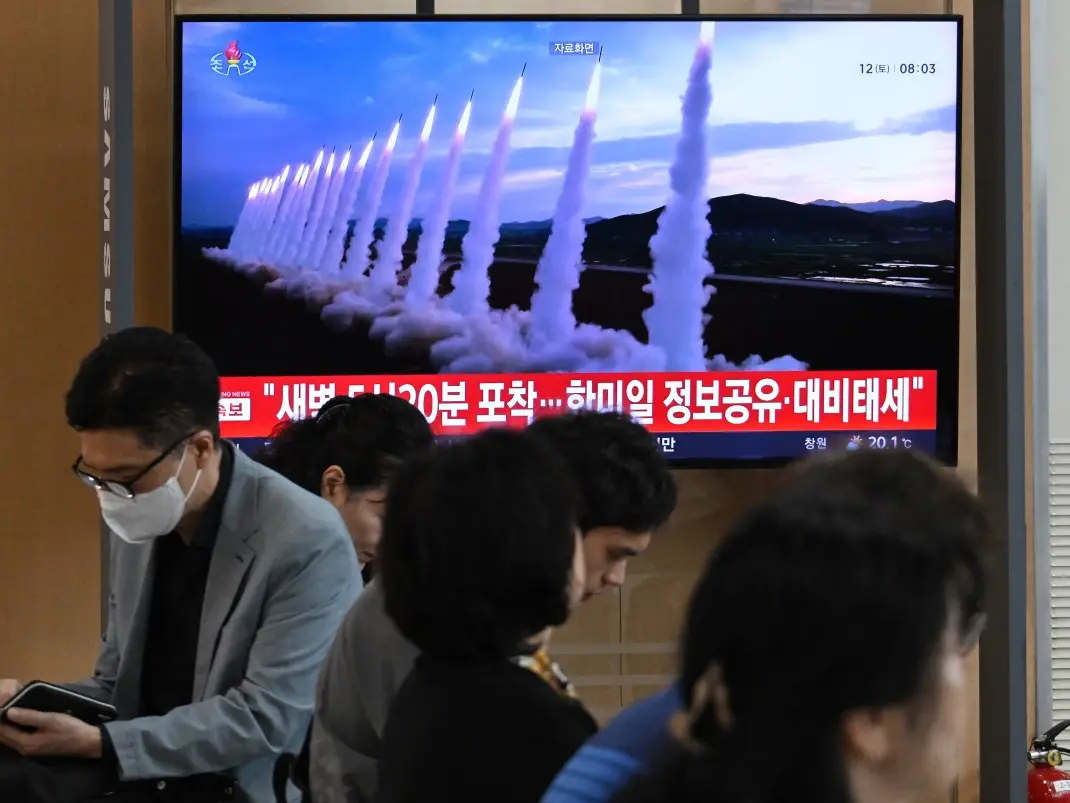)
'Huge destructive power': North Korea calls its latest missile launches 'live-fire drill' even as US dismisses 'immediate threat'
&im=FitAndFill=(700,400))
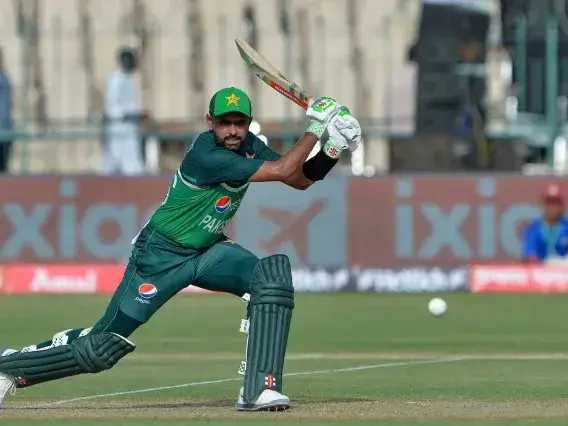
Meet top 5 batters fastest to 3000 runs in T20Is
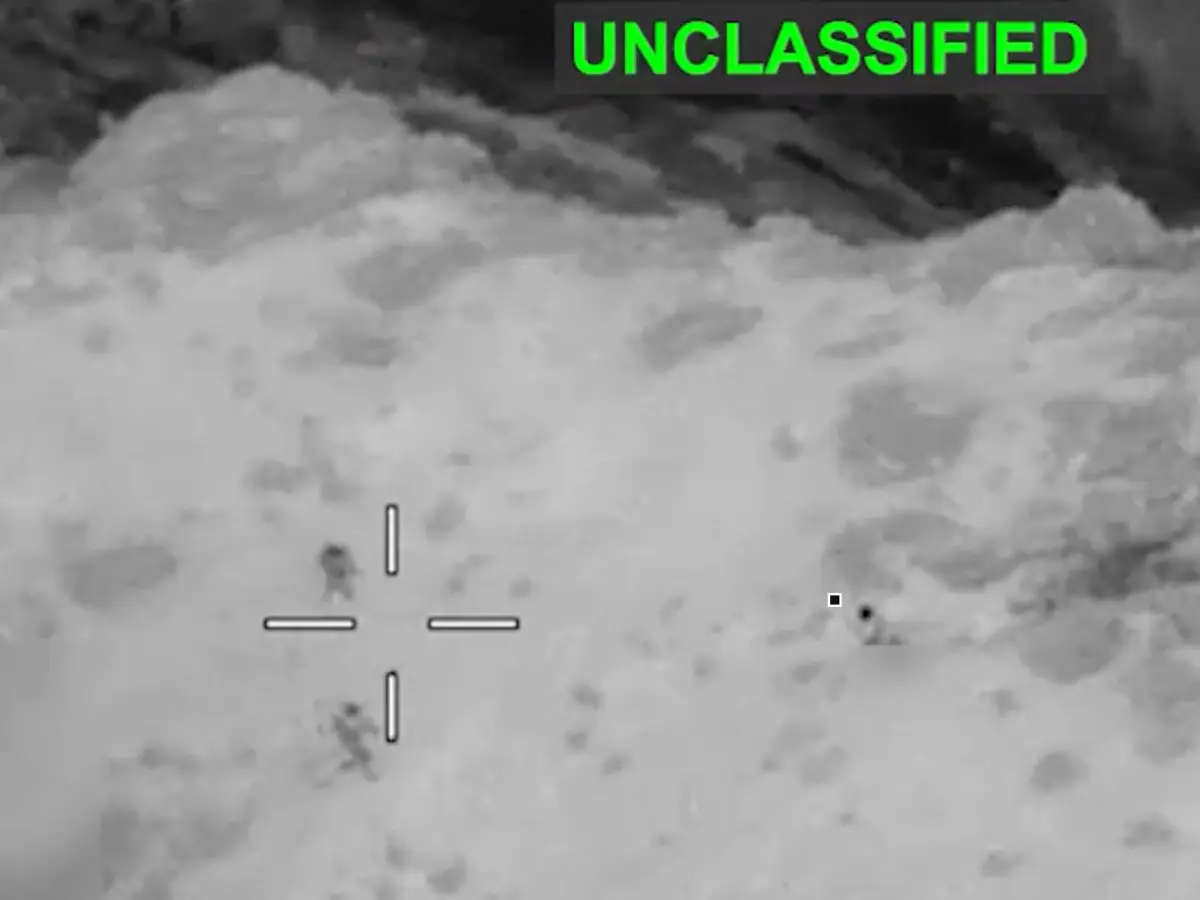)
‘Let’s go’: Newly declassified videos show dramatic rescue of US Air Force officers downed in Iran
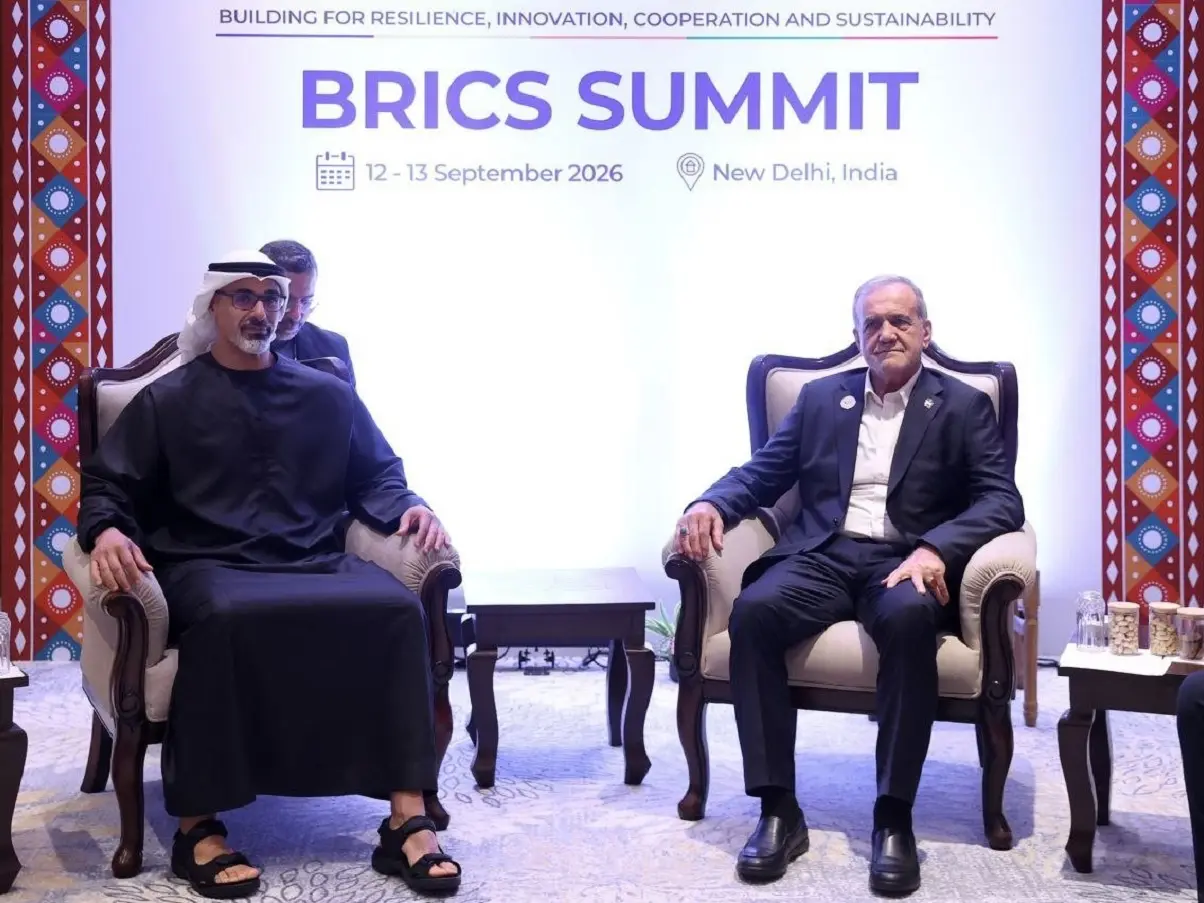)
Delhi’s balancing act: BRICS serves as a stage for West Asia diplomacy
&im=FitAndFill=(700,400))
Why European Meteor missiles use ramjet engines compared to standard US solid rockets
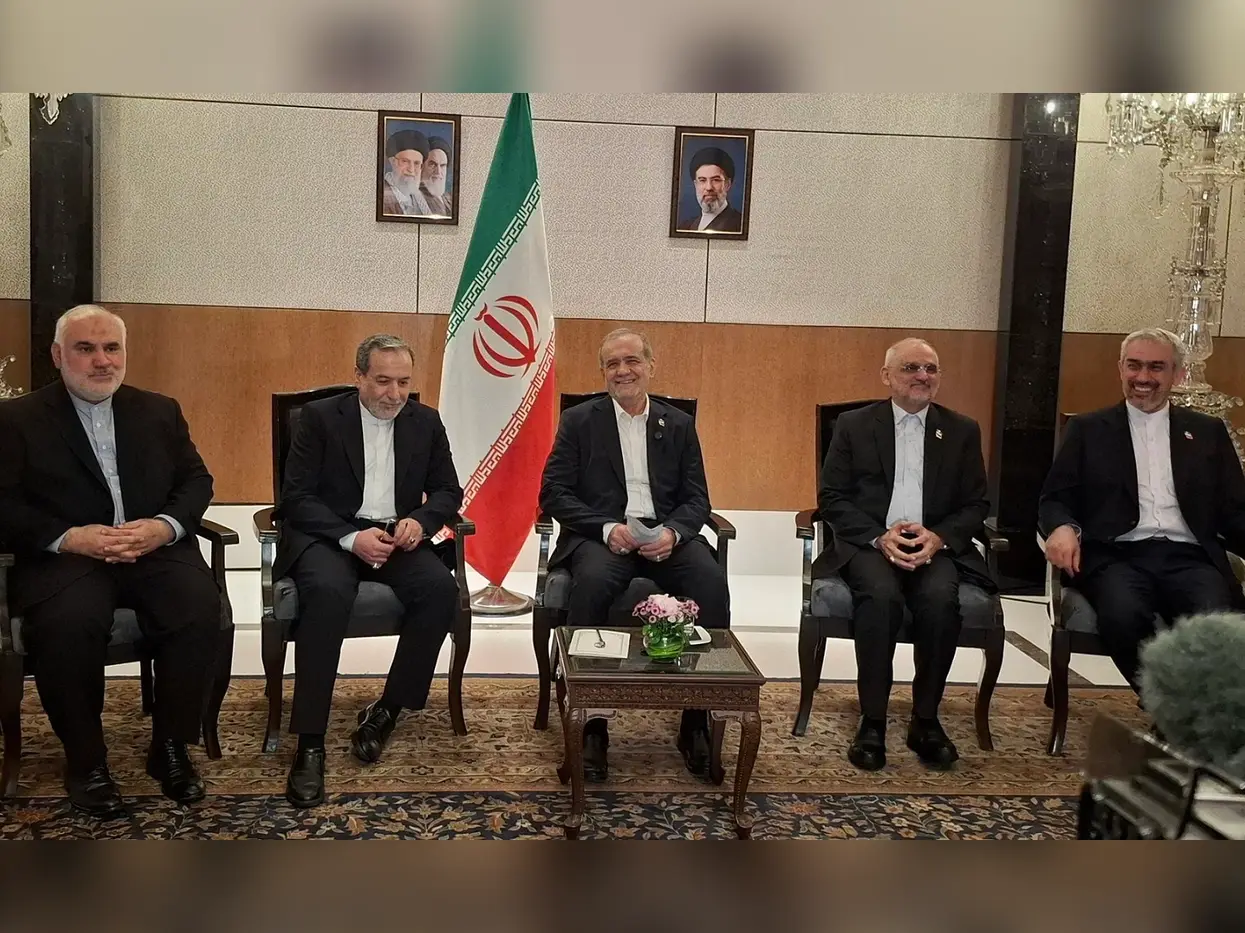)
Iran, India agree to deepen humanitarian and political ties, President Pezeshkian says
)
‘Want to reset ties with India, have engagement based on mutual interests,’ says Bangladesh minister
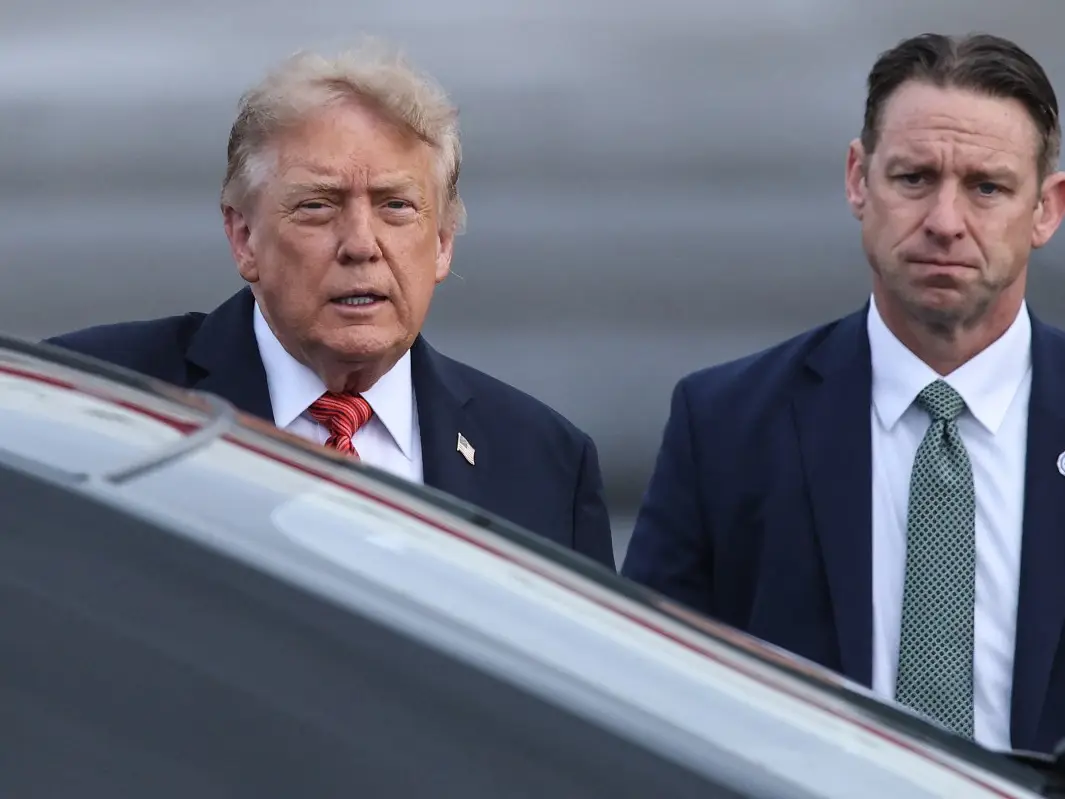)
Trump says Canada eager to reach a deal, it could come ‘fairly soon’ if Ottawa treats US farmers better
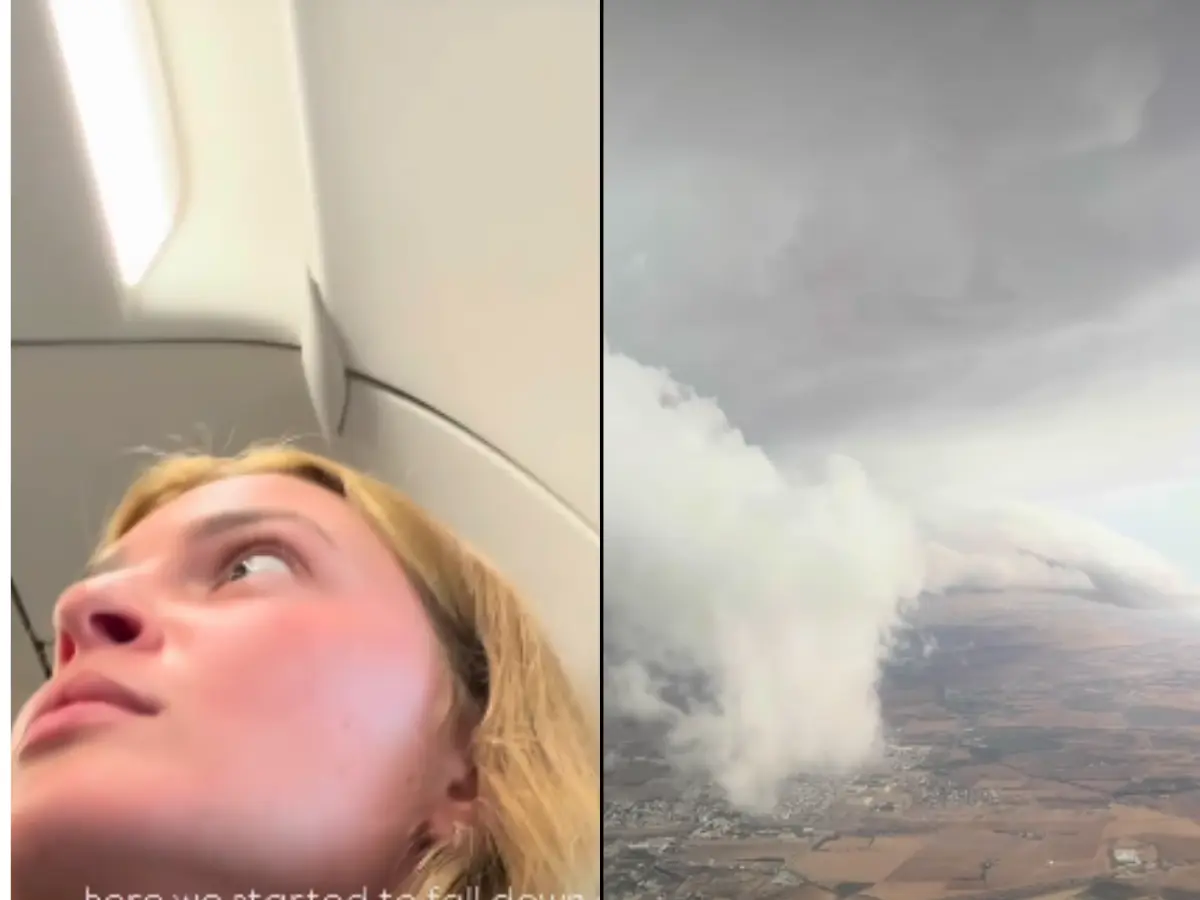)
Turkish Airlines plane flies through a storm three times, triggering severe turbulence
&im=FitAndFill=(700,400))
Why Chinese PL-15 air-to-air missiles use dual-pulse motors compared to European interceptors
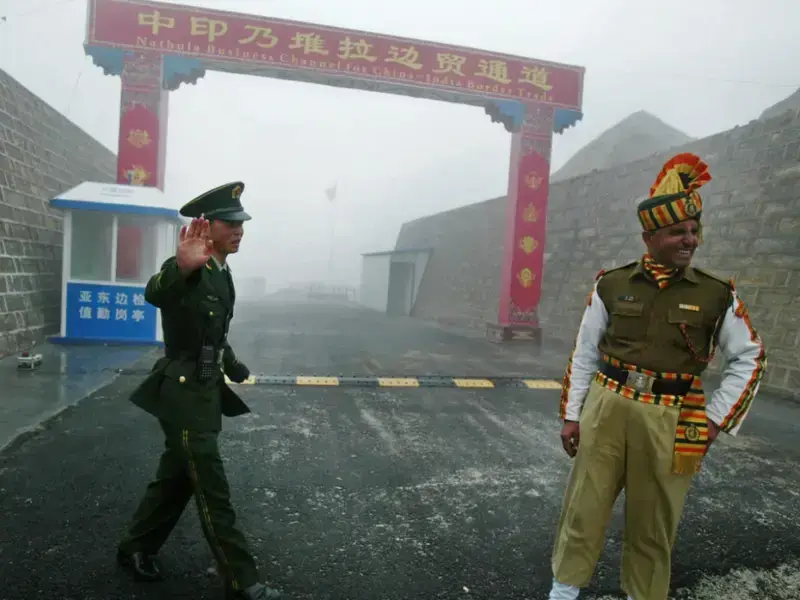)
China thinned Himalayan troop presence in 2025, India defence report says; terms border situation 'stable'
)
800 million years old - Scientists discover 'fingerprints' of supercontinent Gondwana in ancient rocks
)
Russia proposes to build 360 kmph Ivolga FG trains in India: What happened on sidelines of BRICS
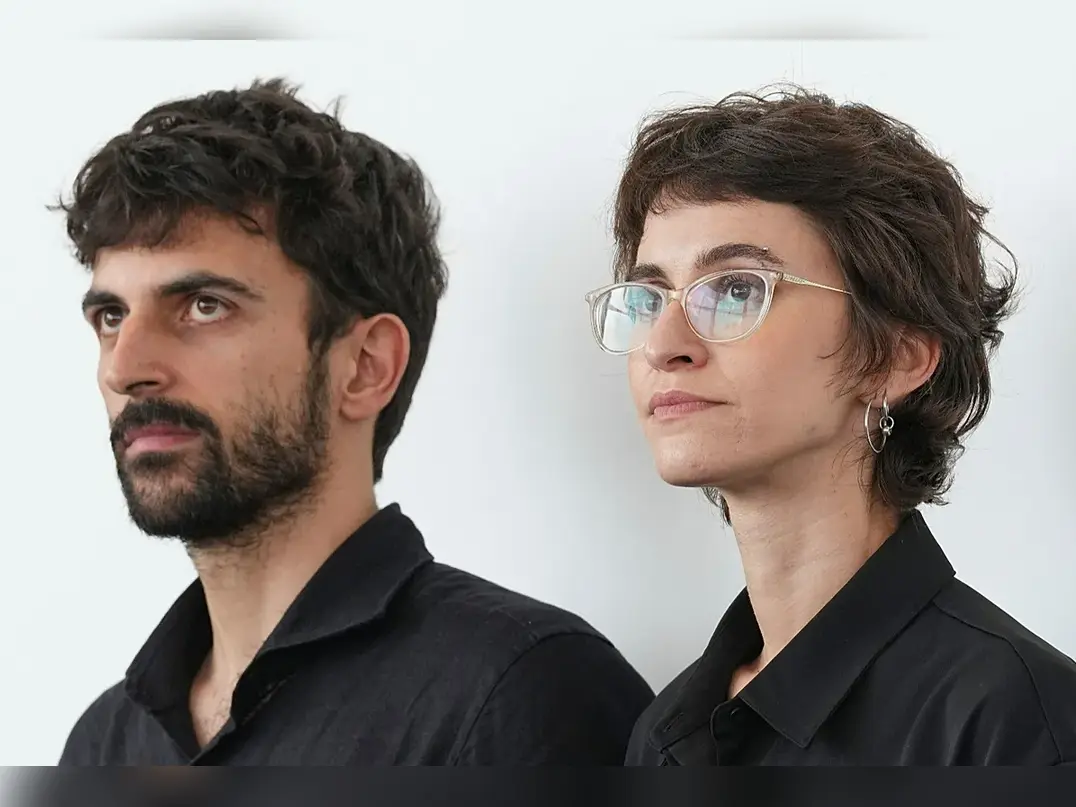)
Israeli minister calls to strip Gaza film directors of citizenship
)
China discovers vast gold and silver 'mine' in the Pacific with unheard-of deposits
)
Russian drone hits Warsaw-bound train near Polish border, Zelensky accuses Moscow of ‘deliberate’ targeting
)
War is making Russia stronger? How Ukraine is shaping Moscow’s next generation of weapons
)
NEET-UG to move to computer-based test soon, NTA DG says ‘CBT is the future’
)
Woman removes all her clothes on American Airlines flight, performs 'indecent acts'; arrested
&im=FitAndFill=(700,400))
New OTT releases this week (September 14-20, 2026): Lust Stories 3, Waiting Hai, Irumudi- 5 new titles coming on Netflix, Prime Video and more
)
Liam Neeson sparks romance rumours after holding hands with Stella Stocker at TIFF 2026
)
Indian importers urge Bangladesh to lift export ban on 'Hilsa' fish ahead of Durga Puja
)
Did China give Iran intel before US base strike that killed 3 troops? Trump says, 'You’re right...'
)
Meghan Markle shares first glimpse of family life with Prince Harry and children in UK
)
Crude oil prices jump more than $107 per barrel following Houthi attacks on Saudi
&im=FitAndFill=(700,400))
From Rinku Singh to Mayank Yadav, 5 players dropped from India’s squad for Afghanistan T20Is
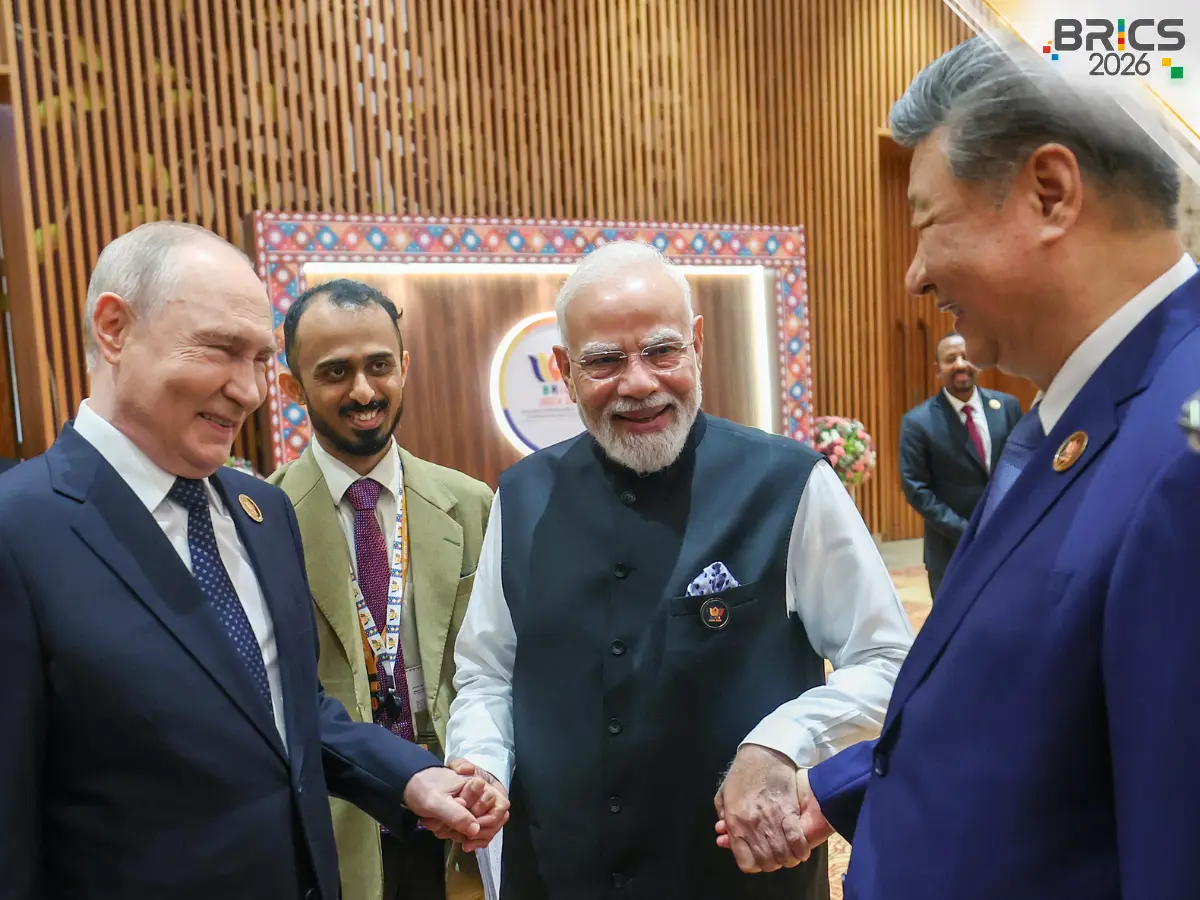)
PM Modi and China's Xi offered to help resolve Russia-Ukraine war: Kremlin
)
Women's Asia Cup 2026: India denied trophy once again despite winning the title
)
Humans may lose control of AI: Anthropic CEO calls for slowdown, Altman, Musk back him
Reflecting on the script changes, Scorsese had explained, "After two years of working on the script, Leo came to me and asked, 'Where is the heart of this story?' The real story, we felt, was not necessarily coming from the outside, with the bureau, but rather from the inside, from Oklahoma."