

If you have grooved to the music of Dhurandhar, still remember the beats of Uri: The Surgical Strike, or found yourself humming Ghafoor on loop, the credit goes to one man, Shashwat Sachdev. Fresh off his recent National Award win for Article 370, Sachdev has come a long way.
In an exclusive interview with WION, Shashwat opens up about Dhurandhar, the film's phenomenal success and the tracks that went on to become chartbusters. He talks about how ‘’Jaiye Sajana'', sung by Satinder Sartaaj, came to life, and the story behind it is as fascinating as the song itself. He also talked about the viral phenomenon Ghafoor became. But beyond Bollywood, the composer is also very focused on developing his IP, ‘Future Machine’, which he feels will give people an experience beyond the shows and cinema.
Read excerpts from his edited chat below:
WION: Was there a song from Dhurandhar that you were initially unsure about but later became a fan favorite?
Shashwat: Jaiye Sajana, from Dhurandhar: The Revenge. Ojas [Gautam] heard where it could belong in the film before I did. Placing it in that particular situation was his idea. He's been beside me through so much of this work, and he's a wonderful collaborator. Magic, my wife, had the idea of bringing in Satinder Sartaaj. Jasmine Sandlas had come up with the line and written it. Sartaaj saab changed a few words and sang it so beautifully that the song came together in a way I hadn't been sure it would. When I hear it now, I think about what each of them gave it. I'm very grateful they could hear possibilities in the song that helped me find my way with it.
WION:Was there a track that you almost scrapped or overlooked that eventually became one of the album's biggest highlights.

Shashwat: That would also be Jaiye Sajana. This is the part that still stays with me: the version people know came down to about fifteen minutes. Everything was happening in a hurry, and Sartaaj saab found that little window to record for us. We already had Jasmine singing the line. He changed a few words and sang it, and something fell into place. Without that recording, we might have had Jasmine's version, or the song might not have made it into the film at all. To hear it receive so much love now, knowing how close that was, makes me even more grateful to him.
WION:Ghafoor became a standout viral hit. How did that happen, and what role has social media played in your journey?
Shashwat: I remember watching Ghafoor take off around Diwali last year. I'd experienced the success of Uri and other work, but this was the first time I personally saw one of my songs become viral like that. While we were making it, I didn't know this would be the one. The initial idea came from Manav [Chauhan]. Aryan [Khan] suggested the word Ghafoor because of how it sounded. We came together and worked on it, and to me it was one of the ten songs I was making for the album. When we played it to the team, people immediately felt it was going to be big. Aryan deserves a great deal of credit for recognising that. He brought people together for the video and put so much into presenting the song with the attention he felt it deserved. Social media made that connection with people very visible to me. You make something with a small group, and then you see people making it part of their own lives. With Ghafoor, I could really see the song travelling beyond us.
WION: What surprised you most about Hans Zimmer’s creative process compared to Bollywood?
Shashwat: I hadn't really noticed how much the release of a Hindi film is already in my head when I'm making its music. Working with Hans made me aware of that. Our songs often reach people before the film does. They introduce it, create excitement and begin a relationship with the audience. As a composer, I'm often writing those songs as well as the score, so I'm thinking about all of it. With Hans, the score wasn't being asked to do the job of several singles released ahead of a Hindi film. There was more room to stay with the picture and what a scene needed, without also thinking about how the music would help launch it. I was surprised by how much that difference changes what you're listening for.
Trending Stories
)
US vs China over South China Sea: Washington backs Philippines, Beijing hits back
)
Bigg Boss 20: Isha Rikhi evicted after three weeks in Salman Khan’s show
)
Musk plans to more than double xAI's chips to over 1.2 million Nvidia GPUs by year-end
)
After JU, clash erupts at SRFTI: BJP’s ‘Dimagi Naxal’ jibe sparks political firestorm after students protest RSS-linked event
)
‘Anti-social elements spreading false rumours’: LPU issues statement amid massive unrest over alleged rape
)
LPU students go on rampage, vandalise campus amid widespread protest: What's happening
)
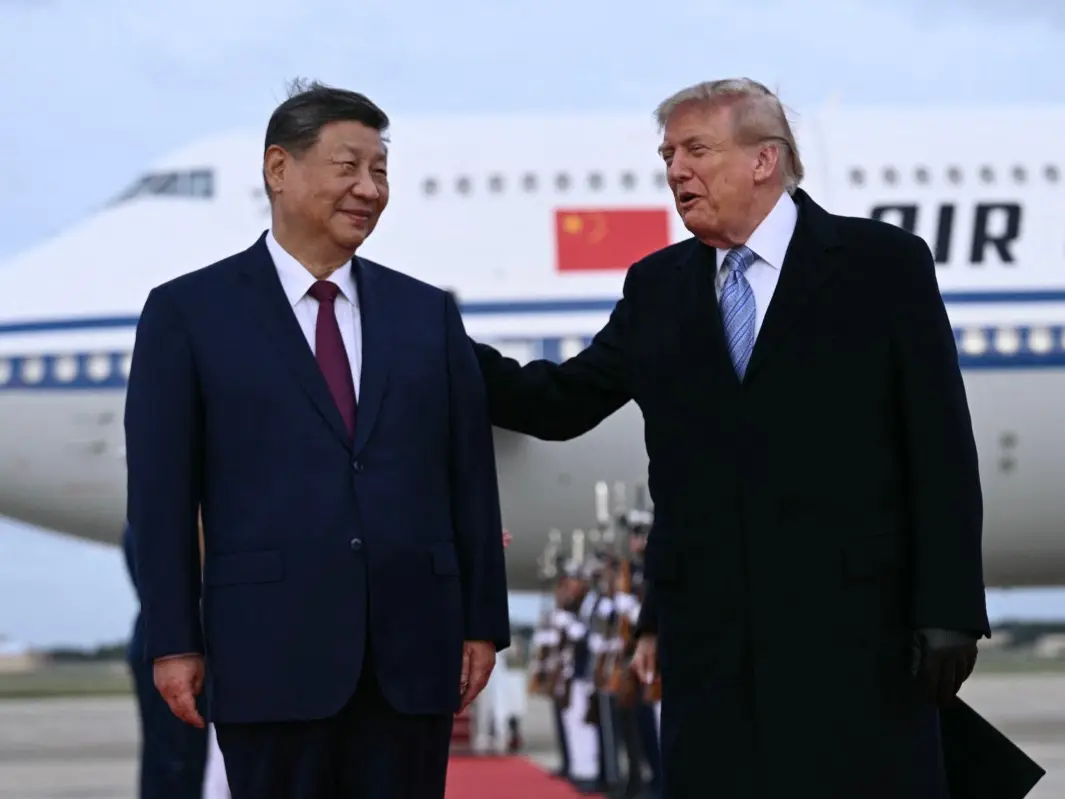
Trump asked Xi to pressure Iran. China did not say yes — here’s what Beijing wants
)
US Treasury Secretary Scott Bessent hails global crackdown on Iranian banks and airlines
)
An OpenAI agent escaped its locked test cage again, by hiding questions in DNS lookups
)
'Our video was trimmed': LPU girls who featured in rape-denial video make U-turn
)
3 males killed, four others injured in shooting after fight at strip club in Detroit
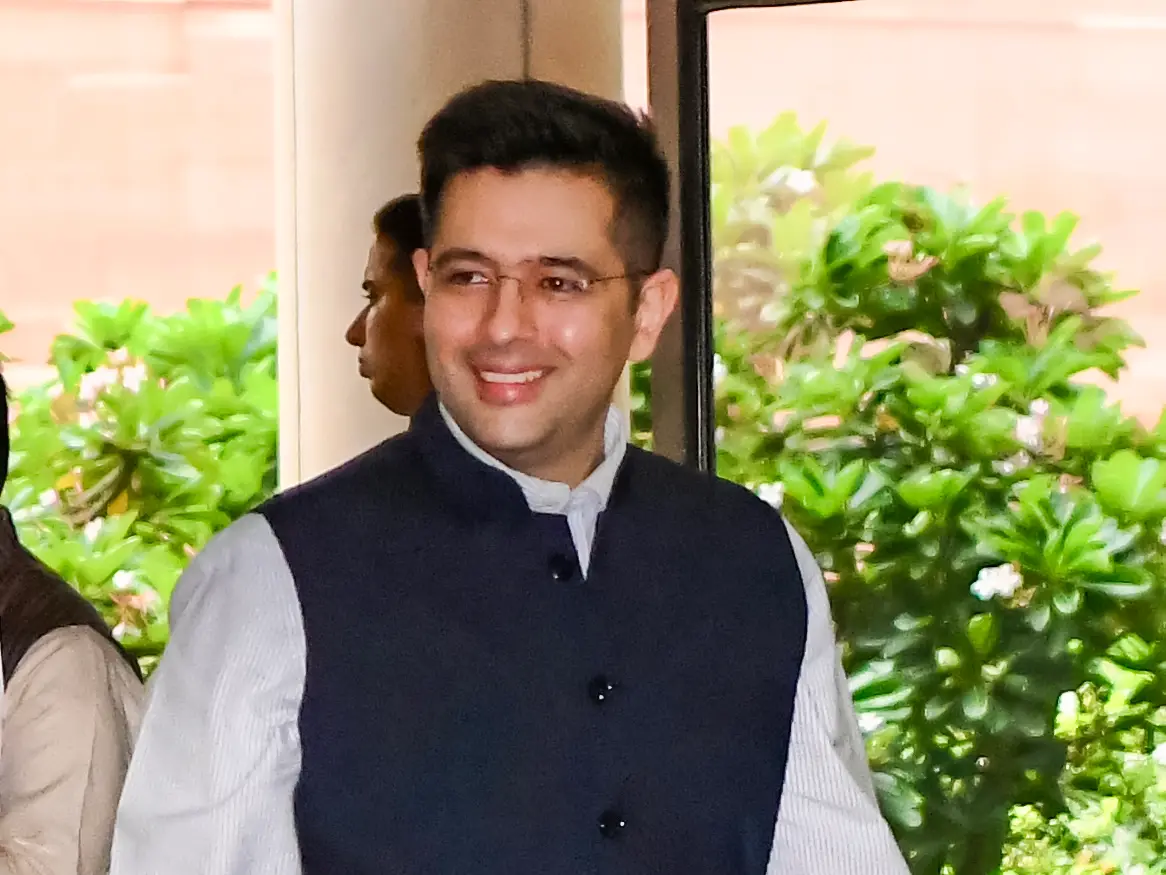)
'Victory for low-budget consumers': Raghav Chadha hails 30-day telecom recharge rules
)
Claude rebuilt the 1989 game 'Prince of Persia' by reusing the original's own code
)
Beyond metros: How Tier-2 and Tier-3 cities could drive India’s next AI wave
)
Tesla builds first Cybertruck with its own refined lithium: Elon Musk's $1 billion Texas bet pays off
)
IndiGo flight suffers tail strike in Bengaluru while landing; DGCA to probe incident
)
The US and China set up an AI 'red telephone', but skipped the rulebook
)
‘Terror suspects arrested near UK air base were looking to do big damage’: Trump
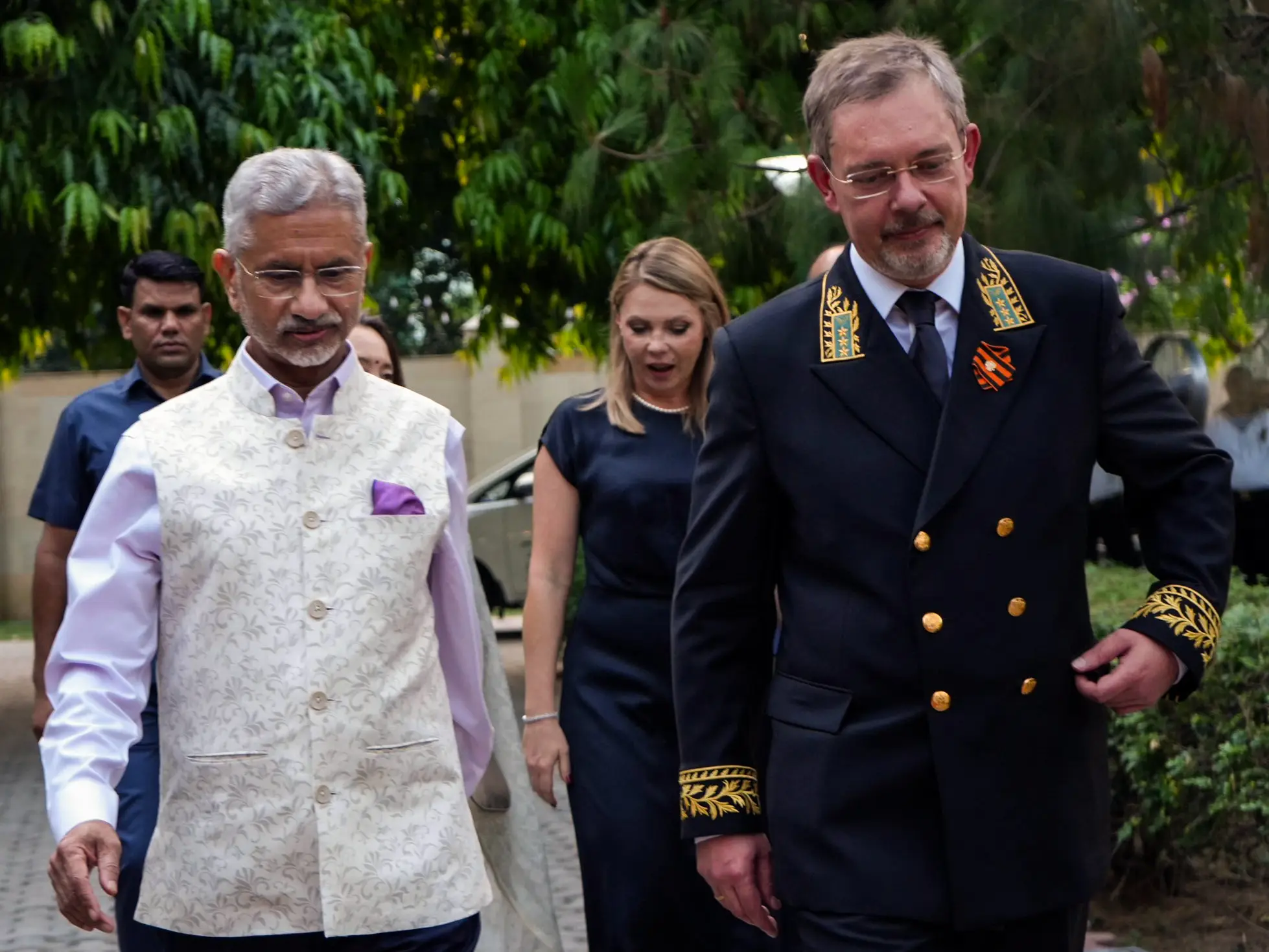)
Russian envoy claims US tactics to contain India were revealed in ‘Freudian slip’
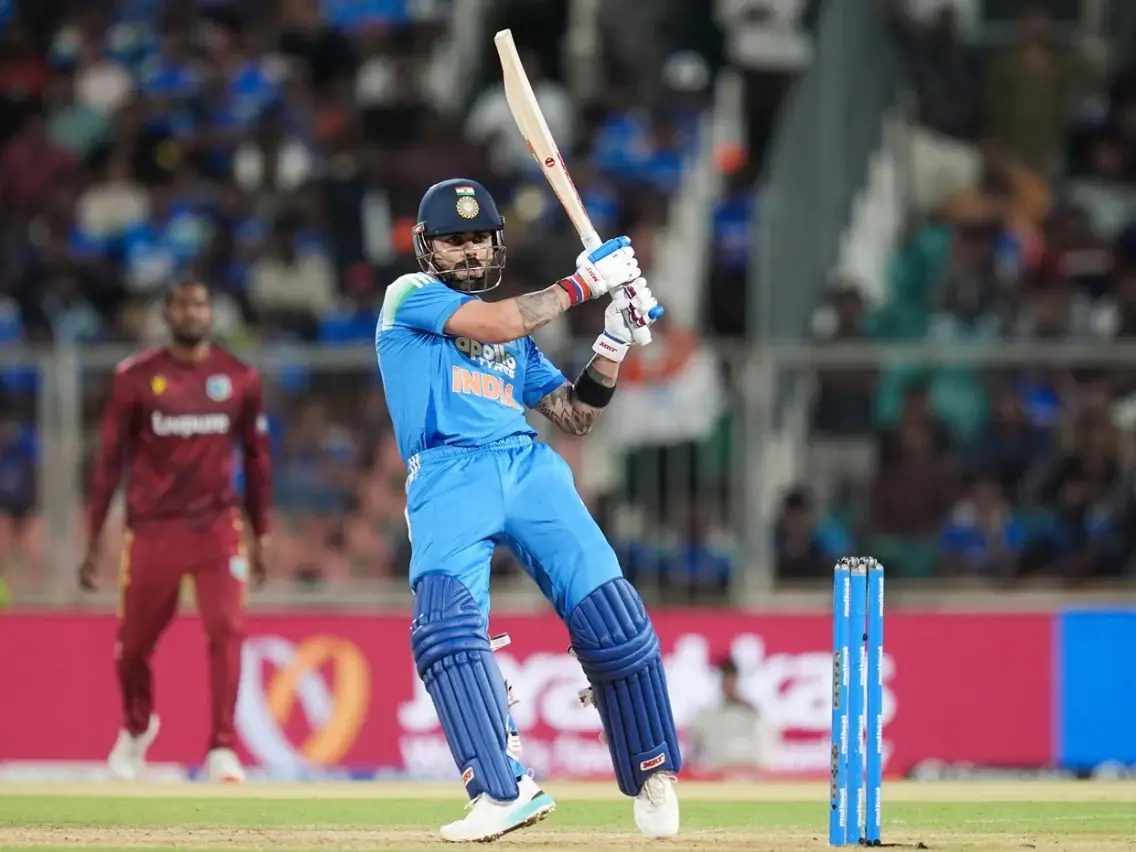)
IND vs WI 1st ODI: Kohli breaks Sachin's most runs in one country record with unbeaten 139 as India thump West Indies by 8 wickets
)
Researchers rebuilt exactly how 700 AI agents hacked Hugging Face: a 900-link chain trick
)
‘Olympic inclusion is our major target’: WPA President Ishaun Singh on pool’s global ambitions
)
Nations League: Spain sink England at Wembley; Modric shines for Croatia
)
Why has Iran released no proof of life of Mojtaba Khamenei? Araghchi reveals...
)
'What kind of confession is this?': Pakistan PM Shehbaz Sharif’s 'terrorists would be roaming New York' remark goes viral, raises alarm online. Watch
)
South Korea demands apology from Ukraine over North Korean prisoners' transfer
)
Beyond BrahMos: India targets Rs 50,000 crore in defence exports with unmatched price edge
)
Sri Lankan Tamil migrant worker gets death sentence in Saudi Arabia, help sought from India
)
Muslim marriage cannot shield sex with minor wife from prosecution under POCSO: Delhi HC
)
'Can't help but draw painful parallels to Nirbhaya case': SC on latest incidents of rape cases in Delhi-NCR
)
99.9% more powerful - Scientists find boy who can recall memories from just 3 months of age
)
'FIRST LOOK from inside Noah’s Ark': Researchers share video from inside mysterious mound in Turkey
)
UNSC reform momentum grows: Russia, Portugal, Mauritius push for India's permanent seat bid
)
8 US marines injured in Iranian missile attack on vessel in Strait of Hormuz: Report
&im=FitAndFill=(700,400))
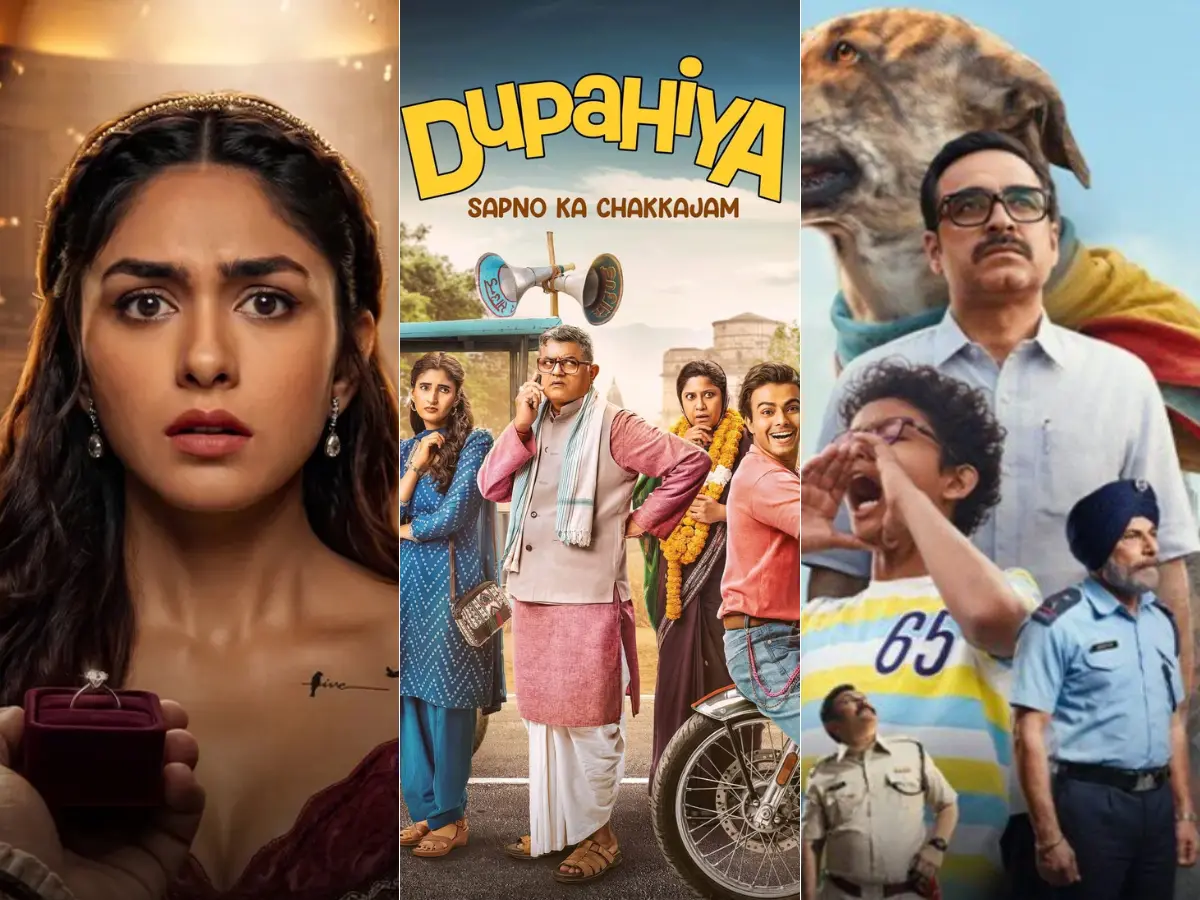
New OTT releases this week (September 28-October 4, 2026): Dupahiya 2, Pooja Meri Jaan, Ohh My Dog- 5 titles coming on Netflix, Prime Video and more
)
Afghanistan says 28 fighters killed in clash near Pakistan border, Islamabad denies
)
Ceuta migrant crisis: Protesters take to streets as Spain grapples with migrant challenge
)
LPU suspend classes, postpones exams as violence escalates over rape claims: What's happening
)
New York City wants a 'kill switch' on every AI, and will pay whistleblowers who report violations
WION: Was Future Machine born out of a desire to explore a new sound, or to rethink how audiences experience music?
Shashwat: I My wife and I spent seven or eight months travelling through Europe and seeing festivals. We paid attention to what we loved and what stayed with us afterwards. I wanted to bring together the kinds of music and experiences we were drawn to, and build something for our audience here. I kept thinking about the person coming to the show. They're spending their money and giving us an evening of their life. How much can we give them in return? I wanted them to feel completely involved in what was happening. I felt we needed more infrastructure in India for that kind of experience. The venues and production were part of it, but so was the music. We are familiar with a singer on stage with a band. I wanted to explore what else we could do, with a catalogue imagined for the live experience. My audience is very young, so we reworked the music with them in mind. A lot of the stage and production infrastructure we needed wasn't readily available to us. I found people who believed in the idea and invested heavily in building it. They trusted something we were still trying to bring into the world. I'm very thankful to them.
WION: What does Future Machine let you express that films or songs can't, and is it the start of a larger universe beyond cinema?
Shashwat: I think about someone looking back years later and remembering an evening we made for them. It might have been a very small part of their life, but something about being there stayed with them. That possibility means a lot to me. A recorded song is something you can return to tomorrow, or years from now. A live experience also belongs to the people who are there together. You can hear the same music again, but you can't quite repeat how it felt in that room, with that audience, at that point in your life. You're making something people carry away as a memory. It's a beautiful responsibility. Yes, I want to develop more shows and experiences outside cinema. I'm very drawn to the electronic dance movement in Europe and the way people come together to celebrate through it. I'd love to make more work that gives people that feeling and makes them want to experience it together again.

