The technology behind India's push to manufacture more defence equipment

&imwidth=600&imheight=450&format=webp&quality=medium "The technology behind India's push to manufacture more defence equipment")
The technology behind India's push to manufacture more defence equipment
A new international partnership highlights the growing role of technology transfer in defence manufacturing. The agreement aims to support local production capabilities, but questions remain over its scale, implementation and the long-term impact on domestic manufacturing.
As countries look to strengthen their domestic defence industries, access to specialised technology has become an important part of manufacturing strategy. For India, expanding local production involves not only building manufacturing facilities but also developing the technical capabilities needed to produce defence equipment within the country.
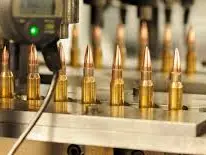
Cooperation between Indian and overseas companies is one route being explored to support this effort. A recent partnership between Indian defence manufacturer Vijayan Trishul Defence Solutions (VTDS) and Czech firm DEUS Automation a.s. a sister company of STV Group, brings this approach into focus, with technology transfer for small-calibre ammunition production in India at the centre of the agreement.
What does the partnership involve?
VTDS signed a technology partnership with DEUS Automation in August 2026, according to the information provided by the companies. DEUS Automation is a sister company of Czech defence group STV Group.
Under the agreement, the Czech company will supply technology to support the production of small-calibre ammunition in India. VTDS holds a Ministry of Home Affairs licence to manufacture small arms and ammunition, according to the supplied announcement. The agreement brings together VTDS's domestic manufacturing plans and DEUS Automation's technology expertise. However, the announcement does not specify the investment involved, the planned production capacity, the technology's precise scope or when manufacturing under the arrangement is expected to begin.
Why technology partnerships matter
Developing domestic manufacturing capabilities can require access to specialised processes, technical knowledge and production systems. Partnerships with overseas companies can provide a route for Indian manufacturers to acquire some of that expertise while building production operations locally. In defence manufacturing, the extent of technology transfer matters. An agreement to supply technology does not, by itself, establish how much technical knowledge will be transferred, whether local production has started or how much domestic value will ultimately be added. The VTDS–DEUS Automation agreement is therefore a specific example of industrial cooperation, rather than evidence on its own of a wider increase in India's ammunition production.
India and the Czech Republic expand industrial engagement
Trending Stories
&imwidth=280&imheight=210&format=webp&quality=medium)
&imwidth=280&imheight=210&format=webp&quality=medium)
&imwidth=280&imheight=210&format=webp&quality=medium)
&imwidth=280&imheight=210&format=webp&quality=medium)
&imwidth=280&imheight=210&format=webp&quality=medium)
&imwidth=280&imheight=210&format=webp&quality=medium)
&imwidth=280&imheight=210&format=webp&quality=medium)
&imwidth=280&imheight=210&format=webp&quality=medium)
&imwidth=280&imheight=210&format=webp&quality=medium)
&imwidth=280&imheight=210&format=webp&quality=medium)
&imwidth=280&imheight=210&format=webp&quality=medium)
&imwidth=280&imheight=210&format=webp&quality=medium)
&imwidth=280&imheight=210&format=webp&quality=medium)
&imwidth=280&imheight=210&format=webp&quality=medium)
&imwidth=280&imheight=210&format=webp&quality=medium)
&imwidth=280&imheight=210&format=webp&quality=medium)
&imwidth=280&imheight=210&format=webp&quality=medium)
&imwidth=280&imheight=210&format=webp&quality=medium)
&imwidth=280&imheight=210&format=webp&quality=medium)
&imwidth=280&imheight=210&format=webp&quality=medium)
&imwidth=280&imheight=210&format=webp&quality=medium)
&imwidth=280&imheight=210&format=webp&quality=medium)
&imwidth=280&imheight=210&format=webp&quality=medium)
&imwidth=280&imheight=210&format=webp&quality=medium)
&imwidth=280&imheight=210&format=webp&quality=medium)
&imwidth=280&imheight=210&format=webp&quality=medium)
&im=FitAndFill=(700,400)&imwidth=280&imheight=210&format=webp&quality=medium)
&imwidth=280&imheight=210&format=webp&quality=medium)
&imwidth=280&imheight=210&format=webp&quality=medium)
&imwidth=280&imheight=210&format=webp&quality=medium)
&imwidth=280&imheight=210&format=webp&quality=medium)
&imwidth=280&imheight=210&format=webp&quality=medium)
&imwidth=280&imheight=210&format=webp&quality=medium)
&imwidth=280&imheight=210&format=webp&quality=medium)
&imwidth=280&imheight=210&format=webp&quality=medium)
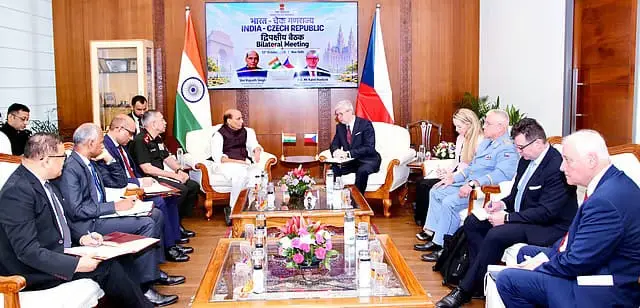
The partnership comes against the backdrop of efforts by India and the Czech Republic to strengthen defence industrial relations. The India-Czech Joint Defence Committee provides a platform for discussions on existing cooperation and potential areas for further engagement. The broader areas identified in the supplied announcement include technology sharing, joint production, research and development, and capacity building.
Company-level agreements can complement these government-level discussions by creating opportunities for businesses to work together on manufacturing and technical capabilities. The precise contribution of the VTDS–DEUS Automation arrangement to wider bilateral defence cooperation will depend on its implementation and the scale of activity that follows.
Who is involved?
VTDS is represented by Sahil Luthra, its founder and managing director, and Prikansha Luthra, its co-founder and director. DEUS Automation is represented by Alex Černý, its chief executive officer and board member, and Ondřej Černý, its manager of sales, projects and purchase.
The companies' roles in the agreement centre on combining domestic manufacturing ambitions with technology supplied by the Czech partner.
What comes next?
For India's domestic defence manufacturing ambitions, the important question is how technology partnerships translate into operational production. The outcome depends on factors such as implementation, technical integration, manufacturing capacity and the development of local expertise. The supplied announcement does not provide details on production targets, investment commitments, employment projections or a timeline for the start of manufacturing under this agreement. Those details would be needed to assess its expected industrial impact more precisely.
For now, the VTDS–DEUS Automation partnership illustrates one approach to expanding domestic defence manufacturing: working with an overseas technology provider while seeking to establish production capabilities in India. Its longer-term significance will depend on what the agreement delivers in practice.
