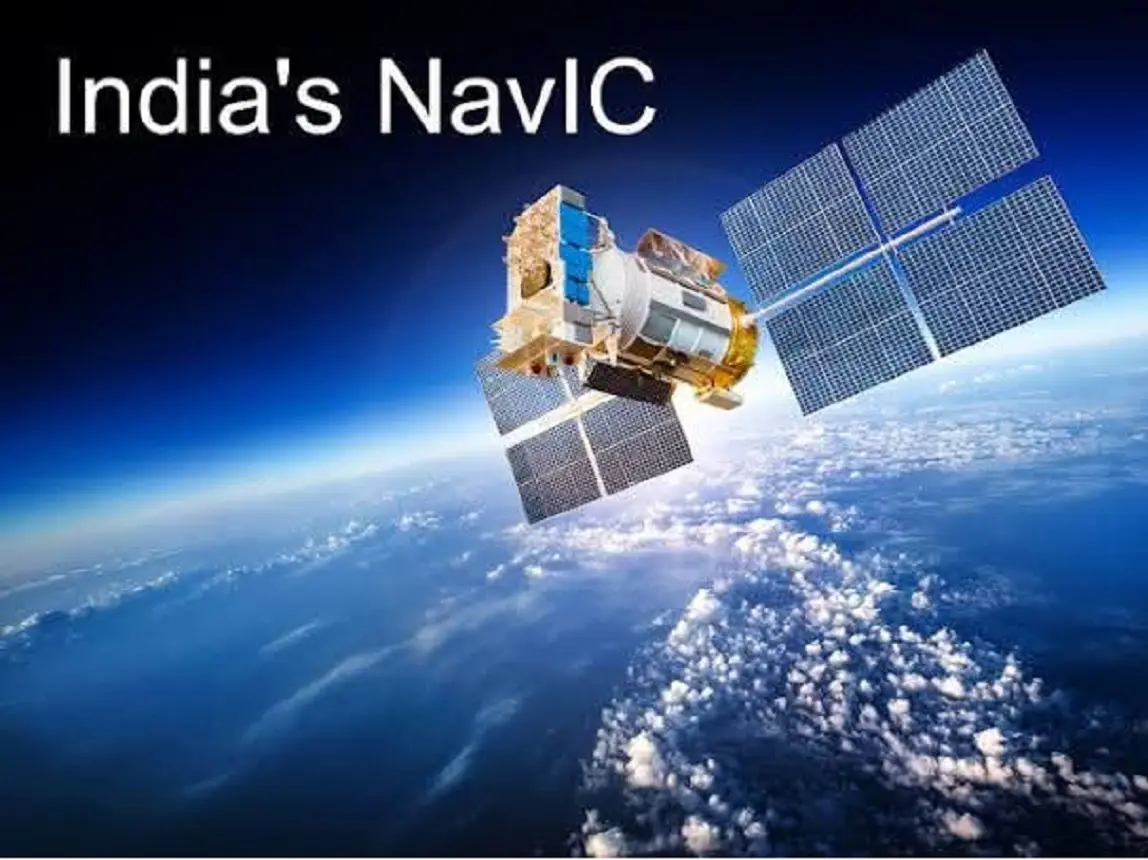
‘Someone must be held accountable for NavIC ’: Ex-IAF Chief BS Dhanoa warns India must secure its own navigation system

&imwidth=600&imheight=450&format=webp&quality=medium "‘Someone must be held accountable for NavIC ’: Ex-IAF Chief BS Dhanoa warns India must secure its own navigation system")
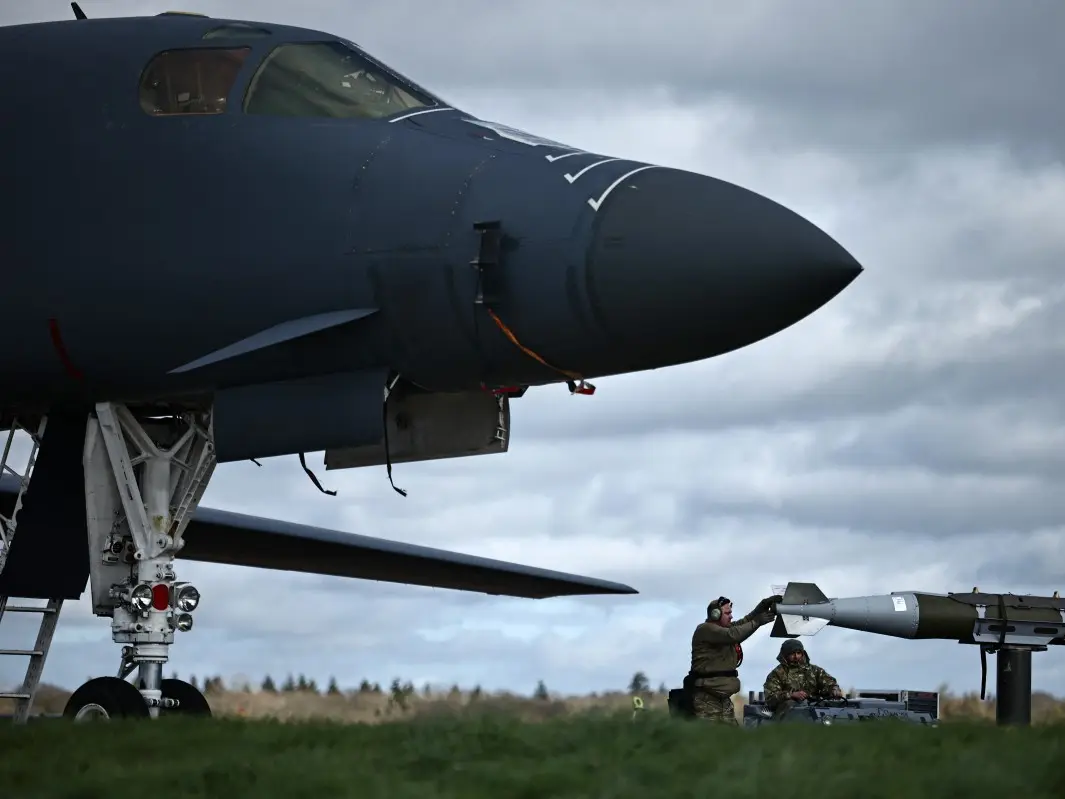
Modern aircraft possess advanced inertial navigation systems and electro-optical and infrared terminal guidance
Former Indian Air Force Chief Air Chief Marshal B.S. Dhanoa said India must urgently secure an independent navigation capability for future conflicts, but added that the absence of NavIC would not render India's precision-strike capabilities ineffective.
Former Indian Air Force Chief Air Chief Marshal B.S. Dhanoa has called for accountability over the setbacks affecting India's indigenous NavIC satellite navigation system, which is down to three satellites. He warned that India must urgently secure an independent capability for future conflicts. In an exclusive conversation on WION's Defence Pulse, Dhanoa questioned why India had been unable to sustain a navigation system designed to reduce dependence on foreign satellites.
“I think somebody should be held accountable,” Dhanoa said, referring to NavIC's atomic clocks. “If you wanted an independent Indian system and then we can't sustain it, then someone has to be answerable to it.”
However, the former Air Chief stressed that the absence of NavIC would not render India's precision-strike capabilities ineffective. Modern aircraft possess advanced inertial navigation systems and electro-optical and infrared terminal guidance. “Having our own system with us, even when the whole world turns against us, is a positive advantage,” he said.
India has overcome superior Pakistani missiles
Recalling the aerial engagement following the 2019 Balakot strikes, Dhanoa said Indian pilots had developed tactics to counter Pakistan's technologically advanced beyond-visual-range missiles. “We devised tactics for it and we defeated a far superior missile like AMRAAM,” he asserted.
Dhanoa argued that India now possesses more capable weapons, including the Meteor missile carried by Rafale fighters. He also emphasised India's numerical advantage in a wider conflict.
Trending Stories
&imwidth=280&imheight=210&format=webp&quality=medium)
&im=FitAndFill=(700,400)&imwidth=280&imheight=210&format=webp&quality=medium)
&imwidth=280&imheight=210&format=webp&quality=medium)
&imwidth=280&imheight=210&format=webp&quality=medium)
&imwidth=280&imheight=210&format=webp&quality=medium)
&imwidth=280&imheight=210&format=webp&quality=medium)
&imwidth=280&imheight=210&format=webp&quality=medium)
&imwidth=280&imheight=210&format=webp&quality=medium)
&imwidth=280&imheight=210&format=webp&quality=medium)
&imwidth=280&imheight=210&format=webp&quality=medium)
&imwidth=280&imheight=210&format=webp&quality=medium)
&imwidth=280&imheight=210&format=webp&quality=medium)
&imwidth=280&imheight=210&format=webp&quality=medium)
&imwidth=280&imheight=210&format=webp&quality=medium)
&imwidth=280&imheight=210&format=webp&quality=medium)
&imwidth=280&imheight=210&format=webp&quality=medium)
&imwidth=280&imheight=210&format=webp&quality=medium)
&im=FitAndFill=(700,400)&imwidth=280&imheight=210&format=webp&quality=medium)
&im=FitAndFill=(700,400)&imwidth=280&imheight=210&format=webp&quality=medium)
&imwidth=280&imheight=210&format=webp&quality=medium)
&imwidth=280&imheight=210&format=webp&quality=medium)
&imwidth=280&imheight=210&format=webp&quality=medium)
&imwidth=280&imheight=210&format=webp&quality=medium)
&imwidth=280&imheight=210&format=webp&quality=medium)
&imwidth=280&imheight=210&format=webp&quality=medium)
&imwidth=280&imheight=210&format=webp&quality=medium)
&imwidth=280&imheight=210&format=webp&quality=medium)
&imwidth=280&imheight=210&format=webp&quality=medium)
&im=FitAndFill=(700,400)&imwidth=280&imheight=210&format=webp&quality=medium)
&imwidth=280&imheight=210&format=webp&quality=medium)
&imwidth=280&imheight=210&format=webp&quality=medium)
&imwidth=280&imheight=210&format=webp&quality=medium)
&imwidth=280&imheight=210&format=webp&quality=medium)
&imwidth=280&imheight=210&format=webp&quality=medium)
&imwidth=280&imheight=210&format=webp&quality=medium)
“When you do a limited area, limited point conflict, then technology matters the most,” he said. However, Dhanoa argued that the balance changes considerably when operations expand across a larger theatre. “If you're fighting from Kashmir towards Kutch, then the numbers will come in,” he said, arguing that India's larger fourth-generation fighter fleet would become a decisive factor. According to the former Air Chief, Pakistan consequently prefers engagements restricted in geography and duration.
Drones cannot replace fighter aircraft
Despite the growing prominence of drones in Ukraine, Dhanoa maintained that unmanned systems cannot match the destructive power of fighter aircraft.
“A drone does not have a weapon load of any consequence,” he said, contrasting the relatively small payloads of many attack drones with the heavier weapons carried by fighters. “The only answer to counter a drone in the medium to long term is kinetic energy,” he said, calling for affordable drone interceptors and close-in defensive systems.
The toughest moment of his career
Asked about his most difficult assignment, Dhanoa moved away from technology and combat operations to recall the human cost of military service. “When you carry a coffin, that is the most difficult thing that you can do in your service career,” he said. He described the anguish of carrying the coffin of a young officer who had served under his command. He was referring to Squadron Leader Ajay Ahuja, a Vir Chakra awardee who was shot down during the 1999 Kargil War while searching for a fellow IAF pilot. Although Ahuja ejected safely, he was subsequently killed in Pakistani captivity.
For a commander who flew combat missions during Kargil and later led the IAF during Balakot, it was a reminder that the heaviest burden of military leadership is not always borne on the battlefield.

