Why Trump’s call for a 1% Federal Reserve rate could backfire on the US economy

&imwidth=600&imheight=450&format=webp&quality=medium "Why Trump’s call for a 1% Federal Reserve rate could backfire on the US economy")
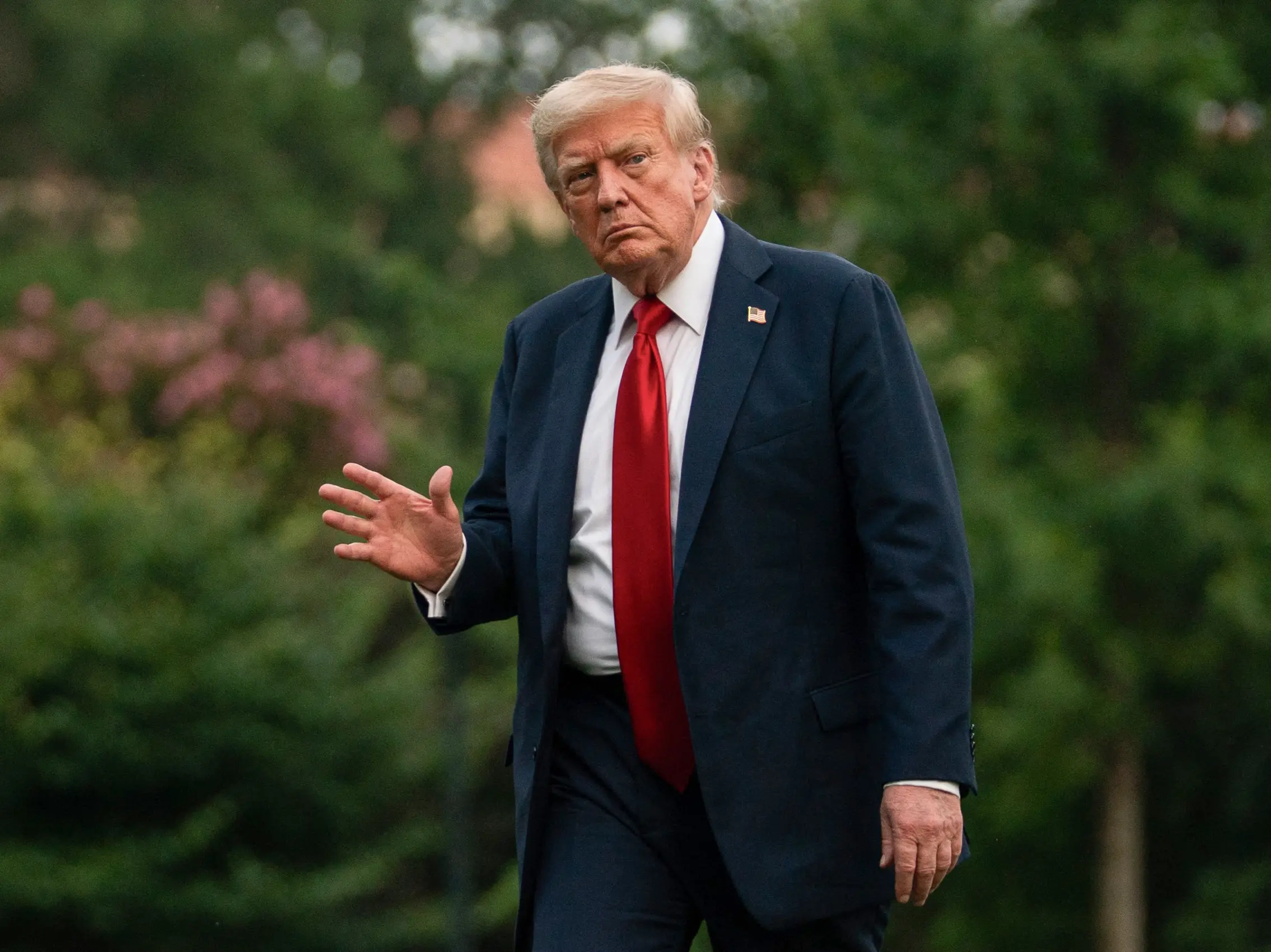
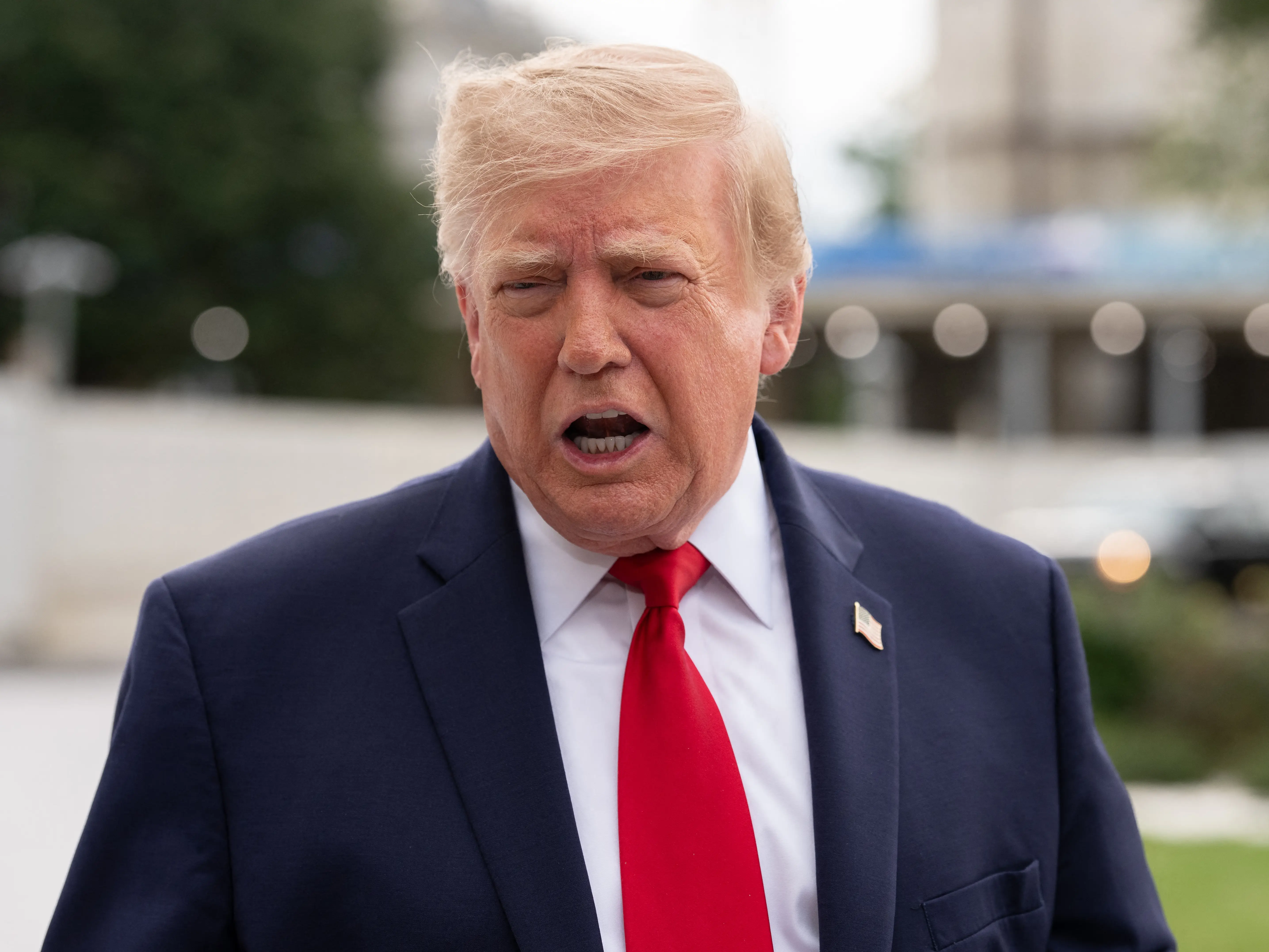
US President Donald Trump arrived in Washington. Photograph: (Reuters)
Trump’s push for 1% interest rates alarms economists, who warn it could erode Fed independence, trigger inflation, and spook Treasury markets, despite no recession in sight.
US President Donald Trump has renewed pressure on the Federal Reserve, insisting the central bank should slash its benchmark interest rate to 1 per cent. He argues such a move would cut government borrowing costs and help finance the ballooning deficits driven by his administration’s spending and tax cuts.
But economists warn this demand could spell serious trouble for the world’s largest economy. According to Reuters, Trump’s push for ultra-low rates risks undermining the Fed’s credibility, reigniting inflation and rattling investors in the $36 trillion US Treasury market, a critical source of funding for the federal government.
Crisis-era rates, but no crisis
Historically, a 1 per cent Fed policy rate has been associated with moments of genuine economic distress: the dot-com crash, the aftermath of 9/11, the 2008 global financial crisis, and the COVID-19 pandemic. None of those conditions describe the current US economy.
Unemployment is relatively low at 4.1 per cent, GDP growth is around 2 per cent, and inflation sits just above the Fed’s 2 per cent target. Gregory Daco, chief economist at EY-Parthenon, told Reuters that, “There is scope to ease from the current 4.25%-4.50% range, but nothing like the magnitude of cuts Trump envisions.”
Daco noted that slashing rates to 1 per cent could alarm markets, signalling that the Fed had bowed to political pressure rather than responding to data, risking a loss of confidence and a spike in inflation expectations.
Trending Stories
&imwidth=280&imheight=210&format=webp&quality=medium)
&imwidth=280&imheight=210&format=webp&quality=medium)
&imwidth=280&imheight=210&format=webp&quality=medium)
&imwidth=280&imheight=210&format=webp&quality=medium)
&imwidth=280&imheight=210&format=webp&quality=medium)
&imwidth=280&imheight=210&format=webp&quality=medium)
&imwidth=280&imheight=210&format=webp&quality=medium)
&imwidth=280&imheight=210&format=webp&quality=medium)
&imwidth=280&imheight=210&format=webp&quality=medium)
&imwidth=280&imheight=210&format=webp&quality=medium)
&imwidth=280&imheight=210&format=webp&quality=medium)
&imwidth=280&imheight=210&format=webp&quality=medium)
&imwidth=280&imheight=210&format=webp&quality=medium)
&imwidth=280&imheight=210&format=webp&quality=medium)
&imwidth=280&imheight=210&format=webp&quality=medium)
&imwidth=280&imheight=210&format=webp&quality=medium)
&imwidth=280&imheight=210&format=webp&quality=medium)
&imwidth=280&imheight=210&format=webp&quality=medium)
&imwidth=280&imheight=210&format=webp&quality=medium)
&imwidth=280&imheight=210&format=webp&quality=medium)
&imwidth=280&imheight=210&format=webp&quality=medium)
&imwidth=280&imheight=210&format=webp&quality=medium)
&imwidth=280&imheight=210&format=webp&quality=medium)
&imwidth=280&imheight=210&format=webp&quality=medium)
&imwidth=280&imheight=210&format=webp&quality=medium)
&imwidth=280&imheight=210&format=webp&quality=medium)
&imwidth=280&imheight=210&format=webp&quality=medium)
&imwidth=280&imheight=210&format=webp&quality=medium)
&imwidth=280&imheight=210&format=webp&quality=medium)
&im=FitAndFill=(700,400)&imwidth=280&imheight=210&format=webp&quality=medium)
&imwidth=280&imheight=210&format=webp&quality=medium)
&imwidth=280&imheight=210&format=webp&quality=medium)
&imwidth=280&imheight=210&format=webp&quality=medium)
&imwidth=280&imheight=210&format=webp&quality=medium)
The Fed’s mandate: not cheap borrowing
The Federal Reserve’s job is to maintain price stability and full employment, not to make it easier for the government to borrow. Cutting rates sharply when the economy isn’t in recession could spur demand just as new tariffs risk pushing prices higher.
Trump’s administration recently passed the “One Big Beautiful Bill Act”, which is expected to widen the budget deficit and increase government borrowing needs. As Reuters notes, larger deficits mean the Treasury will have to issue more debt, potentially pushing interest rates up – the opposite of what Trump hopes for.
Markets set the cost of borrowing
Even if the Fed lowers its overnight rate, broader borrowing costs – such as those on mortgages, corporate loans, and crucially, government bonds – depend on investor demand. Global investors weigh inflation risks, government fiscal discipline and trust in institutions when pricing US debt.
If markets perceive a 1 per cent Fed rate as politically motivated and inflationary, they could demand higher yields to compensate for the added risk. Reuters points out that when Trump threatened to fire Fed Chair Jerome Powell in 2024, Treasury yields rose – a clear signal that investors watch central bank independence closely.
A question of trust and credibility
The Fed uses rules and models to guide policy decisions, balancing inflation and growth data to set an appropriate interest rate. None of those frameworks support the kind of extreme cut Trump wants now.
Sarah House, senior economist at Wells Fargo, told Reuters such a move would risk unmooring inflation expectations at precisely the moment the central bank needs to keep them anchored.
Any sign that the Fed was being used to finance political priorities could undermine trust in US economic management and damage the dollar’s role as the world’s reserve currency.
The bottom line
Trump may see a 1 per cent interest rate as a way to fund his ambitious spending plans on the cheap, but the broader economy could pay the price in the form of higher inflation, reduced investor confidence, and long-term financial instability.
While rate cuts remain possible if the economy weakens, economists caution that a sharp, politically driven move now would be risky and irresponsible.