US strikes on Iranian nuclear sites to rattle global markets, push investors to safe havens

&imwidth=600&imheight=450&format=webp&quality=medium "US strikes on Iranian nuclear sites to rattle global markets, push investors to safe havens")
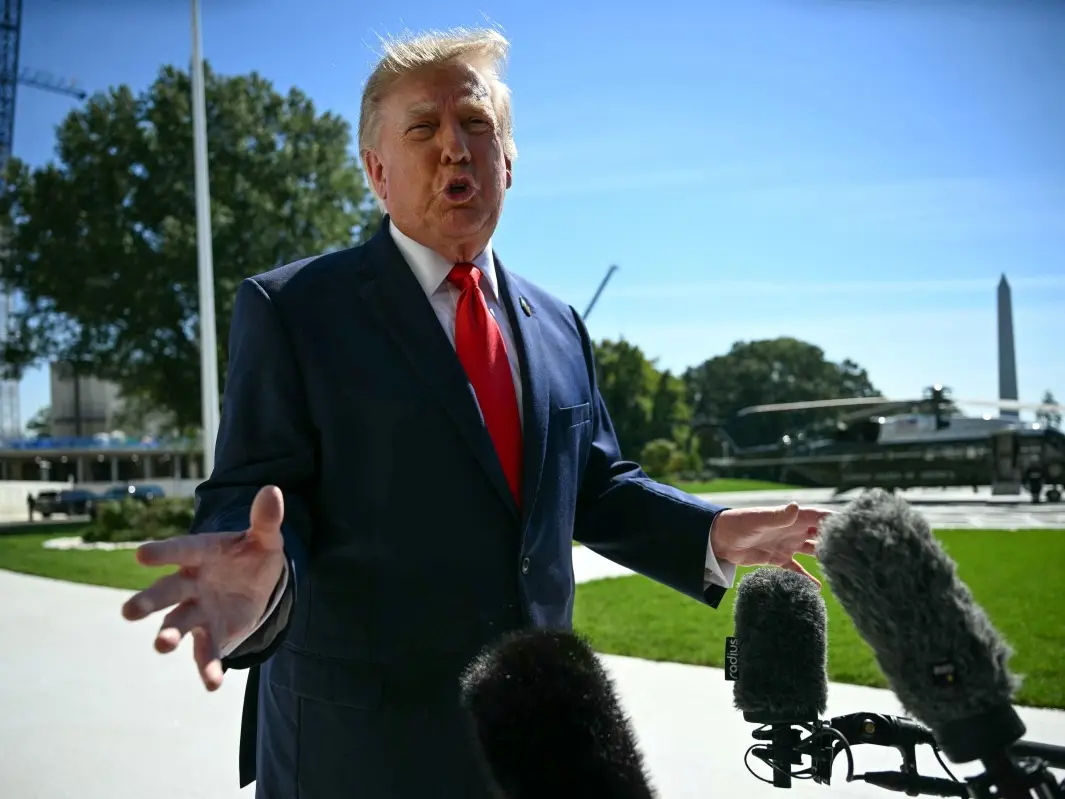
U.S. President Donald Trump talks to reporters upon his arrival at Morristown Municipal Airport in Morristown, New Jersey, U.S., June 20, 2025. Photograph: (Reuters)
The attack, announced by Donald Trump on Truth Social, marks a significant escalation in US involvement in West Asia and is expected to inject fresh volatility into global oil, equities, and commodities markets.
Global markets are bracing for turbulence after President Donald Trump announced a major US military strike on Iran on June 21, targeting key nuclear facilities in Fordow, Natanz, and Esfahan.
The attack, announced by Trump on Truth Social, marks a significant escalation in US involvement in West Asia and is expected to inject fresh volatility into global oil, equities, and commodities markets.
“All planes are now outside of Iran air space. A full payload of bombs was dropped on the primary site, Fordow,” Trump wrote, calling the mission a “very successful attack” and declaring that “now is the time for peace.”
However, investors and analysts believe peace may be a distant hope, with markets instead bracing for fallout from a deepening crisis.
Markets brace for impact
While global markets were closed for the weekend when the attack was announced, analysts warned of a potential knee-jerk reaction once trading resumes. US stock futures, oil benchmarks, and safe-haven assets like gold are all expected to be impacted.
Trending Stories
&im=FitAndFill=(700,400)&imwidth=280&imheight=210&format=webp&quality=medium)
&imwidth=280&imheight=210&format=webp&quality=medium)
&imwidth=280&imheight=210&format=webp&quality=medium)
&imwidth=280&imheight=210&format=webp&quality=medium)
&imwidth=280&imheight=210&format=webp&quality=medium)
&imwidth=280&imheight=210&format=webp&quality=medium)
&imwidth=280&imheight=210&format=webp&quality=medium)
&imwidth=280&imheight=210&format=webp&quality=medium)
&imwidth=280&imheight=210&format=webp&quality=medium)
&im=FitAndFill=(700,400)&imwidth=280&imheight=210&format=webp&quality=medium)
&imwidth=280&imheight=210&format=webp&quality=medium)
&imwidth=280&imheight=210&format=webp&quality=medium)
&imwidth=280&imheight=210&format=webp&quality=medium)
&imwidth=280&imheight=210&format=webp&quality=medium)
&imwidth=280&imheight=210&format=webp&quality=medium)
&imwidth=280&imheight=210&format=webp&quality=medium)
&imwidth=280&imheight=210&format=webp&quality=medium)
&imwidth=280&imheight=210&format=webp&quality=medium)
&imwidth=280&imheight=210&format=webp&quality=medium)
&imwidth=280&imheight=210&format=webp&quality=medium)
&imwidth=280&imheight=210&format=webp&quality=medium)
&imwidth=280&imheight=210&format=webp&quality=medium)
&imwidth=280&imheight=210&format=webp&quality=medium)
&imwidth=280&imheight=210&format=webp&quality=medium)
&imwidth=280&imheight=210&format=webp&quality=medium)
&imwidth=280&imheight=210&format=webp&quality=medium)
&im=FitAndFill=(700,400)&imwidth=280&imheight=210&format=webp&quality=medium)
&imwidth=280&imheight=210&format=webp&quality=medium)
&imwidth=280&imheight=210&format=webp&quality=medium)
&imwidth=280&imheight=210&format=webp&quality=medium)
&imwidth=280&imheight=210&format=webp&quality=medium)
&imwidth=280&imheight=210&format=webp&quality=medium)
&imwidth=280&imheight=210&format=webp&quality=medium)
&imwidth=280&imheight=210&format=webp&quality=medium)
&imwidth=280&imheight=210&format=webp&quality=medium)
&imwidth=280&imheight=210&format=webp&quality=medium)
&imwidth=280&imheight=210&format=webp&quality=medium)
“I think the markets are going to be initially alarmed, and I think oil will open higher,” Mark Spindel, chief investment officer at Potomac River Capital, told Reuters. “This is going to raise uncertainty and volatility, particularly in oil.”
Jamie Cox of Harris Financial Group told Reuters that while the initial reaction may be sharp, markets may stabilise if Iran pursues a peaceful resolution. “They’ve lost all of their leverage and will likely hit the escape button on a peace deal,” Cox said, referencing the apparent destruction of Iran’s nuclear infrastructure.
Oil prices surge amid supply fears
The most immediate market impact is expected to be on oil. Brent crude futures have already surged 18 per cent since June 13, and the recent developments are likely to add further momentum.
Analysts at Oxford Economics had recently warned that if the conflict disrupts the Strait of Hormuz, a key oil chokepoint, prices could skyrocket to $130 per barrel. That scenario could drive US inflation close to 6 per cent by year’s end.
While Iran exports just 1.6 million barrels of oil per day, the real risk lies in the potential for Tehran to retaliate by blockading the Strait of Hormuz, through which a third of the world’s seaborne oil flows, and even a temporary closure of the strait would send shockwaves through global energy markets.
However, analysts also noted that OPEC, particularly Saudi Arabia, has the capacity to cushion the blow. Saudi spare production capacity exceeds 3 million barrels per day, and OPEC has already ramped up supply in anticipation of potential disruptions.
Gold and dollar to benefit from safety bid
In times of geopolitical stress, investors tend to flock to traditional safe havens such as gold and the US dollar. Both assets are expected to benefit from the rising tensions.
Gold, which had been trading steadily before the strike, could now see a strong rally as risk aversion climbs. The US dollar, which has stumbled in recent months amid economic uncertainty and interest rate concerns, may see short-term strength as global investors seek shelter.
Equity markets may falter, but history suggests rebound
Although equities are likely to sell off initially, historical patterns suggest the pullback could be short-lived. Data from previous West Asian conflicts, including the 2003 Iraq invasion and the 2019 Saudi oil facility attacks, shows that markets often recover within months.
“The S&P 500 may initially fall, but history shows that it tends to be higher two months after these kinds of events,” analysts from Wedbush Securities told Reuters.
Still, with Israel signalling that its operations will continue and Iran warning of “irreparable damage” in response to US military actions, the situation remains highly fluid.
But it is not just the equity markets that are expected to take a hit, cryptocurrencies that have been soaring recently are also expected to feel the jitters of the attack.
Whether the situation spirals into a wider war or stabilises through diplomacy remains to be seen. Trump’s move follows months of failed negotiations with Tehran and mounting tensions over Iran’s nuclear ambitions. While the president called for peace, the attack may have closed off diplomatic options.
As markets reopen, all eyes will be on Iran’s next move and the world’s response.