US-sanctioned Russian LNG tankers head to Asia amid Ukraine peace talks

&imwidth=600&imheight=450&format=webp&quality=medium "US-sanctioned Russian LNG tankers head to Asia amid Ukraine peace talks")
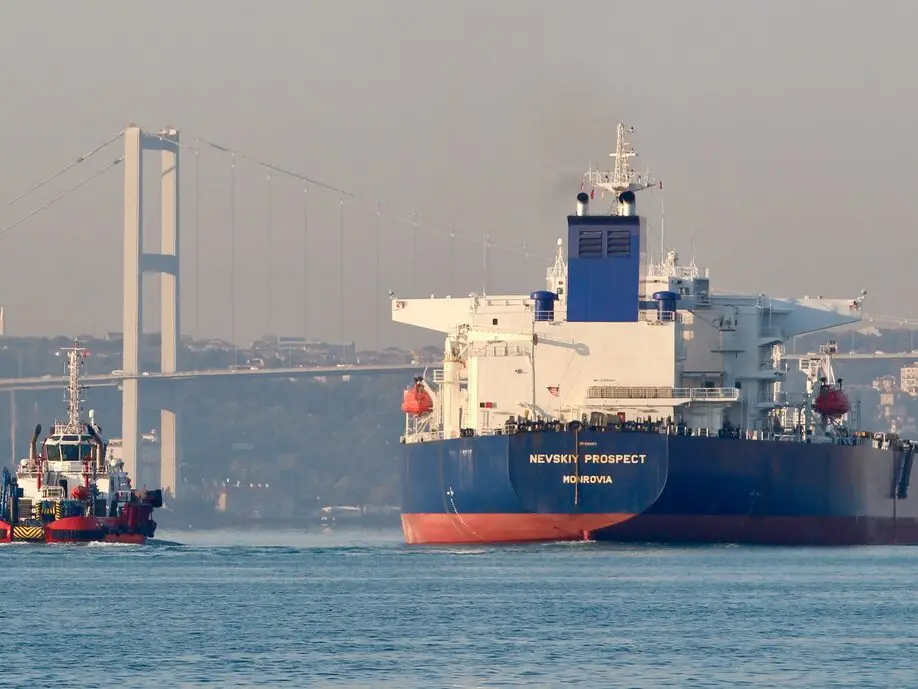
Crude oil tanker Nevskiy Prospect, owned by Russia's leading tanker group Sovcomflot, transits the Bosphorus in Istanbul, Turkey . Photograph: (Reuters)
Russian Arctic LNG tankers head for Asia, testing US sanctions and global gas markets.
A fleet of Russian liquefied natural gas (LNG) tankers has set sail for Asia from a US-sanctioned Arctic facility, raising questions over how far Washington will go in enforcing its restrictions while pushing for a peace deal in Ukraine. According to Bloomberg, ship-tracking data shows that at least four LNG vessels have departed from the Arctic LNG 2 project in Siberia, operated by Novatek PJSC. Two of these ships, the Iris and the Voskhod began their journey towards North Asia via the Northern Sea Route on August 15 after being idle for weeks. Two other tankers also left the sanctioned terminal last week.
Arctic LNG 2: Russia’s strategic energy pivot
The Arctic LNG 2 plant is central to Moscow’s ambition of tripling LNG exports by 2030, as it seeks new markets following the collapse of pipeline sales to Europe. The project, sanctioned by the Biden administration in 2023, was forced to halt exports last October due to a lack of buyers and seasonal ice buildup.
Bloomberg reports that the plant resumed loading cargoes in June this year, but so far none of the shipments have been received at an import terminal. The four vessels currently sailing may test Asian demand, though it remains uncertain whether they will secure buyers.
Industry observers note that Russia has marshalled a “shadow fleet” of about a dozen ships, some specially equipped for icy waters, to move LNG from the Arctic facility. Several of these tankers have switched management companies multiple times, a strategy aimed at concealing ultimate ownership and avoiding sanctions scrutiny.
Geopolitics clouds energy flows
Trending Stories
&im=FitAndFill=(700,400)&imwidth=280&imheight=210&format=webp&quality=medium)
&imwidth=280&imheight=210&format=webp&quality=medium)
&imwidth=280&imheight=210&format=webp&quality=medium)
&imwidth=280&imheight=210&format=webp&quality=medium)
&imwidth=280&imheight=210&format=webp&quality=medium)
&imwidth=280&imheight=210&format=webp&quality=medium)
&imwidth=280&imheight=210&format=webp&quality=medium)
&imwidth=280&imheight=210&format=webp&quality=medium)
&imwidth=280&imheight=210&format=webp&quality=medium)
&imwidth=280&imheight=210&format=webp&quality=medium)
&imwidth=280&imheight=210&format=webp&quality=medium)
&imwidth=280&imheight=210&format=webp&quality=medium)
&imwidth=280&imheight=210&format=webp&quality=medium)
&imwidth=280&imheight=210&format=webp&quality=medium)
&imwidth=280&imheight=210&format=webp&quality=medium)
&imwidth=280&imheight=210&format=webp&quality=medium)
&imwidth=280&imheight=210&format=webp&quality=medium)
&imwidth=280&imheight=210&format=webp&quality=medium)
&im=FitAndFill=(700,400)&imwidth=280&imheight=210&format=webp&quality=medium)
&imwidth=280&imheight=210&format=webp&quality=medium)
&imwidth=280&imheight=210&format=webp&quality=medium)
&imwidth=280&imheight=210&format=webp&quality=medium)
&imwidth=280&imheight=210&format=webp&quality=medium)
&imwidth=280&imheight=210&format=webp&quality=medium)
&imwidth=280&imheight=210&format=webp&quality=medium)
&imwidth=280&imheight=210&format=webp&quality=medium)
&imwidth=280&imheight=210&format=webp&quality=medium)
&im=FitAndFill=(700,400)&imwidth=280&imheight=210&format=webp&quality=medium)
&imwidth=280&imheight=210&format=webp&quality=medium)
&imwidth=280&imheight=210&format=webp&quality=medium)
&imwidth=280&imheight=210&format=webp&quality=medium)
&imwidth=280&imheight=210&format=webp&quality=medium)
The renewed activity comes at a delicate moment in international diplomacy. US President Donald Trump met Russian President Vladimir Putin in Alaska last week, describing the talks as “extremely productive.” Trump has so far held back from tightening sanctions on countries buying Russian energy, including China, as Washington seeks to push forward ceasefire negotiations with Ukraine.
This calibrated approach means Russian LNG continues to move, albeit cautiously through grey market channels. Asian buyers, especially in China and India, may be tempted by discounted cargoes, though the risk of secondary sanctions remains a looming deterrent.
What it means for global gas markets?
The Arctic LNG 2 shipments underline how energy trade remains a powerful lever in the Ukraine conflict. If the tankers manage to unload in Asia, Moscow will see it as a victory in diversifying away from
European dependence. But if buyers hesitate, it could expose the limitations of Russia’s strategy.
Either way, the voyages place Washington in a difficult spot, caught between enforcing sanctions strictly and leaving room for diplomacy in its push for a peace deal.
(With inputs from the agencies)