U.S. mulls ban on Chinese connected vehicles amid national security fears


U.S. mulls ban on Chinese connected vehicles amid national security fears
The US Commerce Secretary, Gina Raimondo, hinted at enforcing extreme measures such as a ban or strict rules against Chinese connected vehicles amid national security concerns. Thismove follows a national security investigation, which the Biden administration initiated earlier this year.
National security probe
While the U.S. Department of Commerce is reviewing public findings submitted by April 30, this investigation has also been initially conducted by the department into possible security violation threats posed by vehicle imports from China. Raimondo emphasised the need to analyse the data thoroughly before determining the appropriate action.

Potential actions
Raimondo mentioned that such an action as banning Chinese connected vehicles in the U.S. might be taken; however, the administration could also consider measures like requirements or safeguards that are designed to fix the situation from the security point of view.
Also Read:Lyft estimates positive earnings as ride-hailing demand rises
&imwidth=180&imheight=135&format=webp&quality=medium)
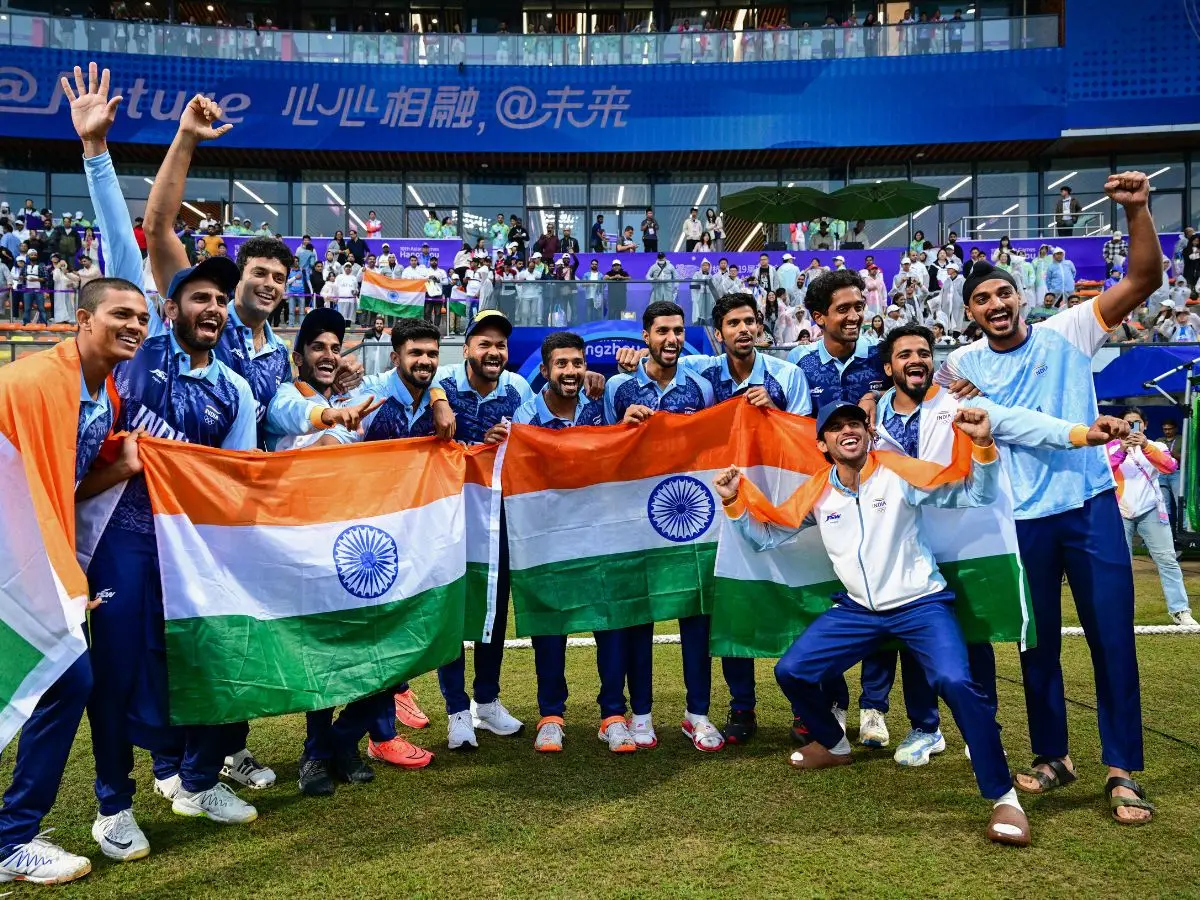
Asian Games 2026: India face Afghanistan in quarterfinal on Sep 28; Pakistan clash with Hong Kong
&imwidth=180&imheight=135&format=webp&quality=medium)
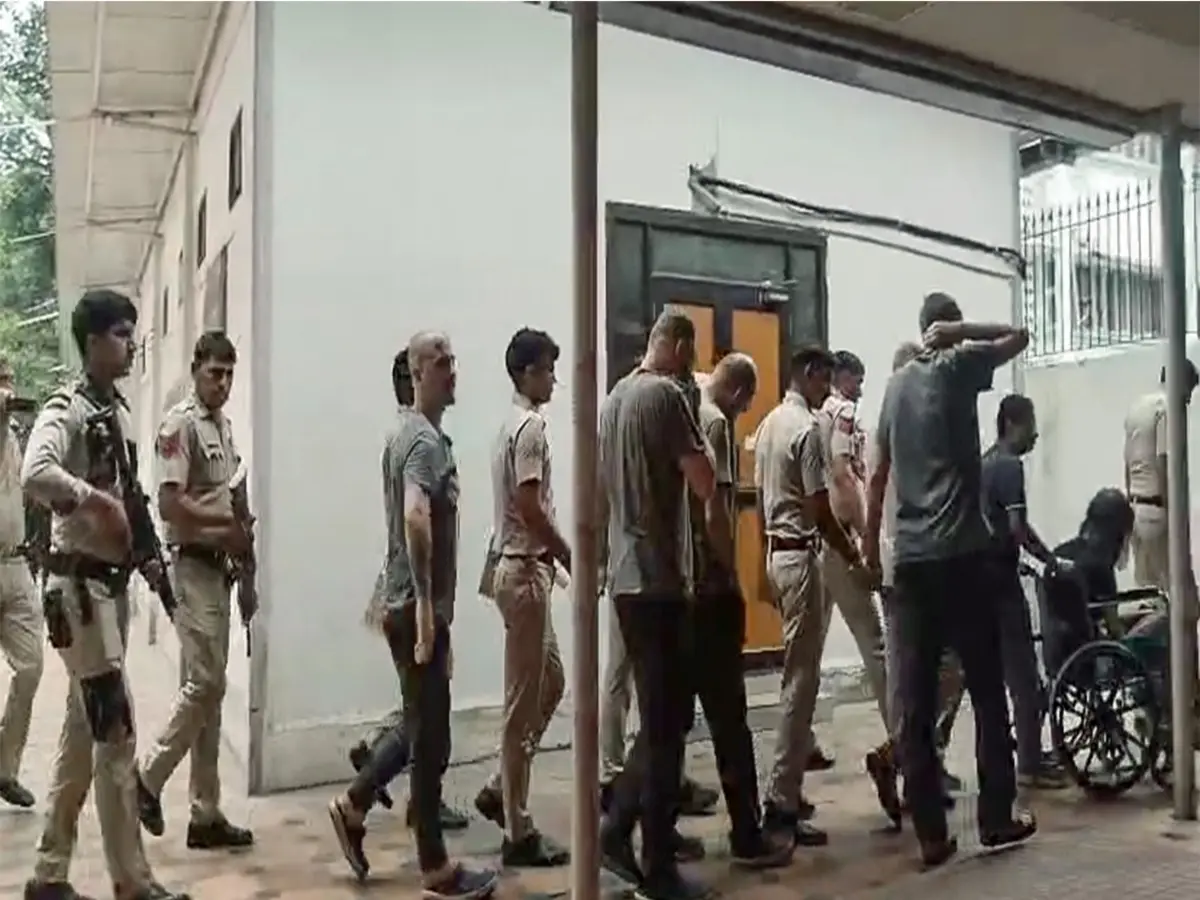
Myanmar training camp case: US national, 6 Ukrainians allowed to meet their families abroad
&imwidth=180&imheight=135&format=webp&quality=medium)
Bigg Boss 20: Salman Khan schools Rhiti Tiwari over Qazi Touqeer clash, compares her to Dolly Bindra
&imwidth=180&imheight=135&format=webp&quality=medium)
Mushtaq Khan dies at 56: When Welcome actor opened up about his salary for iconic role Ballu
&imwidth=180&imheight=135&format=webp&quality=medium)
LPU students go on rampage, vandalise campus amid widespread protest: What's happening
&imwidth=180&imheight=135&format=webp&quality=medium)
'FIRST LOOK from inside Noah’s Ark': Researchers share video from inside mysterious mound in Turkey
&imwidth=180&imheight=135&format=webp&quality=medium)
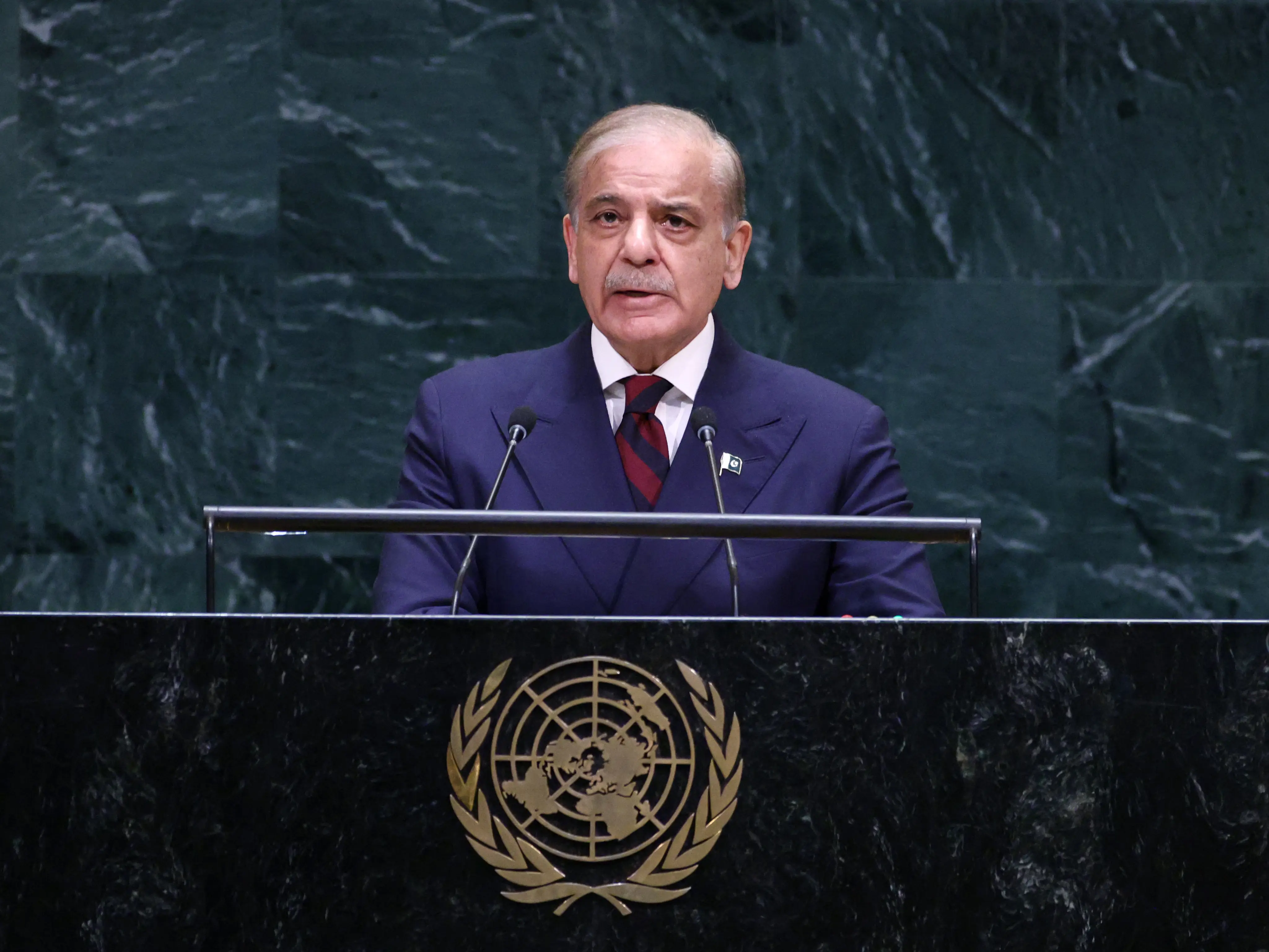
‘Attack on Mecca a red line for Pakistan’: Shehbaz Sharif warns Houthis at UN
&imwidth=180&imheight=135&format=webp&quality=medium)
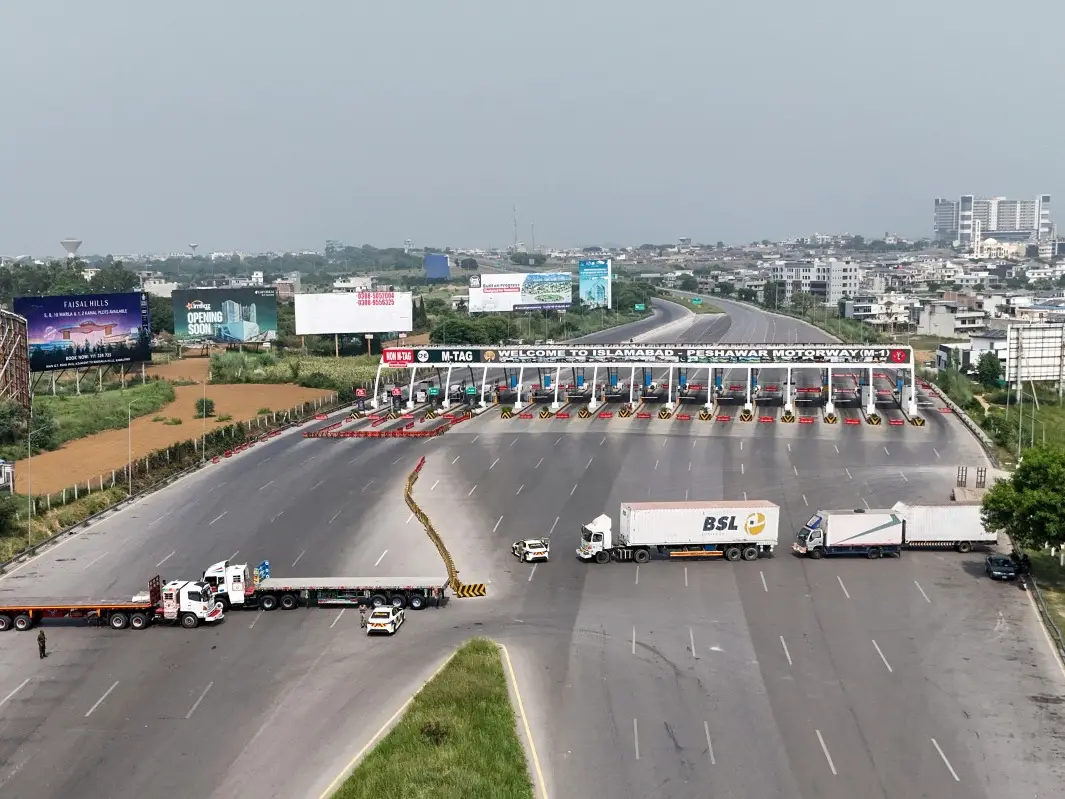
Pakistan deploys over 20,000 security personnel as PTI vows march for Imran Khan's release
&imwidth=180&imheight=135&format=webp&quality=medium)
OpenAI AI Agents hacked 4 websites before Hugging Face, researchers reveal
&imwidth=180&imheight=135&format=webp&quality=medium)
'A terrorist country is asking me that question?': Jaishankar hits back at Pakistani journalist at UN; flags attacks on commercial shipping
&imwidth=180&imheight=135&format=webp&quality=medium)
Trump-Xi summit wrap: Big pageantry, Iran talks, few major developments and more meetings planned
&imwidth=180&imheight=135&format=webp&quality=medium)
Did Hitler kill his niece Geli Raubal? Newly found records reopen a 95-year-old mystery
&imwidth=180&imheight=135&format=webp&quality=medium)
Hawaii braces for Hurricane Nolo: NOAA warns of flash flooding and mudslides
&imwidth=180&imheight=135&format=webp&quality=medium)
'What kind of confession is this?': Pakistan PM Shehbaz Sharif’s 'terrorists would be roaming New York' remark goes viral, raises alarm online. Watch
&imwidth=180&imheight=135&format=webp&quality=medium)
US-Iran war: Trump rejects Iran's Hormuz proposal, reports suggest talks expected next week
&imwidth=180&imheight=135&format=webp&quality=medium)
Bollywood x K-pop crossover! LE SSERAFIM’s Kazuha charms fans with Shah Rukh Khan’s ‘Chammak Challo’ steps
&imwidth=180&imheight=135&format=webp&quality=medium)
Gaza's war turned environmental damage into second crisis
&imwidth=180&imheight=135&format=webp&quality=medium)
‘Serial practitioner of terrorism’: Jaishankar calls out Pakistan’s ‘state-sponsored’ terror at UNGA
&imwidth=180&imheight=135&format=webp&quality=medium)
‘It is all possible’: Putin weighs next steps on Ukraine talks, rules out Europe conflict
&imwidth=180&imheight=135&format=webp&quality=medium)
Prince Harry offers rare glimpse into Archie and Lilibet’s life after UK move
&imwidth=180&imheight=135&format=webp&quality=medium)
Nigeria Navy moves to boost oil security, tackle crude theft and infrastructure threats
&imwidth=180&imheight=135&format=webp&quality=medium)
Donald Trump shares image of Xi's arrival in Washington, carries signs of AI
&imwidth=180&imheight=135&format=webp&quality=medium)
Pentagon quietly adds 37 wounded troops to Iran war tally without explaining when or how
&imwidth=180&imheight=135&format=webp&quality=medium)
US court backs Pentagon's decision to exclude Anthropic over Claude AI restrictions
&imwidth=180&imheight=135&format=webp&quality=medium)
US Supreme Court backs Trump administration's use of SAVE database to check voter citizenship
&imwidth=180&imheight=135&format=webp&quality=medium)
‘Could kill billions...’: Bill Gates backs calls to slow AI development amid fears of catastrophe
&imwidth=180&imheight=135&format=webp&quality=medium)
'Countries far from conflict are penalised': Jaishankar calls for Gulf peace, seafarer safety at UN
&imwidth=180&imheight=135&format=webp&quality=medium)
WATCH | As Shehbaz Sharif claims Pakistan’s ‘victory’ during 2025 conflict, Indian diplomat R Srinivas laughs at UN
&imwidth=180&imheight=135&format=webp&quality=medium)
Outrage erupts after 3-year-old is married to 60-year-old man in Pakistan, link to her sister's murder being probed
&im=FitAndFill=(700,400)&imwidth=180&imheight=135&format=webp&quality=medium)
New Friday OTT releases (September 25, 2026): Don’t Be Shy, Hunkkaar: The Roar, Mango Pachcha- 6 movies and TV shows on Netflix, Prime Video and more
&imwidth=180&imheight=135&format=webp&quality=medium)
Global community 'absent' in Gulf crisis: Saudi at UN calls for freedom of navigation, pre war status for Hormuz
&imwidth=180&imheight=135&format=webp&quality=medium)
Farhan, who went viral for AK47 celebration vs India in Asia Cup, hopes to lead Pakistan beyond Asian Games
&imwidth=180&imheight=135&format=webp&quality=medium)
‘I rejected it’: Trump confirms turning down Iran’s proposal to reopen Hormuz, claims Tehran is losing ‘badly’
&imwidth=180&imheight=135&format=webp&quality=medium)
Russia will achieve Ukraine war aims; Europe doing everything to block peace talks: Lavrov at UN
Data collection concerns
The White House started the Commerce probe because of its worries about vehicles of Chinese origin collecting vast amounts of data on drivers and passengers. Raimondo also expressed the same apprehension pointing to the fact that the Chinese connected cars might be collecting much data about the Americans' activity.
President Biden's stance
President Biden expressed that he would try to restrain the growth of the imports of Chinese vehicles into the Unites States. However, it's noted that there are relatively few Chinese-made light-duty vehicles imported into the country at present.
Automakers' challenges
Automakers have raised concerns about the difficulty of overhauling their technology systems to address national security worries. They emphasised the extensive pre-production engineering and testing processes involved in vehicle systems, making it challenging to swap components from different suppliers.
Industry response
The Alliance for Automotive Innovation, representing major automakers, highlighted the industry's commitment to developing frameworks for information and communications technology in connected vehicles to mitigate risks associated with Chinese-designed systems.
International perspectives
South Korea's automotive industry expressed concerns about the broad scope of the investigation and its potential impact on the industry. Meanwhile, U.S. Senator Sherrod Brown urged Commerce to ban all Chinese internet-connected vehicles and smart vehicle technology.
Chinese response
Chinese foreign ministry responded to the criticism by praising Chinese cars as products resulted from market competition and technology innovation, instead of unfair methods.
In November, the bipartisan U. S. lawmakers jumped into the fray and expressed alarm over Chinese companies collecting sensitive data while testing autonomous vehicles in the United States which only gave more ammunition to the American national security concerns.
The U.S. administration's consideration of extreme measures against Chinese connected vehicles underscores the growing concerns surrounding data security and national sovereignty. As the investigation progresses, stakeholders await the administration's decision on potential actions to mitigate these risks.
(Inputs from Reuters)