
&imwidth=800&imheight=600&format=webp&quality=medium "US markets dive as weak jobs data and new tariffs trigger sell-off")
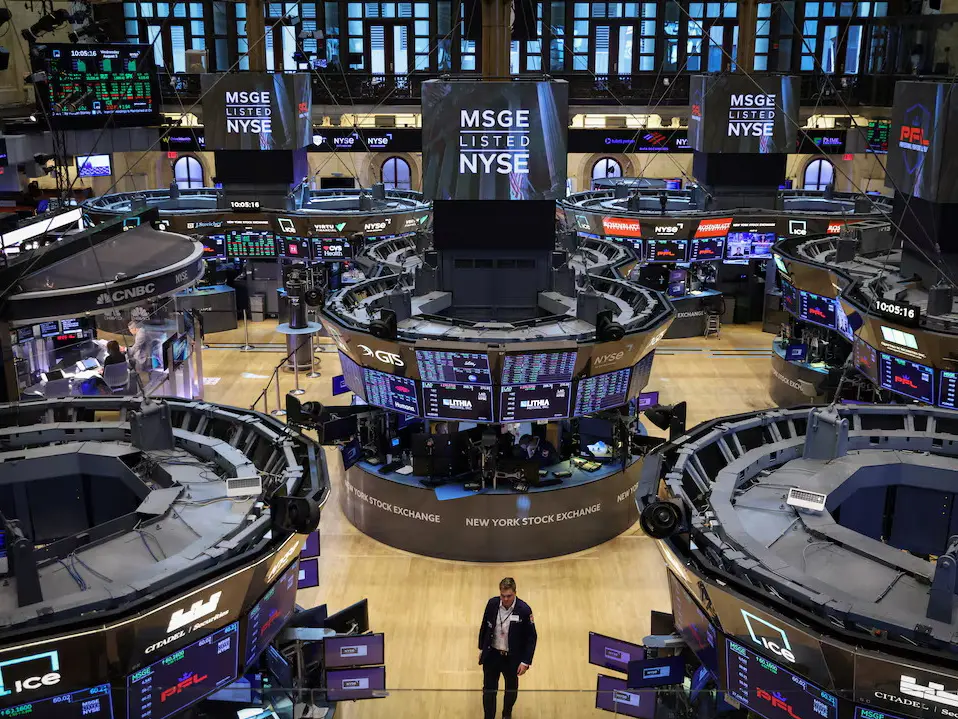
US stock markets experienced a steep decline on August 1, driven by disappointing jobs data, a rising threat of tariffs, and concerns over a potential economic slowdown. The Dow Jones Industrial Average lost 542.40 points, or 1.23 per cent, closing at 43,588.58. The S&P 500 dropped by 1.60 per cent, finishing at 6,238.01, while the Nasdaq Composite saw the largest slide, shedding 2.24 per cent to close at 20,650.13. The sell-off also spilled over to small-cap stocks, with the Russell 2000 index tumbling 2.08 per cent, amplifying the market’s downward momentum.
The latest data from the US Labor Department revealed that nonfarm payrolls grew by just 73,000 in July, significantly below the 100,000 forecast by economists. The report also showed downward revisions for the previous two months, with June’s job growth revised to a mere 14,000 from an earlier estimate of 147,000, and May’s numbers also revised sharply lower. These weak employment figures raised concerns about the strength of the labour market, which had previously been seen as a pillar of economic stability.
Tariff concerns weigh on market sentiment

Further adding to investor jitters, US President Donald Trump announced a new wave of tariffs that will affect 66 countries, including major trade partners like Canada and the European Union. These tariffs, which range from 10 per cent to 41 per cent, are expected to exacerbate inflationary pressures and dampen global trade. The announcement further undermined investor confidence, as concerns over the economic impact of such tariffs compounded the negative sentiment sparked by the weak jobs report.
The new duties, effective from August 7, come at a time when the global economy is already grappling with inflationary pressures and slowdowns in key sectors. In particular, Canada, one of the US’s largest trading partners, will now face a 35 per cent tariff, up from the previous 25 per cent. Markets reacted with unease, with investors scrambling to adjust their portfolios in anticipation of these new trade barriers.
Federal Reserve faces tough decisions amid economic uncertainty
Trending Stories
&imwidth=280&imheight=210&format=webp&quality=medium)
Asian Games 2026: India face Afghanistan in quarterfinal on Sep 28; Pakistan clash with Hong Kong
&imwidth=280&imheight=210&format=webp&quality=medium)
Myanmar training camp case: US national, 6 Ukrainians allowed to meet their families abroad
&imwidth=280&imheight=210&format=webp&quality=medium)
Bigg Boss 20: Salman Khan schools Rhiti Tiwari over Qazi Touqeer clash, compares her to Dolly Bindra
&imwidth=280&imheight=210&format=webp&quality=medium)
Mushtaq Khan dies at 56: When Welcome actor opened up about his salary for iconic role Ballu
&imwidth=280&imheight=210&format=webp&quality=medium)
LPU students go on rampage, vandalise campus amid widespread protest: What's happening
&imwidth=280&imheight=210&format=webp&quality=medium)
'FIRST LOOK from inside Noah’s Ark': Researchers share video from inside mysterious mound in Turkey
&imwidth=280&imheight=210&format=webp&quality=medium)
‘Attack on Mecca a red line for Pakistan’: Shehbaz Sharif warns Houthis at UN
&imwidth=280&imheight=210&format=webp&quality=medium)
Pakistan deploys over 20,000 security personnel as PTI vows march for Imran Khan's release
&imwidth=280&imheight=210&format=webp&quality=medium)
OpenAI AI Agents hacked 4 websites before Hugging Face, researchers reveal
&imwidth=280&imheight=210&format=webp&quality=medium)
'A terrorist country is asking me that question?': Jaishankar hits back at Pakistani journalist at UN; flags attacks on commercial shipping
&imwidth=280&imheight=210&format=webp&quality=medium)
Trump-Xi summit wrap: Big pageantry, Iran talks, few major developments and more meetings planned
&imwidth=280&imheight=210&format=webp&quality=medium)
Did Hitler kill his niece Geli Raubal? Newly found records reopen a 95-year-old mystery
&imwidth=280&imheight=210&format=webp&quality=medium)
Hawaii braces for Hurricane Nolo: NOAA warns of flash flooding and mudslides
&imwidth=280&imheight=210&format=webp&quality=medium)
'What kind of confession is this?': Pakistan PM Shehbaz Sharif’s 'terrorists would be roaming New York' remark goes viral, raises alarm online. Watch
&imwidth=280&imheight=210&format=webp&quality=medium)
US-Iran war: Trump rejects Iran's Hormuz proposal, reports suggest talks expected next week
&imwidth=280&imheight=210&format=webp&quality=medium)
Bollywood x K-pop crossover! LE SSERAFIM’s Kazuha charms fans with Shah Rukh Khan’s ‘Chammak Challo’ steps
&imwidth=280&imheight=210&format=webp&quality=medium)
Gaza's war turned environmental damage into second crisis
&imwidth=280&imheight=210&format=webp&quality=medium)
‘Serial practitioner of terrorism’: Jaishankar calls out Pakistan’s ‘state-sponsored’ terror at UNGA
&imwidth=280&imheight=210&format=webp&quality=medium)
‘It is all possible’: Putin weighs next steps on Ukraine talks, rules out Europe conflict
&imwidth=280&imheight=210&format=webp&quality=medium)
Prince Harry offers rare glimpse into Archie and Lilibet’s life after UK move
&imwidth=280&imheight=210&format=webp&quality=medium)
Nigeria Navy moves to boost oil security, tackle crude theft and infrastructure threats
&imwidth=280&imheight=210&format=webp&quality=medium)
Donald Trump shares image of Xi's arrival in Washington, carries signs of AI
&imwidth=280&imheight=210&format=webp&quality=medium)
Pentagon quietly adds 37 wounded troops to Iran war tally without explaining when or how
&imwidth=280&imheight=210&format=webp&quality=medium)
US court backs Pentagon's decision to exclude Anthropic over Claude AI restrictions
&imwidth=280&imheight=210&format=webp&quality=medium)
US Supreme Court backs Trump administration's use of SAVE database to check voter citizenship
&imwidth=280&imheight=210&format=webp&quality=medium)
‘Could kill billions...’: Bill Gates backs calls to slow AI development amid fears of catastrophe
&imwidth=280&imheight=210&format=webp&quality=medium)
'Countries far from conflict are penalised': Jaishankar calls for Gulf peace, seafarer safety at UN
&imwidth=280&imheight=210&format=webp&quality=medium)
WATCH | As Shehbaz Sharif claims Pakistan’s ‘victory’ during 2025 conflict, Indian diplomat R Srinivas laughs at UN
&imwidth=280&imheight=210&format=webp&quality=medium)
Outrage erupts after 3-year-old is married to 60-year-old man in Pakistan, link to her sister's murder being probed
&im=FitAndFill=(700,400)&imwidth=280&imheight=210&format=webp&quality=medium)
New Friday OTT releases (September 25, 2026): Don’t Be Shy, Hunkkaar: The Roar, Mango Pachcha- 6 movies and TV shows on Netflix, Prime Video and more
&imwidth=280&imheight=210&format=webp&quality=medium)
Global community 'absent' in Gulf crisis: Saudi at UN calls for freedom of navigation, pre war status for Hormuz
&imwidth=280&imheight=210&format=webp&quality=medium)
Farhan, who went viral for AK47 celebration vs India in Asia Cup, hopes to lead Pakistan beyond Asian Games
&imwidth=280&imheight=210&format=webp&quality=medium)
‘I rejected it’: Trump confirms turning down Iran’s proposal to reopen Hormuz, claims Tehran is losing ‘badly’
&imwidth=280&imheight=210&format=webp&quality=medium)
Russia will achieve Ukraine war aims; Europe doing everything to block peace talks: Lavrov at UN
The combination of weak jobs data and escalating tariff concerns has raised the likelihood of the Federal Reserve acting sooner than expected to cut interest rates in an effort to stimulate the economy. Futures markets now price in an 86 per cent chance of a rate cut in September, up from much lower expectations earlier in the week. This sharp shift in market sentiment followed comments from the Fed signalling that it might hold off on rate cuts, despite economic pressures.
Treasuries also saw increased demand as investors sought safer assets, pushing US Treasury yields lower. The yield on two-year notes, a closely watched indicator of interest rate expectations, plunged by 22 basis points to 3.74 per cent. Meanwhile, the dollar weakened against major currencies, with the dollar index falling 1.37 per cent, signalling growing concerns over the US economic outlook.
With trade uncertainty on the rise and economic indicators flashing warning signs, investors are increasingly worried that the US may be heading toward a recession. As market volatility increases, both corporate earnings and broader economic activity are likely to be scrutinised in the coming weeks, with the Federal Reserve facing tough decisions on how to respond to a cooling labour market and rising inflationary pressures.
(With inputs from agencies)