UK job market shows signs of easing as vacancies and payrolls fall

&imwidth=600&imheight=450&format=webp&quality=medium "UK job market shows signs of easing as vacancies and payrolls fall")
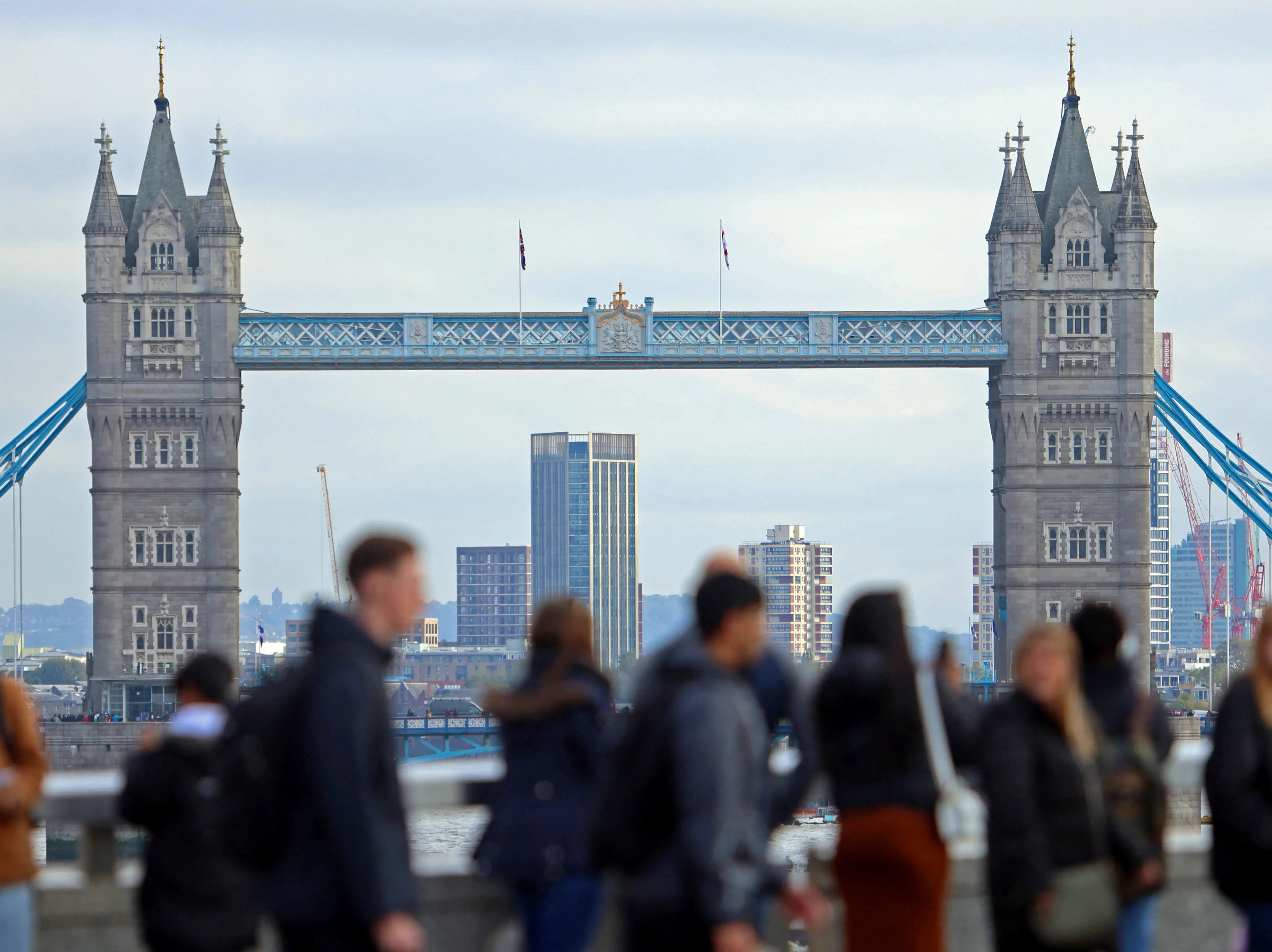
People walk over London Bridge looking at a view of Tower Bridge in the City of London financial district in London, Britain Photograph: (Reuters)
Economists had anticipated a larger drop of 20,000. The unemployment rate remained steady at 4.7 per cent, a four-year high, while job vacancies across the economy dropped by 44,000, marking the 37th consecutive month of decline.
The UK job market continues to cool, with recent figures showing a slowdown in hiring and wage growth, suggesting the impact of higher business taxes and the National Living Wage increase is beginning to settle. The Office for National Statistics (ONS) revealed that the number of people on payrolls fell by 8,000 between June and July, the smallest decline since January. Economists had anticipated a larger drop of 20,000. The unemployment rate remained steady at 4.7 per cent, a four-year high, while job vacancies across the economy dropped by 44,000, marking the 37th consecutive month of decline.
Higher employment costs, slower wage growth
The cooling labour market followed significant changes in April, when the government raised payroll taxes for businesses and increased the national living wage from £11.44 ($15.39) to £12.21 ($16.42) per hour. These moves, alongside a rise in employer national insurance contributions, have increased operational costs for businesses, particularly in sectors such as retail and hospitality. While overall wage growth remained steady at 5 per cent, the rate of growth in private sector wages slowed to 4.8 per cent, the weakest increase since January 2022.
The Bank of England is closely monitoring these trends, as wage growth is an important indicator of inflationary pressures. Despite the slowdown in earnings, the Bank’s Monetary Policy Committee recently voted to cut interest rates to 4 per cent, with further cuts expected as inflation continues to ease from its peak in 2022.
Modest outlook amid cooling market
Despite the challenges, some experts are seeing signs of stability. Economists noted that the modest decline in payrolls suggests that the worst impacts of tax hikes and wage increases may be passing. However, the falling number of vacancies, now at their lowest point since April 2021, indicates ongoing caution among employers. Retail and hospitality businesses, facing higher labour costs, are also adjusting their hiring strategies, with a shift towards hiring more experienced workers.
Trending Stories
)
)
)
)
&im=FitAndFill=(700,400))
)
)
)
)
)
&im=FitAndFill=(700,400))
)
)
)
)
)
)
)
&im=FitAndFill=(700,400))
)
)
)
)
)
)
)
)
)
)
)
)
&im=FitAndFill=(700,400))
)
)
)
While some others acknowledged the positive aspects of the data and emphasised the need for further work to reduce the high unemployment rate. Meanwhile, opposition figures criticised the government’s tax policy, blaming it for constraining business growth.
(With inputs from agencies)