
&imwidth=800&imheight=600&format=webp&quality=medium "Trump imposes 50% tariff on Brazilian imports amid tensions with Lula over Bolsonaro trial")
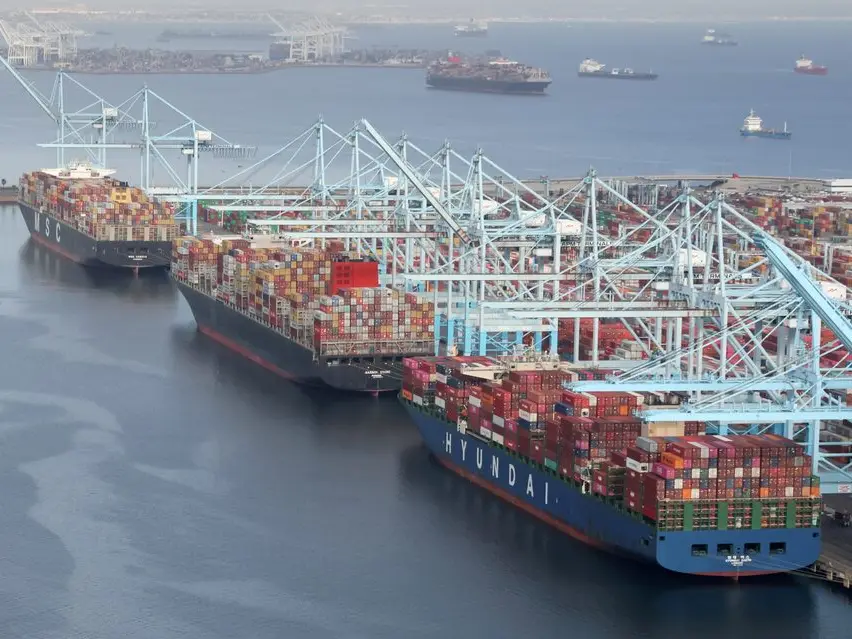
In a dramatic escalation of tensions between the United States and Brazil, President Donald Trump announced on July 9 that the US would impose a 50 per cent tariff on all imports from Brazil starting August 1, 2025. The move comes in the wake of a heated dispute over the prosecution of former Brazilian President Jair Bolsonaro, who is on trial for allegedly attempting to overturn his 2022 election loss to current President Luiz Inacio Lula da Silva.
Trump, in a letter addressed to Lula, described the trial as a “witch hunt” and an “international disgrace.” He accused Brazil of launching “insidious attacks on free elections” and using legal proceedings to suppress political opponents, a stance that echoes his own rhetoric about legal cases in the US. The letter further stated that Washington would launch an investigation into Brazil’s trade practices, specifically focusing on the treatment of US companies involved in digital trade.
The move to impose the steep tariffs sent shockwaves through Brazilian markets. The real, Brazil’s national currency, dropped by more than 2 per cent against the US dollar, and major companies such as planemaker Embraer and oil giant Petrobras saw their stock prices take a hit. The tariffs are a sharp increase from the 10 per cent proposed in April 2025 and are expected to significantly affect Brazil’s exports, particularly in sectors like steel and agricultural products.

Lula responds with threat of retaliation
Brazilian President Lula, who has already faced criticism from Trump for his handling of Bolsonaro’s legal case, swiftly rejected the new tariffs. He labelled Trump’s actions as unfair and said Brazil would respond in kind under its “Economic Reciprocity Law.” Lula also reaffirmed his country’s sovereignty, writing in a post on social media, “The world has changed. We don't want an emperor.”
Lula, in a separate statement, called the US administration’s stance “shameful,” accusing Trump of undermining Brazil’s democratic processes and violating international norms by meddling in a sovereign nation’s legal matters. The two leaders had already clashed earlier in the week when Trump expressed support for Bolsonaro, urging Brazilian authorities to “leave Bolsonaro alone.” Bolsonaro, who is facing charges for his alleged involvement in a failed coup attempt, remains a controversial figure in Brazil, with many accusing him of undermining the nation’s democracy.
Trending Stories
)
Wildfire tears through forests in Spain's Valencia
)
Pakistan boycotts chess match against Israel at Olympiad
)
Sydney Sweeney defends provocative ad choice, the internet is still not impressed
)
The Early Spring season 2 is happening, but fans have one request - 'don't change the actors'
)
Pakistan: Imran Khan's sons Kasim & Sulaiman claim their father is 'tortured' in jail
)
US trade tariff: 100% tariff targets Russian buyers amid trade tensions
)
Lionel Messi for 2026 Ballon d’Or over Mbappe and Yamal, says Diego Simeone
)
240-million-year-old bizarre 'pig with a tusk' creature creates new dilemma over origin of dinosaurs
)
Prime Minister Narendra Modi's birthday: Italian PM Meloni sends birthday wishes
)
Trump praises India’s Opium crackdown, hails anti-drug efforts
)
US Treasury rallies global financial institutions for Op Economic Outcast to isolate Iran
)
Trump calls Canada-EU associate membership plan ‘laughable’ and threatens 'very serious tariffs'
)
Trump gets new power to hit India, China with up to 100% tariffs as US Senate clears Russia sanctions bill
&im=FitAndFill=(700,400))
Suriya and Jyothika say ‘I do’ again after 20 years! See their dreamy wedding pics
)
Hong Kong unveils 11 new measures to boost birth rates, offers higher cash bonuses and housing perks
)
Formula One reveals the 2027 race calendar; Monaco to host sprint race for the first time
)
UN General Assembly 2026: What is veto power. Which countries have it and how does it work?
)
US House votes 417-3 to pass Ratepayer Protection Act targeting AI data center electricity costs
)
Pakistan naval vessel returns to harbour with 'severe damage' after collision with Indian warship in Arabian Sea
)
Protests erupt over migrant housing plan in Piddington
)
All Indian goods to get duty-free access to New Zealand
)
Veteran actor Anant Nag honoured with Indian cinema’s highest award
)
Former India player Diana Edulji wants Smriti Mandhana to replace Harman as skipper at the earliest
)
No Pandya as Auqib Nabi earns maiden ODI call-up; Mayank returns for WI T20Is| check full squads
)
India breaks silence on US Russia sanctions bill, 100% tariff threat: ‘Committed to energy security’ for 1.4 billion
)
Abhishek Sharma rises to No. 2 in T20Is; ENG’s Robinson 3rd after record Pakistan Tests
)
Saudi Vs Houthis: Yemeni military rebels clash with Houthis
)
Europe wants a common playbook for security threats, seeks security beyond NATO
)
Bigg Boss 20: Mahhi Vij reveals she lost Yuva role to Kareena Kapoor; 'didn’t work out in my favour'
)
Saudi vs Houthis: Riyadh claims to have shot Houthi drone targeting Mecca
)
Want to get married within a year? Why 18 lakh people rush to Jaipur for ‘sacred henna’
&im=FitAndFill=(700,400))
New OTT releases this week (September 14-20, 2026): Lust Stories 3, Waiting Hai, Irumudi- 5 new titles coming on Netflix, Prime Video and more
)
Pak batter Rizwan's petition against being questioned by cyber crime agency rejected by court
)
Chiefs tight end Travis Kelce named one of the victims in $35 million ponzi scheme
)
Fed raises rates for first time in 3 years, Kevin Warsh defies Trump as inflation mounts
)
Shahzad Bhatti Network declared terrorist organisation under UAPA: Govt order
)
AUS vs SA: Steve Smith still gets 'little flashbacks' from sandpaper gate
)
‘Imagine 50 AI fighters cornering one manned jet’: India’s mobbing doctrine eyes a new era of air warm
)
Daayra movie review: Kareena Kapoor, Prithviraj Sukumaran shine in Meghna Gulzar’s cop-versus-cop crime thriller
)
Katrina Kaif’s postpartum weight is not the problem; your gaze is
)
Taiwan seeks deeper India ties as direct flights restart soon and chip projects advance
)
Former OpenAI researcher warns of growing risks from Artificial Intelligence
Lula, who narrowly defeated Bolsonaro in the 2022 elections, emphasised that no one is above the law and that Bolsonaro’s case would be decided by Brazil’s courts without foreign interference.
Impact on US-Brazil trade relations
The trade war escalation could have far-reaching consequences for US-Brazil trade, which is significant in certain sectors. Brazil is a key supplier of steel to the US, sending over four million tonnes of the metal in 2024, and it also supplies critical agricultural products like coffee, orange juice, beef, and ethanol. The US is Brazil’s second-largest trading partner, after China, and this new round of tariffs could disrupt long-established trade flows, particularly in the food and beverage industries. US consumers may face higher prices for Brazilian coffee, orange juice, and sugar, all of which are major imports.
Experts warned that the tariffs could devastate the US juice industry, which has depended on Brazil as its main supplier for decades. Brazil’s coffee exports alone amount to nearly eight million bags annually, and any tariff increases could trigger a significant rise in US retail coffee prices.
Despite these concerns, Trump’s administration insists the tariffs are necessary to address what it views as unfair trade practices and to balance trade imbalances. However, experts warn that such aggressive tariff policies could lead to inflationary pressures and broader economic instability, particularly as Brazil is a critical partner for both the US and global markets.
The US and Brazil are now locked in a tense standoff that may have lasting implications for their bilateral relations and global trade dynamics.