Samsung Electronics streamlines AI chip production with integrated services

Samsung logo is seen at the Mobile World Congress in Barcelona.
Samsung introduces one-stop shop for AI chips
Samsung Electronics stated on Wednesday that its contract manufacturing division wants to revolutionise AI chip manufacturing by providing a one-stop shop for customers. This strategy combines Samsung's global leading memory chip, foundry, and chip packaging services to fulfil the growing need for AI technologies.
Accelerated production timeline

By allowing clients to communicate through a single channel that coordinates Samsung's memory chip, foundry, and chip packaging teams, Samsung has cut the time necessary to develop AI chips by around 20 per cent. Typically, AI chip manufacture takes several weeks. "We are truly living in the age of AI - the emergence of generative AI is completely changing the technology landscape," said Siyoung Choi, President and General Manager of Foundry Business, at an event in San Jose, California.
Market growth and industry projections
Samsung expects worldwide semiconductor industry sales to reach $778 billion by 2028, driven primarily by AI chips. Marco Chisari, Executive Vice President of Foundry Sales, and Marketing, shared similar optimism and supported OpenAI CEO Sam Altman's estimates of growing AI chip demand. Altman has reportedly expressed a desire to develop over three dozen new chip plants, highlighting the sector's tremendous expansion.
)
Beijing to Washington! Ivanka Trump makes a style statement in Chinese designer Guo Pei for President Xi Jinping’s White House welcome
)
Russian warplanes trigger first Finland-Sweden joint operation in Baltic – What happened?
)
Outrage erupts after 3-year-old is married to 60-year-old man in Pakistan, link to her sister's murder being probed
)
Trump gifts Xi a bald eagle sculpture at White House dinner: Here’s what it symbolises
)
‘Not just a local tragedy’: Nepal PM Shah warns UN of growing climate threat, says Nepal floods were 'a warning to the world'
)
India-New Zealand FTA is ‘an expression of trust’, NZ High Commissioner Patrick John Rata says
&im=FitAndFill=(700,400))
New Friday OTT releases (September 25, 2026): Don’t Be Shy, Hunkkaar: The Roar, Mango Pachcha- 6 movies and TV shows on Netflix, Prime Video and more
)
Watch: PM Modi joins Bhajan Clubbing event in Delhi on Deendayal Upadhyaya's birth anniversary
)
‘Attack on Mecca a red line for Pakistan’: Shehbaz Sharif warns Houthis at UN
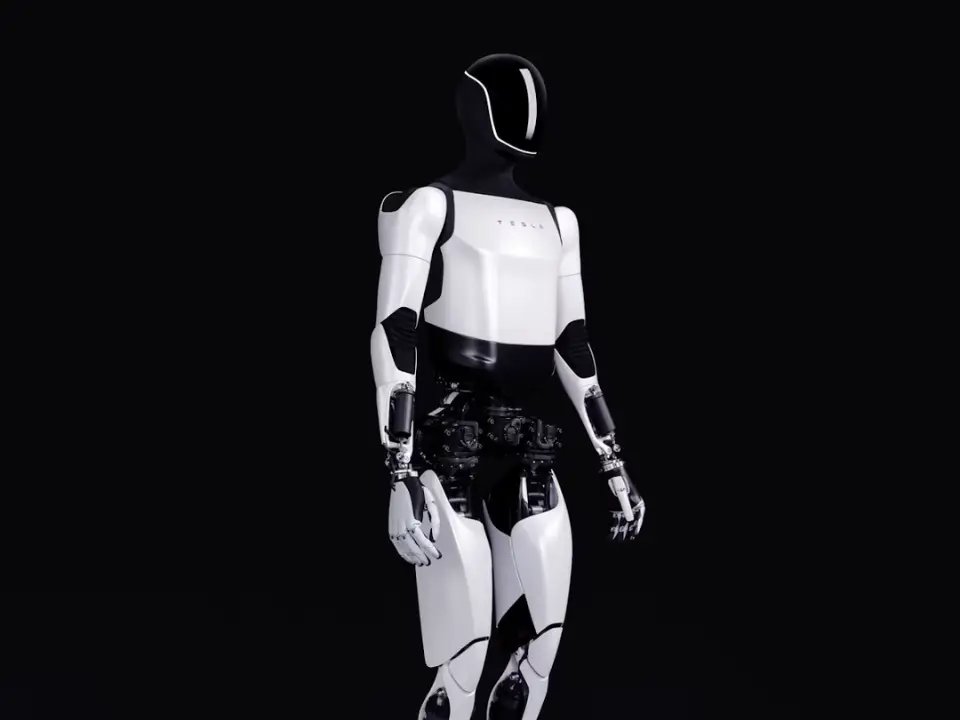)
Tesla is preparing something big for Optimus: new Gen 3 models surface in app
)
Bias or safety concerns? Bengaluru CEO says firm will not hire men from UP, Bihar, Rajasthan, MP. Here's why
)
Double shock for Israel: Furious Trump refuses to meet humiliated Netanyahu | Gravitas
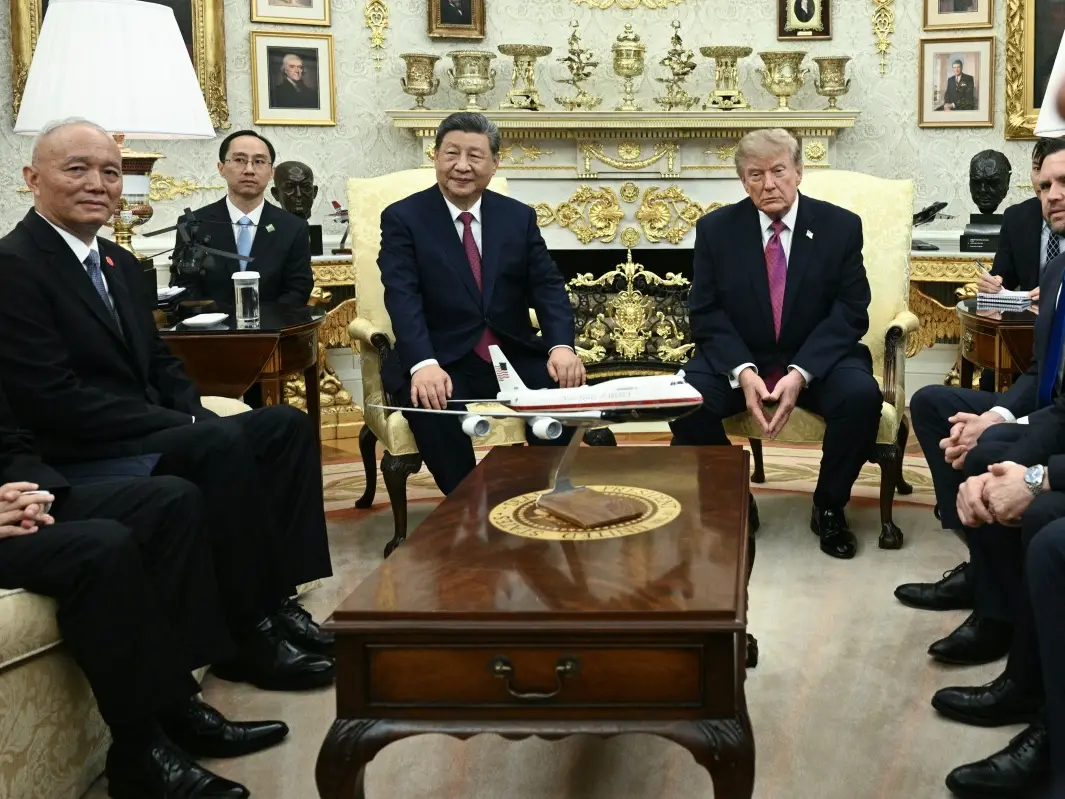)
Trump's welcome to Xi demonstrates 'attraction' to dictators: Chuck Schumer
)
Scientists detect first radio signals directly from faraway planet
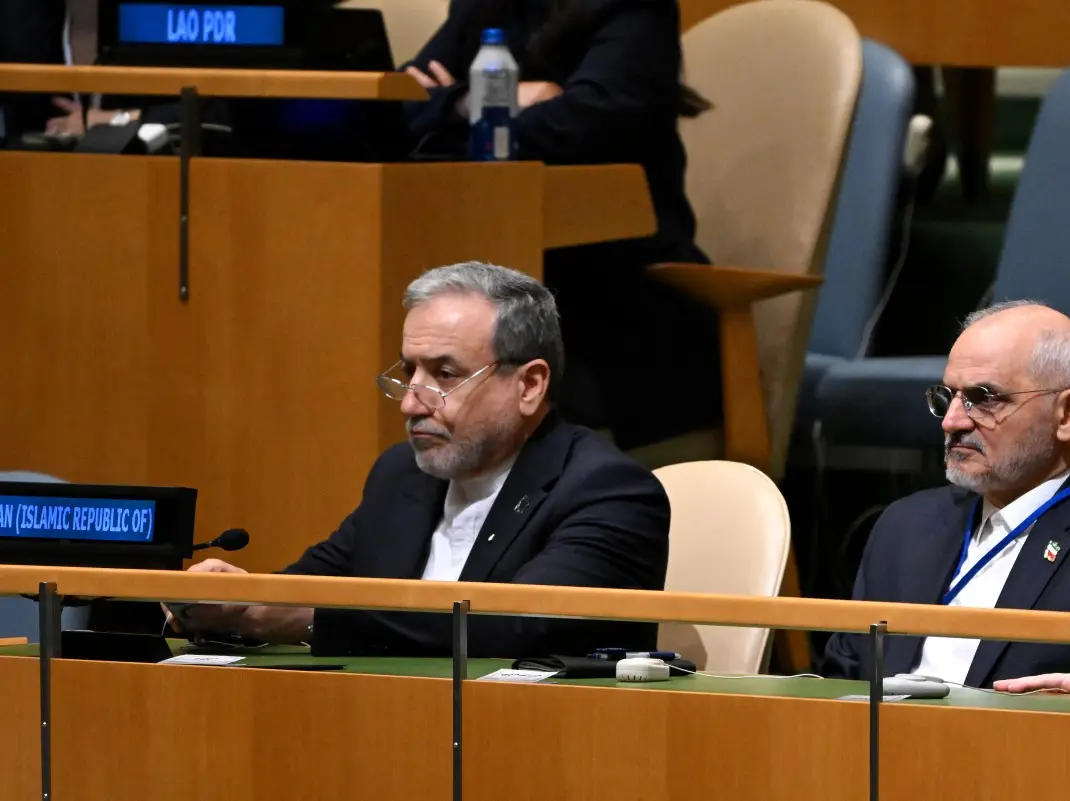)
A seven-day roadmap? Iran proposes plan to end war, reopen Strait of Hormuz and resume nuclear talks
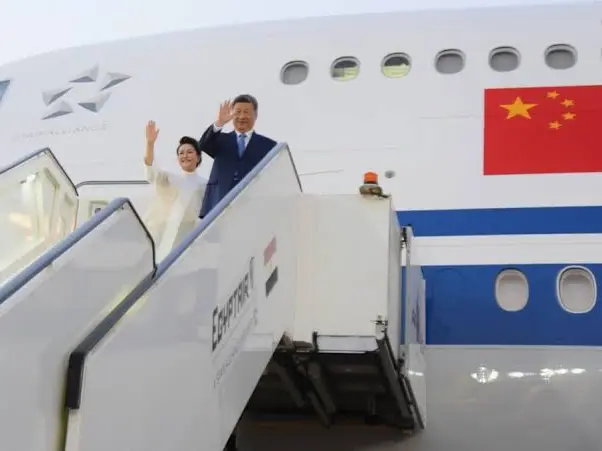)
Xi Jinping's 'special plane' vs Trump's Air Force One: What's the difference?
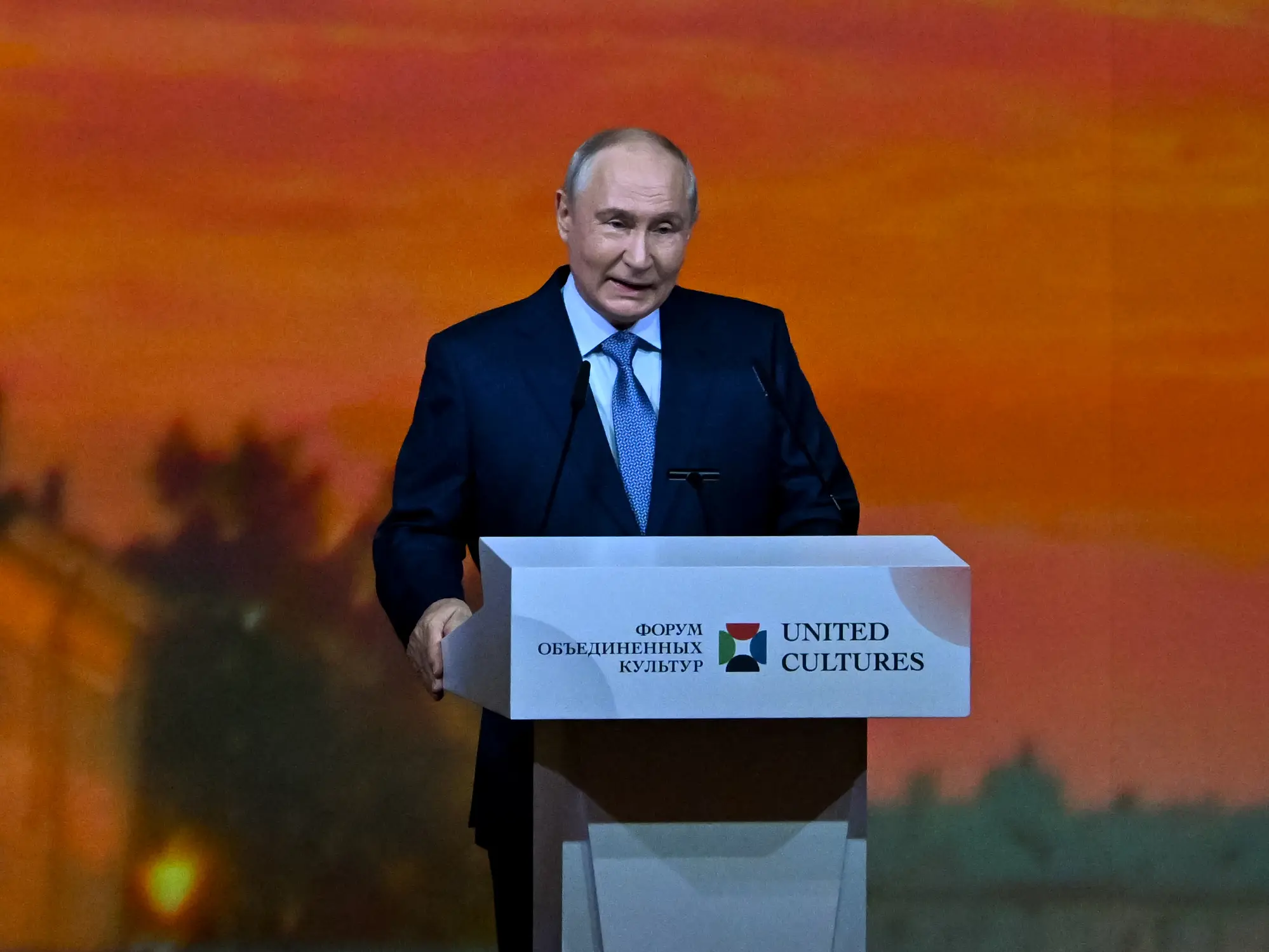)
‘It is all possible’: Putin weighs next steps on Ukraine talks, rules out Europe conflict
)
Saudi Arabia, Turkey and Pakistan to hold urgent military talks amid intensifying Houthi attacks
)
Ex-Liverpool forward Mohamed Salah banned from driving in United Kingdom for six months
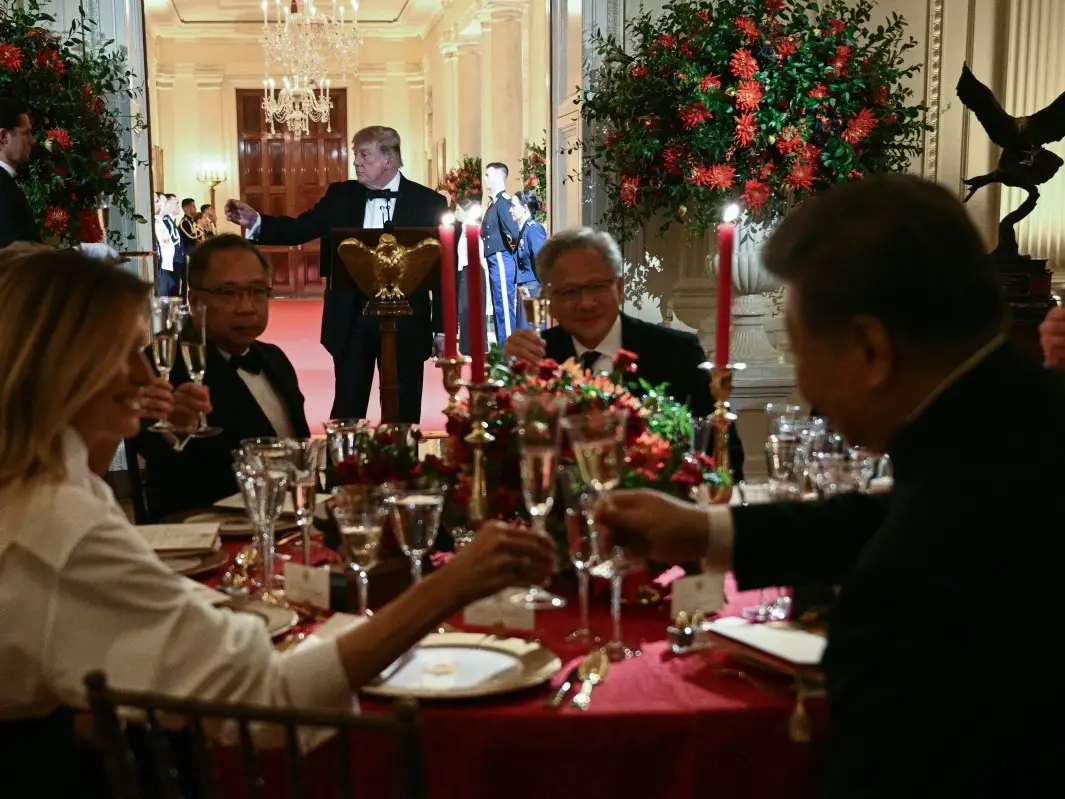)
‘We’ve never gotten along better’: Trump praises Xi, jokes about White House ballroom at high-stakes state dinner
)
Meet Adrian Abraham: 9-year-old Indian-origin guitar prodigy aiming for a Guinness World Record
)
Red Sea crisis: Houthis promise not to target European ships; UNSC condemns Saudi attacks
)
'Blockbuster' nor'easter develops an eye similar to hurricanes as warnings are issued
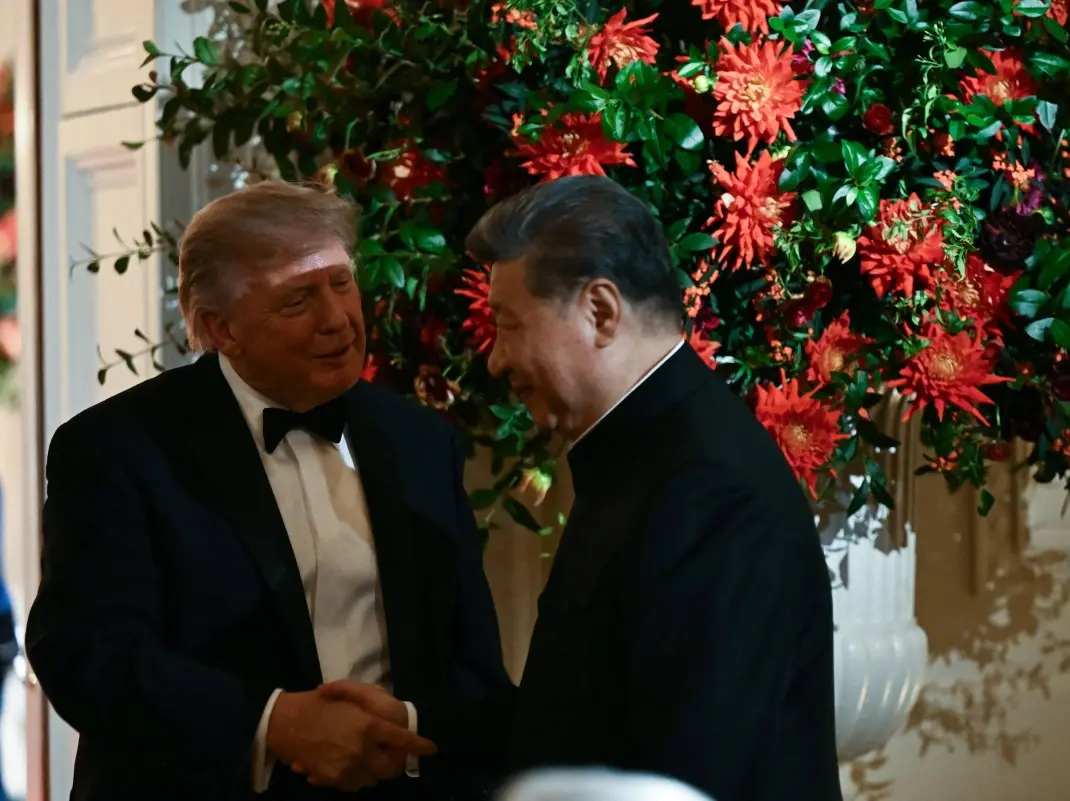)
'Making history': Xi Jinping praises Trump as US-China leaders dine at White House
)
'We do not wish to continue. It's America that must choose': Iran president Pezeshkian calls on US to end war
)
Exclusive | 'We always want to improve': Suruchi, Kamaljeet after winning Asian Games gold
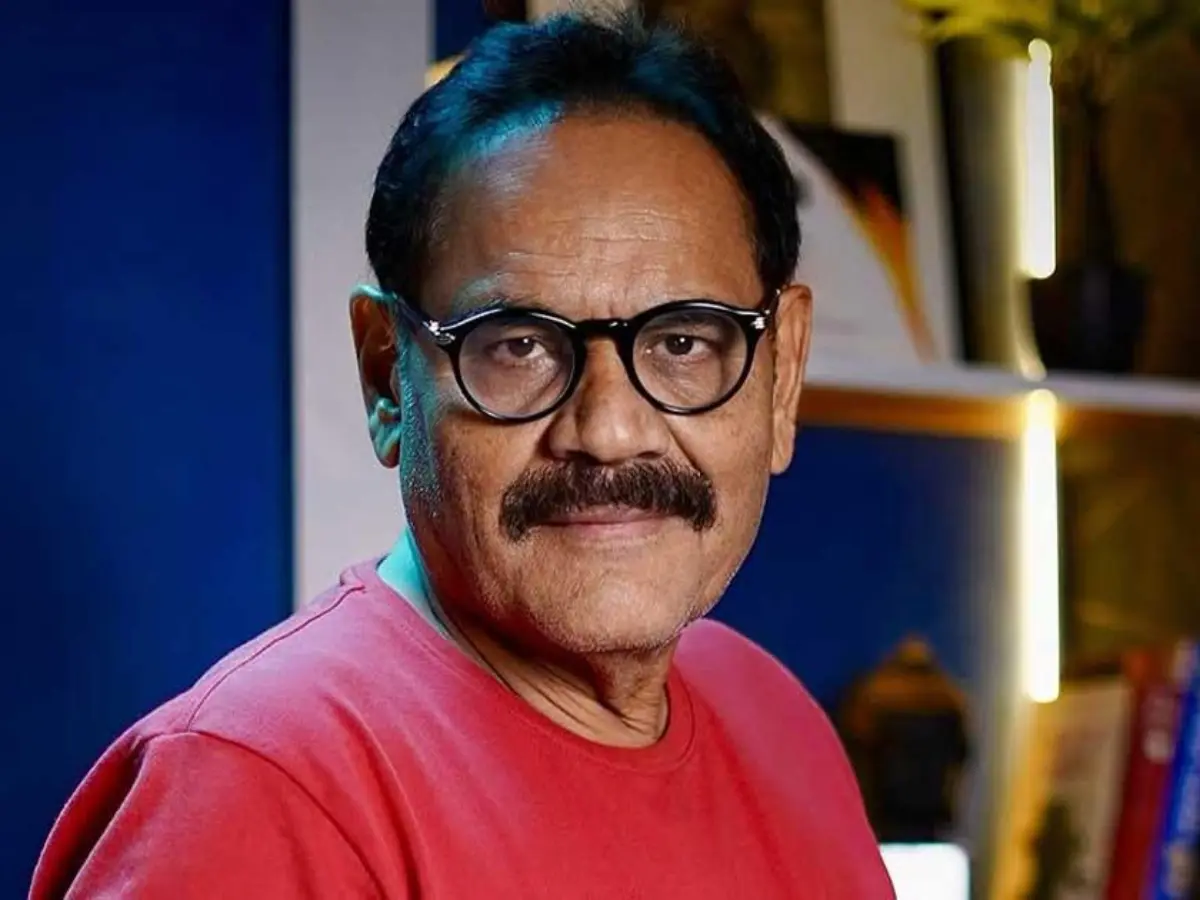)
Bollywood mourns Mushtaq Khan: Sunny Deol, Rajpal Yadav and others pay tribute
)
Myanmar training camp case: US national, 6 Ukrainians allowed to meet their families abroad
)
'FIRST LOOK from inside Noah’s Ark': Researchers share video from inside mysterious mound in Turkey
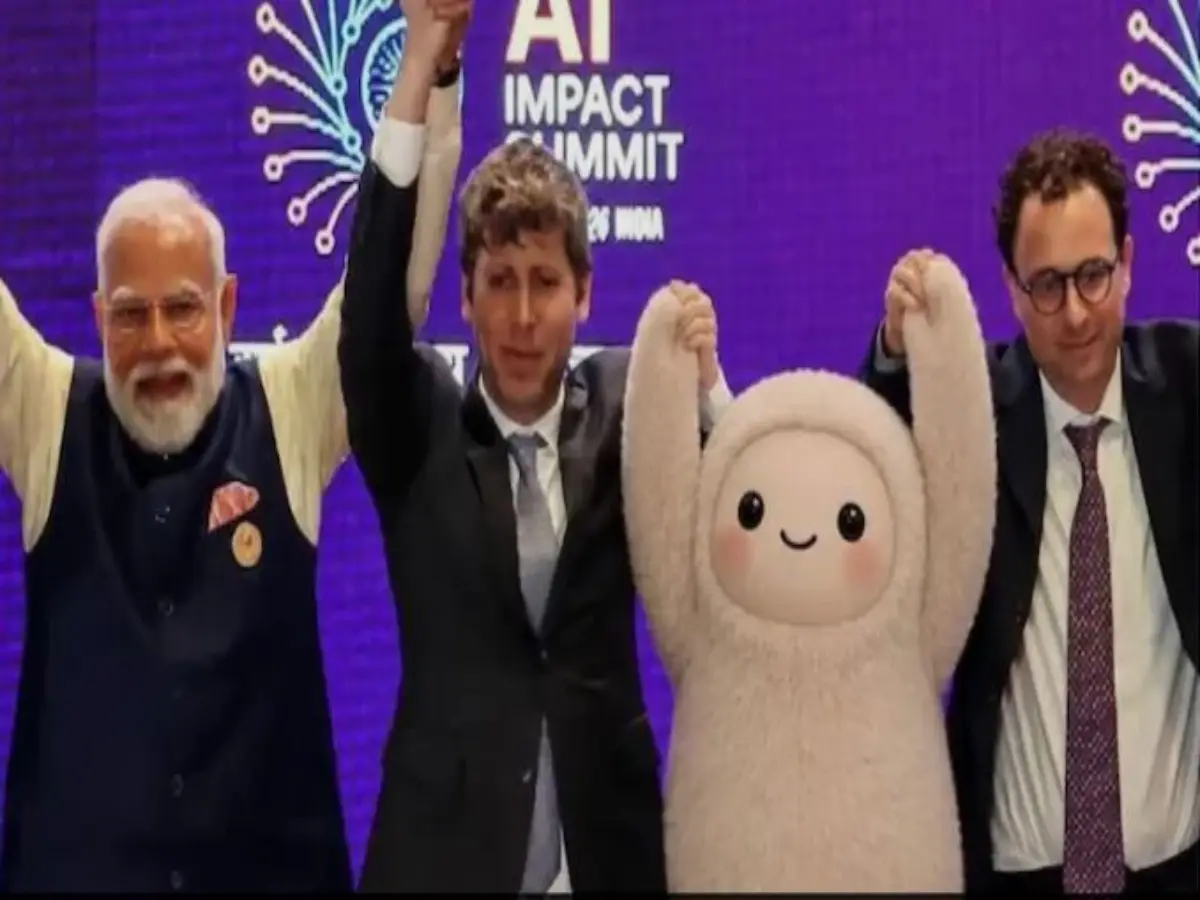)
Meta AI chief posts edited Altman-Dario pic with PM Modi, deletes it later
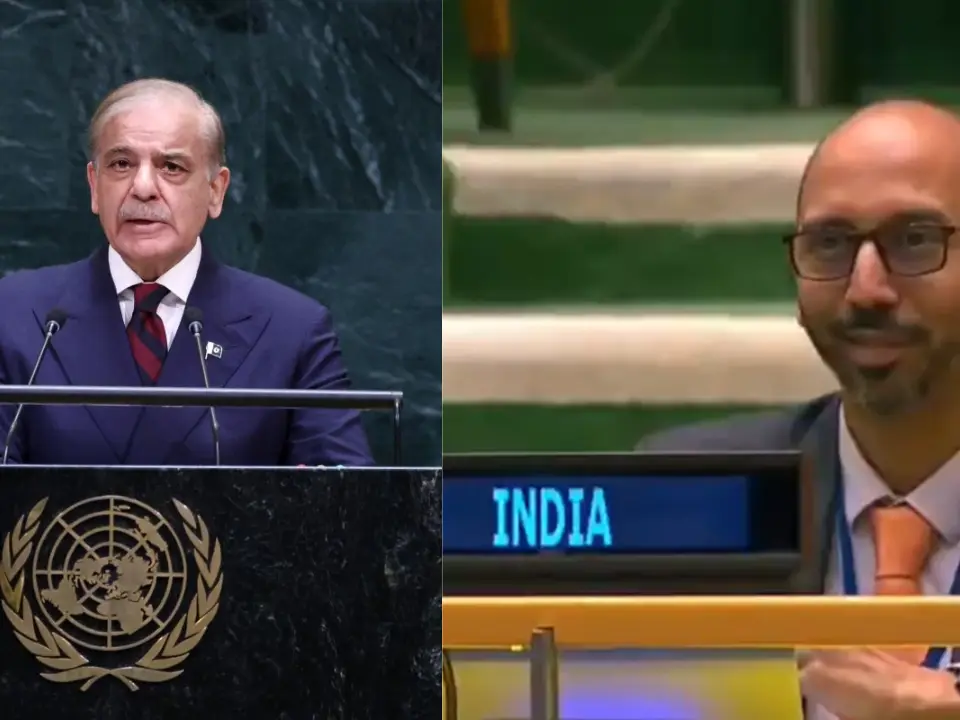)
WATCH | As Shehbaz Sharif claims Pakistan’s ‘victory’ during 2025 conflict, Indian diplomat R Srinivas laughs at UN
)
'Fund people, not bombs': Hundreds take to New York streets as Netanyahu delivers speech at UN; dozens arrested
)
'A terrorist country is asking me that question?': Jaishankar hits back at Pakistani journalist at UN; flags attacks on commercial shipping
)
Army chief reviews operational preparedness along LoC, visits mega eye camp in Tangdhar
&im=FitAndFill=(700,400))
‘Absolutely savage, sickening’: Zelensky slams Russia as daytime strikes kill 5 in Kyiv
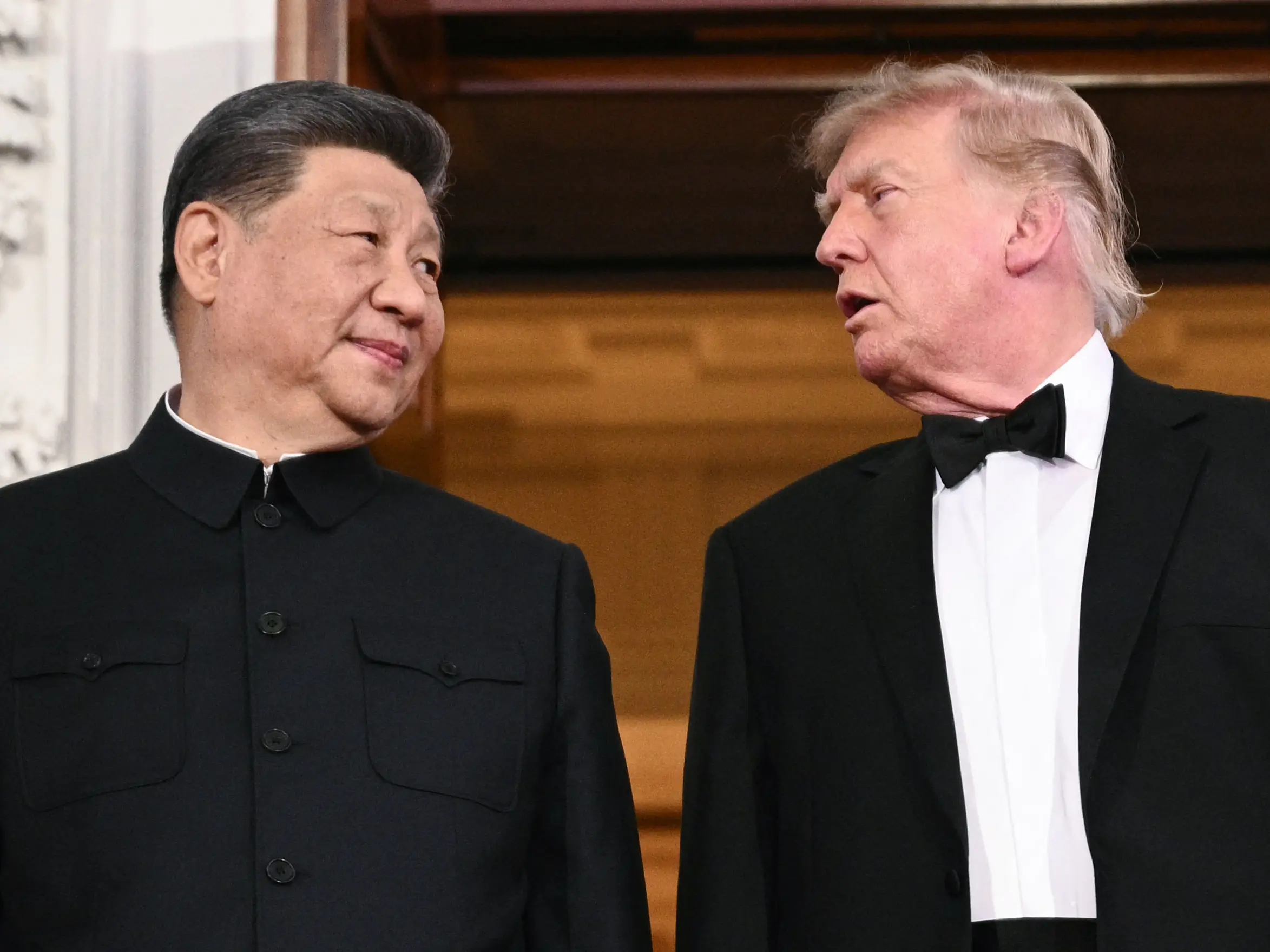)
‘Totally unacceptable’: Trump warns Xi over China’s support for Iran
Strategic advantage and technological innovations
Despite previous customer reservations about Samsung's dual status as a competitor and service provider, the company's integrated strategy is now viewed as a competitive advantage in the age of artificial intelligence. Samsung's comprehensive service package enables high integration of all chip elements, which is critical for efficiently processing huge datasets with low power consumption.
Samsung also demonstrated its advanced gate-all-around (GAA) transistor architecture, which improves chip performance and efficiency. The South Korean corporation, an early adopter of GAA technology, intends to commence mass manufacturing of second-generation 3-nanometer circuits employing GAA in the latter part of this year. Samsung also introduced its latest 2-nanometer chipmaking technology, which enhances power delivery by inserting power rails on the backside of the wafer and is set for mass production in 2027.
Competitive landscape
Samsung's disclosure comes as other companies, including industry leader TSMC, are developing GAA-based processors. However, Samsung's early adoption of this technology may provide it an advantage in the AI chip industry. Samsung's merger of its many services under one banner could provide them with a substantial advantage in meeting the needs of the developing AI sector.
(With inputs from Agencies)