Ray Dalio outlines five pivotal forces shaping the global economy

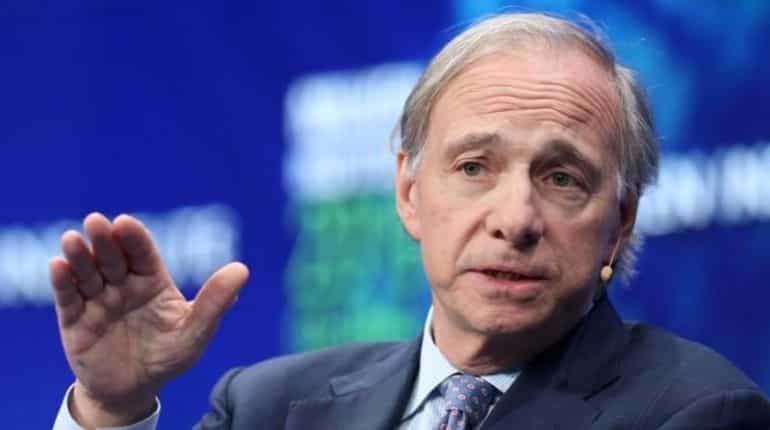
Ray Dalio
Ray Dalio, the billionaire founder of Bridgewater Associates, identified five primary forces that are shaping the global economy during his recent address at the Milken Institute’s Asia Summit in Singapore. Emphasizing the interconnectedness and cyclical nature of these elements, Dalio presented his insights just ahead of the US Federal Reserve's decision on interest rates as detailed in a CNBC report.
He has also stated post the most recent 50 basis point interest rate cut by the Fed that the real challenge will be to keep interest rates balanced. “The challenge of the Federal Reserve is to keep interest rates high enough that they’re good for the creditor while keeping them not so high that they’re problematic for the debtor.”
What are the 5 pivotal factors shaping the global economy currently?

The first force is debt, currency, and economic cycles. Amid ongoing uncertainty about the actions of the Federal Reserve, Dalio raised concerns about the management of national debt, questioning the potential impacts of a shift in interest rates. As the central bank has reduced interest rates by a 50 basis point it is still crucial to note that the US government has allocated 1.049 trillion dollars for servicing this debt.
This is a significant increase of 30 per cent from the previous year. This scenario raises vital questions, such as how one person's debt transforms into another's asset and its perception as a store of wealth.
Secondly, Dalio spoke about internal stability and turmoil, highlighting the stark divisions within US politics, particularly leading up to the upcoming election. With wealth and value disparities deepening, these divisions pose challenges to the smooth transitioning of power.
)
Nigeria: Protesters take to the streets, police fire shots
)
US-Iran war: Tehran draws red lines — seven demands before any peace talks
&im=FitAndFill=(700,400))
‘Not the US or China’: These are the countries leading the world in arable land
)
Mark Carney mimics Trump in hilarious moment over C$70 billion clean-energy investment; room erupts in laughter
)
Pentagon revives mandatory testosterone testing for male troops aged 30 and above
)
FACT CHECK: Why did PM Modi ask Xi ‘is it okay’ at BRICS Summit? New video reveals...
)
Trump defends AI amid growing alarm, announces new 'AI force' and promises an 'AI czar'
)
Trump announces ‘AI Force’ as debate grows over AI risks and regulation
)
Iran sets 7 conditions to end war with US: What are Tehran’s demands?
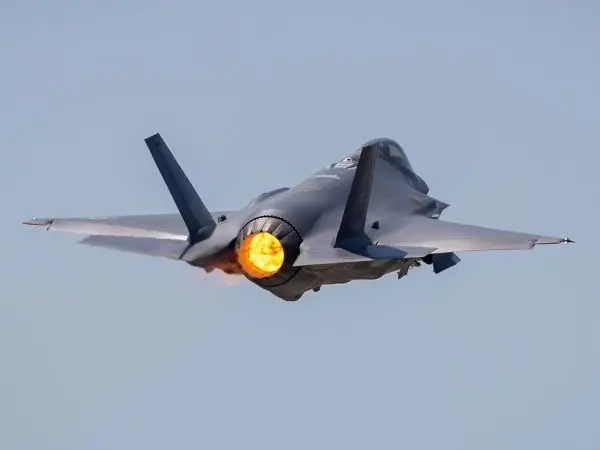)
China may have gained access to US's classified F-35 jets; parts meant for repairs diverted to Hong Kong, sparking Pentagon inquiry
)
Gaza under attack: Health chief's son killed in IDF strikes
)
Arvind Kejriwal, family members, Delhi CM Rekha Gupta get SIR notices
)
Cochin shipyard starts building Indian Navy's next-gen missile vessels
)
Russia extends ban on Western food imports for two more years in extended sanctions countermeasure
)
Ed Sheeran addresses Macklemore's removal, Gaza conflict during Philadelphia concert: 'I cannot hide how I feel'
)
Brigitte Bardot’s private collection set for Paris auction; key items and prices revealed
)
How did an Australian river with 500 crocodiles pass the Olympic test? Here's how
)
‘Will go to any extent’: Pakistan vows to defend Saudi Arabia amid Houthi attacks
&im=FitAndFill=(700,400))
Ananya Panday to Sharvari: 5 actresses serving major princess vibes
66 years of the Indus Waters Treaty: How India and Pakistan settled a bitter river dispute
)
The Verdict | When precision fails: US commits war crime in Minab school strike, UN finds
)
9 women found dead near Johannesburg: South Africans rally, demand 'enough' to femicide
)
Pak: A series of counter terrorism operations in Khyber Pakhtunkhwa
)
Trump wants to rename ‘Artificial Intelligence’, gives 3 options: Which one would you pick?
)
Flying cars in UAE: Ras Al Khaimah signs deal with Chinese company to test new transport
)
Reacher star Alan Ritchson opens up about alleged blackmail, suicide attempt during difficult period
)
Africa is splitting, and a lot sooner than estimated, giving way to a new ocean
)
Trump bans CNN, MS NOW and Politico from White House over ‘FAKE NEWS’
)
Trump 2.0: Dark days ahead for America’s ‘imperial presidency’
&im=FitAndFill=(700,400))
How many F-35s does Britain, Japan and Israel have?
)
Harry Brook targets long reign at top of T20I rankings after Sri Lanka sweep
)
Tirupati Laddu ghee adulterated with chemicals, says ED, supplier arrested
)
Russia holds first parliamentary elections since the beginning of the Ukraine war
&im=FitAndFill=(700,400))
Meet top 5 Indian batters with fastest T20I centuries
)
Raphinha hat-trick powers Barcelona to 3-1 win over Sevilla in La Liga
)
Notably, a recent CNBC Fed Survey showed that Vice President Kamala Harris seems more likely to succeed than former President Donald Trump for the first time in election history. Regardless of the eventual victor, the influence of presidential initiatives on the overall economic health remains limited.
The third force is the geopolitical tension surrounding major power rivalries, with a particular focus on the US-China relationship. Dalio underscored that ongoing disputes, from territorial conflicts to economic tariffs, are detrimental to progress. The underlying fear of war plays a limiting role in this dynamic, creating a difficult environment for global trade.
In addition to human actions, Dalio pointed out that natural disasters, referred to as 'acts of nature,' are historically more detrimental than warfare. These disasters have led to significant loss of life and disruption, with the financial costs of climate change projected to skyrocket. In fact, the World Economic Forum indicates that every 1°C rise in temperature could yield a staggering 12 per cent reduction in global GDP.
Lastly, Dalio considered technological advancements led by artificial intelligence, which he believes hold immense potential if adopted and invested in wisely. The productivity gains from technology are substantial, but its benefits often flow to a limited segment of the population, leading to the emergence of unicorn companies.
He noted that success in technology will equate to victory in military power. Therefore, Dalio summarized these forces by stating that future surprises are more likely to be negative than positive, highlighting the complexities and challenges ahead for the global economy.
