Oil prices rise as US–EU trade deal boosts market optimism

&imwidth=600&imheight=450&format=webp&quality=medium "Oil prices rise as US–EU trade deal boosts market optimism")
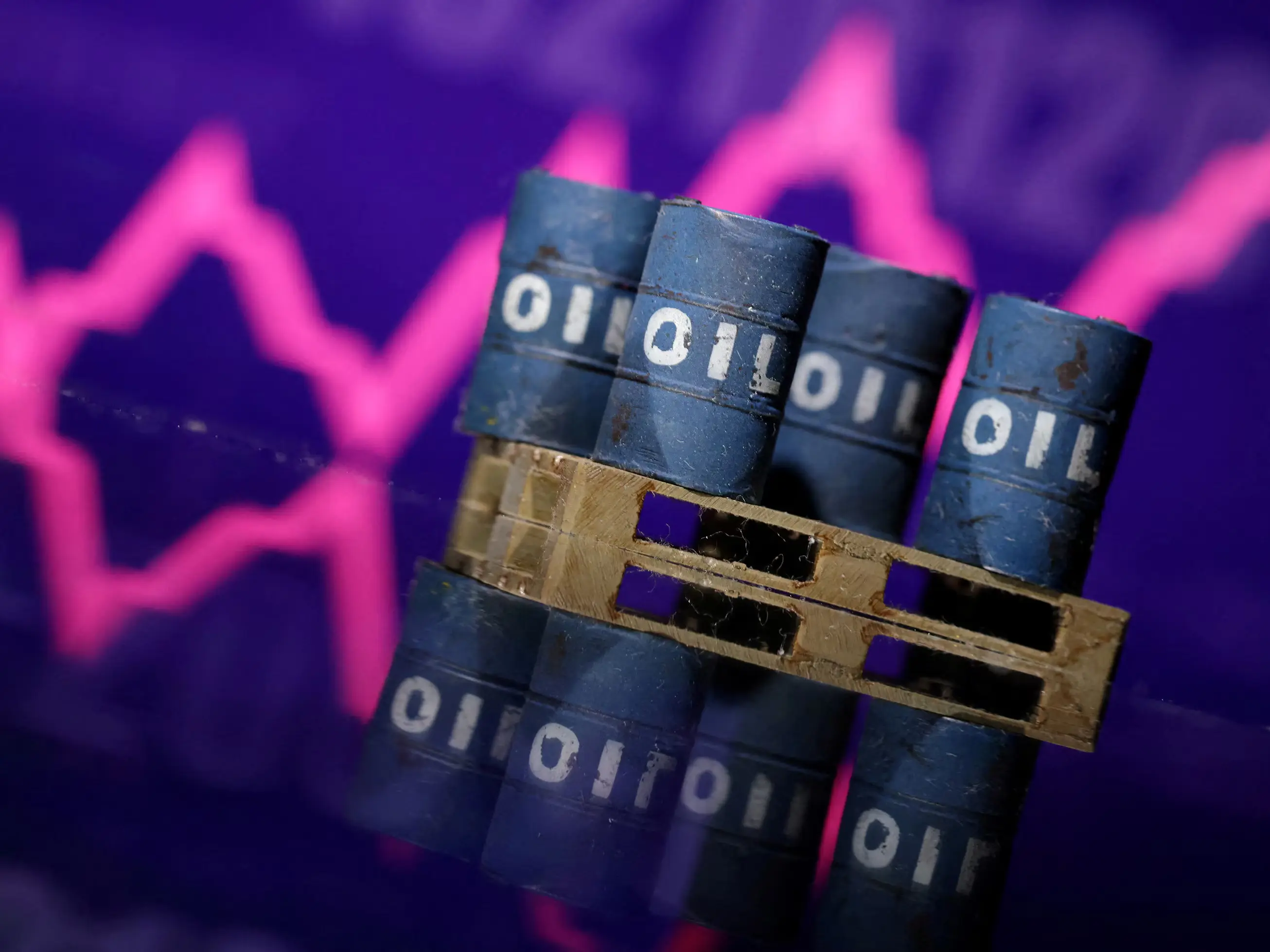
Miniatures of oil barrels and a rising stock graph are seen in this illustration. Photograph: (Reuters)
On Monday, oil markets gained momentum following a US-EU trade deal and potential extension of tariff relief with China, raising hopes for sustained fuel demand.
On Monday, oil markets found fresh momentum after the United States and European Union struck a long-awaited trade deal and signalled a potential extension of tariff relief with China. Together, the two trade talks developments eased fears of a global economic slowdown and lifted hopes for sustained fuel demand. As per Reuters, Brent crude futures rose 22 cents, or 0.32 per cent, to $68.66 a barrel, while US West Texas Intermediate crude climbed 22 cents, or 0.34 per cent, to $65.38 by early Asian trading hours.'
Markets had been on edge amid fears that heightened US tariffs could dent global trade and energy demand. But Sunday’s EU–US framework trade agreement imposed only a 15 per cent tariff on most EU goods which is below the Trump's earlier threat of 30 per cent or more. That, along with fresh negotiations between the US and China in Stockholm, helped calm investor nerves. Talks are aimed at extending the tariff truce ahead of an August 12 deadline, giving energy markets another reason to breathe easy. “The US–EU deal and a possible US–China extension are supporting global financial markets and oil prices,” said Tony Sycamore, analyst at IG Markets, as quoted by Reuters.
OPEC+ supply moves keep a lid on gains
Despite Monday’s uptick, broader oil gains were limited by supply-side concerns. Meanwhile, a market-monitoring panel of OPEC+ nations is set to meet later on Monday and is unlikely to recommend changes to existing plans by eight member countries to boost production by 548,000 barrels per day in August, according to Reuters. The group is still focused on regaining market share while seasonal summer demand continues to absorb excess output.
Meanwhile, in Venezuela, state-run oil company PDVSA is preparing to ramp up joint ventures once US President Donald Trump reinstates swap-based oil export authorisations. These licences were initially granted during the Biden era but were paused under Trump’s second term. PDVSA is ready to act once those licences are restored, according to company insiders.
Geopolitical threats linger
Trending Stories
&imwidth=280&imheight=210&format=webp&quality=medium)
&imwidth=280&imheight=210&format=webp&quality=medium)
&imwidth=280&imheight=210&format=webp&quality=medium)
&imwidth=280&imheight=210&format=webp&quality=medium)
&imwidth=280&imheight=210&format=webp&quality=medium)
&imwidth=280&imheight=210&format=webp&quality=medium)
&imwidth=280&imheight=210&format=webp&quality=medium)
&imwidth=280&imheight=210&format=webp&quality=medium)
&imwidth=280&imheight=210&format=webp&quality=medium)
&imwidth=280&imheight=210&format=webp&quality=medium)
&imwidth=280&imheight=210&format=webp&quality=medium)
&imwidth=280&imheight=210&format=webp&quality=medium)
&imwidth=280&imheight=210&format=webp&quality=medium)
&imwidth=280&imheight=210&format=webp&quality=medium)
&imwidth=280&imheight=210&format=webp&quality=medium)
&imwidth=280&imheight=210&format=webp&quality=medium)
&imwidth=280&imheight=210&format=webp&quality=medium)
&imwidth=280&imheight=210&format=webp&quality=medium)
&imwidth=280&imheight=210&format=webp&quality=medium)
&imwidth=280&imheight=210&format=webp&quality=medium)
&imwidth=280&imheight=210&format=webp&quality=medium)
&imwidth=280&imheight=210&format=webp&quality=medium)
&imwidth=280&imheight=210&format=webp&quality=medium)
&imwidth=280&imheight=210&format=webp&quality=medium)
&imwidth=280&imheight=210&format=webp&quality=medium)
&imwidth=280&imheight=210&format=webp&quality=medium)
&imwidth=280&imheight=210&format=webp&quality=medium)
&imwidth=280&imheight=210&format=webp&quality=medium)
&imwidth=280&imheight=210&format=webp&quality=medium)
&im=FitAndFill=(700,400)&imwidth=280&imheight=210&format=webp&quality=medium)
&imwidth=280&imheight=210&format=webp&quality=medium)
&imwidth=280&imheight=210&format=webp&quality=medium)
&imwidth=280&imheight=210&format=webp&quality=medium)
&imwidth=280&imheight=210&format=webp&quality=medium)
On Sunday, Yemen’s Houthi rebels issued a fresh warning. They threatened to target any ships tied to Israeli ports, regardless of nationality, as part of their ongoing retaliation over the Israel–Gaza conflict. This marks what the Houthis have termed the “fourth phase” of their campaign against Israel. While the Houthi threat hasn’t yet disrupted oil supply routes, it adds to a complex web of geopolitical risks that continue to influence crude prices.
Demand fundamentals still strong
According to J.P. Morgan, in July, the global oil demand rose by 600,000 barrels per day (bpd) compared to a year ago. However, global oil inventories also increased by 1.6 million bpd, signalling some excess supply remains in the system.
Still, markets are betting that smoother trade flows, especially between the world’s largest economies, could keep oil demand stable as the yearprogresses.
(With inputs from the agencies)