

&imwidth=800&imheight=600&format=webp&quality=medium "Mark Zuckerberg, Meta executives settle $8 billion privacy lawsuit ahead of testimony")
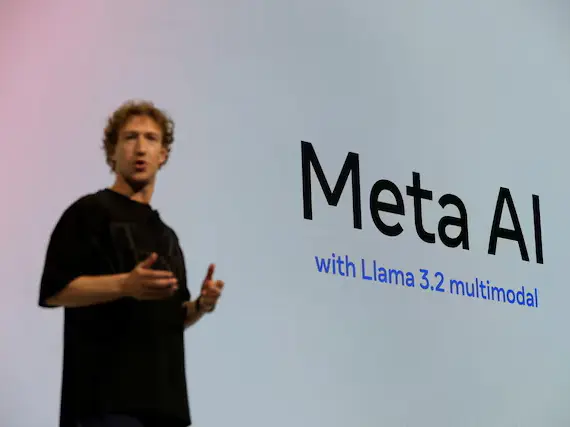
Mark Zuckerberg and a group of current and former Meta Platforms executives have reached a settlement in a high-profile shareholder lawsuit seeking $8 billion in damages over repeated violations of Facebook users’ privacy and corporate mismanagement. The agreement was announced in Delaware’s Court of Chancery on July 17, halting what would have been a rare trial scrutinising the internal governance of one of the world’s most powerful technology companies.
The lawsuit, filed by Meta shareholders, alleged that Zuckerberg and other top Meta officials failed in their oversight responsibilities by allowing years of data privacy breaches. The claims centred on the company’s inability to comply with a 2012 consent agreement with the US Federal Trade Commission (FTC), culminating in a record $5 billion fine in 2019 following revelations about unauthorised data access by political consulting firm Cambridge Analytica.
While the specific terms of the settlement remain confidential, the trial was abruptly adjourned just before its second day of proceedings. The move shields Zuckerberg, former Chief Operating Officer Sheryl Sandberg, and other high-profile defendants, including board members Marc Andreessen, Peter Thiel, and Reed Hastings, from having to testify. The lawsuit had sought to hold 11 current and former Meta directors and officers personally liable for regulatory fines and legal costs related to user data mishandling.
Oversight claims and the Cambridge Analytica fallout
The core of the shareholder case revolved around so-called “Caremark” oversight claims, among the most difficult to prove under Delaware corporate law. Plaintiffs accused Meta’s leadership of deliberately ignoring their fiduciary duty to monitor compliance with federal privacy laws. They also alleged that the company’s executive team knowingly operated Facebook as what they described as an “illegal data harvesting enterprise.”
The trial, if it had continued, was set to feature testimony from several high-level figures in Silicon Valley, including Zuckerberg, Sandberg, Thiel, and Hastings. The plaintiffs hoped the testimony would reveal internal deliberations and failures that contributed to Meta’s growing list of privacy-related penalties.
Trending Stories
&imwidth=180&imheight=135&format=webp&quality=medium)
China's counter-surveillance industry booms amid heightened espionage fears | Gravitas
&im=FitAndFill=(700,400)&imwidth=180&imheight=135&format=webp&quality=medium)
Navratri 2026: 9 days, 9 forms of Goddess Durga and 9 colours- Check the complete list
&imwidth=180&imheight=135&format=webp&quality=medium)
Trump accuses Houthis of driving up oil prices before US midterms, warns of consequences
&imwidth=180&imheight=135&format=webp&quality=medium)
Russian woman and Bihar boy's love story goes viral after she reaches India to marry him
&imwidth=180&imheight=135&format=webp&quality=medium)
Arijit Singh 9-city India stadium tour to start from January: Check venue and ticket prices
&imwidth=180&imheight=135&format=webp&quality=medium)
US Midterms 2026: In Alaska, cost-of-living anxiety meets strangest ballot in high-stakes Senate race
&imwidth=180&imheight=135&format=webp&quality=medium)
F1 set to return to Africa for first time since 1993
&imwidth=180&imheight=135&format=webp&quality=medium)
'Don't ever mess with nature!': Trump’s tiger attack post triggers social media backlash as victim's family issues heartbreaking tribute
&imwidth=180&imheight=135&format=webp&quality=medium)
CMs Vijay-Naidu meet in Vijayawada, discuss water sharing, river-linking
&imwidth=180&imheight=135&format=webp&quality=medium)
Air India Flight from Frankfurt diverted to Jaipur after hijack alert, probe on
&imwidth=180&imheight=135&format=webp&quality=medium)
1,500 drones illuminate Mumbai sky as Cordelia Cruises unveils second ship, Cordelia Sky
&imwidth=180&imheight=135&format=webp&quality=medium)
Delhi Police arrest Cockroach Janta Party's Saurav Das, Ashutosh Ranka, Ajinkya Shinde in Jantar Mantar case, to be produced before court
&imwidth=180&imheight=135&format=webp&quality=medium)
‘Rise up, young patriots!’: American singer Mary Millben says US donors funding CJP, backs Modi govt
&imwidth=180&imheight=135&format=webp&quality=medium)
Nobel Peace Prize winner Navi Pillay calls on US to 'get back to' being defender of human rights
&imwidth=180&imheight=135&format=webp&quality=medium)
France accuses Musk of ‘online harassment’ of European leaders, warns of poll interference
&imwidth=180&imheight=135&format=webp&quality=medium)
'Turn approver, resign, we'll forgive you': Rahul Gandhi claims receiving messages from CEC Gyanesh Kumar
&imwidth=180&imheight=135&format=webp&quality=medium)
MI5 chief warns Russia is UK’s ‘aggressor number one’ as Iran and AI threats grow
&imwidth=180&imheight=135&format=webp&quality=medium)
Trump reconsidering calling off Nidal Hasan's execution livestream. Here's why
&imwidth=180&imheight=135&format=webp&quality=medium)
‘My president, I mean my husband’: Trump's new press secretary Katie Zacharia's first briefing goes off the rails in 14 minutes
&imwidth=180&imheight=135&format=webp&quality=medium)
‘How many people did she illegally bring from Somalia?’ Trump targets Ilhan Omar, questions her net worth
&imwidth=180&imheight=135&format=webp&quality=medium)
Marco Rubio to visit India next week, focus on energy cooperation and strategic ties
&imwidth=180&imheight=135&format=webp&quality=medium)
US politicians mistakenly use Indian, Russian warship images for Navy's birthday posts
&imwidth=180&imheight=135&format=webp&quality=medium)
'Ouch!!! That must hurt': Kangana Ranaut hails Kamal Haasan's sharp reply to Elon Musk over Starlink row
&imwidth=180&imheight=135&format=webp&quality=medium)
Girl 'dead' for 8 hours wakes up at her own funeral, dad insists she wasn't breathing
&imwidth=180&imheight=135&format=webp&quality=medium)
Sidhu Moose Wala’s younger brother wins hearts by recreating late singer’s signature move at Toronto Hologram Show
&imwidth=180&imheight=135&format=webp&quality=medium)
UK school ditches technology, shifts from screen to pen and paper for learning
&imwidth=180&imheight=135&format=webp&quality=medium)
Durga Puja 2026: Kolkata roads get a splash of colours
&im=FitAndFill=(700,400)&imwidth=180&imheight=135&format=webp&quality=medium)
New OTT releases this week (October 12-18, 2026): Sacrifice, Koffee with Karan S9, Roadies Rebirth- 6 titles coming on Netflix, JioHotstar and more
&imwidth=180&imheight=135&format=webp&quality=medium)
Inside Aneet Padda's 24th birthday bash with rumoured boyfriend Ahaan Panday and Alia Bhatt
&imwidth=180&imheight=135&format=webp&quality=medium)
New Cold War: Why is China buying more gold? Explained
&imwidth=180&imheight=135&format=webp&quality=medium)
Netanyahu wants to join Saudi's war on Houthis, but Crown Prince denies: Report
&imwidth=180&imheight=135&format=webp&quality=medium)
Anupam Kher joins Ranbir Kapoor's Ramayana as Jatayu, new poster unveiled
&imwidth=180&imheight=135&format=webp&quality=medium)
Measles kills again: 6 dead in Pennsylvania as America faces its worst outbreak in decades | Gravitas
&imwidth=180&imheight=135&format=webp&quality=medium)
Cornell University suspends fraternity parties over 2024 gang rape allegations
The litigation followed the scandal involving Cambridge Analytica, which accessed data from tens of millions of Facebook users without consent and allegedly used it for political profiling during Donald Trump’s 2016 presidential campaign. The FTC ruled that Facebook had violated its 2012 agreement to protect user data and imposed the $5 billion penalty.
Expert witnesses called by the plaintiffs had pointed to systemic gaps in Facebook’s privacy oversight practices, while internal board communications were expected to be examined in depth. However, some defence evidence, including notes from former board member Jeffrey Zients, suggested that directors were actively discussing privacy reforms, potentially weakening the case.
Settlement avoids high-risk testimony and legal precedents
The surprise settlement spares Meta’s leadership from what would have been an unprecedented public reckoning under Delaware’s legal framework for corporate governance. Notably, the case marked the first time that Caremark oversight claims had advanced to trial—an indicator of the case’s potential significance for future boardroom accountability.
Sandberg, who left Meta in 2022, had already been sanctioned during the pre-trial phase for deleting sensitive communications, complicating her potential defence. Meanwhile, Zuckerberg faced intense scrutiny over his dual role as CEO and controlling shareholder, which critics argue concentrates power without sufficient accountability.
The trial’s abrupt end also means there will be no official court finding on whether Meta’s leaders violated legal standards of board oversight. While investors sought financial restitution for the company, they also aimed to achieve greater transparency and accountability for privacy failures that continue to shape Meta’s public image.
Meta, which changed its name from Facebook in 2021, was not a named defendant in the case. The company has stated that it has invested billions in privacy improvements since the Cambridge Analytica episode, though it declined to comment on the settlement.
The closure of the case, while removing immediate legal risk for the individual defendants, also ensures that many key questions about how Meta handled its most significant privacy scandals may remain unanswered. Meta shares were down 0.21 per cent on July 17 and have declined 3.1 per cent over the past five days.