How a secret software code change allowed FTX to (mis)use client money

FTX scandal
In mid-2020,FTX's chief engineer made asecretchangeto the cryptocurrency exchange’ssoftware.He tweaked the code to exempt Alameda Research, a hedge fund owned byFTXfounder Sam Bankman-Fried, from a feature on the trading platform that would have automatically sold off Alameda's assets if it was losing too much borrowedmoney.
In a note explaining thechange, the engineer, Nishad Singh, emphasised thatFTXshould never sell Alameda's positions. "Be extra careful not to liquidate,” Singh wrote in the comment in the platform's code, which it showed he helped author. Reuters reviewed the code base, which has not been previously reported.
The exemptionallowedAlameda to keep borrowing funds fromFTXirrespective of the value of the collateral securing those loans. That tweak in the code got the attention of the U.S. Securities and ExchangeCommission, which charged Bankman-Fried with fraud on Tuesday. The SEC said the tweak meant Alameda had a “virtually unlimited line of credit.” Furthermore, the billions of dollars thatFTXsecretly lent to Alameda over the next two years didn't come from its own reserves, but rather were the deposits of otherFTX customers', the SEC said.

Also Read |FTX founder Sam Bankman-Fried is denied bail after being charged with fraud
The SEC and a spokesperson for Bankman-Fried declined to comment for thestory. Singh did not respond to several requests for comment.
The regulator, which called the exchange“a houseof cards,” alleged Bankman-Fried concealed thatFTXdiverted customer funds to Alameda in order to make undisclosed venture investments, luxury real estate purchases, and political donations. USprosecutors and the Commodity Futures Trading Commission also filed separate criminal and civil charges, respectively.
)
WATCH | As Shehbaz Sharif claims Pakistan’s ‘victory’ during 2025 conflict, Indian diplomat R Srinivas laughs at UN
)
SIR row: RTI response raises questions over EC’s claim of unanimous approval
)
US Treasury Secretary Scott Bessent hails global crackdown on Iranian banks and airlines
)
Russia will achieve Ukraine war aims; Europe doing everything to block peace talks: Lavrov at UN
)
Man arrested after his 22-year-old girlfriend dies at homestay in Guwahati; police suspect murder over suicide claim
)
‘Could kill billions...’: Bill Gates backs calls to slow AI development amid fears of catastrophe
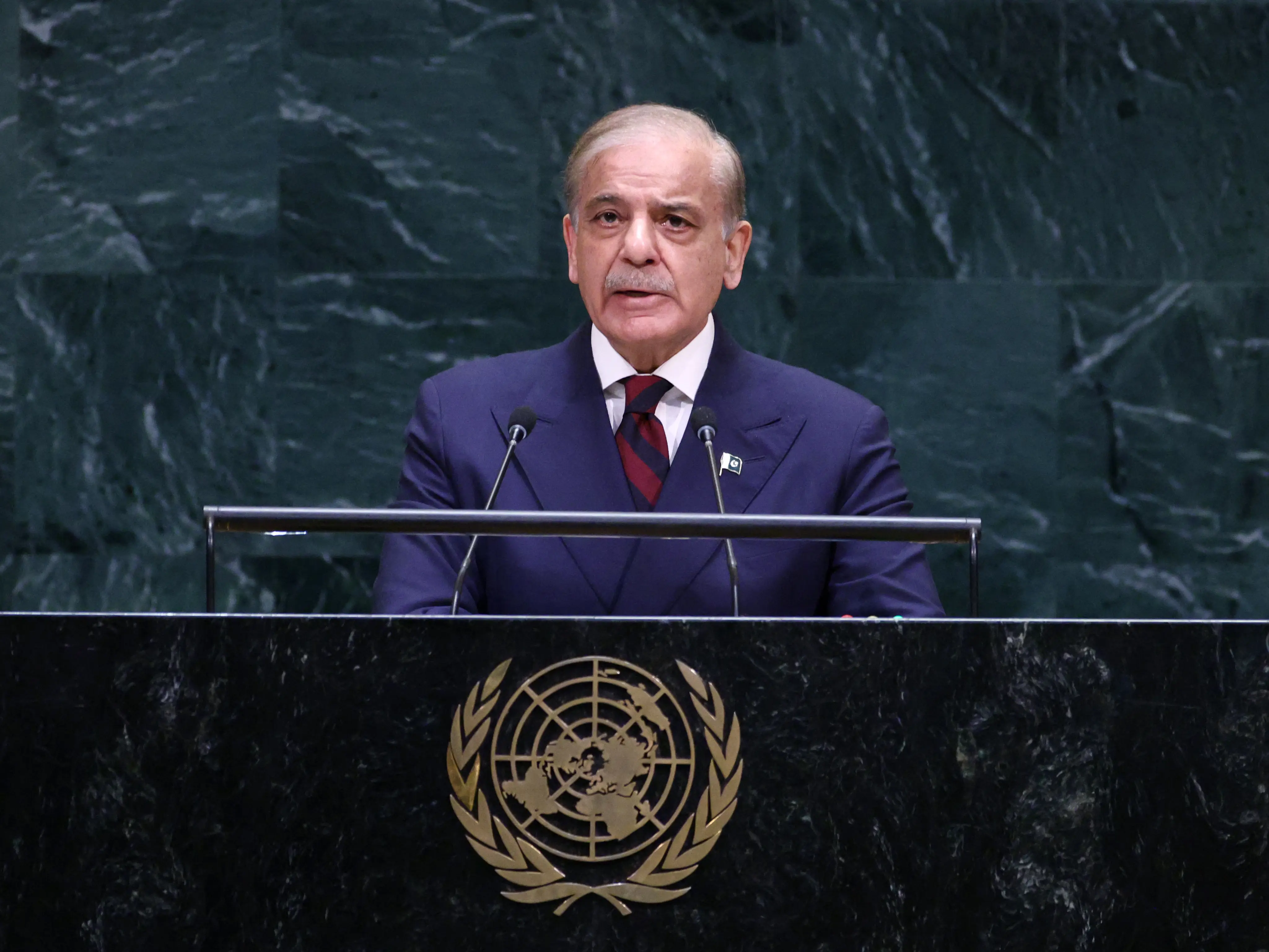)
‘Attack on Mecca a red line for Pakistan’: Shehbaz Sharif warns Houthis at UN
)
Beyond metros: How Tier-2 and Tier-3 cities could drive India’s next AI wave
)
Ramayana: Yash’s Ravana gets first official poster from Nitesh Tiwari’s epic
)
Gunmen kill 27 in two separate mass shootings in South Africa
)
WATCH | Delhi minister Parvesh Verma slaps man during road inspection – Here’s what happened
)
Two men die of suspected chemical exposure inside public toilet in Mumbai
)
LPU students go on rampage, vandalise campus amid widespread protest: What's happening
)
US vs China over South China Sea: Washington backs Philippines, Beijing hits back
&im=FitAndFill=(700,400))
New Friday OTT releases (September 25, 2026): Don’t Be Shy, Hunkkaar: The Roar, Mango Pachcha- 6 movies and TV shows on Netflix, Prime Video and more
)
UNSC reform momentum grows: Russia, Portugal, Mauritius push for India's permanent seat bid
)
Bigg Boss 20: Salman Khan schools Rhiti Tiwari over Qazi Touqeer clash, compares her to Dolly Bindra
)
'FIRST LOOK from inside Noah’s Ark': Researchers share video from inside mysterious mound in Turkey
)
Trump-Xi summit wrap: Big pageantry, Iran talks, few major developments and more meetings planned
&im=FitAndFill=(700,400))
Humanoid robots to virtual worlds! Korean sci-fi dramas to watch: Are You Human Too?, Memories of the Alhambra and more
)
OpenAI AI Agents hacked 4 websites before Hugging Face, researchers reveal
)
UK police arrest several under explosives act near air base used by US forces
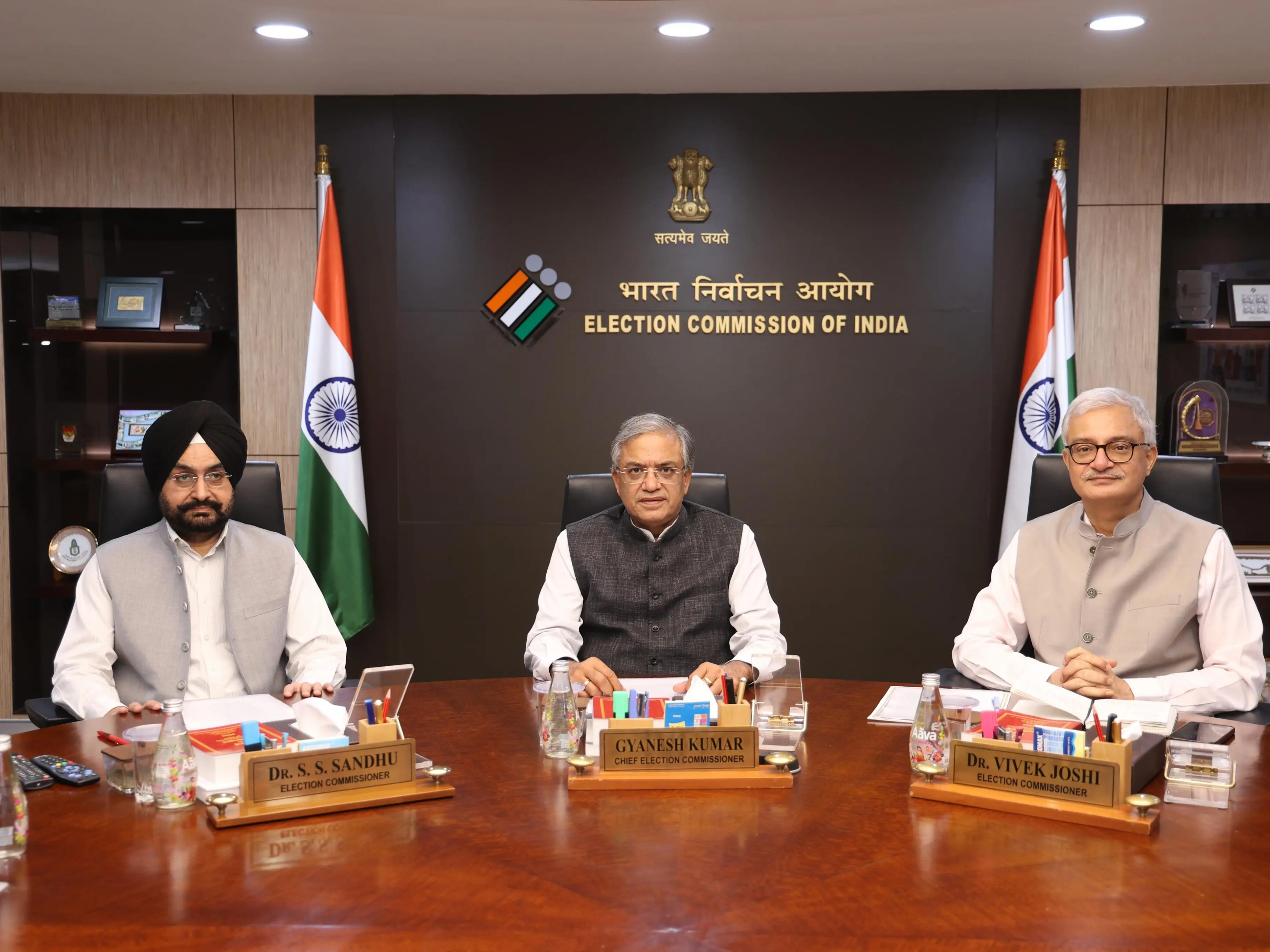)
Election Commission on 'damage control' : What do nine new decisions mean?
)
‘Olympic inclusion is our major target’: WPA President Ishaun Singh on pool’s global ambitions
)
Nations League: Spain sink England at Wembley; Modric shines for Croatia
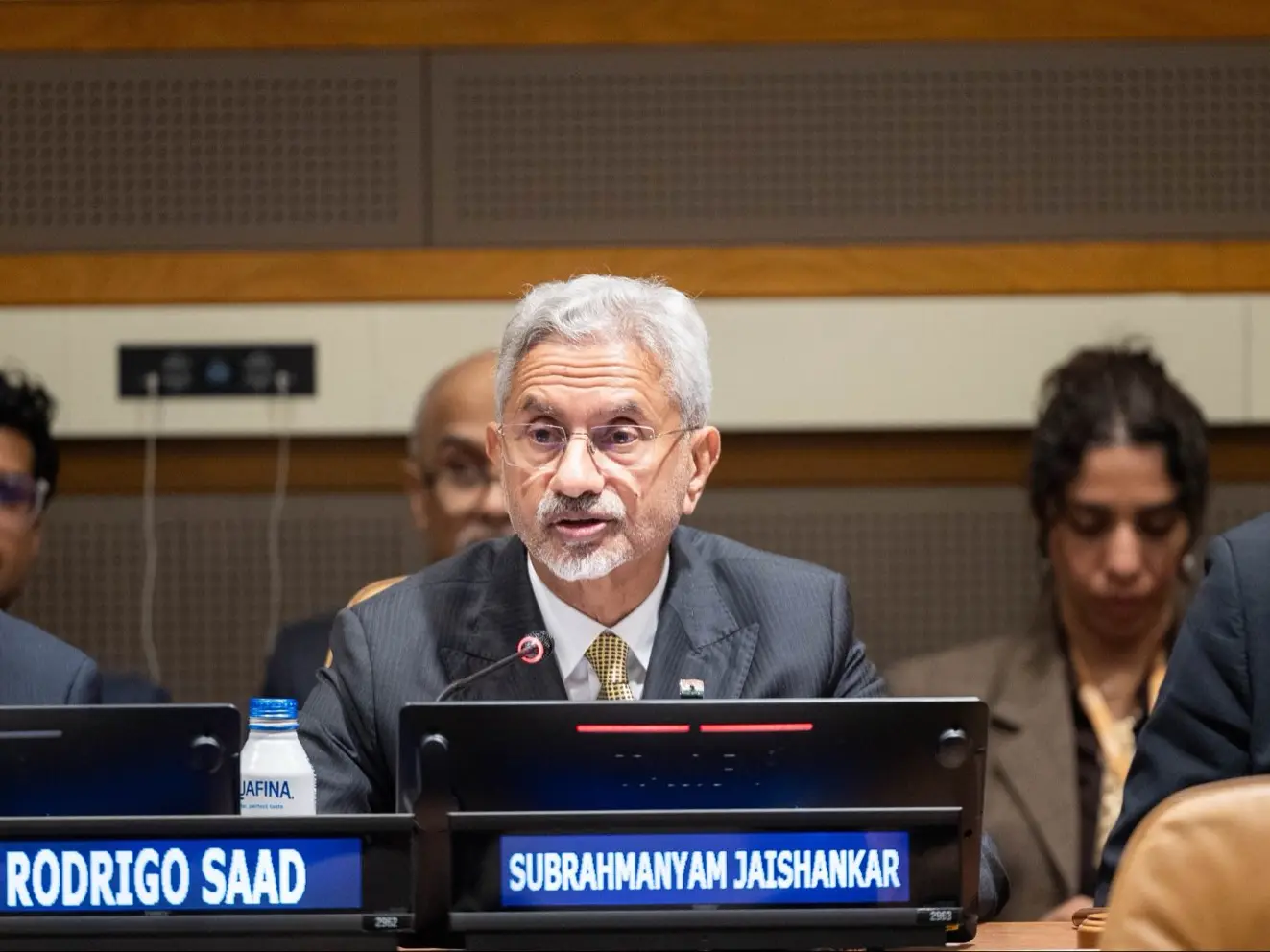)
'Countries far from conflict are penalised': Jaishankar calls for Gulf peace, seafarer safety at UN
)
Sri Lankan Tamil migrant worker gets death sentence in Saudi Arabia, help sought from India
)
US-Iran war: Trump rejects Iran's Hormuz proposal, reports suggest talks expected next week
)
Bollywood x K-pop crossover! LE SSERAFIM’s Kazuha charms fans with Shah Rukh Khan’s ‘Chammak Challo’ steps
)
IND vs WI 1st ODI: Naman Dhir debuts as India bowl first in Trivandrum; check playing XIs
)
'A terrorist country is asking me that question?': Jaishankar hits back at Pakistani journalist at UN; flags attacks on commercial shipping
)
Asian Games 2026: India face Afghanistan in quarterfinal on Sep 28; Pakistan clash with Hong Kong
The complaints – along with previously unreportedFTXdocuments seen by Reuters and three people familiar with the crypto exchange– provide new insights intohowBankman-Fried dipped into customer funds and spent billions more thanFTXwas making without the knowledge of investors, its customers and most employees.
Police in the Bahamas, whereFTXwas based, arrested Bankman-Fried on Monday evening, capping a stunning fall from grace for the 30-year-old former billionaire. His company collapsed in November afterusers rushed to withdraw deposits and investors shunned his requests for more financing.FTXdeclared bankruptcy on Nov. 11 and Bankman-Fried resigned as chief executive.
Bankman-Fried has apologised to customers, but said he didn't personally think he had any criminal liability.
The auto-liquidation exemption written intoFTXcodeallowedAlameda to continually increase its line of credit until it “grew to tens of billions of dollars and effectively became limitless,” the SEC complaint said. It was one of two ways that Bankman-Fried diverted customer funds to Alameda.
The other was a mechanism wherebyFTXcustomers deposited over $8 billion in traditional currency into bank accountssecretly controlled by Alameda. These deposits were reflected in an internal account onFTXthat was not tied to Alameda, which concealed its liability, the complaint said.
“SAFE, TESTED AND CONSERVATIVE”
As Bankman-Fried grewFTXinto one of the world’s largest crypto exchanges, consumer protection was a central tenet of his pitch for crypto regulation in the United States. Bankman-Fried stressed this theme in countless statements to customers, investors, regulators and lawmakers.FTX’s auto-liquidationsoftwarewould protect everyone, he had claimed.
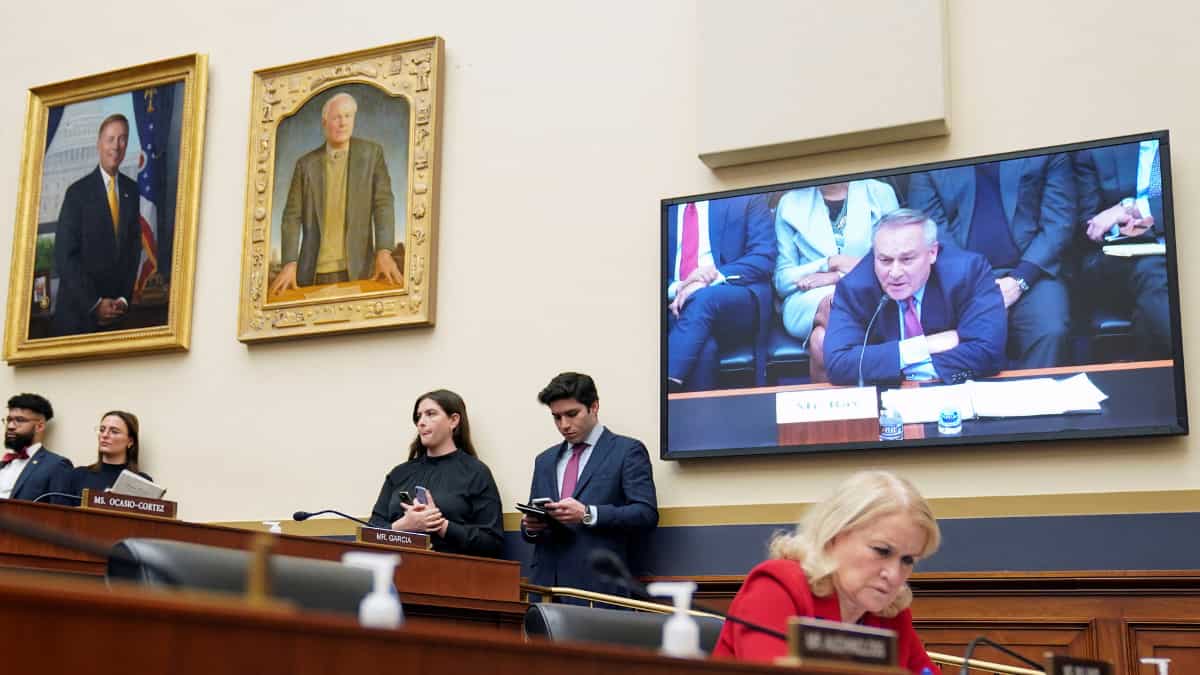
In congressional testimony on May 12, he calledFTX’ssoftware“safe, tested and conservative.”
“By quickly unwinding the riskiest, most undercollateralized positions, the risk engine prevents build-up of credit risk that could otherwise cascade beyond the platform, resulting in contagion,” Bankman-Fried had testified.
He did not tell lawmakers about thesoftwarechangeto exempt Alameda. Indeed, he told investors that Alameda received no preferential treatment fromFTX, the SEC complaint said.
Bankman-Fried had directed subordinates to update thesoftwarein mid-2020 to enable Alameda to maintain a negative balance on its account, the SEC complaint said. No other customer account at Alameda wasallowedto do so, the complaint added. This would allow Alameda to keep borrowing moreFTXfunds without the need to provide more collateral.
Insoftwaretweaks made in August 2020, Alameda was designated as the “Primary Market Maker” or “PMM,” according to a Reuters review of its codebase. Market makers are dealers who enable trading in an asset by standing ready to buy and sell it.
To explain thechange, Singh, the chief engineer, inserted a comment into the code: “Alameda would be liquidating, prevented.” He included a warning “not to liquidate the PMM."
Only Singh, Bankman-Fried and a few other topFTXand Alameda executives knew about the exemption in the code, according to three former executives briefed on the matter. A digital dashboardused by staff to trackFTXcustomer assets and liabilities was programmed so it would not take into account that Alameda had withdrawn theclientfunds, according to two of the people and a screenshot of the portal that Reuters has previously reported.
Bankman-Fried's houseof cards "began to crumble" in May 2022, the SEC complaint said.
As the value of crypto tokens plummeted that month, several of Alameda's lenders demanded repayment. Since Alameda didn't have the funds to meet these requests, Bankman-Fried directed Alameda to tap its "line of credit" withFTXto obtain billions of dollars in financing, the complaint said.
Ultimately, whenFTXcustomers dashed to withdraw theirmoneythis November, spooked by media reports about the company's financial health, many discovered that their funds were no longer there.
WATCH WION LIVE HERE
You can now write for wionews.com and be a part of the community. Share your stories and opinions with us here.

