How a $10 oil shock hits your wallet: What Indian investors must track now

&imwidth=600&imheight=450&format=webp&quality=medium "How a $10 oil shock hits your wallet: What Indian investors must track now")
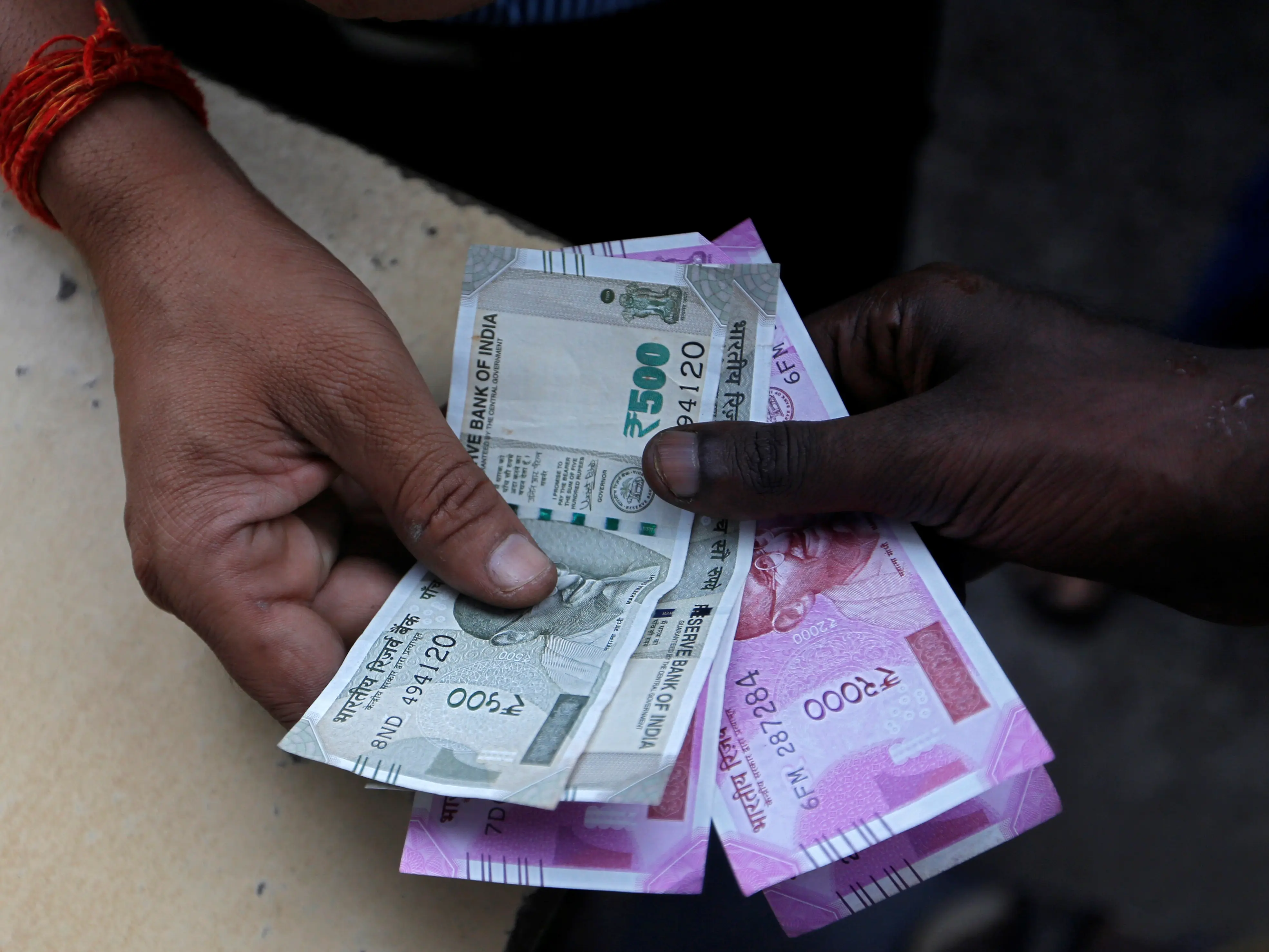
File Photo: A customer hands Indian currency notes to an attendant at a fuel station in Mumbai, India, August 13, 2018. Photograph: (Reuters)
Many times, we feel that global conflicts are too far away to affect us. But the truth is, events happening thousands of miles away can impact our daily lives—like the price we pay for fuel or groceries. The current tension between Israel and Iran is a clear example of this.
Iran has repeatedly warned that it might block Strait of Hormuz, a narrow sea route, in response to pressure from Western countries, although it has never actually done so.
On June 13, Israel carried out attacks on Iran, claiming it hit nuclear sites, missile production centres, and top military officials. This marked the beginning of a long-term mission aimed at stopping Iran from developing a nuclear weapon.
Iran has always denied that it wants to build a nuclear weapon. However, in the past, it has warned that it might shut down the Strait of Hormuz in response to pressure from Western countries. Experts say that if this important waterway is blocked, it could disrupt global trade and cause oil prices around the world to rise sharply.
The Strait of Hormuz is a narrow waterway located between Oman and Iran. It connects the Persian Gulf in the north to the Gulf of Oman and the Arabian Sea in the south.
At its narrowest point, the strait is about 21 miles (33 kilometres) wide. However, ships can only pass through a lane that is just 2 miles (3 kilometres) wide in each direction, making it a very tight and important passage for global shipping.
Why is the Strait of Hormuz important?
Trending Stories
&imwidth=280&imheight=210&format=webp&quality=medium)
&imwidth=280&imheight=210&format=webp&quality=medium)
&imwidth=280&imheight=210&format=webp&quality=medium)
&imwidth=280&imheight=210&format=webp&quality=medium)
&imwidth=280&imheight=210&format=webp&quality=medium)
&imwidth=280&imheight=210&format=webp&quality=medium)
&imwidth=280&imheight=210&format=webp&quality=medium)
&imwidth=280&imheight=210&format=webp&quality=medium)
&imwidth=280&imheight=210&format=webp&quality=medium)
&imwidth=280&imheight=210&format=webp&quality=medium)
&imwidth=280&imheight=210&format=webp&quality=medium)
&imwidth=280&imheight=210&format=webp&quality=medium)
&imwidth=280&imheight=210&format=webp&quality=medium)
&imwidth=280&imheight=210&format=webp&quality=medium)
&imwidth=280&imheight=210&format=webp&quality=medium)
&imwidth=280&imheight=210&format=webp&quality=medium)
&imwidth=280&imheight=210&format=webp&quality=medium)
&imwidth=280&imheight=210&format=webp&quality=medium)
&imwidth=280&imheight=210&format=webp&quality=medium)
&imwidth=280&imheight=210&format=webp&quality=medium)
&imwidth=280&imheight=210&format=webp&quality=medium)
&imwidth=280&imheight=210&format=webp&quality=medium)
&imwidth=280&imheight=210&format=webp&quality=medium)
&imwidth=280&imheight=210&format=webp&quality=medium)
&imwidth=280&imheight=210&format=webp&quality=medium)
&imwidth=280&imheight=210&format=webp&quality=medium)
&imwidth=280&imheight=210&format=webp&quality=medium)
&imwidth=280&imheight=210&format=webp&quality=medium)
&imwidth=280&imheight=210&format=webp&quality=medium)
&imwidth=280&imheight=210&format=webp&quality=medium)
&imwidth=280&imheight=210&format=webp&quality=medium)
&imwidth=280&imheight=210&format=webp&quality=medium)
&imwidth=280&imheight=210&format=webp&quality=medium)
&imwidth=280&imheight=210&format=webp&quality=medium)
&im=FitAndFill=(700,400)&imwidth=280&imheight=210&format=webp&quality=medium)
&imwidth=280&imheight=210&format=webp&quality=medium)
&imwidth=280&imheight=210&format=webp&quality=medium)
&imwidth=280&imheight=210&format=webp&quality=medium)
&imwidth=280&imheight=210&format=webp&quality=medium)
Nearly 20 per cent of the world’s oil passes through this narrow waterway. From early 2022 up to last month, around 17.8 to 20.8 million barrels of crude oil, gas condensate, and other fuels were transported through the strait every single day, according to data shared by Vortexa and reported by Hindu Business Line. This makes the Strait one of the most important routes for global energy supply.
Major oil-producing countries like Saudi Arabia, Iran, the United Arab Emirates (UAE), Kuwait, and Iraq—most of them members of OPEC—send most of their crude oil through the Strait of Hormuz, mainly to countries in Asia. However, both the UAE and Saudi Arabia have been trying to create alternative routes to avoid depending only on this narrow passage.
According to the U.S. Energy Information Administration, as of June last year, about 2.6 million barrels per day of extra capacity from pipelines in the UAE and Saudi Arabia could be used to move oil without going through the Strait of Hormuz.
Qatar, one of the world’s top exporters of liquefied natural gas (LNG), sends nearly all of its LNG shipments through this narrow strait.
Although Iran has often warned that it might block the strait in response to foreign pressure, it has never actually done so.
To keep the area safe for international trade, the U.S. Navy’s Fifth Fleet, based in Bahrain, is responsible for protecting commercial ships passing through the region.
How Distant Wars Drain Your Wallet
Many times, we feel that global conflicts are too far away to affect us. But the truth is, events happening thousands of miles away can impact our daily lives—like the price we pay for fuel or groceries. The current tension between Israel and Iran is a clear example of this. The biggest concern for most people? Rising crude oil prices.
In just five days, Brent crude prices jumped by 7 per cent, crossing $70 per barrel. For India—which buys 89 per cent of its oil from other countries—even a small price rise can have a big impact on the entire economy.
In the financial year 2024–25, India spent $137 billion on oil imports, making up about 15 per cent of the country’s total import expenses. So, when global oil prices go up, it affects almost everything—from petrol and diesel to food prices and transportation costs. It’s like an extra hidden burden on both ordinary people and businesses.
What a $10 Increase in Oil Prices Really Means
When crude oil prices go up by $10, it usually affects the economy in two major ways. The country’s overall growth (GDP) may slow down by about 0.3 to 0.4 per cent, and inflation (CPI) may rise by around 0.4 per cent. But these changes aren’t just numbers in reports—they impact everyday life. Families, businesses, and the economy as a whole start feeling the pinch in many different ways.
Here's a simple example to explain how a $10 increase in crude oil prices can affect everyday life:
Oil Price Ripple Effect
Let’s say crude oil goes up by $10 per barrel.
- Fuel prices rise: Petrol and diesel become costlier. If you were paying ₹100 per litre, you might now pay ₹105 or more. This directly affects people who drive or use public transport.
- Transportation costs increase: Trucks and delivery vehicles use more expensive fuel, so transporting goods like vegetables, fruits, and groceries costs more. That means prices at your local market or supermarket also go up.
- Higher production costs: Factories that use oil or gas to run machines or generate power also face higher bills. To make up for that, they raise the prices of products like packaged foods, paints, tyres, or even plastic items.
- Air travel becomes expensive: Airlines spend more on aviation fuel, so ticket prices go up. A budget flight from Bengaluru to Delhi that used to cost ₹4,000 might now cost ₹4,500 or more.
- Household budget is hit: As everything from cooking gas to daily groceries gets costlier, families have to cut back on spending or save less. This affects the overall economy because when people spend less, businesses earn less too.
So, a $10 oil hike may seem small, but it touches almost every corner of life—like a chain reaction.
Inflation’s Hidden Daily Cost
An example of how a 0.4% increase in CPI (Consumer Price Index) affects you:
The CPI measures the average change in the prices of goods and services people use every day—like food, fuel, clothes, transport, and rent. So, when CPI goes up by 0.4%, it means that the overall cost of living has increased by that much.
Let’s say your monthly household expenses are ₹50,000. A 0.4 per cent rise in CPI means your costs will go up by:
₹50,000 × 0.004 = ₹200
So now, you’ll be spending ₹50,200 per month for the same things.
It might not seem like a big jump at first—but over a year, that’s ₹2,400 extra, just due to inflation caused by rising oil prices. And this is just a basic estimate—if oil prices stay high or keep increasing, the impact could be even more.
In short, a 0.4 per cent CPI rise is like a slow, silent drain on your wallet.
Industries Likely to Face Rising Costs
- Airlines: Fuel is one of the biggest expenses for airlines. When oil prices go up, jet fuel becomes costlier. This reduces their profits. Airlines may either bear the extra cost or increase ticket prices, which could make people travel less. For instance, InterGlobe Aviation (which operates Indigo) spent around 31.1 per cent of its earnings on fuel in the financial year 2025.
- Logistics and FMCG (Fast-Moving Consumer Goods): Transporting goods becomes more expensive when fuel prices rise. Delivery companies have to pay more for diesel, and brands that sell daily-use items or online products also face higher transport costs. This either cuts into their profit or forces them to increase prices, which can reduce customer demand.
- Paint Companies: Paint manufacturers rely on raw materials like binders, solvents, and additives—all of which are derived from crude oil. When oil prices go up, the cost of these materials also increases, making it more expensive to produce paint.
- Auto Companies: The auto industry is closely tied to oil. When fuel prices rise, it becomes costlier to run petrol or diesel vehicles. As a result, people may postpone buying new cars or choose smaller, fuel-efficient ones. This can lead to a drop in sales and tighter profit margins. To stay competitive, automakers may reduce prices, offer attractive loans, or cut production costs. Simply put, higher oil prices reduce demand and push companies to adapt.
- Fertiliser Companies: Fertilisers like urea and DAP (diammonium phosphate) use ammonia as a key ingredient, and ammonia is made using natural gas. So, when oil and gas prices rise, the cost of making fertilisers also goes up. This affects fertiliser companies because their production becomes more expensive. Sometimes, they have to increase prices, which can hurt demand. Other times, they absorb the costs, which reduces their profits. In either case, rising fuel prices create a big challenge for the fertiliser industry.
Sectors That Could Do Well
- Oil Refiners: When crude oil prices fluctuate sharply, the difference between the cost of buying crude oil and the price at which companies sell refined products like petrol, diesel, and jet fuel becomes important. This difference is called the crack spread. For example, if a refiner buys crude oil at ₹5,000 per barrel and sells the refined fuels for ₹6,500, the ₹1,500 difference is their profit margin. When this margin widens due to market conditions, oil refiners make more profit, even if crude prices are high.
- Defence Companies: During times of global tension or war threats, governments tend to spend more on military preparedness. This results in increased orders for defence companies, boosting their revenue. Investors also consider these companies more stable during uncertain times, making their stocks more attractive.
- Gold & Bonds: When risk levels go up globally—like during wars or economic crises—investors often pull their money out of stocks and move it into safer assets like gold and bonds. This shift increases demand and prices for gold and bonds, helping existing investors earn better returns.
As an Investor, What Should You Watch?
Here’s what you need to keep an eye on if you want to understand how rising oil prices could affect the Indian economy and markets:
- Brent Crude Above $80: When Brent crude oil trades above $80 per barrel, India’s oil import bill rises sharply. This pushes up inflation because fuel and transportation become costlier. As a result, foreign investors (FIIs) may start pulling money out of Indian markets, fearing lower profits. That can lead to a stock market correction.
Example: If oil hits $90, petrol prices may rise by ₹4–₹5 per litre, impacting consumer spending and investor sentiment. - Rupee vs Dollar (USD/INR) Movement: India buys crude oil using US dollars. So, if the rupee weakens against the dollar, it makes oil even more expensive for India, worsening inflation. Investors should monitor how the rupee is trading compared to the dollar.
Example: If ₹82 was worth 1 USD earlier and weakens to 85, the same oil shipment costs more rupees now—this pushes up overall fuel costs. - RBI’s Policy Signals: When inflation goes up due to expensive oil, the Reserve Bank of India (RBI) may avoid cutting interest rates—or may even raise them.
Why does RBI keep rates high?
High interest rates help control inflation. By making loans and EMIs expensive, the RBI reduces demand for borrowing and spending. This helps cool off rising prices across the economy. But the flip side is that businesses borrow less, and consumers spend cautiously. That can slow down economic growth.
Example: If inflation stays above 6 per cent, RBI may delay rate cuts for months, meaning your home loan EMIs won’t come down anytime soon.
