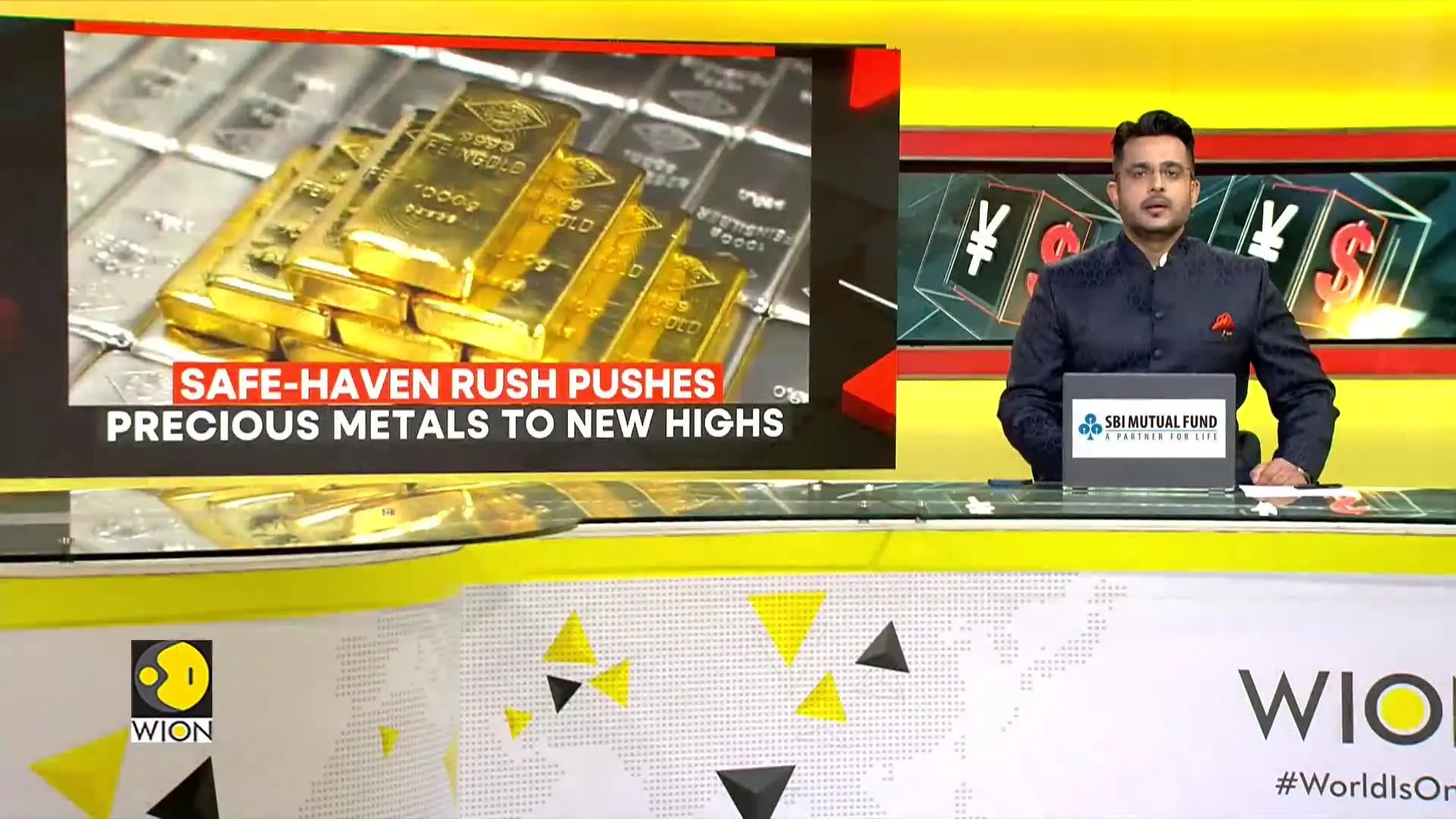
Gold breaches $5,000 per ounce for first time in history, silver at new high. Are we in ‘irrational exuberance’ territory?

&imwidth=600&imheight=450&format=webp&quality=medium "Gold breaches $5,000 per ounce for first time in history, silver at new high. Are we in ‘irrational exuberance’ territory?")
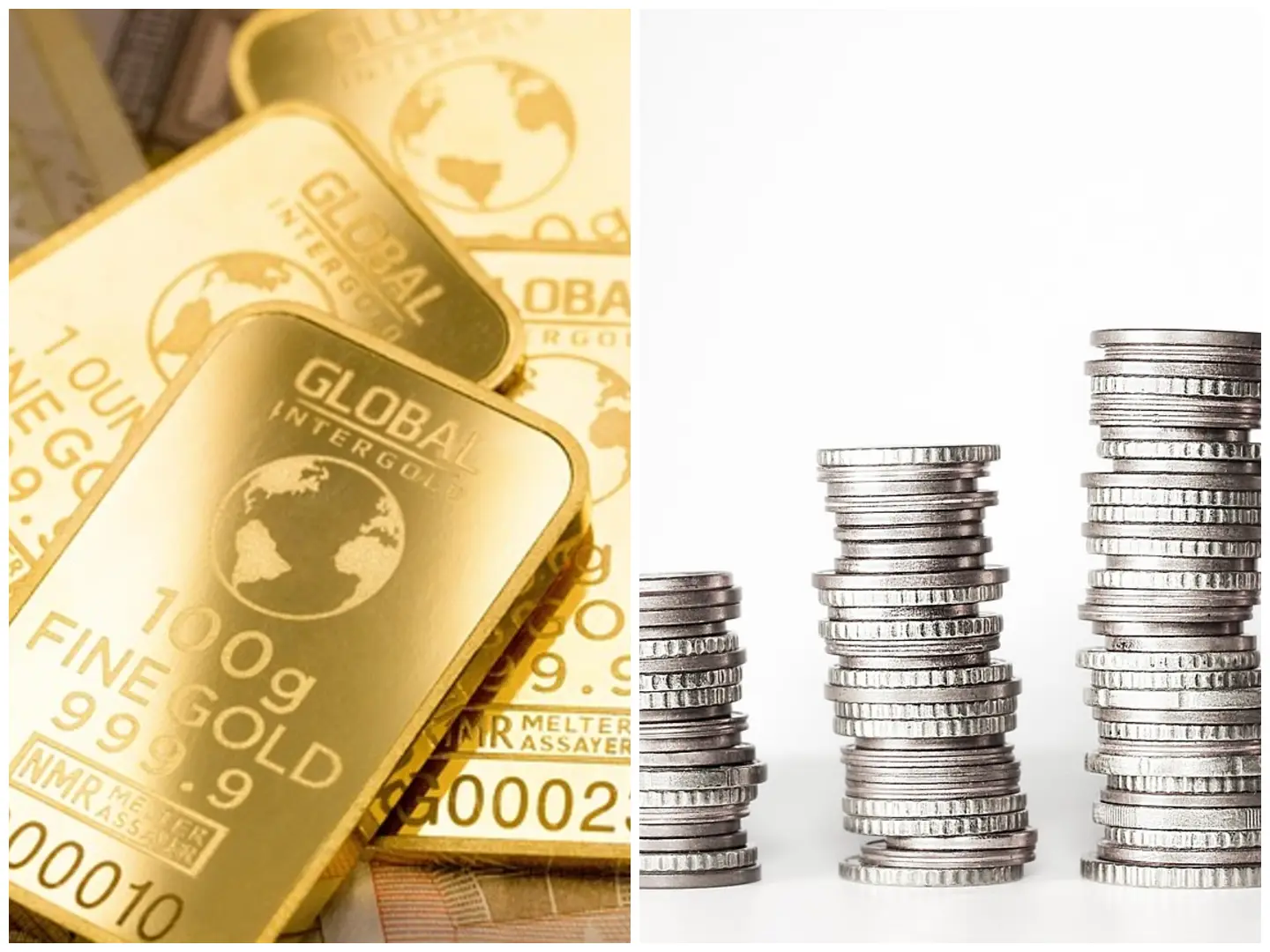
Representative images of gold bars and silver coins Photograph: (Others)
Are we seeing a bubble in gold and silver prices that would inevitably burst? Gold crossed $5,000 per ounce for the first time ever, while silver hit new highs above $100. What are the factors driving this, and are we in ‘irrational exuberance’ territory?
Gold prices hit $5,000 per ounce for the first time ever in history, even as silver prices breached another all-time record. For two assets long known fore for their store of value than real-world usage, gold and silver’s unprecedented rally is raising questions as to whether this is irrational exuberance. Geopolitical uncertainties, central bank purchases, and the use of silver in emerging technologies like electric vehicles may be some reasons. But how far can this rally be sustained? Here are the factors to consider.
Gold and silver: How have prices risen in past year?
Gold spot prices breached the $5,000 mark for the first time ever, trading in spot markets at around $5,074.48 per ounce on Monday (Jan 26) after hitting an all-time high of $5,091.14. The bull run is because gold is enjoying strong momentum, up roughly 85 per cent year-on-year, having risen 17 per cent in the past month alone.
Silver, meanwhile, is growing more explosively, having hit $108.17 per ounce on Monday after an all-time high of over $100 for the first time on January 23. In percentage terms, this represents higher growth than gold, a surge of over 258 per cent on the year and a rise of 50 per cent in the past month alone.
What is driving the precious metals rally?
Trending Stories
)
)
)
)
)
)
)
)
)
)
)
)
)
)
)
)
)
)
)
)
)
)
)
)
)
)
)
)
&im=FitAndFill=(700,400))
)
)
)
)
)
)
)
)
The growth is mainly because of risk aversion in the market, causing safe-haven flows to the metals. In a world where news flow is virtually led by Donald Trump, heightened geopolitical and policy uncertainties are making investors opt for safer bets. It started with various tariff threats by the Trump administration amid the Ukraine–Russia war. Trade frictions pitting the US on one side and virtually all friends and foes on the other — including China, India and the European Union — continued over the past year. Conflicts and regime-change risks involving nations particularly active in oil trade — Venezuela, Russia and Iran — have indicated broader instability.
At the domestic level in the US, expectations of accommodative Federal Reserve monetary policy amid potential rate cuts were another reason, as the dollar became less attractive as an asset. Central banks across the world are now accumulating more gold too.
There is strong demand for gold in Asia, particularly in nations like India, with higher inflows into exchange-traded funds (ETFs) and investments by both retail and institutional investors.
There are also supply-side issues, contributed to by geopolitical tensions. There is an acute shortage of silver due to mining deficits. Silver now has a newfound utility in sunrise industries like solar energy, electric vehicles, electronics, and artificial intelligence.
But is it irrational exuberance?
Investors are hedging against fiscal risks by increasing their gold and silver holdings. Concerns over rising inflation and a lack of confidence in traditional fiat systems like the dollar are contributing to this bull run. There are higher forecasts for gold by Goldman Sachs, which pegged it to hit $5,400 per ounce in 2026, citing sustained demand from investors and central banks.
It is not clear if this is a case of irrational exuberance, particularly for gold. Gold derives most of its value as a non-yielding store of value and hedge. It has limited practical utility beyond jewellery, investment, and minor applications in electronics and dentistry.
Silver, as mentioned earlier, is more useful in current industries.
There are reasons to believe that current price trends match those of bubble-like characteristics seen in the past. Most of the ETF premiums are driven by fear of missing out, meaning some investors are flocking to the asset because everyone else is. This amounts to what could be called ‘herd momentum’. It is similar to speculative pricing seen in the past.
There is a strong chance that price corrections could be very sharp whenever they occur.
If the risk of global wars and conflicts ease suddenly, the fall in prices could happen even before 2026 closes.
But some analysts, such as those at JP Morgan and Goldman Sachs, argue that the fundamentals are strong for the metals, particularly given asset diversification by central banks and dwindling supply, especially for silver.