Global wetlands disappearing at alarming rate, threatening $39 trillion in economic losses

&imwidth=600&imheight=450&format=webp&quality=medium "Global wetlands disappearing at alarming rate, threatening $39 trillion in economic losses")
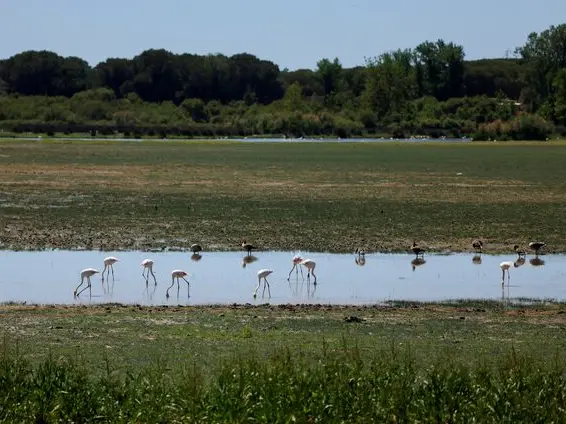
Animals are pictured in marshes at Donana National Park, where drought has reduced water levels, in El Rocio village, Spain April 25, 2023. Photograph: (Reuters)
According to the Global Wetland Outlook 2025, approximately 22 per cent of wetlands worldwide have disappeared since 1970, marking the fastest rate of ecosystem decline.
A new report from the Convention on Wetlands reveals a disturbing trend: the world’s wetlands, essential for supporting global food security, flood regulation, and climate resilience, are vanishing at an unprecedented pace. If current trends continue, the report warns, the loss of wetlands could result in a staggering $39 trillion in economic damage by 2050. According to the Global Wetland Outlook 2025, approximately 22 per cent of wetlands worldwide have disappeared since 1970, marking the fastest rate of ecosystem decline. Wetlands, which cover just 6 per cent of the Earth’s surface, provide crucial services such as water purification, carbon storage, fisheries support, and flood control. Their rapid destruction threatens both biodiversity and human livelihoods.
The report identifies several key drivers behind this loss: land-use changes, pollution, agricultural expansion, invasive species, and the impacts of climate change, including rising sea levels and prolonged droughts. These pressures have led to the loss of 411 million hectares of wetlands globally—equivalent to the size of half a billion football pitches. Alarmingly, a quarter of the remaining wetlands are now classified as being in a degraded state.
Urgent action needed for wetland restoration
The report calls for significant financial investment to reverse these destructive trends, with estimates ranging from $275 billion to $550 billion annually. Without immediate action, the report warns that the cost of inaction could be catastrophic, with wetlands poised to continue disappearing at an average rate of 0.52 per cent per year.
“We are sitting on a $10 trillion opportunity,” said Dr. Musonda Mumba, Secretary General of the Convention on Wetlands. “Restoring wetlands could unlock these benefits, but we’re running out of time.” The report emphasises that wetlands are vital to the water cycle, climate regulation, and supporting millions of people’s livelihoods worldwide.
Global efforts and the way forward
Trending Stories
&imwidth=280&imheight=210&format=webp&quality=medium)
&im=FitAndFill=(700,400)&imwidth=280&imheight=210&format=webp&quality=medium)
&imwidth=280&imheight=210&format=webp&quality=medium)
&imwidth=280&imheight=210&format=webp&quality=medium)
&imwidth=280&imheight=210&format=webp&quality=medium)
&imwidth=280&imheight=210&format=webp&quality=medium)
&imwidth=280&imheight=210&format=webp&quality=medium)
&imwidth=280&imheight=210&format=webp&quality=medium)
&imwidth=280&imheight=210&format=webp&quality=medium)
&imwidth=280&imheight=210&format=webp&quality=medium)
&imwidth=280&imheight=210&format=webp&quality=medium)
&imwidth=280&imheight=210&format=webp&quality=medium)
&imwidth=280&imheight=210&format=webp&quality=medium)
&imwidth=280&imheight=210&format=webp&quality=medium)
&imwidth=280&imheight=210&format=webp&quality=medium)
&imwidth=280&imheight=210&format=webp&quality=medium)
&imwidth=280&imheight=210&format=webp&quality=medium)
&imwidth=280&imheight=210&format=webp&quality=medium)
&imwidth=280&imheight=210&format=webp&quality=medium)
&imwidth=280&imheight=210&format=webp&quality=medium)
&imwidth=280&imheight=210&format=webp&quality=medium)
&imwidth=280&imheight=210&format=webp&quality=medium)
&imwidth=280&imheight=210&format=webp&quality=medium)
&imwidth=280&imheight=210&format=webp&quality=medium)
&imwidth=280&imheight=210&format=webp&quality=medium)
&im=FitAndFill=(700,400)&imwidth=280&imheight=210&format=webp&quality=medium)
&imwidth=280&imheight=210&format=webp&quality=medium)
&imwidth=280&imheight=210&format=webp&quality=medium)
&imwidth=280&imheight=210&format=webp&quality=medium)
&imwidth=280&imheight=210&format=webp&quality=medium)
&imwidth=280&imheight=210&format=webp&quality=medium)
&imwidth=280&imheight=210&format=webp&quality=medium)
&imwidth=280&imheight=210&format=webp&quality=medium)
&imwidth=280&imheight=210&format=webp&quality=medium)
While the situation is dire, the report highlights some successful wetland restoration efforts, demonstrating that recovery is possible. In Zambia’s Kafue Flats, a $300,000 restoration project improved water systems and supported over 1.3 million people. Similarly, the Regional Flyway Initiative in Asia protects wetlands critical to migratory birds and nearly 200 million people.
The Convention on Wetlands will address these challenges at its 15th meeting in Victoria Falls, Zimbabwe, later this month, where representatives from 172 countries will discuss strategies for conservation, restoration, and financing. However, with rising global tensions and geopolitical uncertainty, it remains unclear whether all nations will participate in this crucial gathering.
With continued degradation most severe in Africa, Latin America, and the Caribbean, the report underscores the need for robust international cooperation. Nations like Zambia, Cambodia, and China have already initiated restoration projects, but greater global commitment is needed to tackle the urgent crisis facing the world’s wetlands.