EU hikes tariffs on Chinese electric vehicles to 45%


EU has hiked tariffs on Chinese electric vehicles
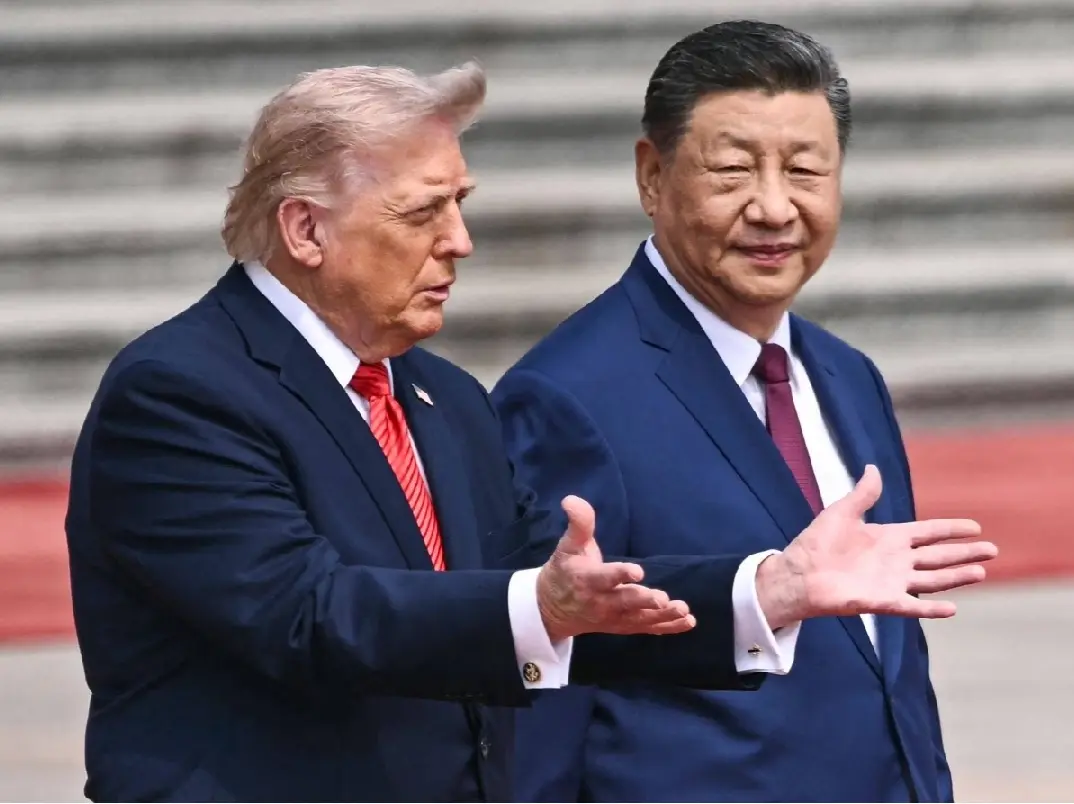
The European Union voted on Friday to impose tariffs up to 45 per cent on Chinese-made electric vehicles, in a decision likely to ratchet up tensions with Beijing, according to a report by CNBC.
Now, the European Commission, the bloc's executive arm, can act to enforce the duties that would last for five years. Ten member states have reportedly supported the measure. Germany and four others voted against it, and 12 abstained.
This follows an investigation that concluded China was unfairly subsidising its industry. Beijing rejects this accusation and has threatened it with retaliatory tariffs on European sectors such as dairy, brandy, pork, and automobiles.

The bloc is working to diversify away from the country after former European Central Bank President Mario Draghi sounded a warning that "China's state-sponsored competition" threatens the EU and leaves it at risk of blackmail. Last year, the EU traded with China €739 billion ($815 billion) in volume, and there was disagreement within the bloc about acting on the tariffs.
The EU and China are in negotiations, seeking an alternative to the tariffs. Both sides are weighing the options of whether it is possible to be able to conclude an agreement regarding a system for controlling prices and volumes of exports instead of the duties.
The European Commission now declares that any alternative has to meet strict criteria such as not violating World Trade Organization regulations, adjustments for the adverse effects of Chinese subsidies, and something the EU can monitor effectively for compliance.
)
Justice eludes Air India 1985 bombing victims as Canada probe goes 'inactive' | Gravitas
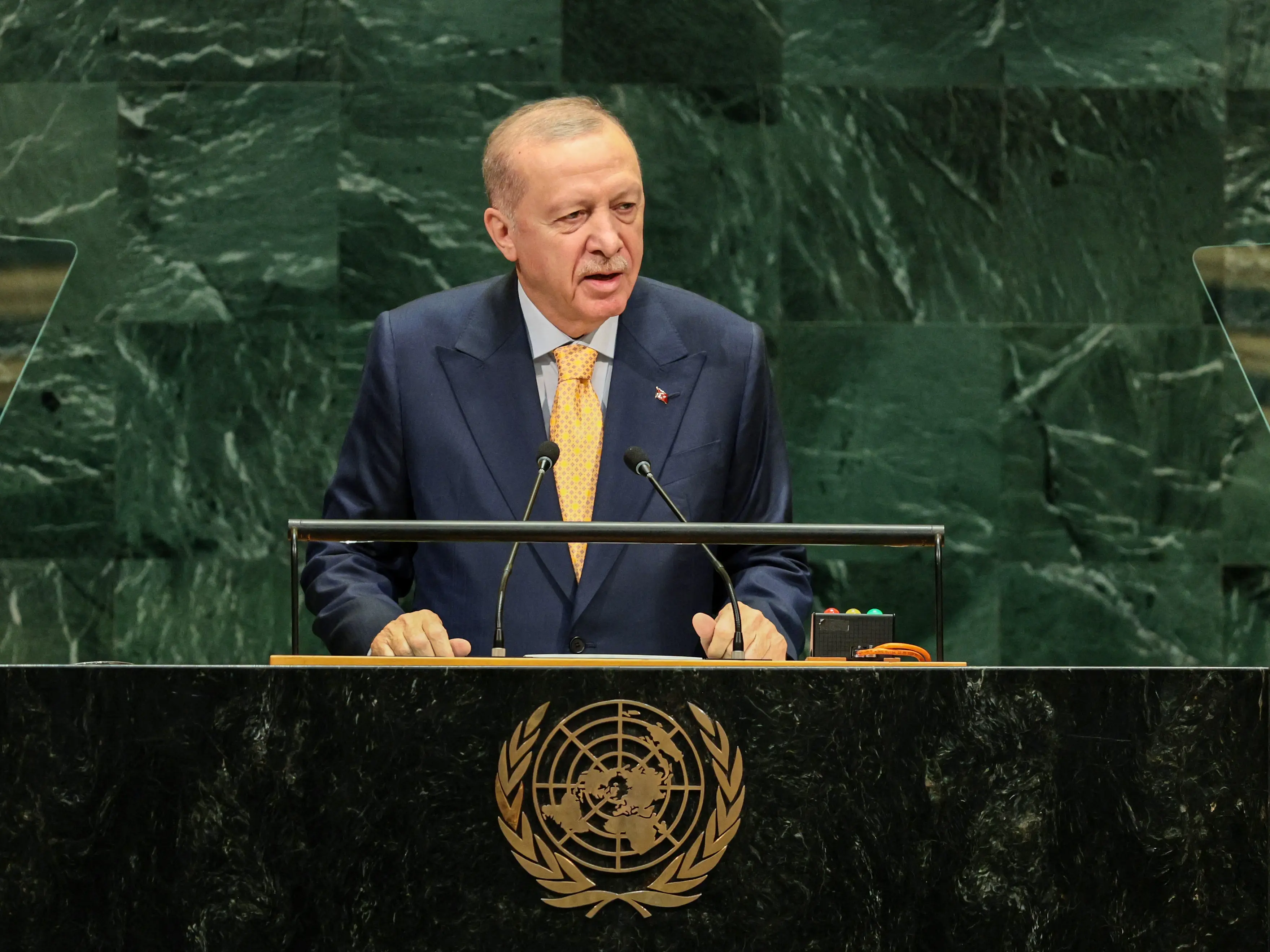)
Erdogan again raises Kashmir issue at UNGA, calls for dialogue under UN Charter
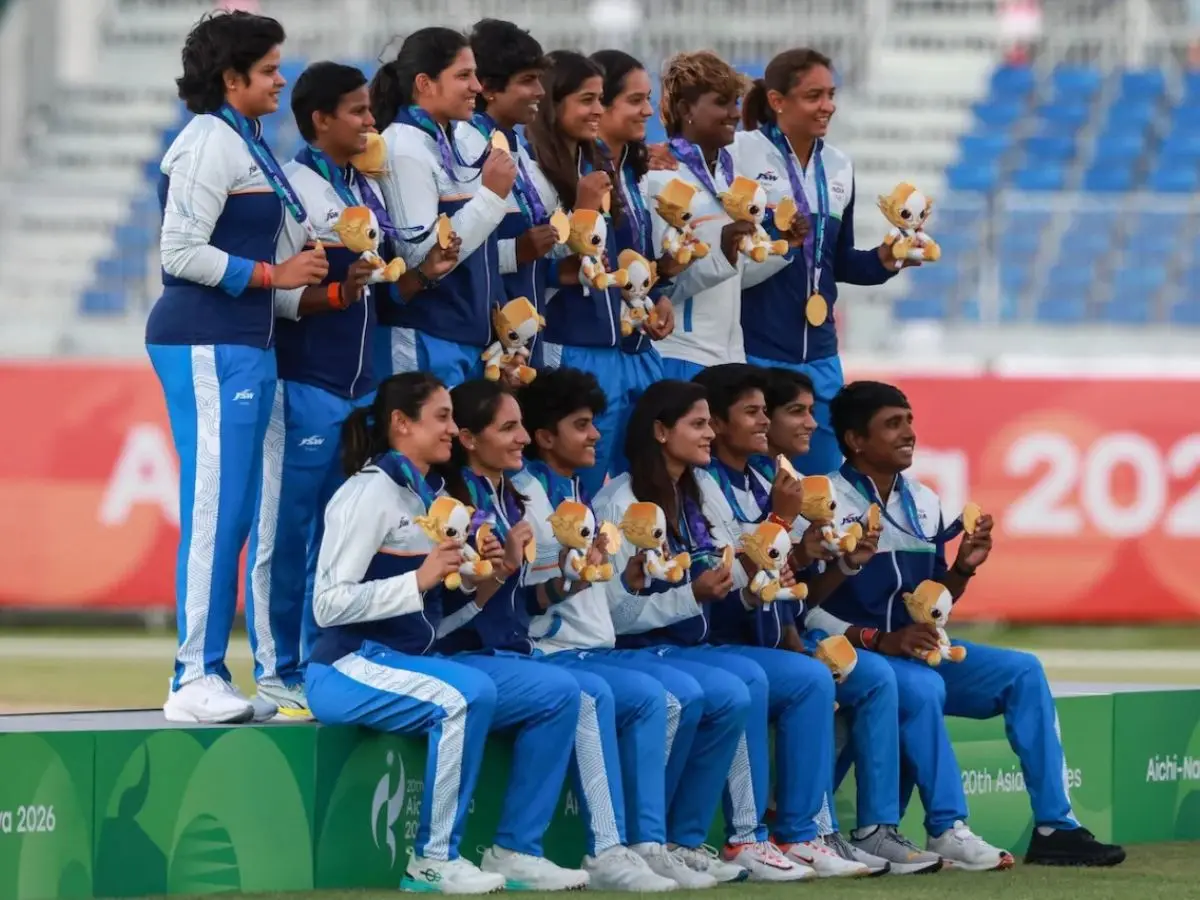)
'Our team opened the gate of gold medals': Harmanpreet Kaur on India’s Asian Games final win
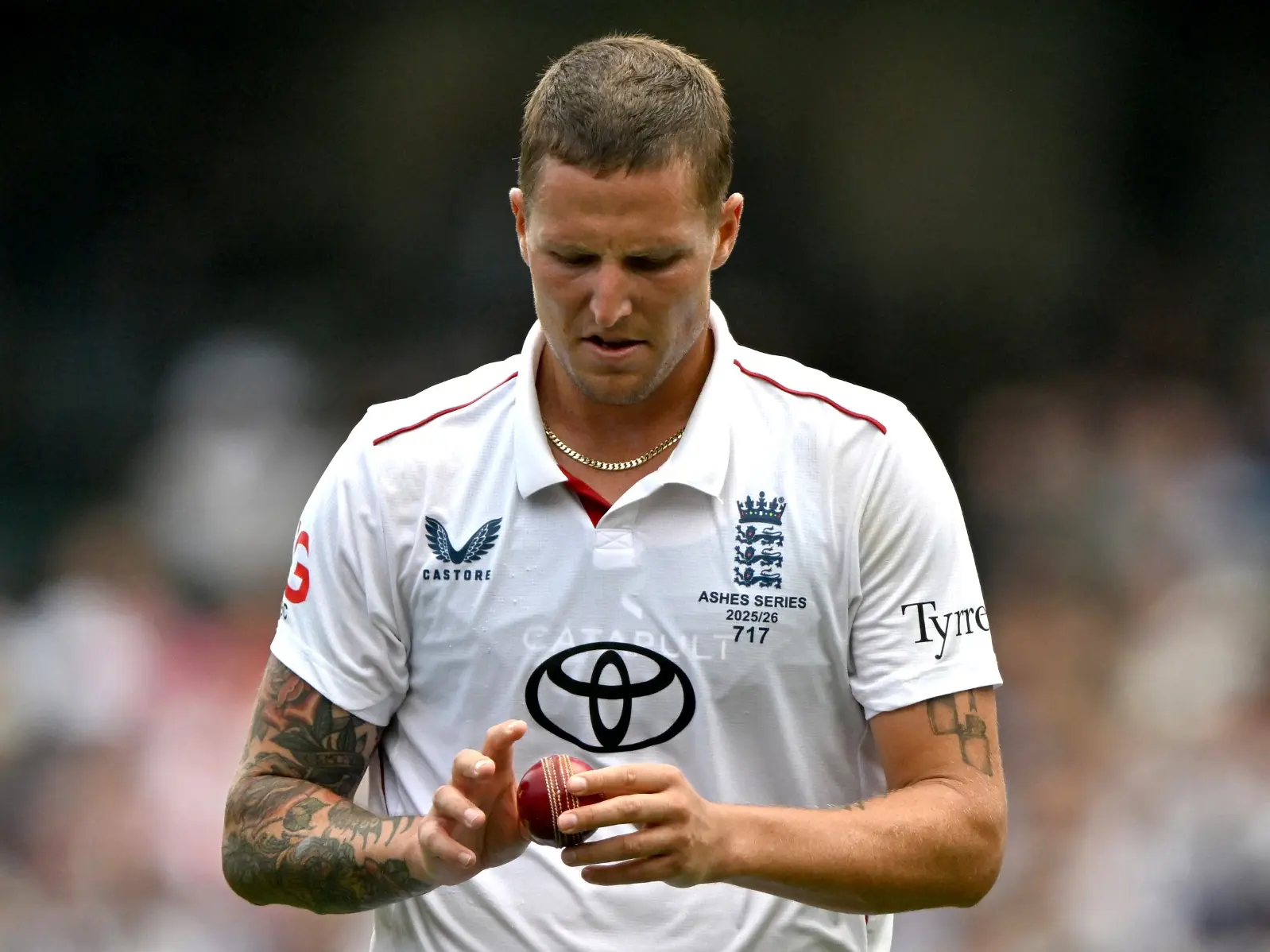)
'Needs time away from the international scene': England white-ball captain Brook on pacer Brydon Carse's future
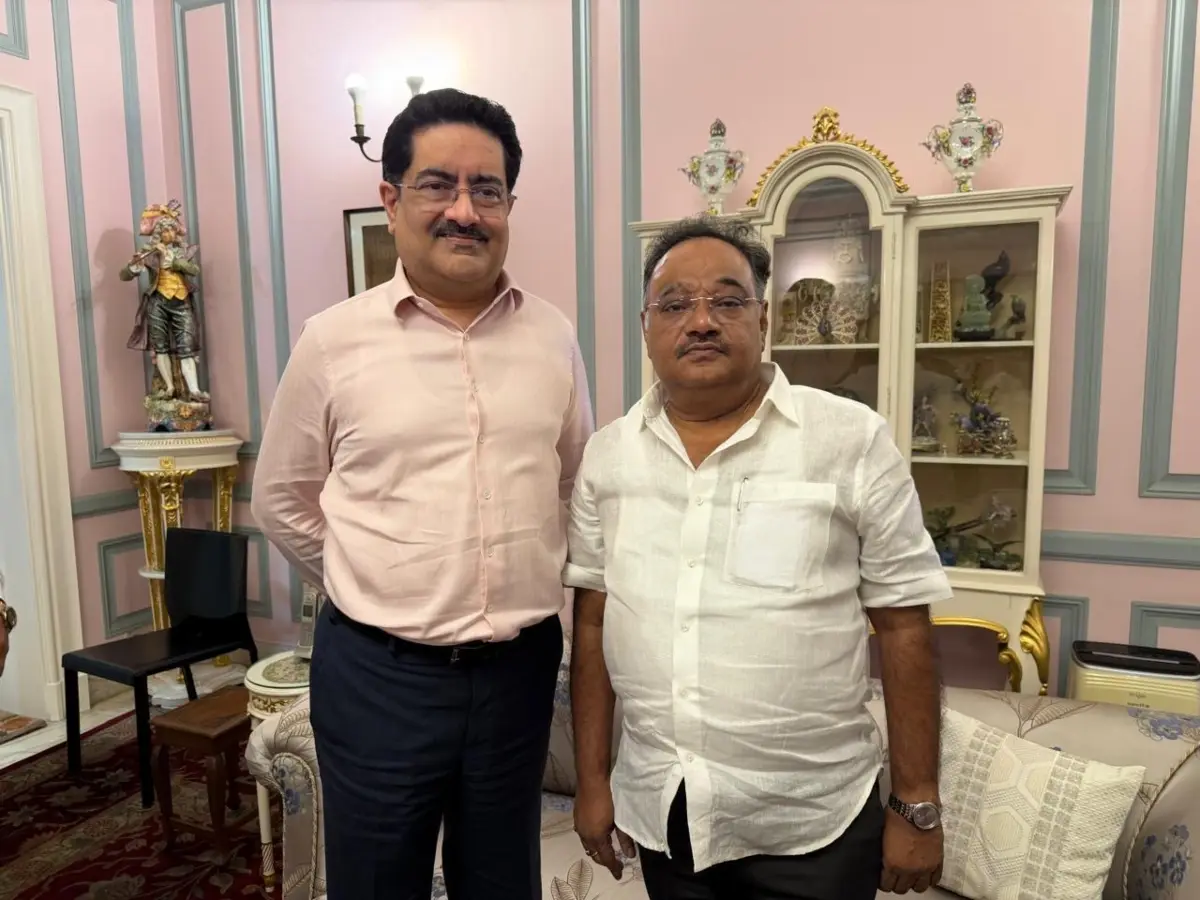)
Four decades after leaving Kolkata, the Birlas may be coming back for more
)
The Verdict | Moral policing isn’t culture or discipline, it’s crime
)
Cyclone Arnab: Landfall expected before midnight tomorrow as IMD issues orange alerts across six states
)
Glitch in the matrix caught on camera: Woman vanishes after talking to reporter
)
Rani Mukerji's mother Krishna Mukerji passes away; Karan Johar, Jaideep Ahlawat visit actress
)
Asian Games 2026: India women's cricket team beats Sri Lanka by 147 runs for first gold
)
ICC plans T20I expansion and fewer ODIs in 2027–2031 FTP cycle: Report
)
Key accused in Bihar's Jamui molestation case, arrested after police shoot him in leg
)
'Mumma’s boy from Gwalior who dared to dream': Kartik Aaryan pens long note after first National Award win
)
Gravitas | Boosting NHS productivity could save 20,600 lives in UK annually: Report
)
US and China vie for AI dominance as calls grow for regulation | Gravitas
)
Yemen clashes kill 154 people in two days as cornered Saudi battles Houthi offensive | Gravitas
72nd National Film Awards: Kartik Aaryan receives Best Actor honour for Chandu Champion in Gujarat
)
Bomb scare in New York amid UNGA: Suspicious suitcase found near UN headquarters
)
IND vs JPN, one-off T20I: Japan captain Kendel on pushing India to the brink - ‘It was special’
)
Raaka creates history! Allu Arjun’s film secures Guinness World Record ahead of release
)
Saudi Arabia exits China-led mBridge digital currency platform amid Saudi-Houthi conflict
)
WION Iconic Tourism Summit and Awards 2026: Key voices to discuss India’s tourism future
)
National Film Awards 2026: Yami Gautam wins Best Actress for Article 370
)
World leaders repeatedly call Gaza crisis ‘genocide’ as Israel’s war dominates opening sessions of UNGA
)
WION Iconic Tourism Summit and Iconic Awards 2026: India's travel economy leaders gather in Delhi
)
American manufacturing is reshoring faster than its factory floors can absorb
&im=FitAndFill=(700,400))
New OTT releases this week (September 21-27, 2026): Shaque: Trust No One, Hunkkaar, Don’t Be Shy- 5 new titles coming to Netflix, Prime Video and more
)
Trump calls on nations to quit ‘rogue’ and ‘out-of-control’ International Criminal Court, rips UN
)
Who is Clavicular? The 20-year-old controversial 'Looksmaxxing' influencer charged with rape allegations
)
'This is normally what toddlers do': Why a psychiatrist is raising fresh questions about Trump’s recent behaviour
&im=FitAndFill=(700,400))
National Film Awards 2026: Kartik Aaryan, Mammootty, Yami Gautam, Randeep Hooda and other key winners
)
‘Strike a deal or drive Iran into hell’: Trump issues fresh warning to Tehran at UNGA
)
Trump calls Cuba a ‘failed state’ at UN, Cuban delegation walks out
)
Over 4,200 books withdrawn from circulation in J&K colleges, 94% from Kashmir
)
Trump’s China visa crackdown puts US universities, Chinese students in focus ahead of Trump- Xi summit
)
Explainer: Why rare-earth export licences and Board of Trade are US priorities ahead of Trump-Xi summit
)
Oil slips to $98 as Saudi Arabia restarts East-West oil pipeline
)
‘Shame on you’: Netanyahu vows to ‘tell the truth’ about Mamdani at UN ahead of New York visit
For instance, the new tariff rates placed on electric vehicle manufacturers exported from China might be up to 35 per cent. Added to this is the new rate, which will be added on top of the existing 10 per cent rate.
The Chinese EV manufacturers will have to decide either to absorb these tariffs or raise prices, especially at a time when slowing demand in the country is already cutting into their profit margins. The very possibility of tariffs has led some Chinese automobile manufacturers to consider the establishment of manufacturing units in Europe, which may help them bypass the duties.
The additional tariffs already held the pace of Chinese carmakers' momentum in Europe, whose sales went down 48 per cent in August to an 18-month low. The region remains a desirable destination for Chinese manufacturers since its EV sales volumes remain relatively high and pricing is stronger than other export markets.
The share of electric vehicles sold in the EU that were manufactured in China has risen from around 3 per cent to over 20 per cent in the last three years. About 8 per cent of that share is held by Chinese brands, as international companies that export from China, including Tesla Inc., take up the rest.
However, the move will have a "minor impact" on Chinese manufacturers, according to Kevin Lau, analyst at Daiwa Securities. The region accounts for a very small part of their overall sales, he said. BYD Co., Zhejiang Geely Holding Group Co., and SAIC Motor Corp. reported between 1 per cent to 3 per cent share of total sales in the first four months of this year, based on Lau's estimates.
While Brussels works to level the playing field for European companies, German car-makers are worried about revenge that will only heap more misery onto their biggest market globally. Mercedes-Benz Group AG and BMW AG pushed Berlin into speaking out against the higher tariffs and compelled the EU to negotiate with Beijing.
More than likely, the most direct impact of a trade conflict would be on German carmakers like Volkswagen AG, Mercedes, and BMW, as China accounted for almost one-third of their auto sales in 2023.