Elon Musk loses $56 bn pay package in legal battle led by former heavy metal drummer


File photo of Elon Musk.
Tesla CEO Elon Musk faced a significant legal setback this week as he lost his $56 billion pay package in one of the most substantial legal defeats in US history. The case was brought forth by an unexpected adversary, Richard Tornetta, a former heavy metal drummer.
According to Reuters, Tornetta, who held just nine shares of Tesla when he initiated the lawsuit in 2018, emerged victorious on Tuesday when a judge deemed the massive pay deal unfair to him and all fellow Tesla shareholders.
Tornetta's case, which began in 2018 and reached trial in late 2022, represents a noteworthy legal challenge for Musk, who had previously triumphed in various trials related to defamation, breaches of duty to shareholders, and violations of securities laws.

Tornetta's interest in audio gear for car-customising enthusiasts, as showcased on his online presence, contrasts with the typical profile of those pursuing corporate accountability. Notably, he has shared light-hearted videos about his gadget creations and drumming performances with his metal band, "Dawn of Correction."
Delaware, known for corporate case precedents, has seen cases led by investors with minimal shareholdings influencing US corporate law. Eric Talley, a corporate law professor, notes that law firms often collaborate with investors to bring cases on contingency.
Tornetta, benefiting from the case like other Tesla shareholders, saves the company substantial sums that a compliant board might pay to Musk.
)
AI kill switch explained: Why shutting down a dangerous AI may not be as simple as pressing a button
)
US ships in Indian Ocean ‘will be attacked’ if war resumes, warns Iran
)
SNL UK takes aim at Ed Sheeran with AI Princess Diana sketch
)
Trump says he'll build an 'AI Force' and appoint a czar, for 'high IQ' people only
)
‘0% chance’: Nvidia CEO Jensen Huang dismisses AI extinction fears by 2030
&im=FitAndFill=(700,400))
What TSMC's 2nm technology means for Apple
)
'Were you here to sell chickpeas?': Wasim Akram criticises Babar Azam's captaincy
)
Mark Carney mimics Trump in hilarious moment over C$70 billion clean-energy investment; room erupts in laughter
&im=FitAndFill=(700,400))
Top 10 countries in mathematics: See the world’s best performers in 2026
)
Apple reportedly building AI server with M8 Ultra chips, may use Nvidia technology
)
TIFF 2026: Theja Rio’s Angh wins Platform Prize, puts Nagaland story on global stage
)
BTS' fans question iHeartRadio’s treatment of group after brief festival set
)
Glitch in the matrix caught on camera: Woman vanishes after talking to reporter
)
Samsung raises Galaxy S26 prices by Rs 20,000: Here’s what each model now costs
)
Operation Sindoor’s hidden naval dimension | MoD reveals Indian Navy Special Forces joined May 7 strikes
)
Trump-Xi summit: US Treasury Secretary holds meeting with Chinese Vice Premier
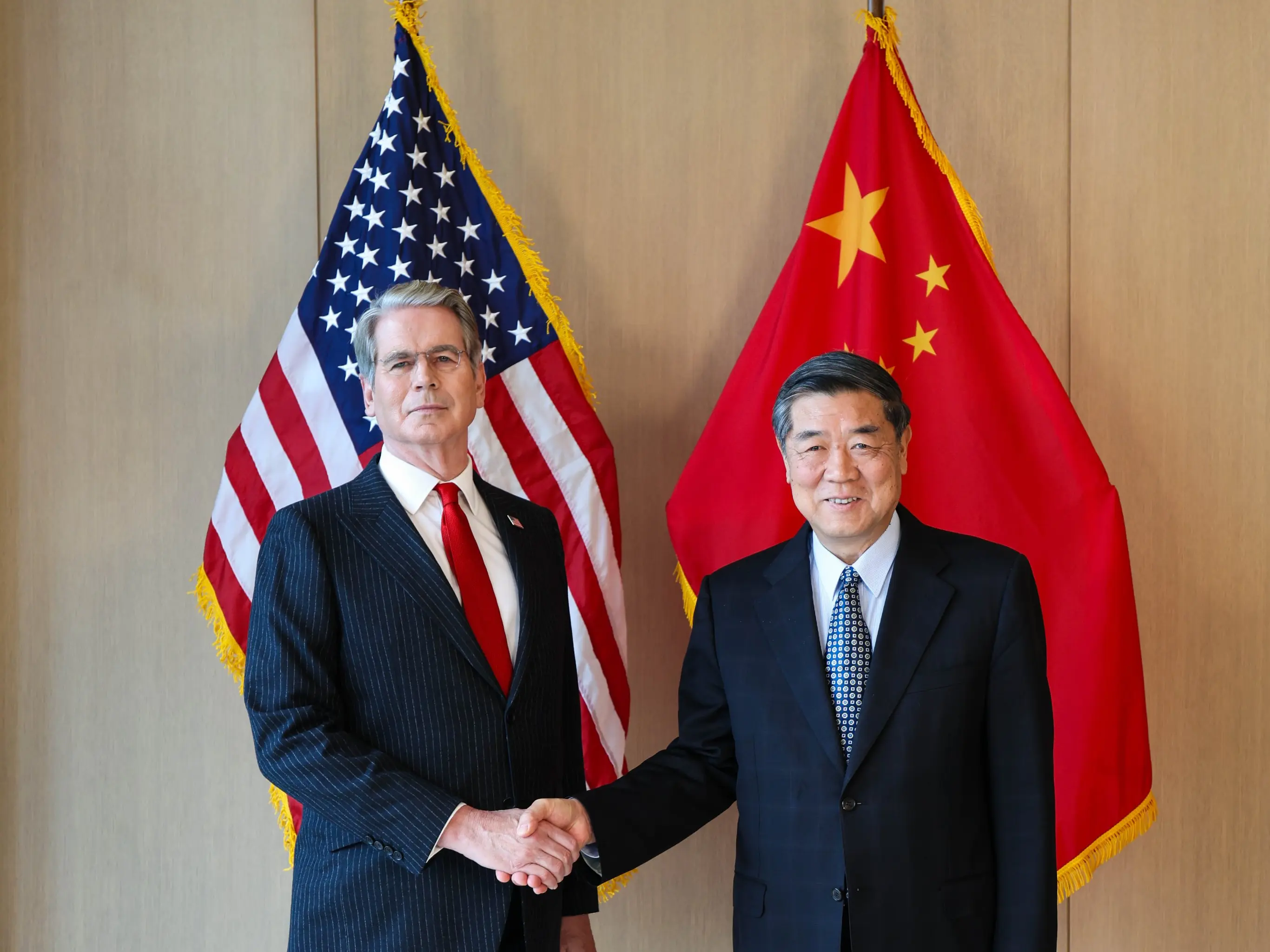)
Bessent meets China’s He Lifeng to prepare for Trump-Xi summit
)
S Jaishankar, former Army chief among high-profile names issued Delhi SIR notices
)
CDU suffers historic defeat in eastern Germany as AfD surges, Merz vows to stay on
)
Iran sets 7 conditions to end war with US: What are Tehran’s demands?
)
Arvind Kejriwal, family members, Delhi CM Rekha Gupta get SIR notices
)
AI actress Tilly Norwood glitches mid-interview, switches from English to Chinese | Watch
)
Saudi vs Houthis: Houthis claim missiles & drones used in attack on key Saudi sites
)
Ed Sheeran addresses Macklemore's removal, Gaza conflict during Philadelphia concert: 'I cannot hide how I feel'
)
Punjab man consumes poison outside DC office; Congress, BJP target AAP government
)
Saudi Arabia exits China-led mBridge digital currency platform amid Saudi-Houthi conflict
)
ICE shooting in Texas leaves man seriously injured; officials demand independent investigation and transparency
)
Sudan gold mine collapse kills 11, injures 30; search under way for trapped miners
)
'Lot of things to learn from experienced players': Jayasuriya backs Rohit, Virat for 2027 ODI World Cup
)
Chancellor Friedrich Merz vows to stay on as exit polls signal major poll setback
)
North Korea's nuclear tests triggered 1,399 earthquakes: Earth is still shaking | Gravitas
)
Several petrol pumps, other businesses to refuse UPI payments above Rs 2,000 from Oct 16: Is it legal?
&im=FitAndFill=(700,400))
New OTT releases this week (September 21-27, 2026): Shaque: Trust No One, Hunkkaar, Don’t Be Shy- 5 new titles coming to Netflix, Prime Video and more
&im=FitAndFill=(700,400))
Gulshan Grover turns 70: Ram Lakhan, Gangster, Hera Pheri- Must-watch movies of the actor on OTT platforms
)
Noel Tata challenges Chandrasekaran’s reappointment as Tata Sons chairman. What happened at the board meeting
&im=FitAndFill=(700,400))
Kareena Kapoor birthday special: Inside her net worth, best movies, luxurious lifestyle and love story with Saif Ali Khan
)
China now makes advanced memory chips without the machines it was banned from buying
)
Trump in ‘deciding mode’ on Iran, says ‘very big things’ going to happen soon
)
Jailer 2: Vidya Balan joins Rajinikanth's upcoming film as Kantha | Watch
)
Microsoft executive called AI training the ‘largest theft of labour in human history’
)
Italy moves to ban face veils in schools as Meloni pushes new integration measures
Critics argue that cases initiated by individual investors may lead to potentially abusive litigation. A decade ago, Delaware faced challenges from retail investors challenging merger deals, often resulting in settlements that critics deemed meaningless.
However, experts argue that individuals like Tornetta play a vital role in overseeing boardrooms. Large investment firms are considered better equipped for corporate litigation, but they often avoid challenging relationships on Wall Street.
(With inputs from Reuters)