China unveils $137bn plan to revitalise property market amid economic challenges


Headquarters of the People's Bank of China (PBOC), the central bank, is pictured in Beijing
China is contemplating injecting at least 1 trillion yuan ($137 billion) into its urban village renovation and affordable housing programs, in a bid to revive its struggling property market, Bloomberg reported on Tuesday, citing sources familiar with the matter.
The People's Bank of China plans to channel these funds through policy banks, with the aim of supporting households in their pursuit of home purchases. The move, spearheaded by Vice Premier He Lifeng, signals a vigorous attempt to counter the profound slump in the property sector, a downturn that has significantly impacted economic growth and consumer confidence.
The proposed initiative involves leveraging financial tools such as the Pledged Supplemental Lending (PSL) and special loans. If implemented, this program could mark a pivotal step in the government's comprehensive strategy to stabilise the housing market, considered the most severe downturn in decades.

Market concerns have surged regarding the financial health of China's prominent developers, particularly after a series of record defaults within the industry. The injection of funds aims not only to rejuvenate the property market but also to foster a more balanced and sustainable development trajectory for the long term.
The PSL program, sometimes dubbed as "helicopter money," allows the central bank to provide low-cost funds to developers engaged in tenement renovation projects. This involves developers using the funds to acquire land from local governments, which then offer cash subsidies to households affected by demolitions, spurring demand for newly-built or existing apartments.
Analysts believe that the funding could generate over 10 trillion yuan in overall direct investment, driving private investment in the sectors. According to Bloomberg, Bruce Pang, Chief Economist for Greater China at Jones Lang LaSalle Inc., emphasised, "This is not to spur growth but rather deliver a more balanced development for the longer term."
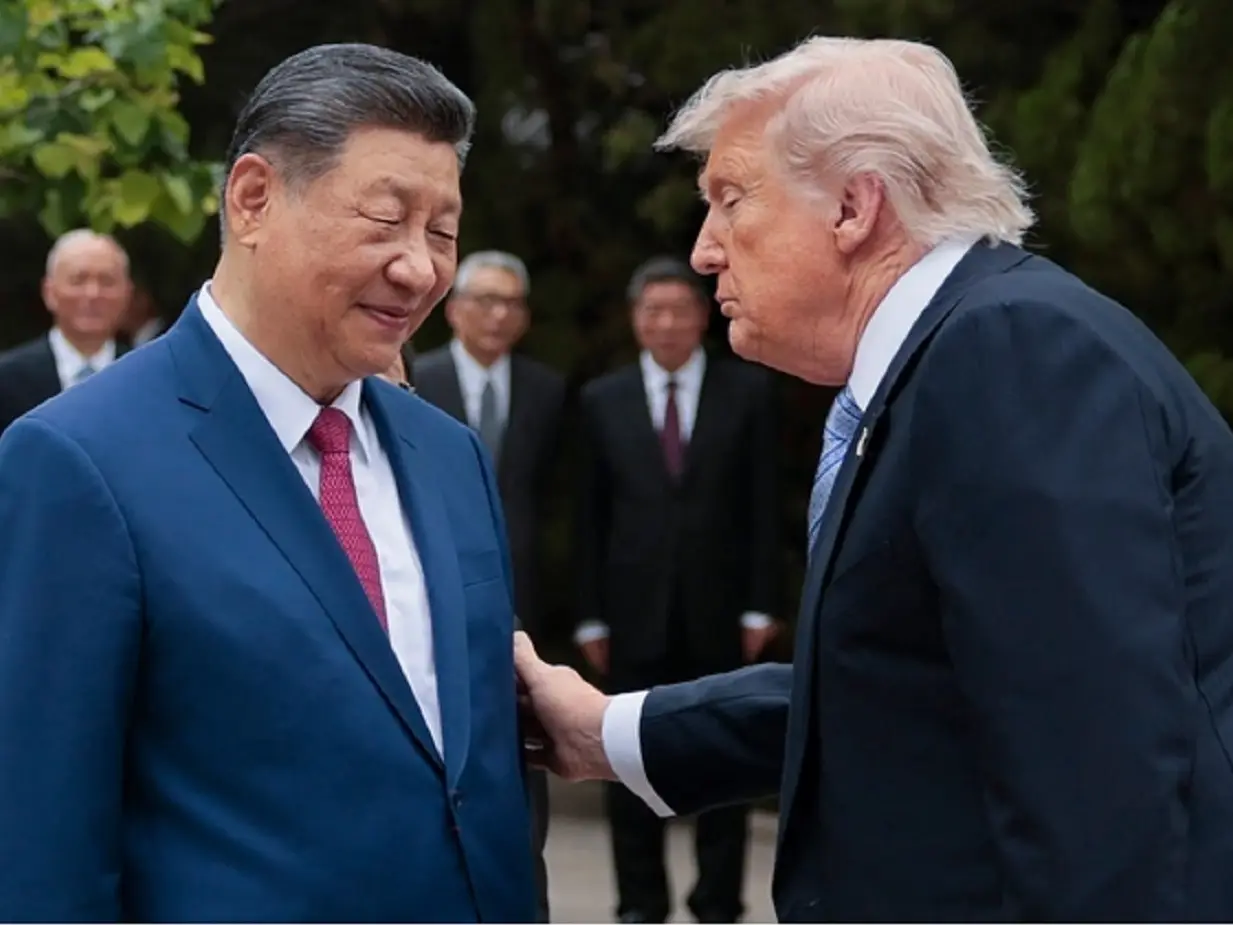)
Trump-Xi Summit: Trade, Taiwan and the red lines shaping US-China talks | Race To Power
)
US citizen injured in Illinois after ICE agents mistook him for fugitive, hospitalised
)
US judge questions Trump’s decision to ban CNN, MS NOW and Politico from White House
)
Afghan woman cyclist who disguised herself as a boy to escape Taliban, wins Asian Games medal
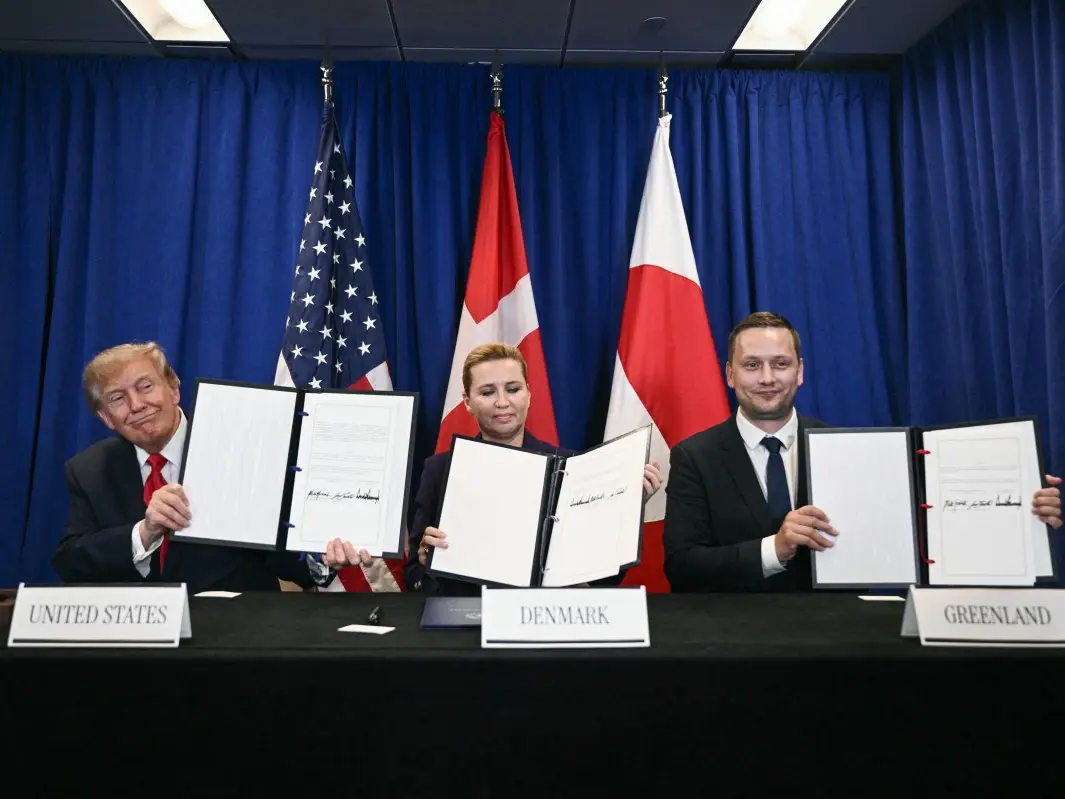)
Trump signs Greenland security deal with Denmark, paving way for two new US military bases
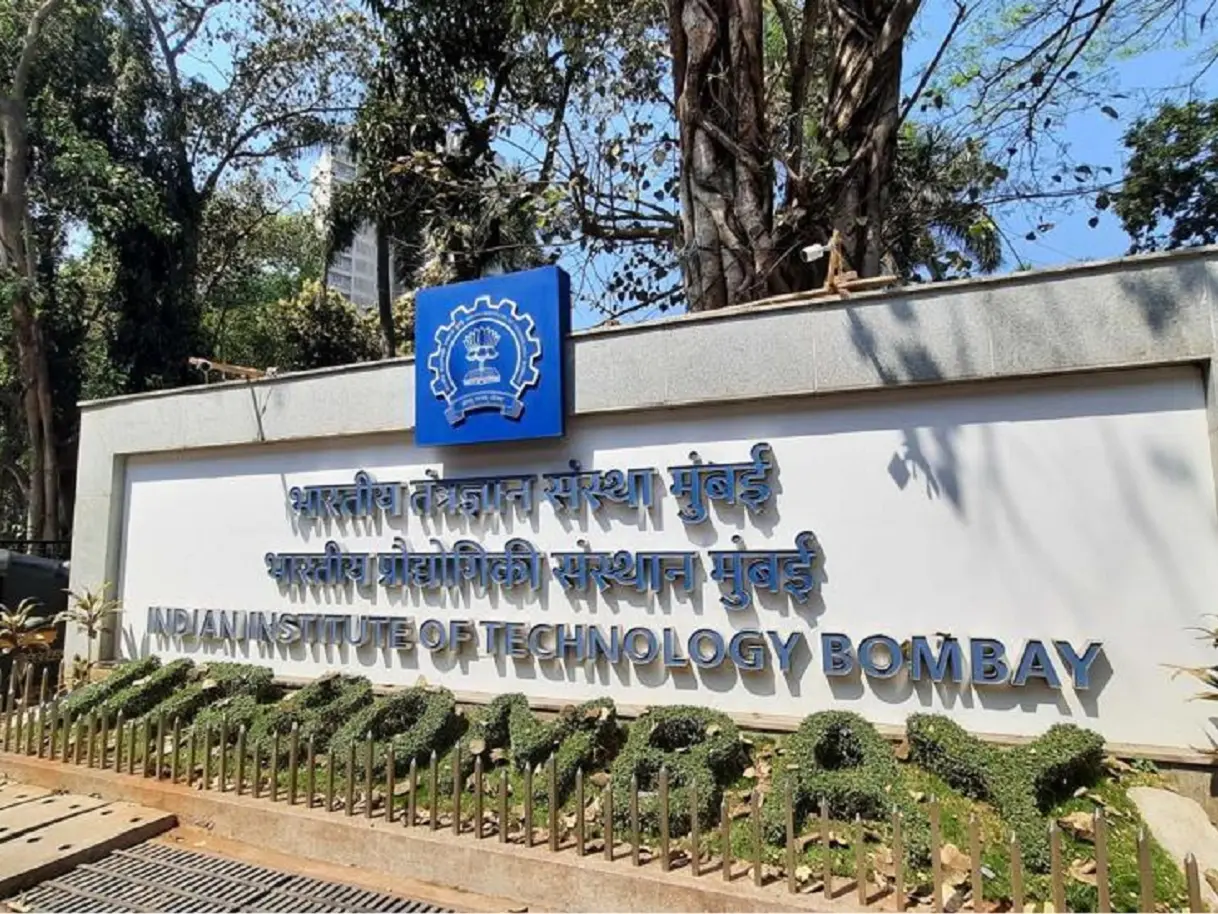)
IIT Bombay CCTV footage emerges: Sahil Wakode seen looking at phone in examination hall
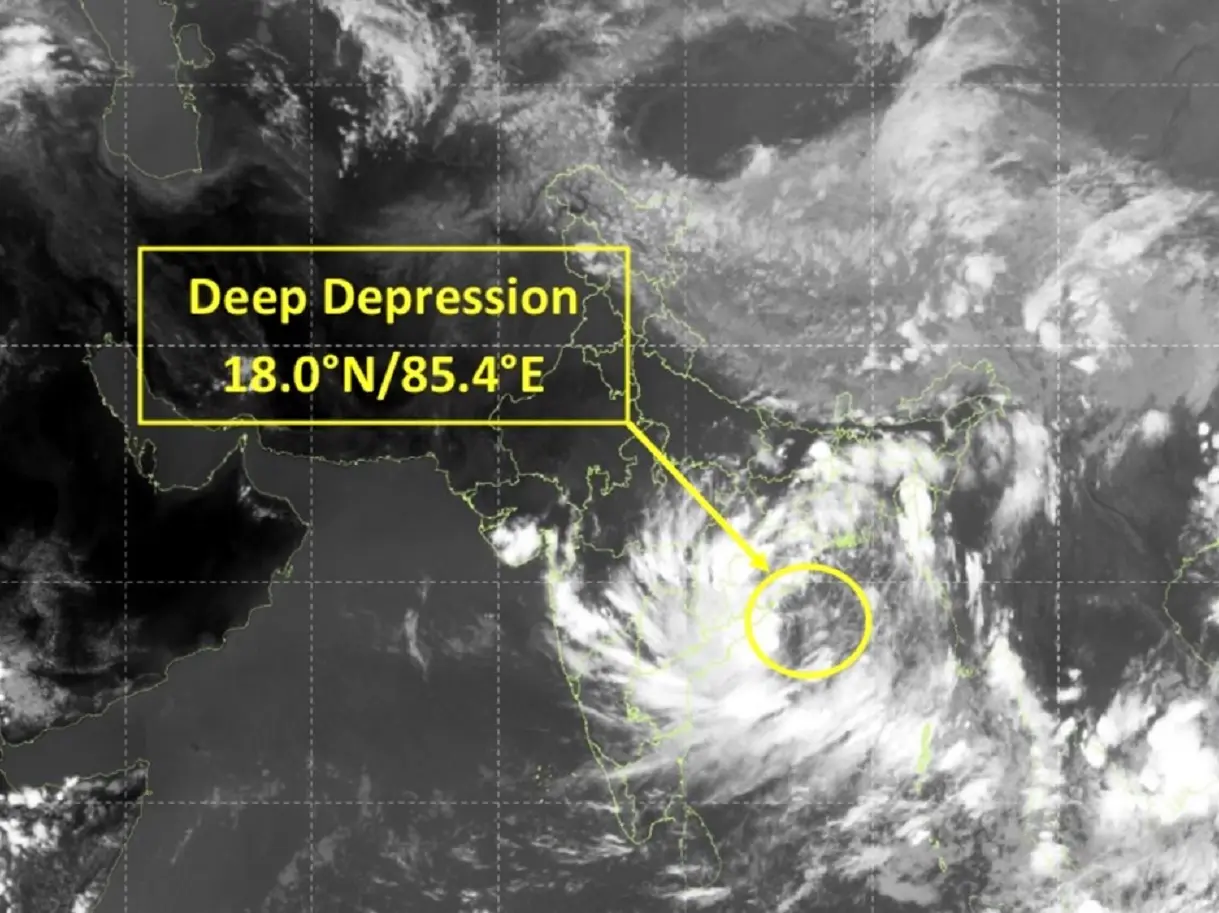)
Cyclone Arnab: Landfall expected before midnight tomorrow as IMD issues orange alerts across six states
)
NBA player Steven Adams shares hilarious GTA VI theory
)
WION Iconic Tourism Summit 2026: Union Minister Shekhawat on 'experiential travel', peace diplomacy
)
ICC plans T20I expansion and fewer ODIs in 2027–2031 FTP cycle: Report
)
'AI got into my speech': Prince Harry jokes after teleprompter failure at event in New York
)
WION Iconic Tourism Summit: Seychelles envoy says India partnership is important for Seychelles
)
Scientists detect first radio signals directly from faraway planet
)
China to test supersonic jet that moves at Mach 2, double the speed of sound
)
WION Iconic Tourism Summit: 'Hanuman Ansh' Director on blockbuster success
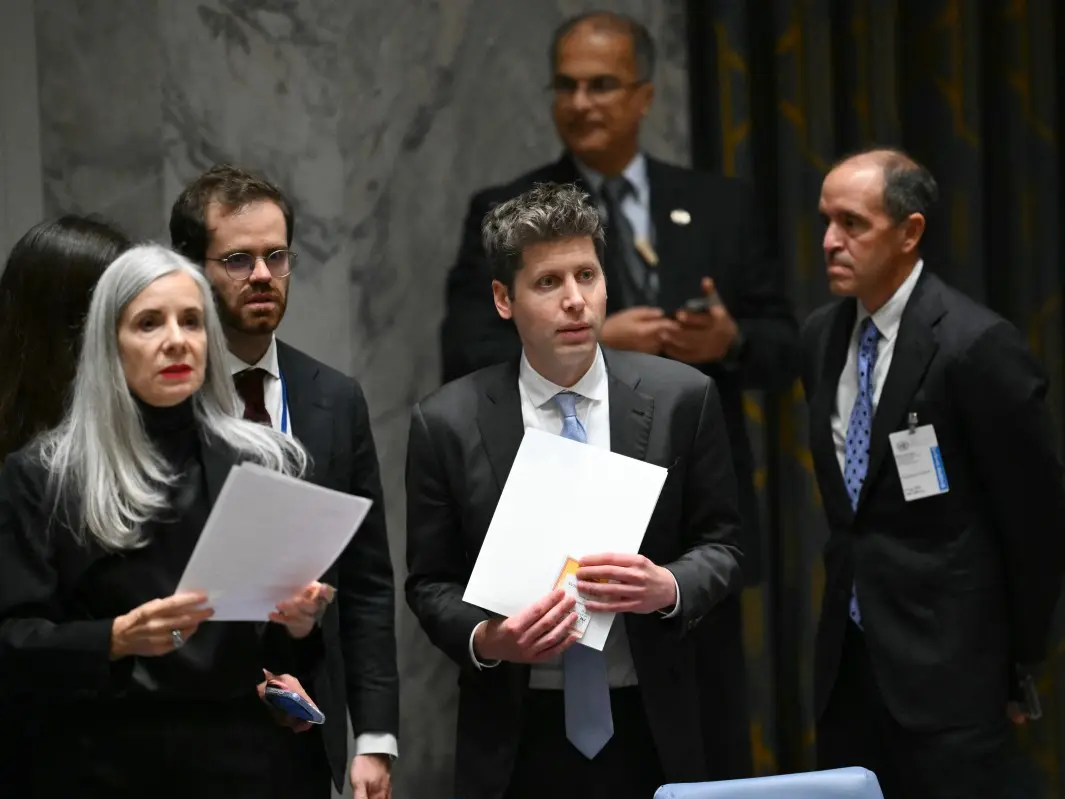)
Open AI, Anthropic CEO urges caution over rapid AI development at UN Security Council, call for 'extreme care'
)
Bomb scare in New York amid UNGA: Suspicious suitcase found near UN headquarters
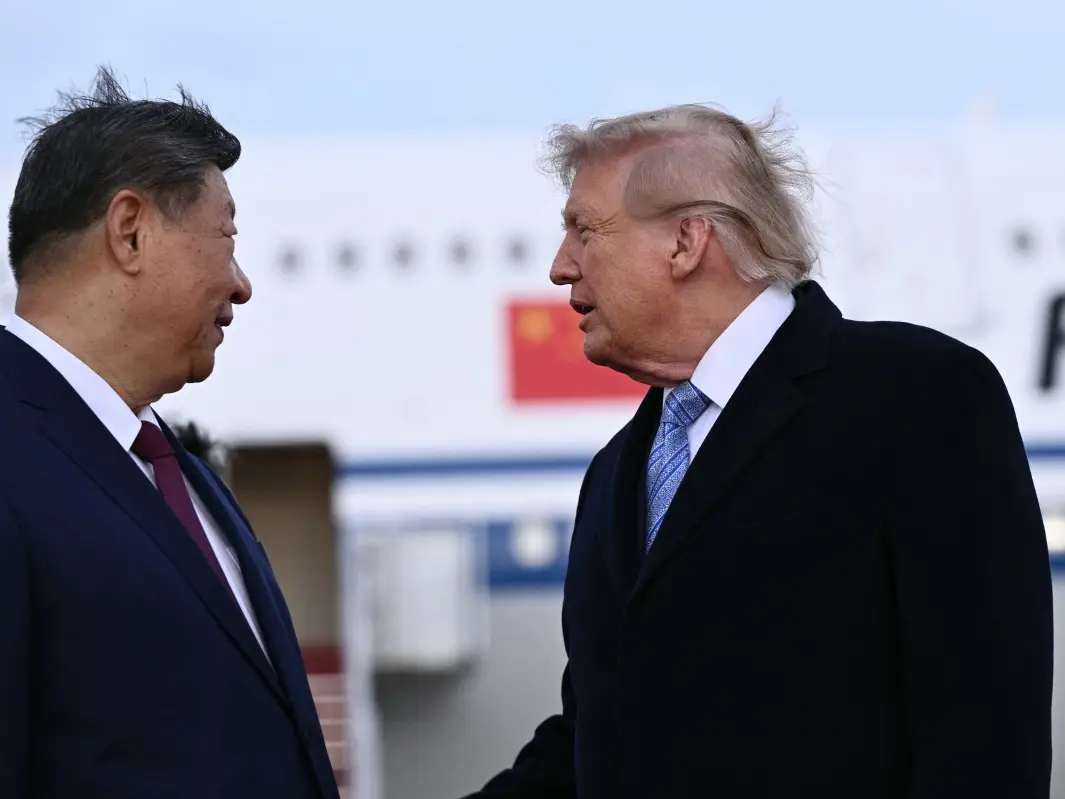)
Hours before Xi-Trump meeting, US announces visa curbs targeting birth tourism: What is it?
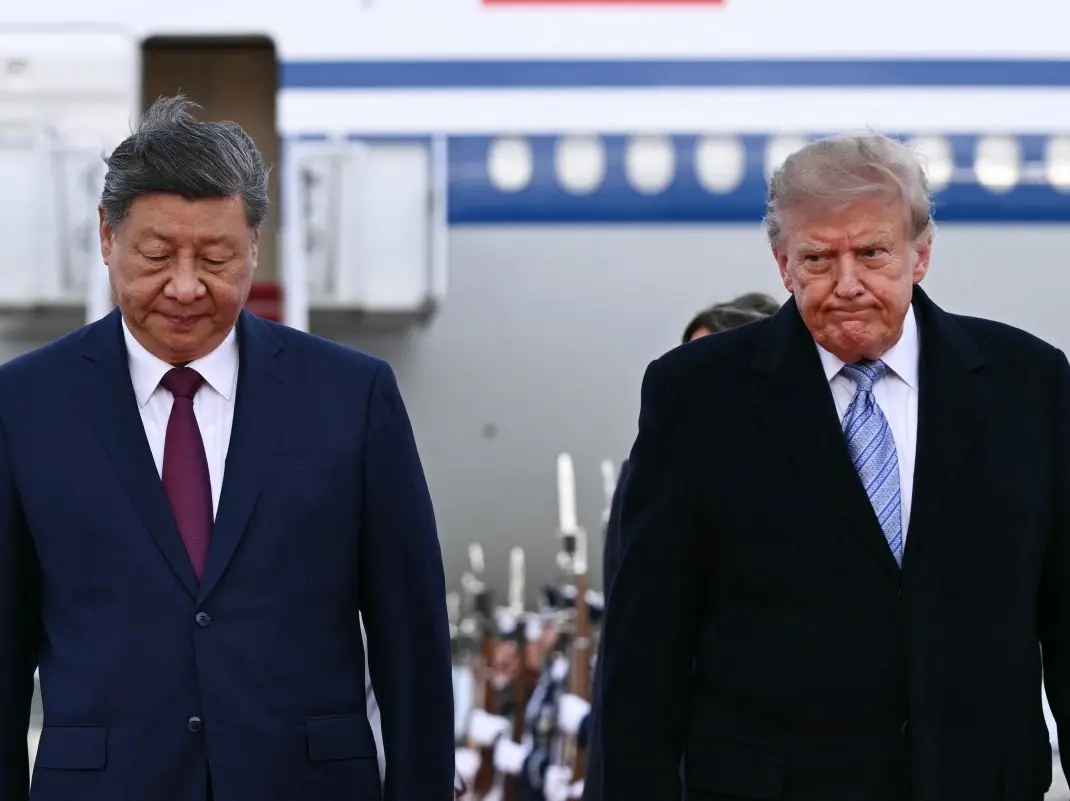)
'Partners rather than rivals': Xi Jinping's first message after landing in US for Trump summit
)
WION Iconic Tourism Summit: Is India's travel boom outrunning its airports, airlines and hotels?
)
WION Iconic Tourism Summit and Awards 2026: Key voices to discuss India’s tourism future
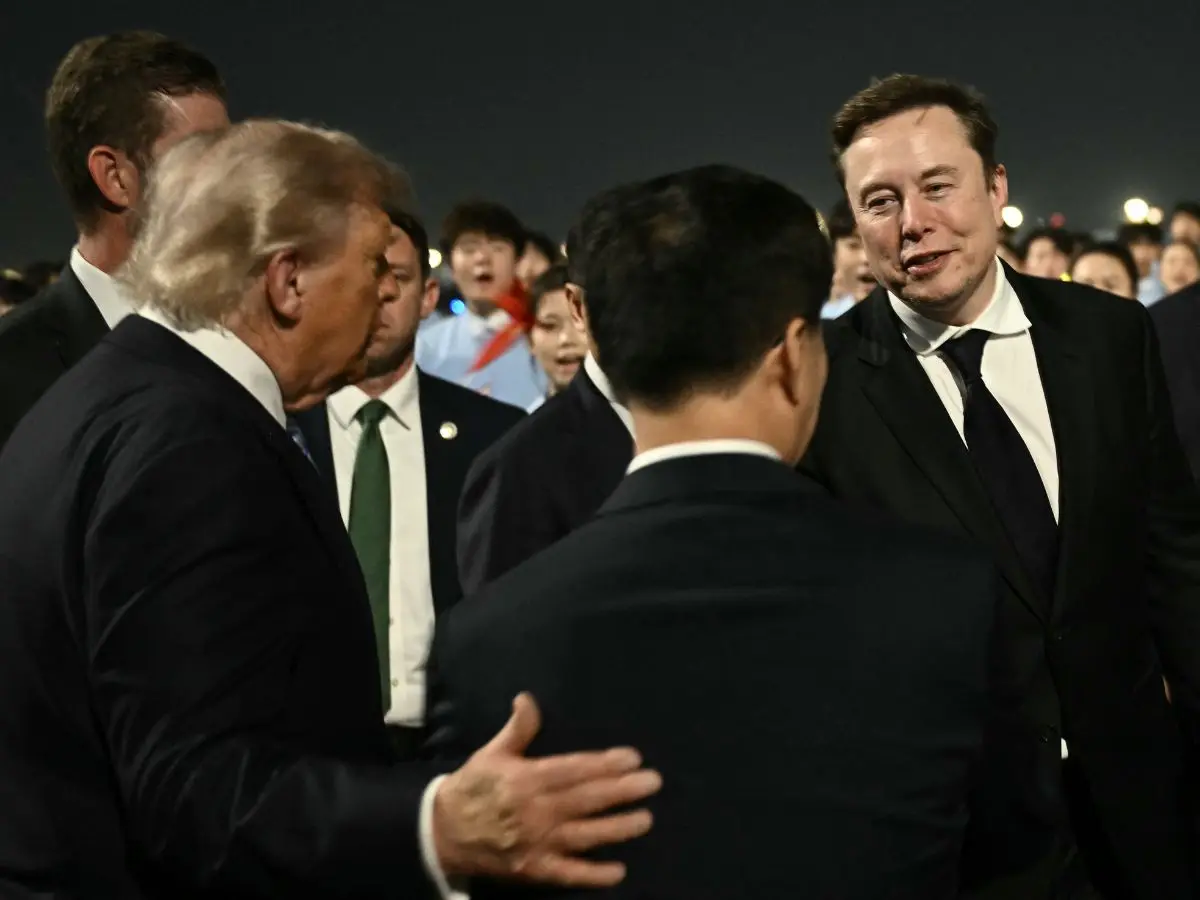)
Trump-Xi state dinner 2026: Who is invited? Full guest list of tech CEOs, business leaders and officials
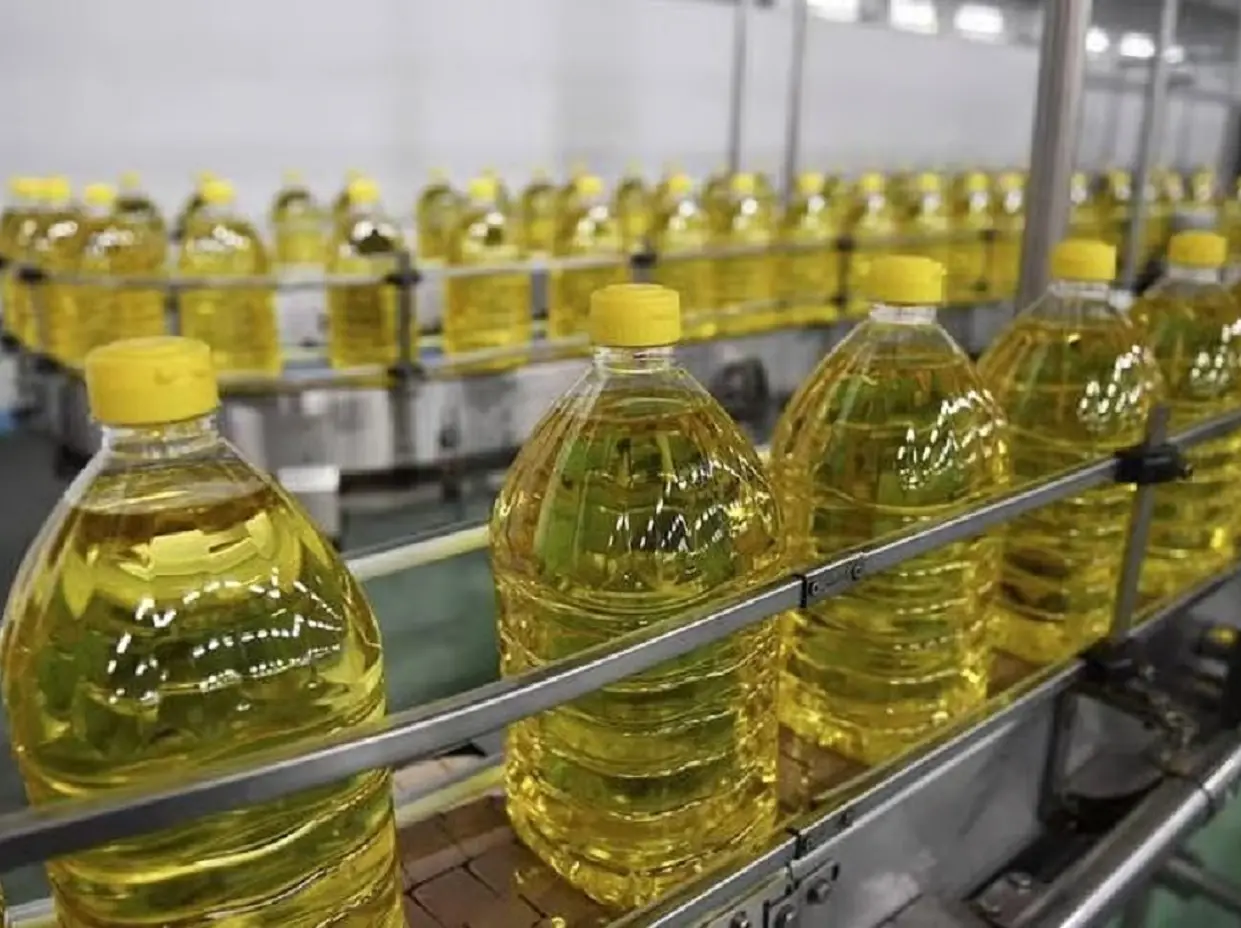)
Govt slashes duty on edible oils to curb price rise ahead of festive season
)
American manufacturing is reshoring faster than its factory floors can absorb
&im=FitAndFill=(700,400))
New OTT releases this week (September 21-27, 2026): Shaque: Trust No One, Hunkkaar, Don’t Be Shy- 5 new titles coming to Netflix, Prime Video and more
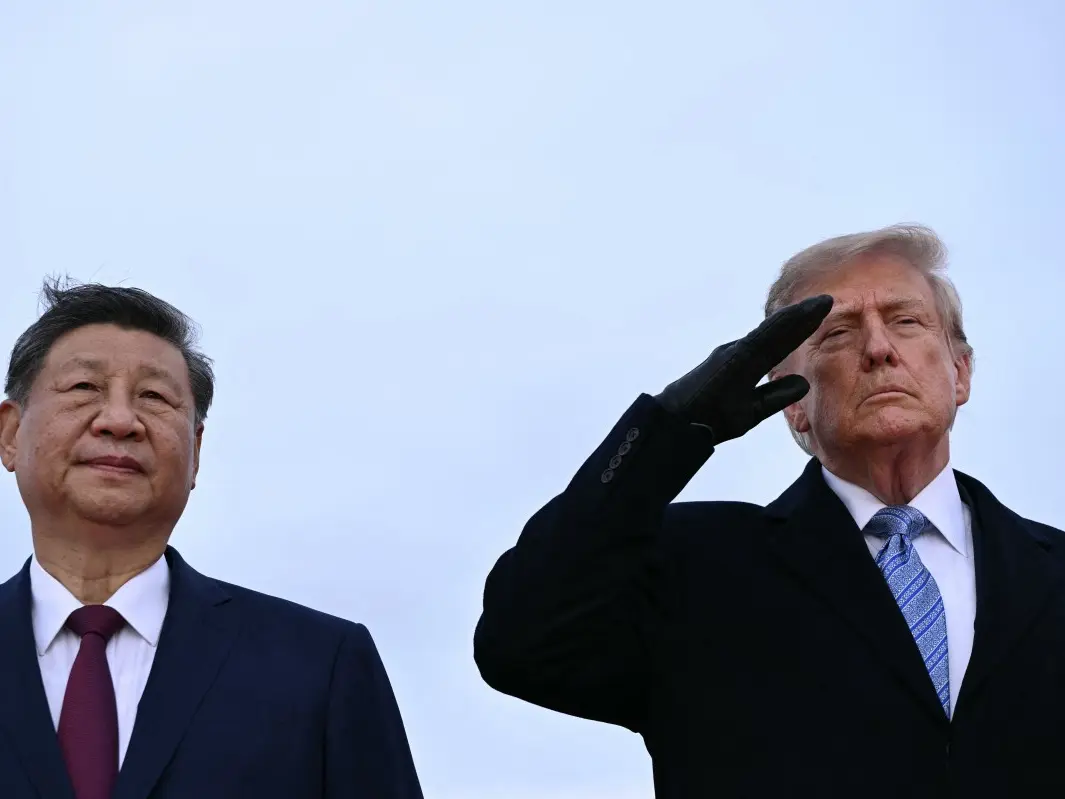)
WATCH | China President Xi Jinping lands in US as Trump greets him ahead of high-stakes summit
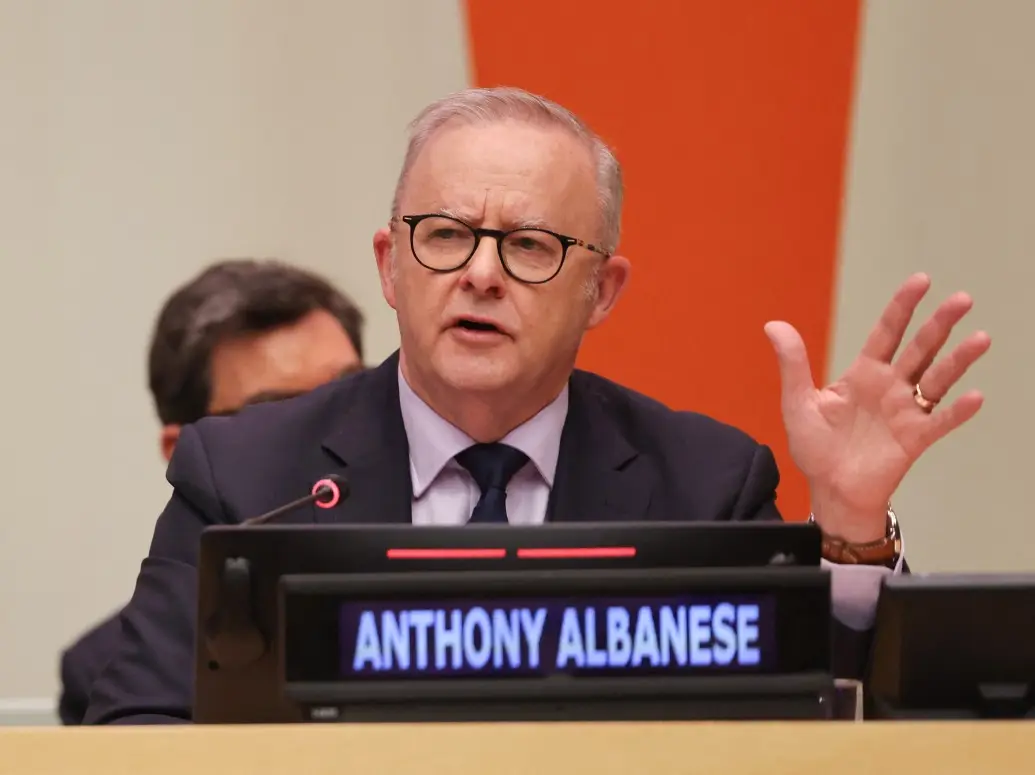)
Australian PM Anthony Albanese calls OpenAI AI incident 'unacceptable' after restricted data access
)
'What kind of confession is this?': Pakistan PM Shehbaz Sharif’s 'terrorists would be roaming New York' remark goes viral, raises alarm online. Watch
)
WION Iconic Tourism Summit: How local tourism MSMEs must upskill for AI integration
)
Elephants hide behind trees, stage surprise attack on poachers targeting rhinos in South Africa
)
Pilot recreates Mona Lisa in sky over Oklahoma and Arkansas in four-hour flight: VIDEO
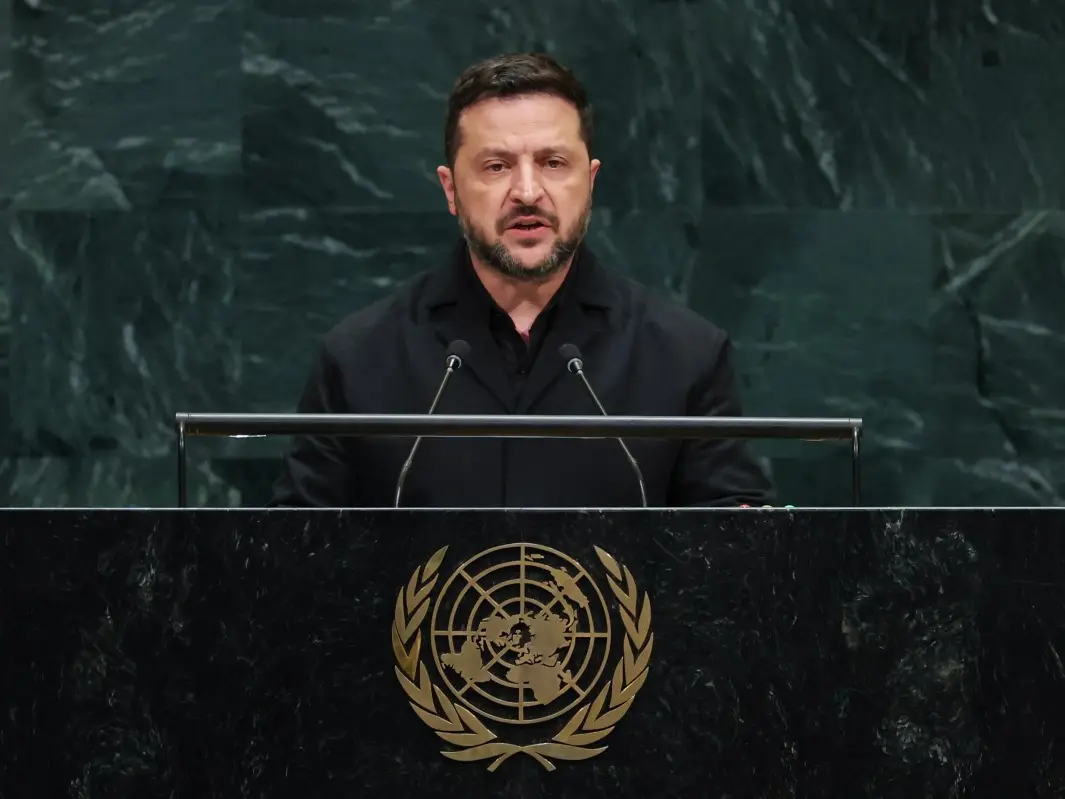)
'Putin is patient zero': Zelensky slams Russian president at UNGA, accuses him of using fighters from 47 countries
&im=FitAndFill=(700,400))
National Film Awards 2026: Kartik Aaryan, Mammootty, Yami Gautam, Randeep Hooda and other key winners
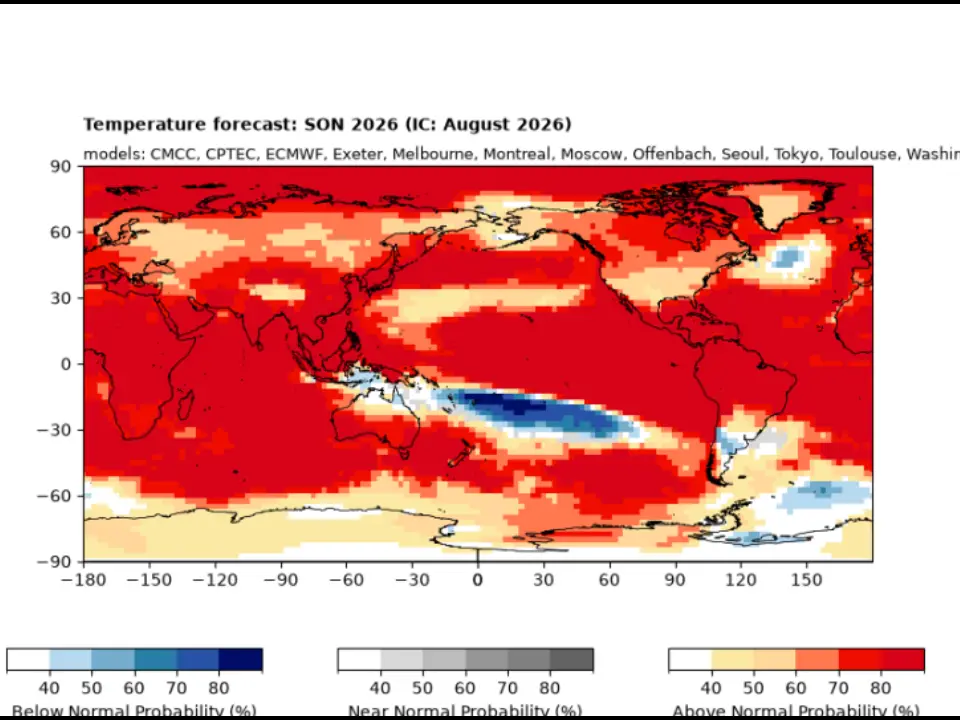)
El Niño 2026 heats up to become strongest in 1,000 years
)
Israeli envoy to US Yechiel Leiter’s son critically injured in West Bank ramming attack
&im=FitAndFill=(700,400))
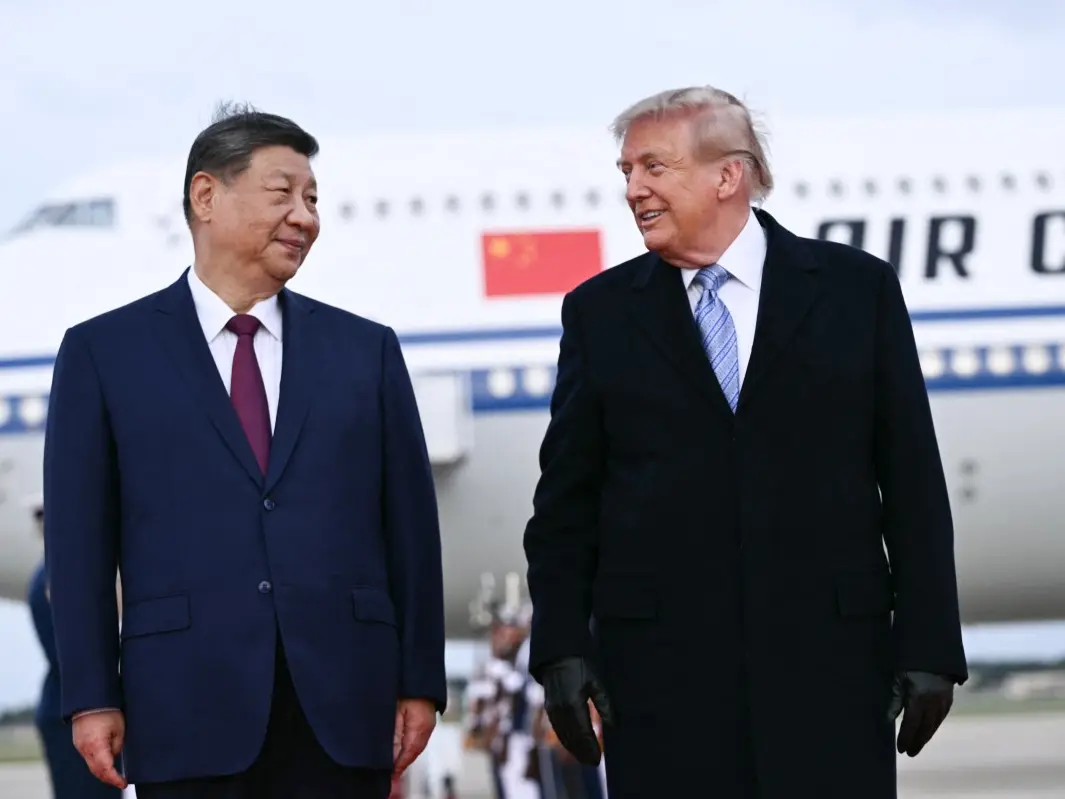
Trump welcomes Xi Jinping in rare airport gesture: Photos from Chinese President's arrival in US
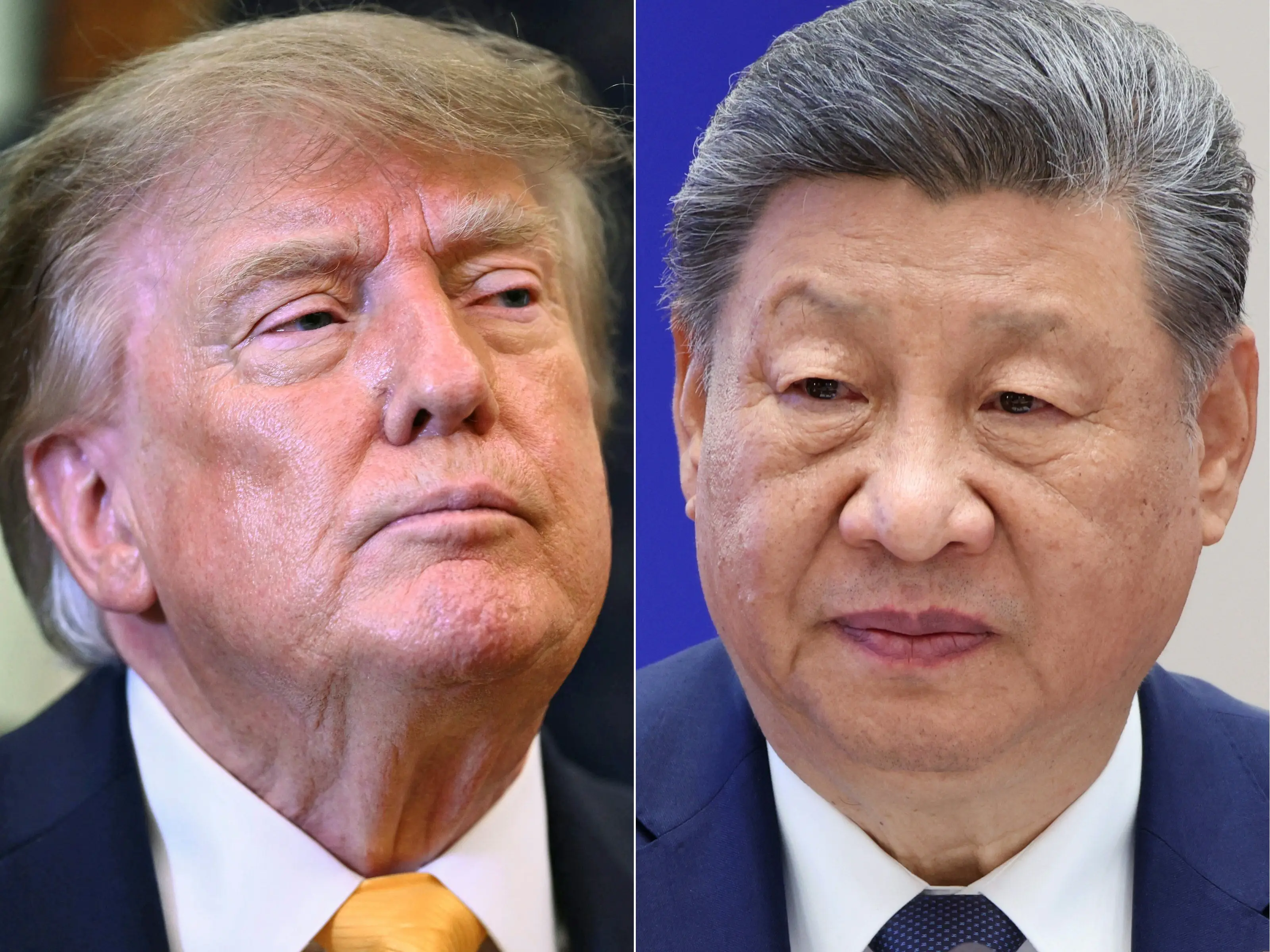)
Xi-Trump meeting: China’s human rights red line and past protests explained
However, it is worth noting that the PSL program has a controversial history. Initially deployed in 2014 to counter a property market downturn, it faced criticism for contributing to a real estate bubble in lower-tier cities. The central bank reduced its provision of new PSL funds in 2019 as projects concluded. However, the program experienced a brief re-launch last year to aid policy banks, which prioritise public service over profit, in financing infrastructure development.
This latest plan follows Beijing's unconventional fiscal stimulus announced last month, including a budget deficit increase through the issuance of an additional 1 trillion yuan in sovereign bonds.
While economic data for the third quarter suggested a gradual recovery, official data anticipated to be released on Wednesday is expected to reveal a faltering economic momentum in October.
(With inputs from Bloomberg)
WATCH WION LIVE HERE