China’s rare earth magnet exports jump 158% after trade truce with US

&imwidth=600&imheight=450&format=webp&quality=medium "China’s rare earth magnet exports jump 158% after trade truce with US")
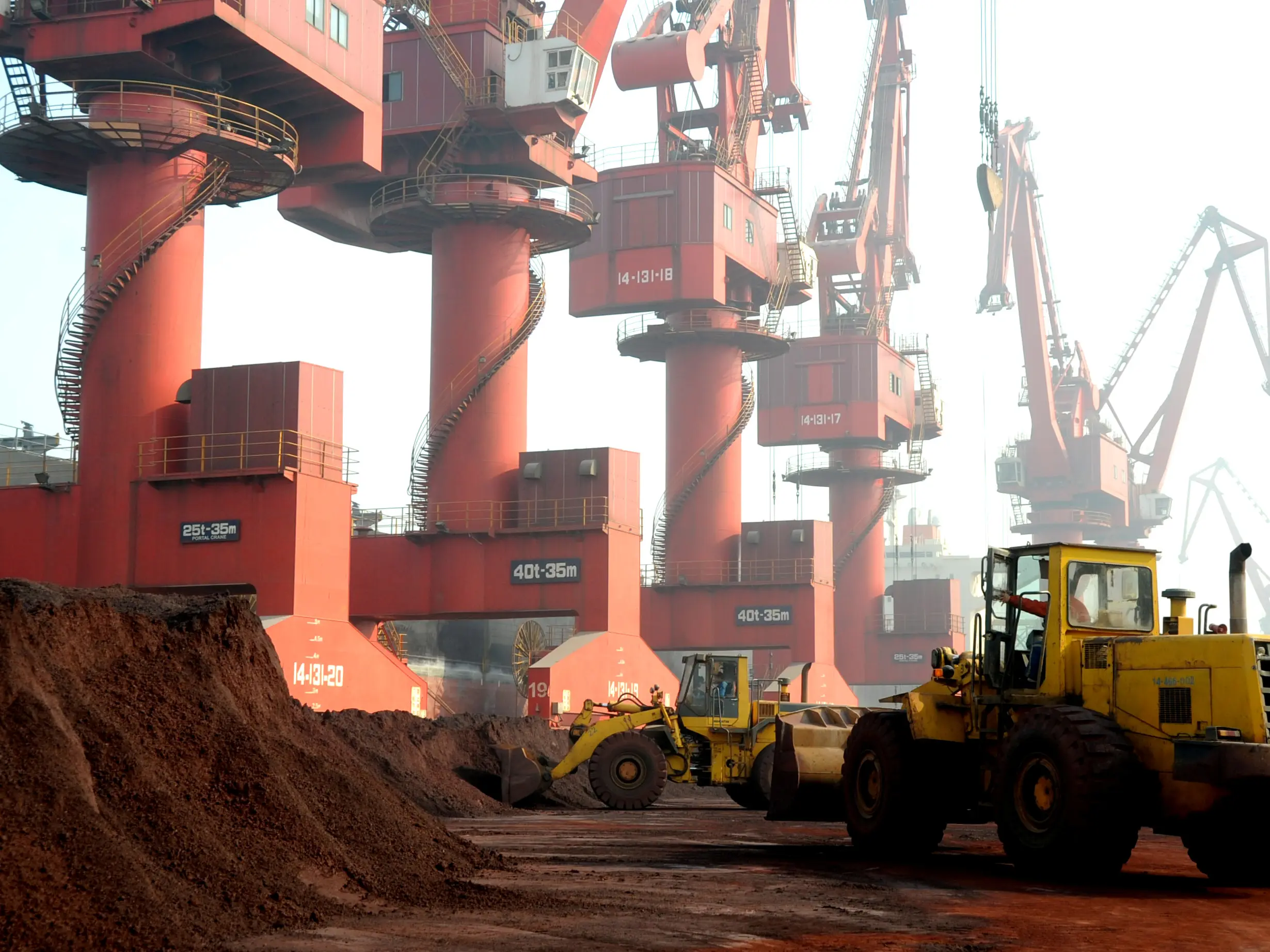
Workers transport soil containing rare earth elements for export at a port in Lianyungang, Jiangsu province. Photograph: (Reuters)
A trade truce between the US and China has significantly altered global supply chains, particularly in rare earth magnets essential for various technologies.
A fragile trade truce between the United States and China is already reshaping global supply chains. In June 2025, China sharply increased its shipments of rare earth magnets, a critical component in electric vehicles, smartphones, wind turbines, and fighter jets, after a deal brokered in Geneva. This US-China deal helped ease months of escalating trade tensions around rare earth magnet.
According to Chinese customs data reported by Bloomberg, Beijing's overall magnet exports jumped by 158 per cent from May to June. This comes as China relaxed some of the export controls it had imposed in April. As per Bloomberg, shipments to the US surged more than sevenfold, a sign that diplomatic pressure from Washington, coupled with supply chain panic across Western industries, may have forced Beijing to act.
Exports bounce back, but remain below pre-curb levels
As per official customs figures cited by Bloomberg, China’s total exports of rare earth magnets surged to 3,188 tonnes in June, up from just 1,238 tonnes in May. While this marks a major month-on-month recovery, overall shipments remain significantly lower than volumes recorded before April, when Beijing first imposed export controls.
The jump in exports to the United States was particularly dramatic. From a mere 46 tonnes in May, Chinese magnet shipments to the US soared to 353 tonnes in June, easing supply constraints that had threatened to disrupt production lines for electric vehicles, electronics, and defence equipment.
Rare earth magnets, especially neodymium-iron-boron (NdFeB) magnets are indispensable in modern technology due to their strength and efficiency in compact systems. China produces the vast majority of the world’s supply, making its trade policies a global chokepoint.
Trending Stories
)
)
)
&im=FitAndFill=(700,400))
)
)
)
)
)
)
)
)
)
)
)
)
)
)
)
)
)
)
)
)
)
)
)
)
)
)
&im=FitAndFill=(700,400))
)
)
)
&im=FitAndFill=(700,400))
)
China’s rare earth controls fuelled global alarm
Beijing’s restrictions, introduced in April, targeted seven of the 17 rare earth elements. The move appeared aimed at weaponising China’s dominance in critical minerals amid rising trade and tech tensions with the United States. The curbs also extended to magnet exports, directly impacting high-value manufacturing.
The curtailment triggered concerns across global industries and prompted strong reactions from Washington. While the US had already invested in domestic rare earth processing and allied supply chains, the shortfall in magnets, essential for military and clean energy technologies, exposed strategic vulnerabilities.
Trade thaw in Geneva
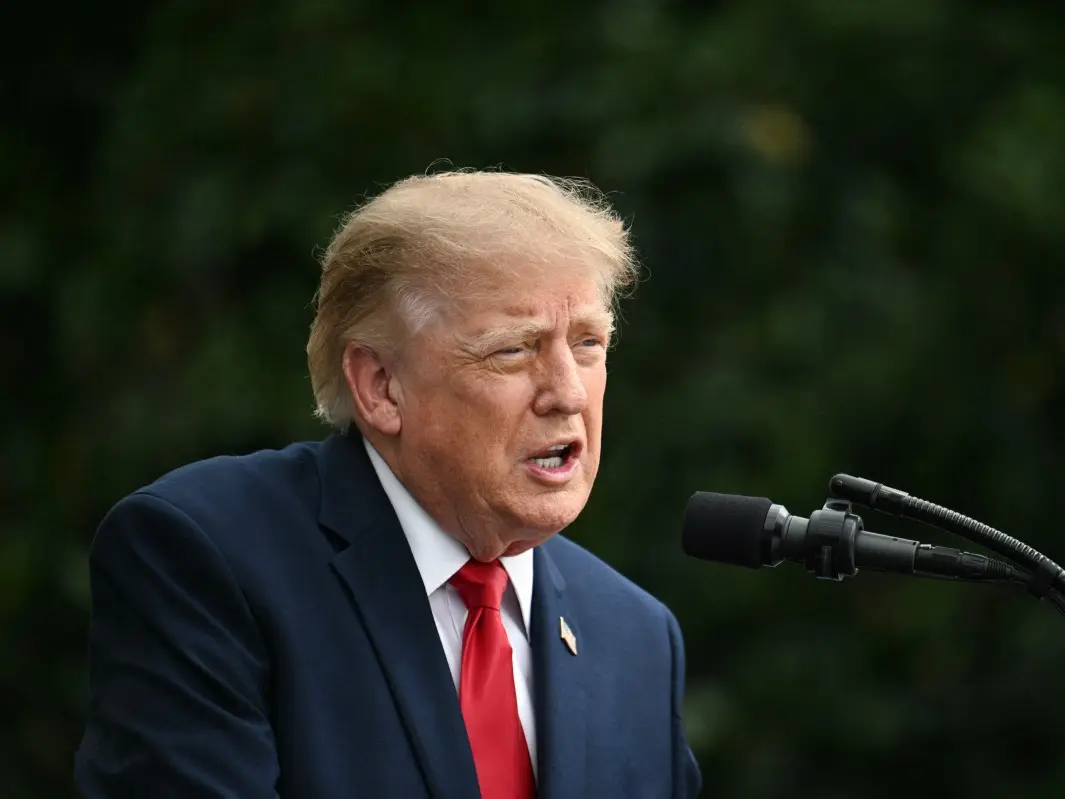
After weeks of backchannel diplomacy, US and Chinese negotiators struck a deal in June during a summit in Geneva. Soon after, US President Donald Trump publicly announced that China had agreed to resume “full supply” of rare earths and magnets as part of the agreement to ease tensions. “This agreement ensures that American industry will not be held hostage by supply disruptions,” Trump said, as quoted by Bloomberg. On July 1, US Treasury Secretary Scott Bessent confirmed a rebound in shipments but warned that “the pace of shipments is still not going fast enough” to meet surging demand.
The rare earth magnet surge offers short-term relief to manufacturers, especially in the US. But it also reinforces longer-term strategic concerns about global overdependence on China. While the Geneva truce appears to have calmed immediate disruptions, policymakers in Washington are expected to push ahead with diversification efforts, including increased investment in domestic production and sourcing deals with allies like Australia and Japan. As per Bloomberg, China still accounts for over 85 per cent of global rare earth magnet output. The June surge may reflect diplomatic progress, but it also underscores how geopolitical risk remains embedded in the critical minerals trade.
(With inputs from agencies)