
&imwidth=800&imheight=600&format=webp&quality=medium "China's manufacturing activity shrinks amid trade tensions and US tariffs")
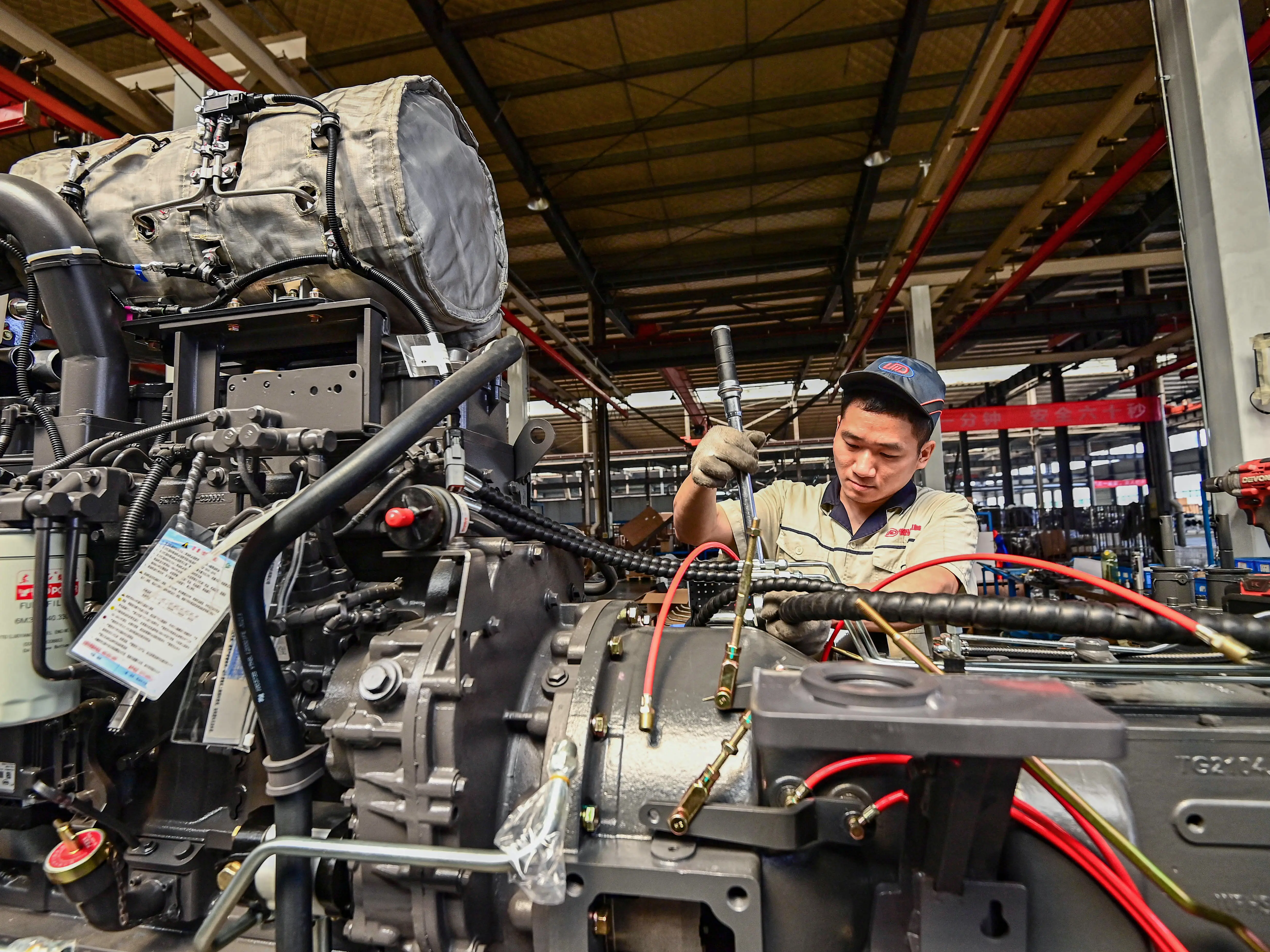
China’s manufacturing sector experienced its most significant downturn since September 2022, as a private-sector survey revealed a steep drop in activity, driven by the impact of the ongoing US tariff tension.
The Caixin/S&P Global manufacturing purchasing managers' index (PMI) declined to 48.3 in May from 50.4 in April, dipping below the critical 50-mark which signals contraction in the economy. This marked the first contraction since last September and the weakest performance in over two years.
The data came in significantly below analysts' expectations and underscored the growing impact of trade tensions on the world’s second-largest economy.

The decline in the Caixin PMI, which primarily surveys small to medium-sized firms, pointed to a marked reduction in foreign demand, with new export orders falling at their fastest rate since July 2023. This steep drop in orders follows a pattern of worsening global trade conditions, exacerbated by US tariffs imposed during the trade war.
Smaller exporters hit hard
While the official PMI, released earlier this month, showed a less severe contraction, the divergence between the two surveys reflects the disproportionate impact on smaller Chinese firms. These businesses, which often have fewer resources and less diversification, have struggled to cope with the tariff hikes.
Trending Stories
)
Xi Jinping's new AI bloc: China launches 'World AI Body' with Pakistan and Russia in, India out
&im=FitAndFill=(700,400))
FIFA World Cup 2026: 5 football stars who went viral on social media during the tournament
)
Karoline Leavitt to be US Vice President when Usha Vance gives birth? JD Vance says...
)
Sonam Wangchuk's connection with George Soros and Ford Foundation explained!
)
'There is no need for...': PM Modi takes a veiled dig at Rahul Gandhi, sends big message amid Parliament March
)
'Could be bombed at any moment': What Iran's Araghchi told Trump envoy Witkoff during negotiations
)
Salman Khan breaks silence on health concerns after viral Mumbai appearance
)
'George Soros playbook': Understanding the foreign funding network around Sonam Wangchuk
&im=FitAndFill=(700,400))
New OTT releases this week (July 20-26, 2026): Musafir Cafe, Adarsh Baal Vidyalaya, 72 Hours- 5 new titles coming on Netflix, Prime Video and more
)
Maha CM Wife Amruta Fadnavis' Yoga Day appearance sparks social media debate over attire | Watch
&im=FitAndFill=(700,400))
2026 FIFA World Cup awards: Full list of Golden Boot, Golden Ball, Golden Glove and every major winner
)
JD and Usha Vance welcome fourth child: Who serves as acting US vice president during Vance's paternity leave?
)
Older than Himalayas: 85mn-year-old Kewra plant reached India 24mn years ago, fossil discovery in Assam shows
)
Did Iran secretly ship 70 million barrels of oil to China? Report claims $6 billion crude exported before blockade restored
)
Homer's Iliad written before The Odyssey found inside an Egyptian mummy
&im=FitAndFill=(700,400))
FIFA World Cup 2026 awards race: Who are Golden Boot, Golden Ball and Golden Glove contenders ahead of the final
&im=FitAndFill=(700,400))
Global air power ranking 2026: India surpasses China
)
Truck loaded with stones, metro stations closed: What's happening at Jantar Mantar now
&im=FitAndFill=(700,400))
Why US fighter jets use seamless bubble canopies compared to Russian jets
&im=FitAndFill=(700,400))
Why the F-22’s cockpit glass is thicker than a standard fighter jet
)
Student union leaders call off hunger strike at Jantar Mantar after civil society appeal, but protest continues
)
Tulsi Gabbard's brother Batarti accused of luring children to hotel room in Hawaii
)
'Chalo Sansad' march today: Section 163 in force, Delhi Police remove barricades; unfazed Dharmendra Pradhan meets NEET topper
&im=FitAndFill=(700,400))
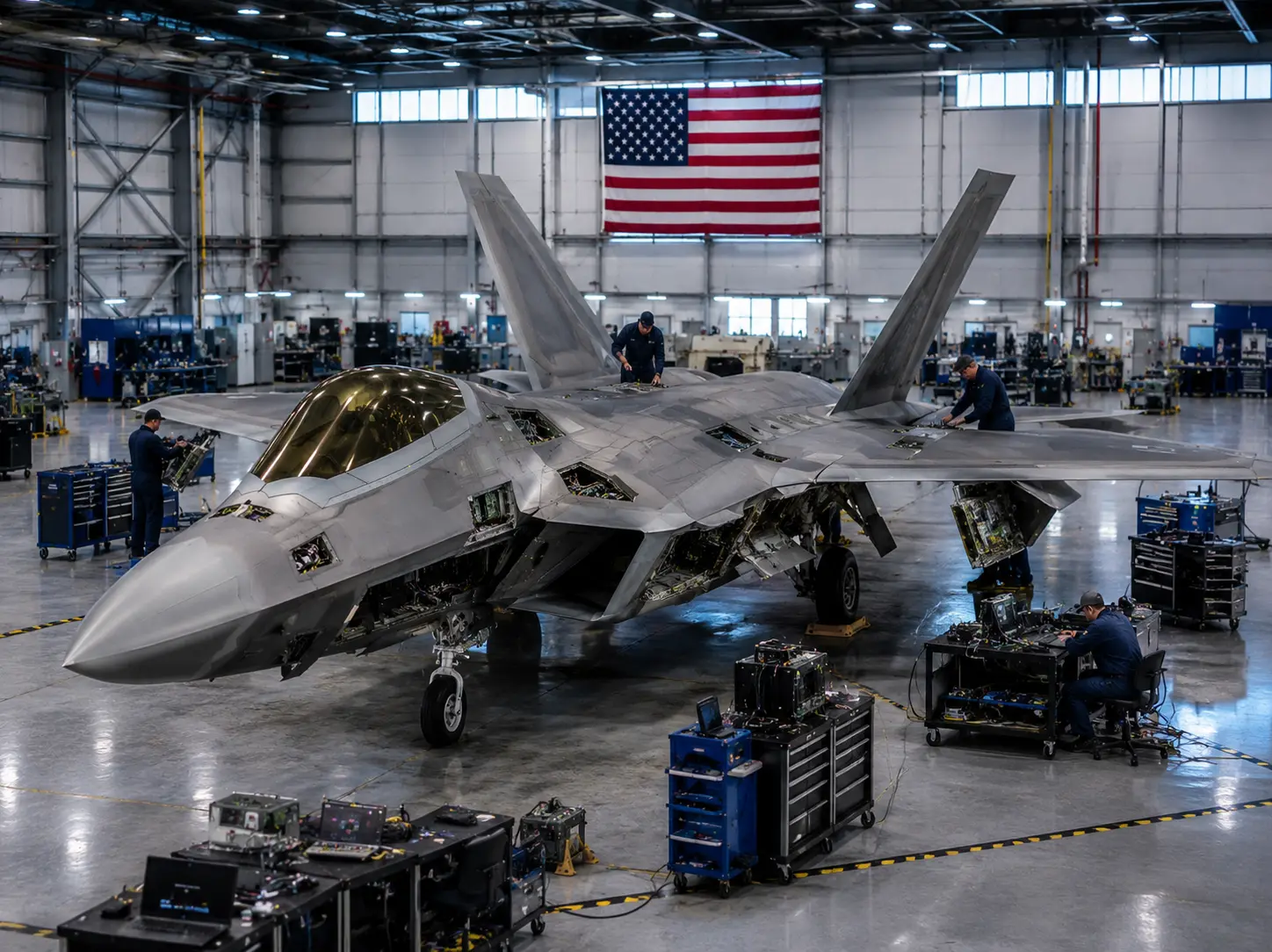
Why the F-22’s tail fins are canted to minimize its radar footprint
)
Imran Khan's sister links India-Pakistan 2025 conflict to Israel recognition plans
)
US strikes Iran, sirens heard in Kuwait, one American soldier killed in Iraq: What's happening in West Asia
)
Argentina's racism problem: How football chants reflect a deeper historical legacy
)
'What is wrong...': Anna Hazare breaks silence on Sonam Wangchuk's protest, makes an appeal to Centre
“The downward pressure on the economy has significantly intensified,” said Wang Zhe, senior economist at Caixin Insight Group, as reported by Bloomberg. Many small and medium-sized enterprises (SMEs) are reporting higher costs and a slowdown in production, leading to job cuts.
The latest figures also reveal that factory employment shrank for the second consecutive month, further illustrating the ongoing economic strain. With a large segment of the economy tied to export demand, the manufacturing sector is grappling with both external uncertainties and persistent domestic issues, including weak consumer demand and a struggling property market.
Although there was some optimism about the recent trade truce between China and the US, the survey suggests the short-term effects are limited. The US had agreed to lower some of its tariff rates as part of a temporary 90-day trade ceasefire, but these adjustments have not yet translated into a significant rebound in the Chinese manufacturing sector.
More stimulus needed?
In response to the worsening economic outlook, Chinese authorities have already implemented a range of measures aimed at boosting domestic demand. These include interest rate cuts and changes to the reserve requirement ratio (RRR) to enhance liquidity.
However, economists warn that these measures may not be enough to offset the trade war's long-term effects. As the global economy faces increasing pressures, especially from rising trade protectionism, China’s manufacturing sector is likely to continue its struggle in the months ahead.
Analysts expect China to intensify efforts to support the economy, particularly by stimulating domestic consumption and addressing the persistent slump in the housing market. Without significant recovery in both external and internal demand, China’s path to economic stabilisation remains uncertain.