Australia jobless rate hits 3.5-year high, boosting rate cut bets

&imwidth=600&imheight=450&format=webp&quality=medium "Australia jobless rate hits 3.5-year high, boosting rate cut bets")
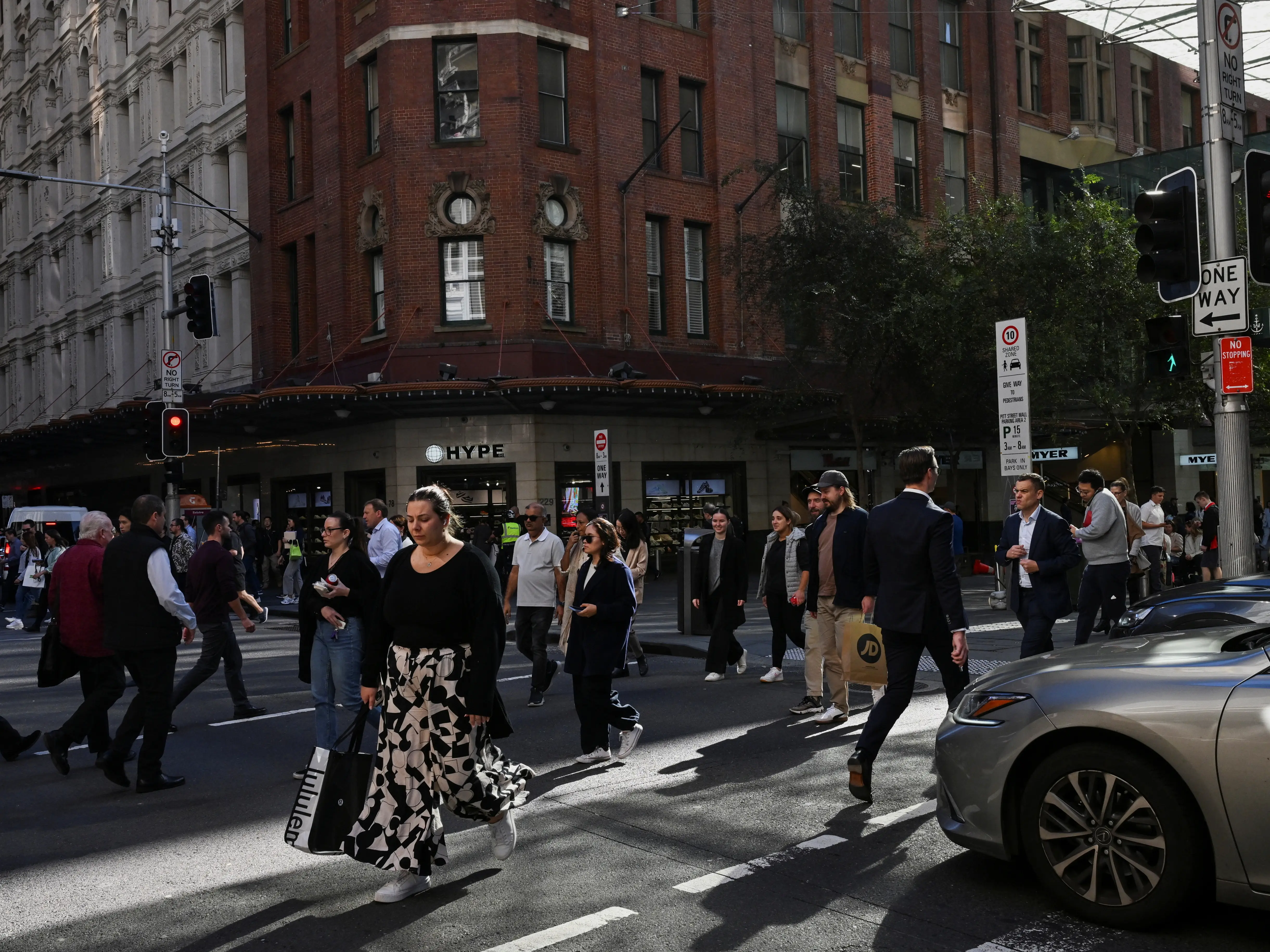
People cross the street in the Sydney Central Business District, in Sydney, Australia. Photograph: (Reuters)
Australia's labour market is showing strain, with the unemployment rate rising to 4.3% in June, the highest since November 2021.
Australia’s labour market has shown its first signs of strain in years, with the unemployment rate unexpectedly surging to a 3.5-year high in June, prompting markets to sharply raise expectations of an interest rate cut as early as August. According to data released by the Australian Bureau of Statistics (ABS) on Thursday, the jobless rate rose to 4.3 per cent, the highest level since November 2021, up from 4.1 per cent in May. Employment rose by just 2,000 jobs in June, falling well short of economists’ expectations of a 20,000 gain.
The soft print weighed on the Australian dollar, which fell 0.7 per cent to $0.6480, its weakest level in over three weeks. Bond markets also responded strongly, with three-year government bond yields tumbling 10 basis points to 3.386 per cent, while interest rate futures priced in an 85 per cent chance of a rate cut by the Reserve Bank of Australia (RBA) in August, up from 76 per cent earlier, as reported by Reuters.
Rate cut speculation gains momentum
The weak jobs data adds to the case for more policy easing. The RBA has already slashed interest rates twice this year to 3.85 per cent, but held them steady at its last meeting, citing concerns about sticky inflation.
“While we’re still not ringing the alarm bells, June’s slackening is another good reason for the RBA to get a wriggle on with rate cuts,” said Harry Murphy Cruise, head of economic research at Oxford Economics Australia, as quoted by Reuters.
Cruise also noted that the labour market faces fresh headwinds, particularly from President Donald Trump’s tariffs, which he said were “weighing on business investment and prompting some firms to rethink hiring plans.”
Trending Stories
&imwidth=280&imheight=210&format=webp&quality=medium)
&imwidth=280&imheight=210&format=webp&quality=medium)
&imwidth=280&imheight=210&format=webp&quality=medium)
&imwidth=280&imheight=210&format=webp&quality=medium)
&imwidth=280&imheight=210&format=webp&quality=medium)
&imwidth=280&imheight=210&format=webp&quality=medium)
&imwidth=280&imheight=210&format=webp&quality=medium)
&imwidth=280&imheight=210&format=webp&quality=medium)
&imwidth=280&imheight=210&format=webp&quality=medium)
&imwidth=280&imheight=210&format=webp&quality=medium)
&imwidth=280&imheight=210&format=webp&quality=medium)
&imwidth=280&imheight=210&format=webp&quality=medium)
&imwidth=280&imheight=210&format=webp&quality=medium)
&imwidth=280&imheight=210&format=webp&quality=medium)
&imwidth=280&imheight=210&format=webp&quality=medium)
&imwidth=280&imheight=210&format=webp&quality=medium)
&imwidth=280&imheight=210&format=webp&quality=medium)
&imwidth=280&imheight=210&format=webp&quality=medium)
&imwidth=280&imheight=210&format=webp&quality=medium)
&imwidth=280&imheight=210&format=webp&quality=medium)
&imwidth=280&imheight=210&format=webp&quality=medium)
&imwidth=280&imheight=210&format=webp&quality=medium)
&imwidth=280&imheight=210&format=webp&quality=medium)
&imwidth=280&imheight=210&format=webp&quality=medium)
&imwidth=280&imheight=210&format=webp&quality=medium)
&imwidth=280&imheight=210&format=webp&quality=medium)
&imwidth=280&imheight=210&format=webp&quality=medium)
&imwidth=280&imheight=210&format=webp&quality=medium)
&imwidth=280&imheight=210&format=webp&quality=medium)
&imwidth=280&imheight=210&format=webp&quality=medium)
&imwidth=280&imheight=210&format=webp&quality=medium)
&imwidth=280&imheight=210&format=webp&quality=medium)
&imwidth=280&imheight=210&format=webp&quality=medium)
&imwidth=280&imheight=210&format=webp&quality=medium)
&im=FitAndFill=(700,400)&imwidth=280&imheight=210&format=webp&quality=medium)
&imwidth=280&imheight=210&format=webp&quality=medium)
&imwidth=280&imheight=210&format=webp&quality=medium)
&imwidth=280&imheight=210&format=webp&quality=medium)
&imwidth=280&imheight=210&format=webp&quality=medium)
Labour market cracks widen
The underlying details of the report were notably soft. Full-time jobs dropped by 38,200, partially offset by a rise in part-time roles. Hours worked also fell by 0.9 per cent, erasing gains from May. Despite the higher unemployment, the labour force participation rate edged up slightly to 67.1 per cent. While leading indicators such as job vacancies had recently shown signs of stabilising—up 2.9 per cent in the May quarter—private sector job ad data from June showed a rebound to 12-month highs, suggesting the labour market may still hold some resilience.
Yet analysts remain concerned about the overall direction. “There are clear signs of deceleration emerging in the labour market. This calls into question the RBA’s decision to prioritise inflation over growth and jobs at its meeting earlier this month,” said Tony Sycamore, market analyst at IG, as quoted by Reuters.
Inflation, jobs, and a tricky RBA path
Despite slowing growth, the RBA remains cautious. It wants to see clear signs that inflation is falling back toward its 2–3 per cent target range. Key data on third-quarter inflation, due later this month, will be pivotal in shaping the central bank’s next move.
So far, the rate cuts have not sparked a surge in consumer demand. As per Reuters, economic growth remains sluggish, with household spending subdued.
With jobs softening and inflation yet to decisively retreat, the RBA faces a delicate balancing act in its August meeting, amid growing pressure from markets to ease rates further.