Are deeper structural risks weighing Russian economy down?

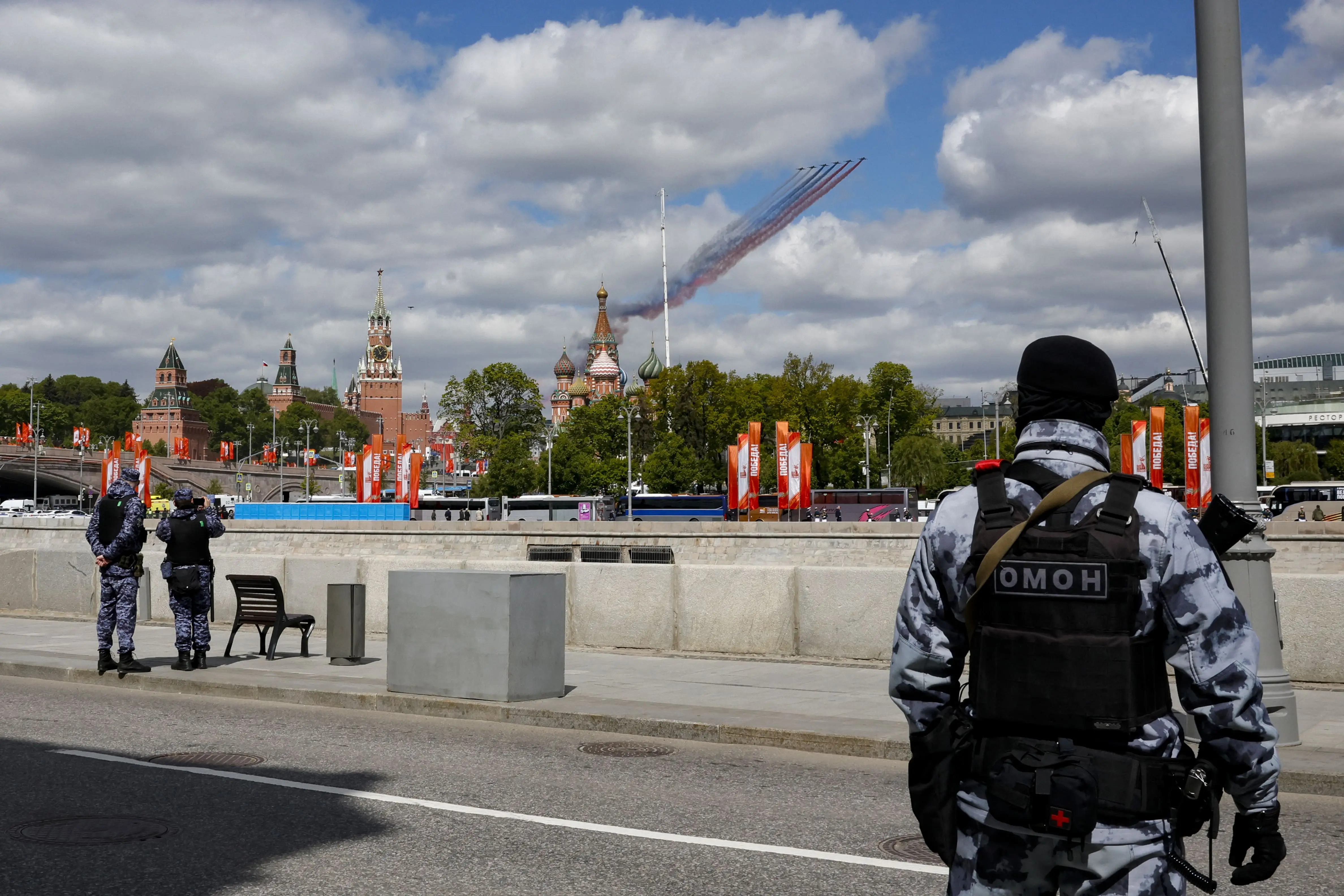
Business & Economy: According to data released by Rosstat, Russia’s GDP rose by just 1.4 per cent year-on-year, a steep fall from the 4.5 per cent in the last quarter
Russia’s economy is showing signs of weakening, as official statistics reveal a sharp decline in growth in the first quarter of 2025. According to preliminary data released by the Federal State Statistics Service (Rosstat) on May 16, the country’s gross domestic product (GDP) rose by just 1.4 per cent year-on-year. This marks a steep fall from the 4.5 per cent growth reported in the previous quarter and 5.4 per cent in the same period last year.
The slowdown came in below forecasts from both the Russian Economic Development Ministry, which predicted 1.7 per cent, and analysts at Bloomberg, who expected 1.8 per cent. Notably, Rosstat's quarter-on-quarter data showed the economy contracted by 0.4 per cent—its first quarterly decline since 2022—signalling growing economic vulnerability.
Experts have attributed the downturn to a combination of factors, including the central bank’s high interest rate policy, persistent inflation, supply chain disruptions, and falling revenues from energy exports. From January to April, oil and gas revenues dropped by 10 per cent—a significant blow to a country that relies heavily on its energy sector.
Economy in trouble?
Despite the troubling first quarter, Rosstat recently revised its GDP growth estimate for 2024 upward to 4.3 per cent, citing stronger-than-expected performance in the fourth quarter. However, doubts are growing about the reliability of Russia’s economic statistics.
A report by the Stockholm Institute of Transition Economics (SITE) warned that the Russian economy’s resilience is only superficial. It noted deepening structural weaknesses, unsustainable fiscal practices, and an overreliance on military-driven stimulus.
Trending Stories
&imwidth=280&imheight=210&format=webp&quality=medium)
&imwidth=280&imheight=210&format=webp&quality=medium)
&im=FitAndFill=(700,400)&imwidth=280&imheight=210&format=webp&quality=medium)
&imwidth=280&imheight=210&format=webp&quality=medium)
&imwidth=280&imheight=210&format=webp&quality=medium)
&imwidth=280&imheight=210&format=webp&quality=medium)
&imwidth=280&imheight=210&format=webp&quality=medium)
&imwidth=280&imheight=210&format=webp&quality=medium)
&imwidth=280&imheight=210&format=webp&quality=medium)
&imwidth=280&imheight=210&format=webp&quality=medium)
&imwidth=280&imheight=210&format=webp&quality=medium)
&imwidth=280&imheight=210&format=webp&quality=medium)
&imwidth=280&imheight=210&format=webp&quality=medium)
&imwidth=280&imheight=210&format=webp&quality=medium)
&imwidth=280&imheight=210&format=webp&quality=medium)
&imwidth=280&imheight=210&format=webp&quality=medium)
&imwidth=280&imheight=210&format=webp&quality=medium)
&imwidth=280&imheight=210&format=webp&quality=medium)
&imwidth=280&imheight=210&format=webp&quality=medium)
&imwidth=280&imheight=210&format=webp&quality=medium)
&imwidth=280&imheight=210&format=webp&quality=medium)
&im=FitAndFill=(700,400)&imwidth=280&imheight=210&format=webp&quality=medium)
&imwidth=280&imheight=210&format=webp&quality=medium)
&imwidth=280&imheight=210&format=webp&quality=medium)
&imwidth=280&imheight=210&format=webp&quality=medium)
&imwidth=280&imheight=210&format=webp&quality=medium)
&imwidth=280&imheight=210&format=webp&quality=medium)
&imwidth=280&imheight=210&format=webp&quality=medium)
&imwidth=280&imheight=210&format=webp&quality=medium)
&im=FitAndFill=(700,400)&imwidth=280&imheight=210&format=webp&quality=medium)

&im=FitAndFill=(700,400)&imwidth=280&imheight=210&format=webp&quality=medium)
&imwidth=280&imheight=210&format=webp&quality=medium)
&imwidth=280&imheight=210&format=webp&quality=medium)
&imwidth=280&imheight=210&format=webp&quality=medium)
&imwidth=280&imheight=210&format=webp&quality=medium)
&imwidth=280&imheight=210&format=webp&quality=medium)
&imwidth=280&imheight=210&format=webp&quality=medium)
Reuters reported that Torbjorn Becker of SITE pointed to discrepancies in Russia’s inflation and monetary policy data as evidence that real GDP growth may be overstated. “Russia claims inflation is 9–10 per cent. Why then is the central bank’s key rate set at 21 per cent?” he asked, arguing that understated inflation leads to inflated real GDP figures.
The SITE report, presented to European Union finance ministers, further claimed that Russia’s budget deficit is likely larger than officially reported due to off-the-books war financing via the banking system. Official figures cite deficits of 2.3 per cent of GDP in 2022, 1.9 per cent in 2023, and 1.7 per cent in 2024—yet SITE estimates suggest the real fiscal shortfall could be twice as large, raising concerns about looming banking sector risks.
War and sanctions compounding economic pressure
The long-term impact of sanctions continues to weigh heavily on the Russian economy. The Russian Finance Ministry reportedly acknowledged “hundreds of billions of dollars” in direct losses to the financial sector, while energy export earnings fell by an estimated $78.5 billion between December 2022 and June 2024, according to the Kyiv School of Economics.
Russia’s pivot to a war economy has led to a surge in military spending, but this has come at the cost of consumer sector stability. Civilian businesses are struggling under the burden of soaring interest rates and inflation.
In 2024, inflation reached 9.5 per cent, and bankruptcies rose 26 per cent year-on-year in the first three quarters, totalling 6,392 corporate insolvencies, according to Interfax.
Even as Moscow touts growth figures, Western analysts and institutions like the IMF are sceptical. The IMF estimates that while Russia’s economy grew by 3.8 per cent in 2024, growth will slow to 1.4 per cent in 2025 and just 1.2 per cent in 2026.
Peace talks, but no ceasefire yet
Adding to the uncertainty are recent developments in the ongoing war in Ukraine. On May 16, Russia and Ukraine held their first direct peace talks since early 2022, agreeing to a large prisoner swap involving 1,000 prisoners each. However, significant gaps remain, especially over the issue of a ceasefire.
Ukrainian officials, backed by Western allies, have insisted on a temporary ceasefire as a first step toward broader peace. Russia has so far resisted this proposal. The two sides exchanged ceasefire proposals and discussed a potential meeting between their presidents, though no agreements were finalised.
Analysts warn that any reduction in military spending following a peace deal could deliver a short-term shock to Russia’s already strained economy. Conversely, failure to reach an agreement could trigger a new round of sanctions from the West, compounding existing pressures.