America's clock debate enters its final round

&imwidth=600&imheight=450&format=webp&quality=medium "America's clock debate enters its final round")
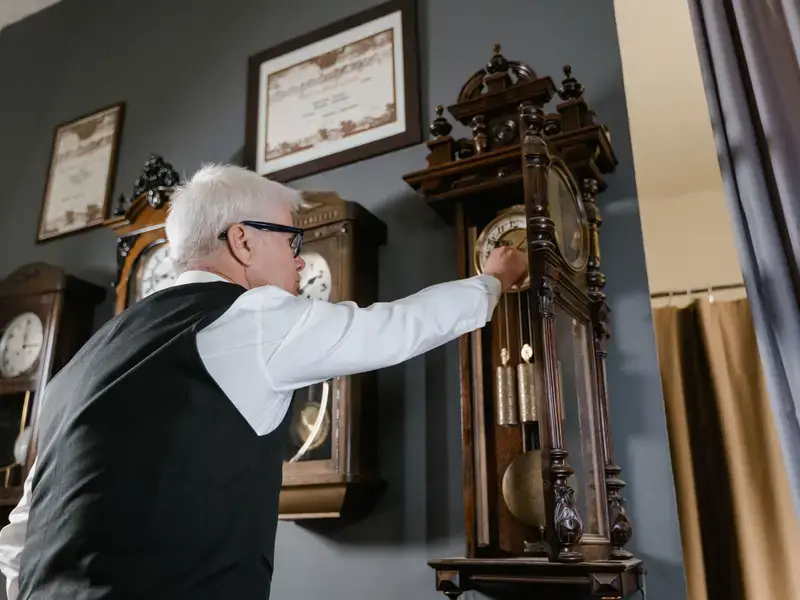
America's clock debate enters its final round Photograph: (Pexels/Representative Image)
The US House passed the Sunshine Protection Act in a 308-117 vote, paving the way for states to adopt permanent Daylight Saving Time. The bill now heads to the Senate, where similar efforts have stalled. Supporters cite economic and health benefits, while critics issued warning
The US House just did what Congress has failed to do for years. It voted 308-117 to end the twice-a-yearclockritual, passing the Sunshine Protection Act.
The bill would allow states to voluntarily observe daylight saving time year-round. President Trump is expected to sign it if it clears the Senate.
But here's the catch: the Senate is where this bill has died before.
The Senate passed similar legislation unanimously in 2022, but the House never took it up. Now the roles are reversed, and Senate majority leader John Thune faces pressure. Democratic senator Patty Murray has publicly urged him to bring the bill to a vote as soon as possible.
Also Read: No more clock changes? US House backs permanent Daylight Saving Time after years of debate
The politics don't split cleanly along party lines. Lawmakers from coastal states like Florida, Louisiana and New Jersey largely back the change, while Midwest and agriculture-heavy states are pushing back.
Trending Stories
&im=FitAndFill=(700,400)&imwidth=280&imheight=210&format=webp&quality=medium)
&imwidth=280&imheight=210&format=webp&quality=medium)
&imwidth=280&imheight=210&format=webp&quality=medium)
&imwidth=280&imheight=210&format=webp&quality=medium)
&imwidth=280&imheight=210&format=webp&quality=medium)
&imwidth=280&imheight=210&format=webp&quality=medium)
&imwidth=280&imheight=210&format=webp&quality=medium)
&imwidth=280&imheight=210&format=webp&quality=medium)
&imwidth=280&imheight=210&format=webp&quality=medium)
&imwidth=280&imheight=210&format=webp&quality=medium)
&imwidth=280&imheight=210&format=webp&quality=medium)
&imwidth=280&imheight=210&format=webp&quality=medium)

&imwidth=280&imheight=210&format=webp&quality=medium)
&imwidth=280&imheight=210&format=webp&quality=medium)
&imwidth=280&imheight=210&format=webp&quality=medium)
&imwidth=280&imheight=210&format=webp&quality=medium)
&im=FitAndFill=(700,400)&imwidth=280&imheight=210&format=webp&quality=medium)
&im=FitAndFill=(700,400)&imwidth=280&imheight=210&format=webp&quality=medium)
&imwidth=280&imheight=210&format=webp&quality=medium)
&im=FitAndFill=(700,400)&imwidth=280&imheight=210&format=webp&quality=medium)
&imwidth=280&imheight=210&format=webp&quality=medium)
&imwidth=280&imheight=210&format=webp&quality=medium)
&imwidth=280&imheight=210&format=webp&quality=medium)
&imwidth=280&imheight=210&format=webp&quality=medium)
&imwidth=280&imheight=210&format=webp&quality=medium)
&imwidth=280&imheight=210&format=webp&quality=medium)
&imwidth=280&imheight=210&format=webp&quality=medium)
&im=FitAndFill=(700,400)&imwidth=280&imheight=210&format=webp&quality=medium)
&imwidth=280&imheight=210&format=webp&quality=medium)
&imwidth=280&imheight=210&format=webp&quality=medium)
&imwidth=280&imheight=210&format=webp&quality=medium)
&im=FitAndFill=(700,400)&imwidth=280&imheight=210&format=webp&quality=medium)
&imwidth=280&imheight=210&format=webp&quality=medium)

&imwidth=280&imheight=210&format=webp&quality=medium)
&im=FitAndFill=(700,400)&imwidth=280&imheight=210&format=webp&quality=medium)
Democrats were nearly evenly divided, with House minority leader Hakeem Jeffries voting no. That is proof this is a lifestyle fight and not an ideology fight.
For businesses, the economic case is straightforward: Florida lawmakers argue extended evening daylight boosts tourism and outdoor recreation.
Benefiting retail, golf, and hospitality sectors. But farmers worry about later sunrises disrupting agricultural schedules, a sector with real lobbying weight in the Senate. For ordinaryAmericans, the pitch is health and simplicity. Supporters say permanent daylight time could improve public health, reduce traffic accidents, cut crime, and encourage outdoor activity.
Critics counter with child safety. Democratic representative Mary Gay Scanlon warned it creates risks for children walking to school in darker mornings.
Globally, this matters less for markets and more for coordination. Nineteen states have already passed standby legislation to switch immediately if Congress acts, while Hawaii, Arizona, and U.S. territories could opt out entirely.
That means even a federal law leavesAmerica’sclockmap fragmented. For global businesses trading with the U.S, that patchwork is the real complexity to watch, and not the daylight-savingdebateitself. Bottom line: the House delivered a rare bipartisan win. Now, the Senate is the real test.
