Why the F-22 Raptor is almost impossible to spot even in broad daylight

The F-22 Raptor achieves daylight stealth through metallic grey camouflage, S-shaped engine inlets, and radar-absorbing skin that shrinks its radar signature to 0.0001 square metres.
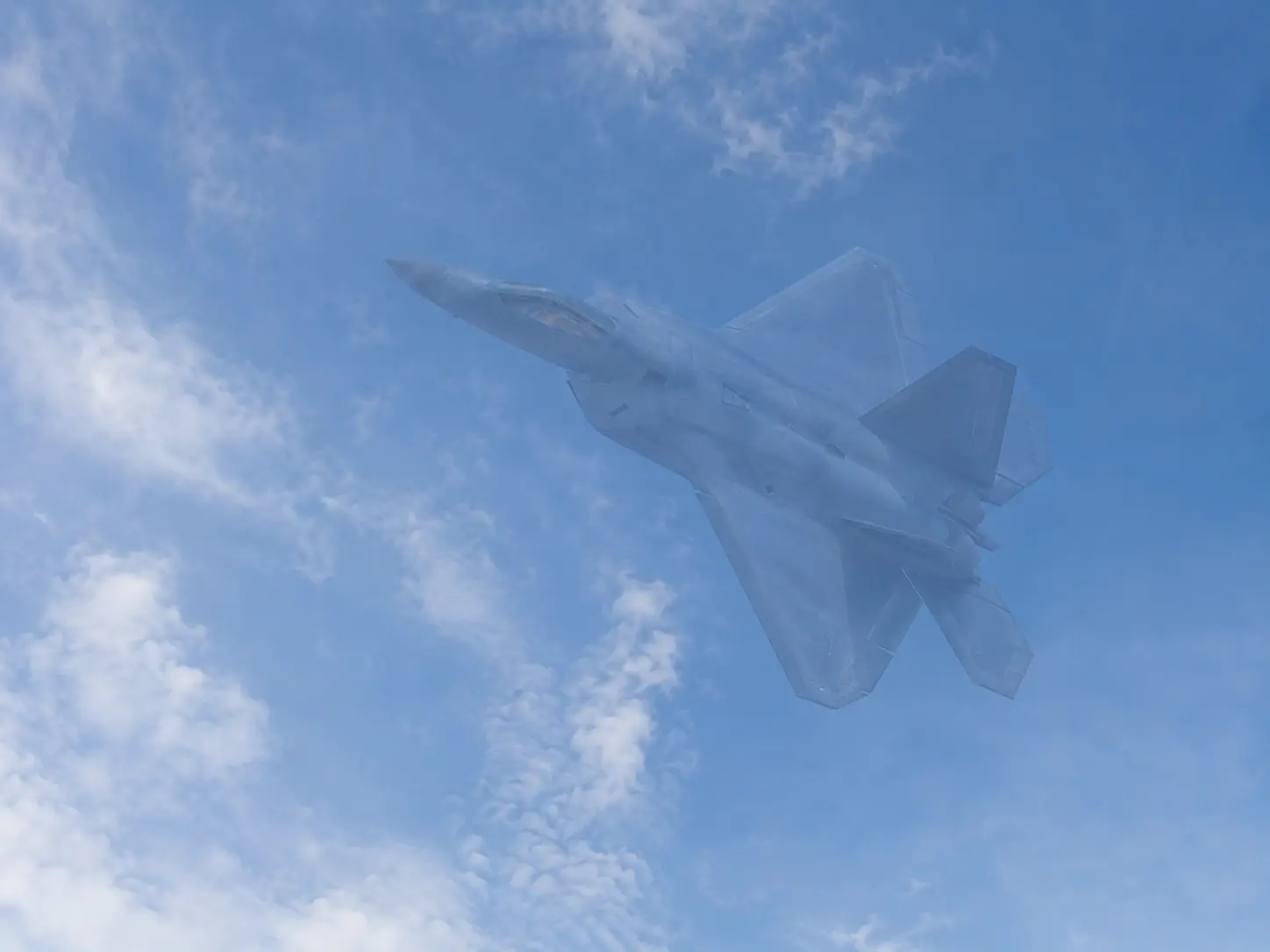
Two-Tone Grey Camouflage
The fighter features a distinct two-tone grey visual camouflage scheme with a custom metallic topcoat. This specialised exterior paint absorbs colours from the surrounding sky and reflects natural sunlight. Consequently, the 62-foot aircraft visually blends into the daytime horizon, making it exceptionally difficult for enemy pilots to spot with the naked eye.
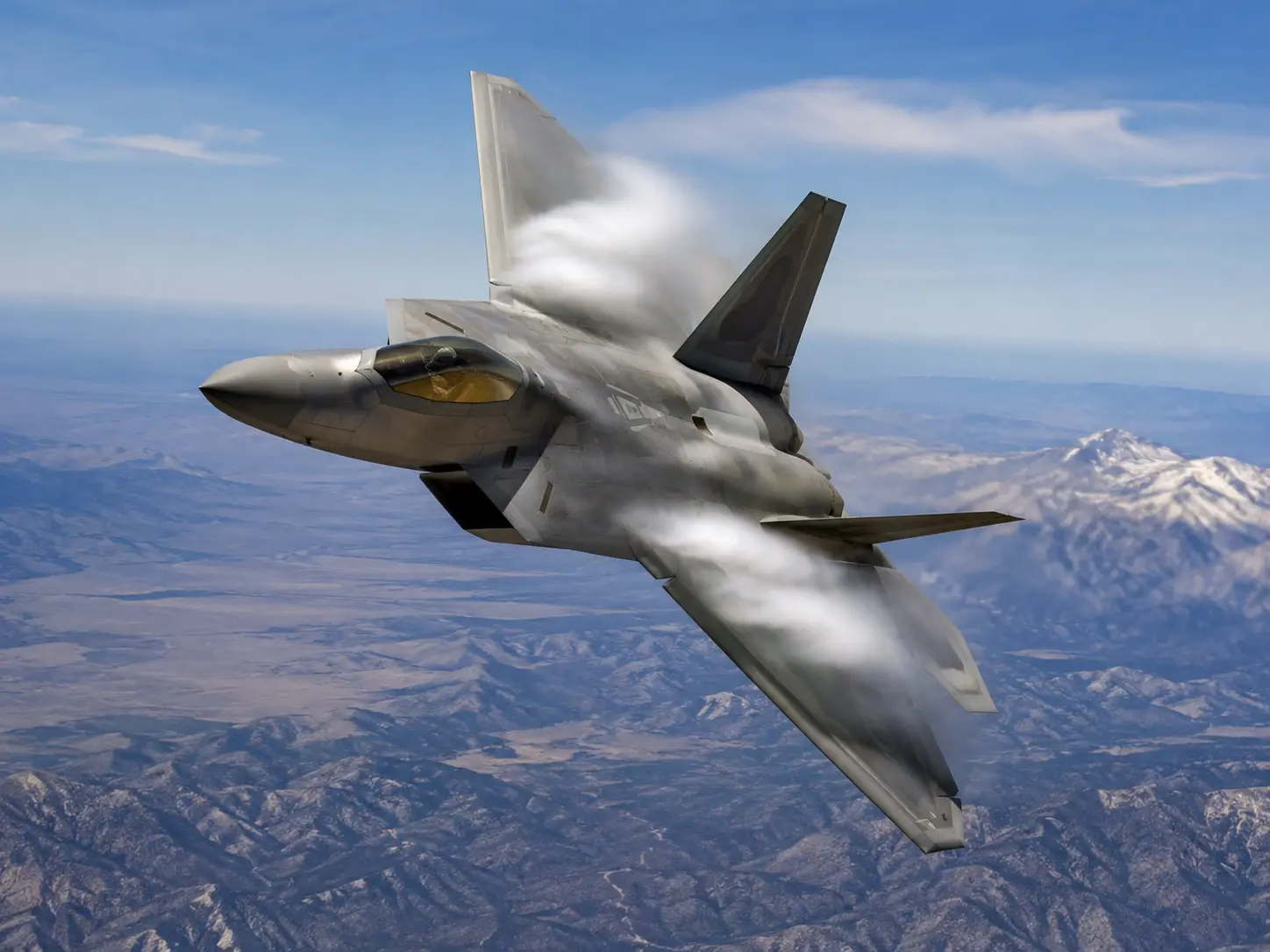
Dual S-Shaped Air Inlets
Conventional jet engine turbine blades act as massive reflectors that bounce radar signals straight back. To prevent this, the F-22 conceals its two Pratt & Whitney engines deep inside S-shaped intake ducts. This curved serpentine geometry blocks any direct line of sight to the rotating compressor blades, trapping radar energy inside the airframe.
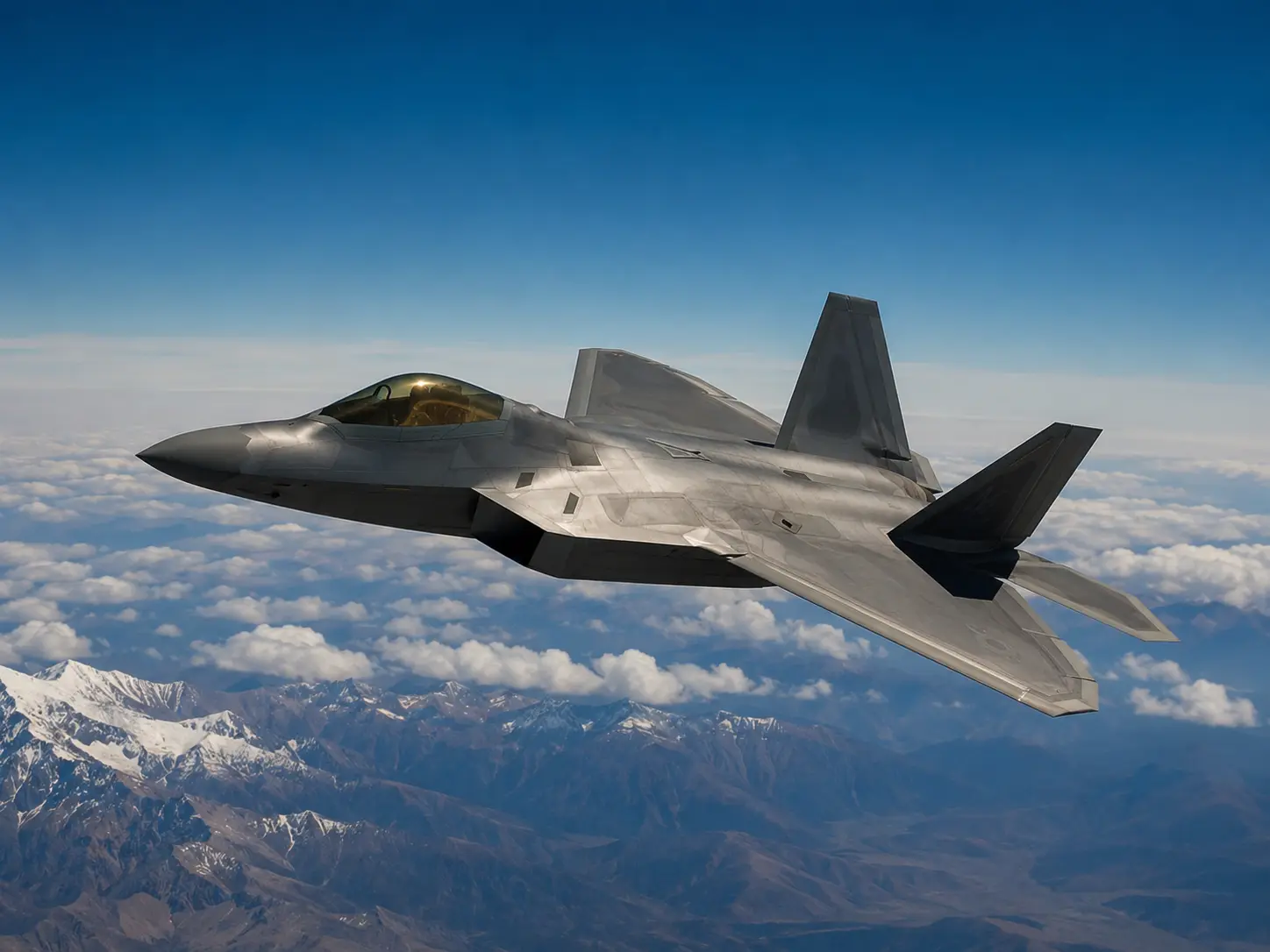
360-Degree Parallel Edges
Every hard exterior edge on the fighter, including the wings, tail fins, and access panels, is precisely aligned. The leading and trailing edges are swept at matching angles across the entire titanium structure. This strict planform alignment ensures that incoming daytime radar beams are deflected away in narrow, predictable directions rather than scattered toward enemy sensors.
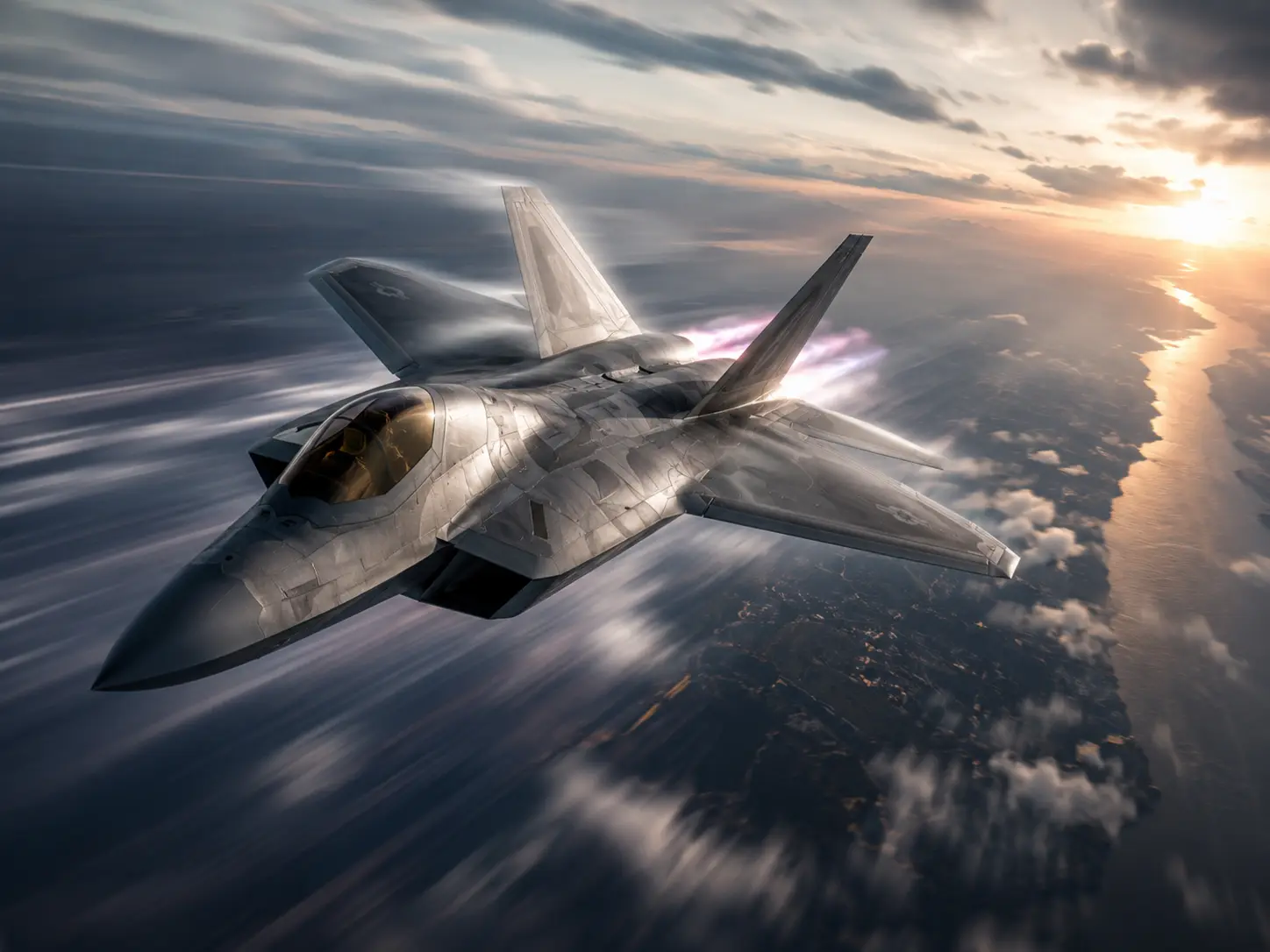
0.0001 Sq. Metre Radar Return
The aircraft skin is coated in a heavy radar-absorbent material infused with microscopic iron and carbon particles. This composite layer converts incoming electromagnetic radar energy into thermal energy and dissipates it. By absorbing radar pulses, the exterior coating shrinks the jet's radar cross-section to just 0.0001 square metres, equivalent to a small marble.
Sub-Second Weapons Bays
Carrying external missiles and bombs on wing pylons creates massive radar reflections during flight. The F-22 solves this by storing its entire air-to-air combat payload inside internal fuselage bays. The hydraulic bay doors open for less than one second to launch weapons, preserving the fighter's smooth, low-observable profile throughout daylight combat operations.
)
)
)
)
)