Wuhan leads world's largest driverless car experiment


Baidu’s is focusing on producing driverless cars, representational image.
The bustling streets of Wuhan, a central Chinese city with 11 million residents and 4.5 million cars, are now the site of the world's largest driverless car experiment. This initiative, led by tech giant Baidu, involves a fleet of 500 computer-navigated taxis, often operating without backup drivers. Baidu plans to expand this fleet by adding another 1,000 robot taxis, reflecting China's aggressive approach to developing autonomous vehicle technology.
China's cities embrace driverless technology
Currently, 16 cities across China have authorised companies to test driverless vehicles on public roads. At least 19 Chinese automakers and their suppliers are competing to establish global leadership in this field, with the government providing substantial support. Cities have designated testing areas for robot taxis, and censors are limiting online discussions about safety incidents to mitigate public fears.

Public perception and safety concerns
Surveys by J.D. Power reveal that Chinese drivers are more willing than Americans to trust computers with their cars. Zhang Ming, a grocery store owner near Wuhan’s Qingchuan Pavilion, expresses confidence in the technology, stating, "I think there’s no need to worry too much about safety — it must have passed safety approval."
&imwidth=180&imheight=135&format=webp&quality=medium)
Brendan Taylor overtakes Andy Flower to become Zimbabwe’s leading ODI run-scorer
&imwidth=180&imheight=135&format=webp&quality=medium)
Pakistan to head IMF, World Bank boards after 74 years amid persistent economic crisis
&imwidth=180&imheight=135&format=webp&quality=medium)
"The scariest thing was"... flydubai Captain Smit Machchhar recalls cockpit fight and how he thought of his son and daughter
&imwidth=180&imheight=135&format=webp&quality=medium)
'We are not sitting in ivory towers, we are aware': SC issues notice to Rahul Gandhi, Akhilesh Yadav
&imwidth=180&imheight=135&format=webp&quality=medium)
Flying car race: Alef Aeronautics welcomes Tesla Roadster '11 years' later, but are the two models the same?
&imwidth=180&imheight=135&format=webp&quality=medium)
6-year-old among 2 killed as vehicle crashes into youth soccer game in US
&imwidth=180&imheight=135&format=webp&quality=medium)
WATCH | Flames engulf St Petersburg oil sites as Ukraine launches 1,000 drones at Russia
&imwidth=180&imheight=135&format=webp&quality=medium)
‘I have very severe problems’: Trump fuels health speculation during address to firefighters
&imwidth=180&imheight=135&format=webp&quality=medium)
US midterm elections 2026: Postal ballots and voter disenfranchisement — A key battle for Donald Trump
&imwidth=180&imheight=135&format=webp&quality=medium)
Lizard people? Ex-US Army sniper claims soldier killed by 'reptilian beings' in battle near Area 51
&imwidth=180&imheight=135&format=webp&quality=medium)
‘I don’t know how my family escaped': Congressman Raja Krishnamoorthi chokes while revealing he was inside US temple during foiled attack
&imwidth=180&imheight=135&format=webp&quality=medium)
Rain washes out 5th T20I as India-West Indies share honours 2-2
&imwidth=180&imheight=135&format=webp&quality=medium)
'Reason UN has lost credibility': Amid SIR protests India hits out at report alleging 'youth repression'
&imwidth=180&imheight=135&format=webp&quality=medium)
‘My president, I mean my husband’: Trump's new press secretary Katie Zacharia's first briefing goes off the rails in 14 minutes
&imwidth=180&imheight=135&format=webp&quality=medium)
China responds to Trump's Press Secretary Katie Zacharia after toilet remark: 'Visit China more often'
&imwidth=180&imheight=135&format=webp&quality=medium)
UAE agrees with Saudi Arabia to rejoin Yemen fight as Houthi strikes rattle Riyadh
&imwidth=180&imheight=135&format=webp&quality=medium)
PCB omits Atherton, Hussain from tri-series commentary panel over Imran Khan interview row
&imwidth=180&imheight=135&format=webp&quality=medium)
SA vs AUS 2nd Test: Rain delays start as Rabada returns; Boland replaces Lyon for Australia
&imwidth=180&imheight=135&format=webp&quality=medium)
At least 400 arrested as protests turn violent in France; PM blames far left
&imwidth=180&imheight=135&format=webp&quality=medium)
WATCH | iPhones, luxury perfumes floating in Hormuz? Iranian fishermen make bizarre discovery
&imwidth=180&imheight=135&format=webp&quality=medium)
Two students die, 14 injured at Dandiya event in Hyderabad: Know what happened? VIDEO
&imwidth=180&imheight=135&format=webp&quality=medium)
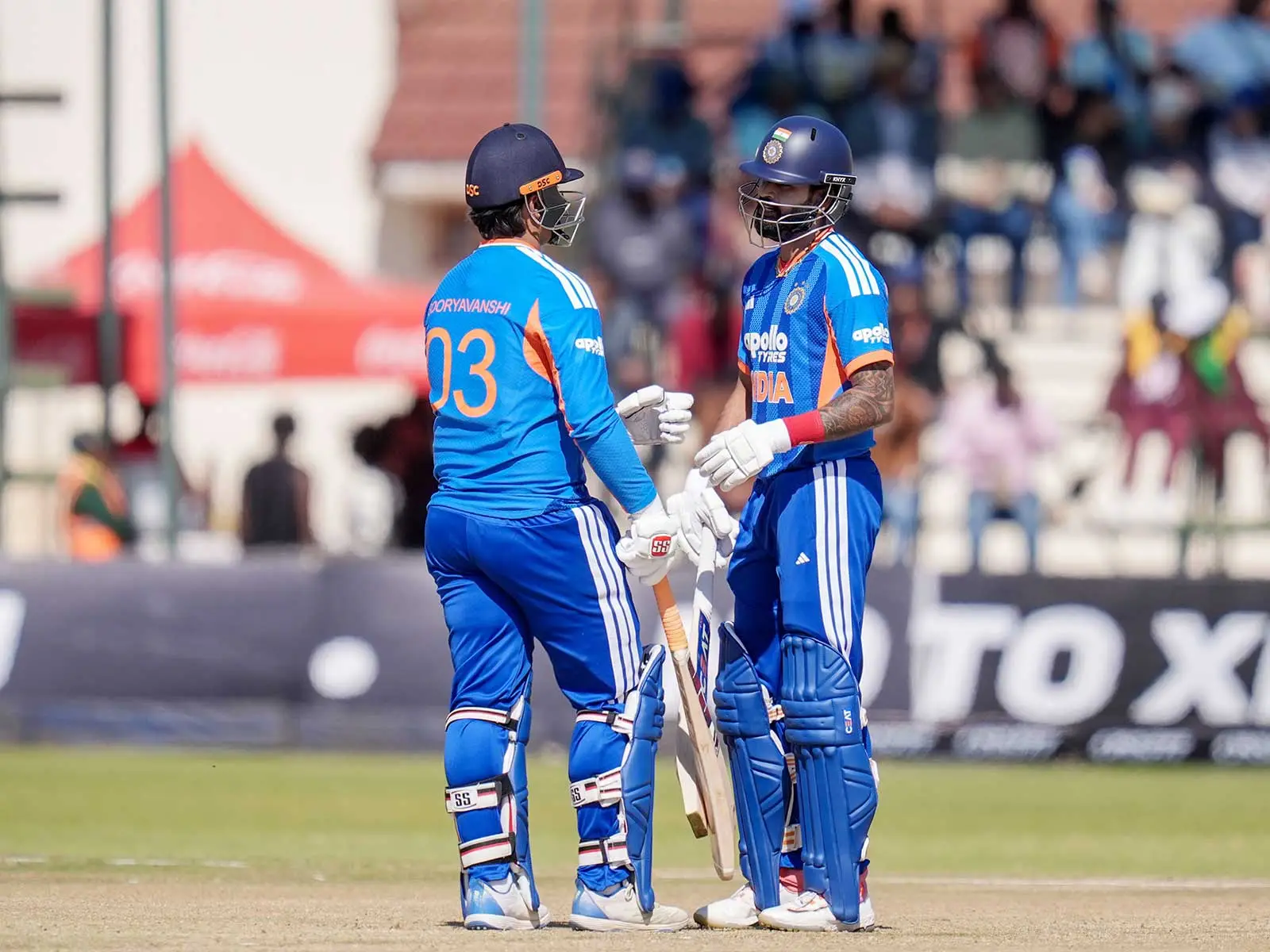
'keep telling him you will get your opportunities': Iyer opens up on conversations with Sooryavanshi
&imwidth=180&imheight=135&format=webp&quality=medium)
‘Be back in few weeks’: Emi Martinez shares first update after head clash in Premier League match
&imwidth=180&imheight=135&format=webp&quality=medium)
Tiger Shroff attacked by three gunmen in Mumbai, actor safe, two injured
&imwidth=180&imheight=135&format=webp&quality=medium)
Taylor Swift performs at star-studded Academy Museum Gala 2026 in stunning Dior ensemble
&imwidth=180&imheight=135&format=webp&quality=medium)
Anirudh Ravichander-Kavya Maran wedding: Telangana CM reveals Chennai reception date
&im=FitAndFill=(700,400)&imwidth=180&imheight=135&format=webp&quality=medium)
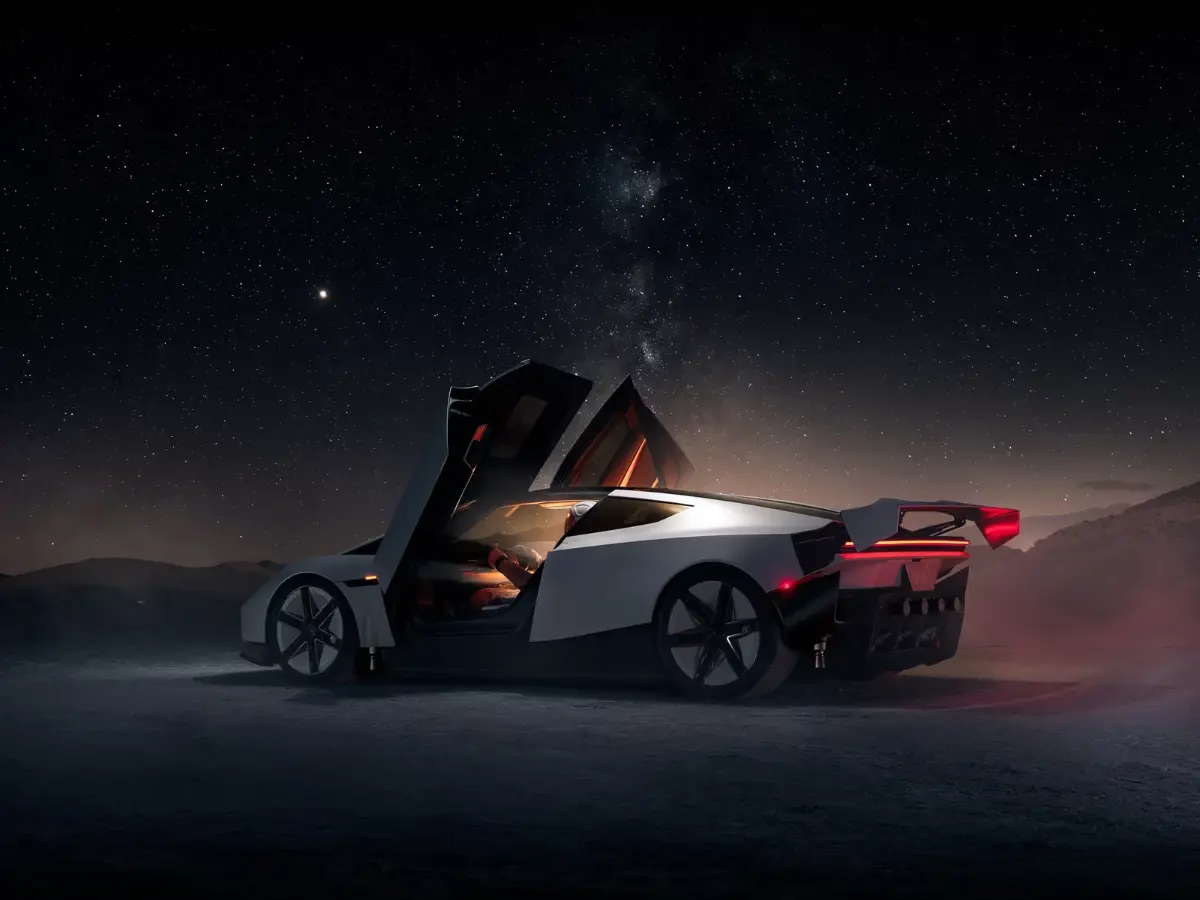
Inside Tesla's Roadster: 10 features of Elon Musk's 'flying car' that push the limits of electric vehicles | In Pics
&imwidth=180&imheight=135&format=webp&quality=medium)
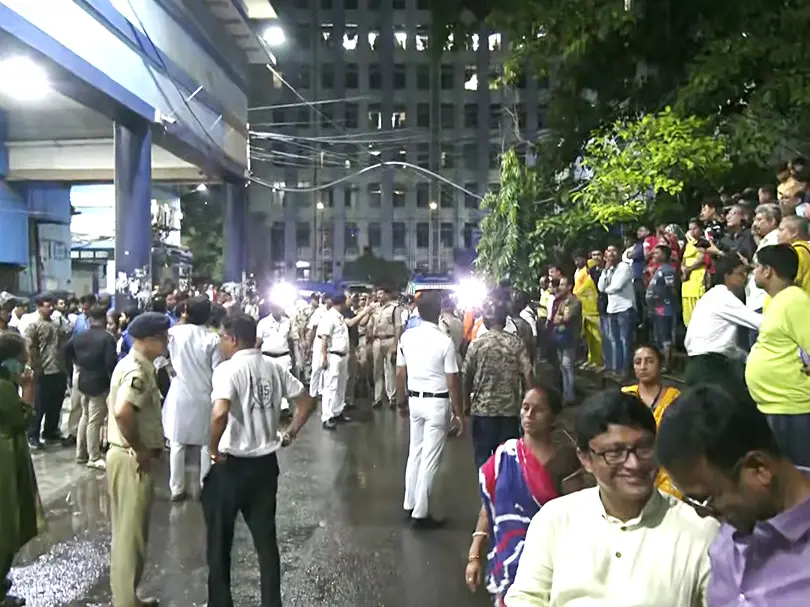
Kolkata Durga Puja stampede: PM Modi announces Rs 2 lakh ex-gratia for kin of dead, Amit Shah to visit injured
&imwidth=180&imheight=135&format=webp&quality=medium)
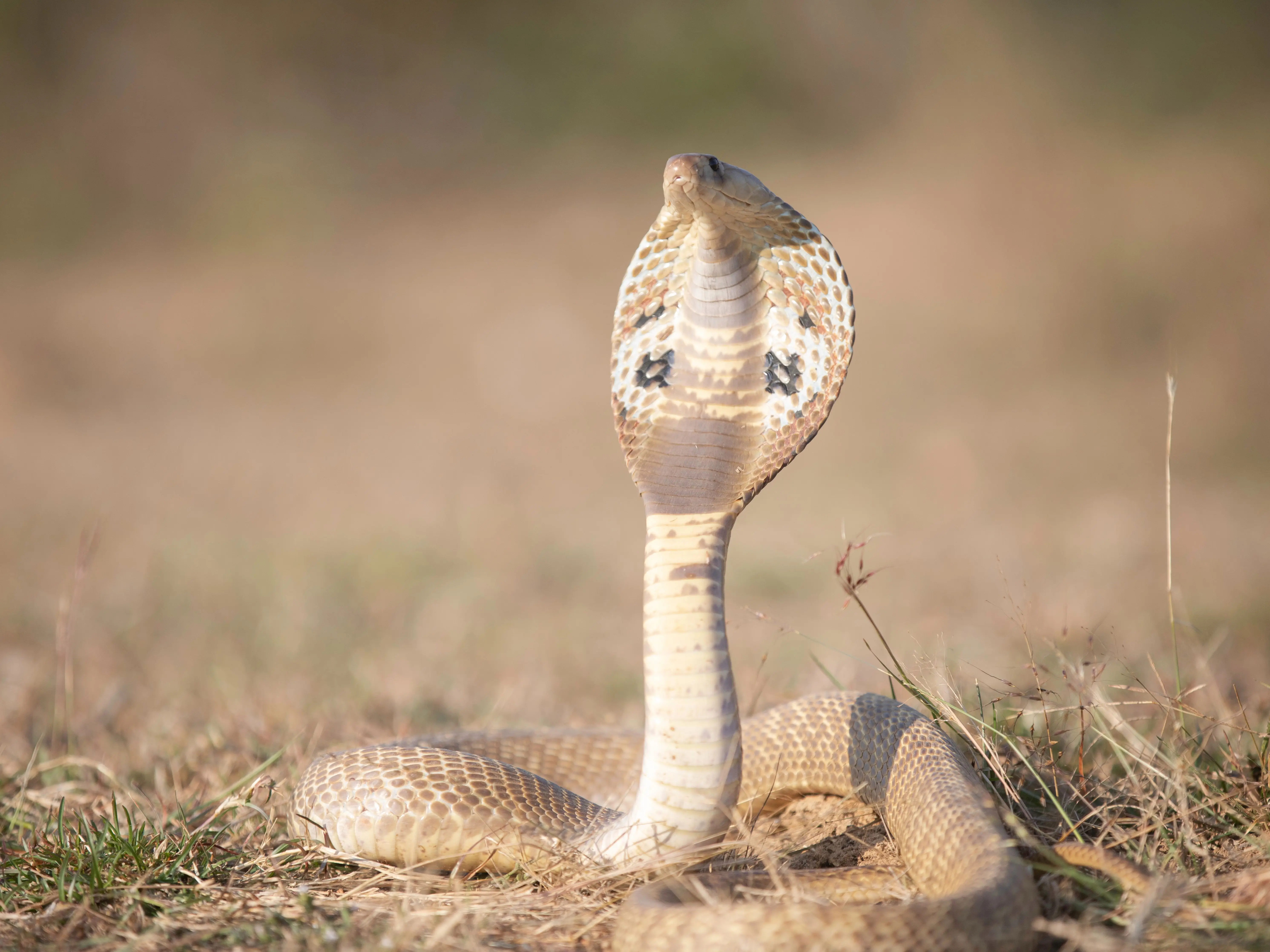
One species, two lineages: Why Sri Lanka’s spectacled cobra differs genetically from Indian variant
&imwidth=180&imheight=135&format=webp&quality=medium)
2 injured in plane crash on busy California highway
&imwidth=180&imheight=135&format=webp&quality=medium)
'We feel like Mr India': Gujarat’s undercover SHE team guard garba nights at Navratri
&imwidth=180&imheight=135&format=webp&quality=medium)
Cattle-feed bran in biscuits, detergent in milk: FSSAI acts against 3 companies
&imwidth=180&imheight=135&format=webp&quality=medium)
'It's a joy to see the makers bring it on such a grand scale': SS Rajamouli on Ramayana
&imwidth=180&imheight=135&format=webp&quality=medium)
13 dead after truck mows down devotees, crashes into temple gate in Madhya Pradesh's Gwalior
&imwidth=180&imheight=135&format=webp&quality=medium)
IND-W vs ZIM-W, 2nd T20I: When and where to watch live streaming in India?
Data control and research advantages
China's strict control over data plays a significant role in its lead in driverless car development. Chinese companies have established research facilities in the United States and Europe, sending results back home, while keeping domestic research within the country. This data control hampers foreign automakers' ability to use their research in China for other markets.
Global comparison: cautious progress elsewhere
While China charges ahead, other regions adopt a more cautious approach. General Motors' Cruise halted its robot taxi service in the U.S. last autumn after a pedestrian incident, leading to a suspension of its state license in California. Waymo, formerly Google’s self-driving car division, continues to test over 200 self-driving cars in Phoenix, San Francisco, Los Angeles, and Austin, under close federal scrutiny.
Ford and Volkswagen discontinued their joint venture, Argo AI, but remain focused on developing advanced assisted driving systems. Japan also faced setbacks, suspending its driverless golf cart tests last year due to a minor incident, although testing resumed this March.
Tesla's ambitious plans and regulatory challenges
Tesla remains a major player in autonomous driving, with its Autopilot system for highways and Full Self-Driving (FSD) system for street and highway driving, although both require driver supervision. Elon Musk announced a "Tesla Robotaxi unveil" for August 8, aiming to push further into the driverless market.
China's strategic developments
Chinese automakers are rapidly integrating advanced assisted driving features into mass-production cars. Recently, Beijing authorised nine automakers, including Nio, BYD, and SAIC Motor, to test advanced systems surpassing Tesla’s FSD. Initially, these tests will occur in restricted areas.
Baidu and Huawei are key suppliers of automated systems to many Chinese automakers. Baidu’s joint venture with Zhejiang Geely, named Jiyue, focuses on producing driverless cars. The China Society of Automotive Engineers predicts that by 2030, 20% of cars sold in China will be completely driverless, with 70% featuring advanced assisted driving technology.
The success of driverless technology hinges on the transition to electric vehicles (EVs), which offer better integration with autonomous systems than gasoline or hybrid cars. Currently, battery electric cars constitute about 25% of the Chinese market, compared to 7% in the United States.
China's rapid progress and global implications
Chinese companies began by studying American innovations in autonomous driving but have quickly advanced in commercialisation. Before the COVID-19 pandemic, many Chinese firms established autonomous driving research centres in California. These companies shifted most research back to China during the pandemic, continuing their development.
Michael Dunne, a San Diego automotive consultant, remarked, "If you take California out of the equation, China’s autonomous driving industry would be nowhere near where it is now."
Tesla’s advanced assisted driving technologies have a significant market in China. During a visit to Beijing, Elon Musk secured deals to keep data gathered in China within the country and to obtain high-resolution maps from Baidu, essential for driverless systems.
Future of autonomous driving
Despite advancements, the transfer of driving data to China remains a security concern. Europe and the U.S. currently allow this data transfer, but regulatory changes may be imminent. The U.S. Commerce Secretary, Gina M. Raimondo, announced that the U.S. would propose rules to regulate electronically linked cars to China, and Europe is also examining the issue.
Baidu claims a three- to five-year lead over Tesla in Chinese cities like Wuhan. Wang Yunpeng, president of Baidu’s intelligent driving business group, emphasised the importance of understanding local traffic dynamics, stating, "By operating fully driverless cars in these places, Baidu has learned how the traffic works, block by block."
Across China, cities are encouraging broad experimentation with autonomous driving, from coastal ports like Shenzhen and Fuzhou to mountain metropolises like Chongqing and Chengdu. This extensive testing is expected to drive significant advancements in driverless technology.