US Supreme court to examine California's vehicle emissions regulations

California's vehicle emissions regulations
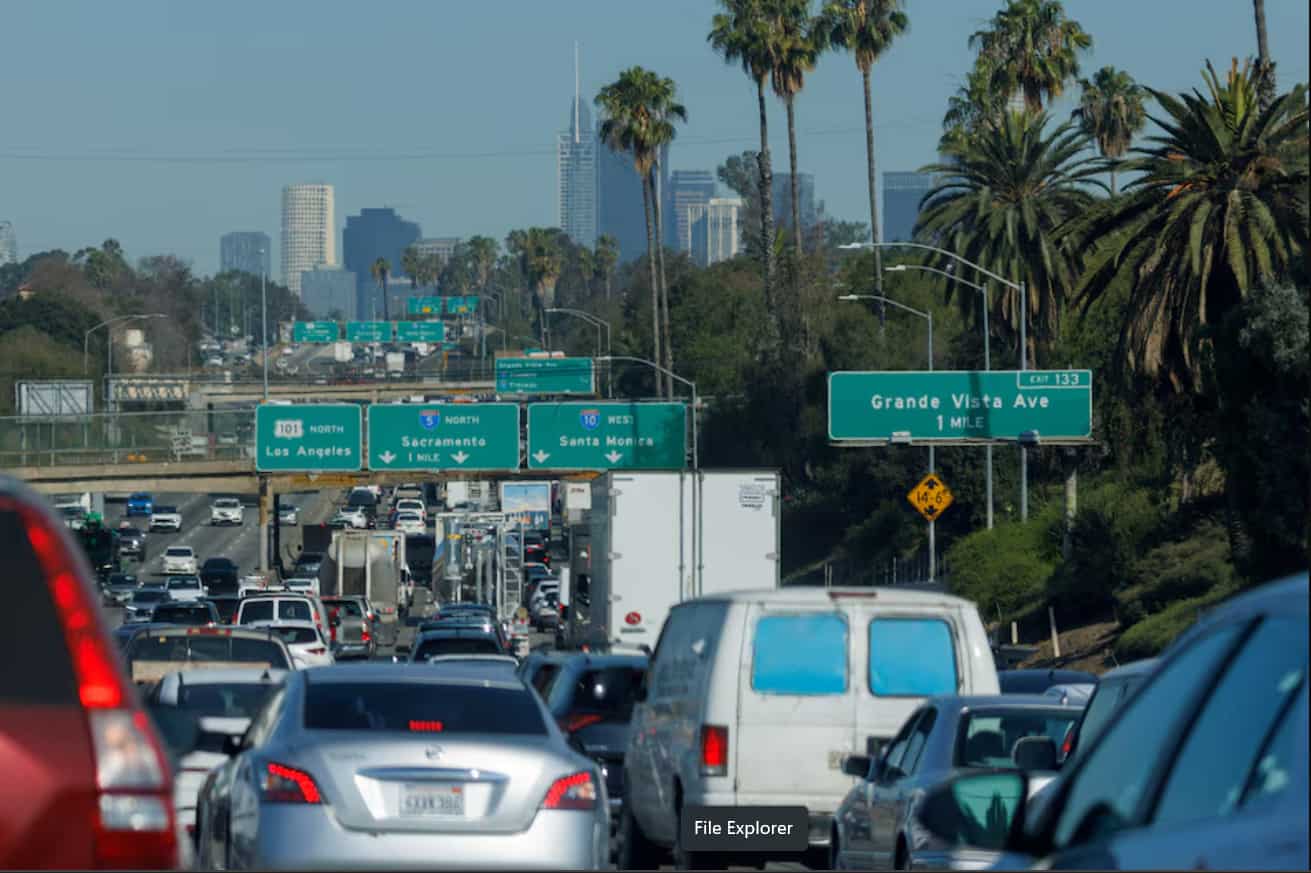
The United States Supreme Court has agreed to hear a critical challenge to California's vehicle emissions and electric vehicle standards, a case that could potentially reshape environmental regulation across the nation.
The dispute centres on an exceptional waiver granted by the Environmental Protection Agency (EPA) to California in 2022, allowing the state to establish its own stringent vehicle emission limits and zero-emission vehicle mandates, which exceed national standards.
California, traditionally at the forefront of environmental regulation, has historically received more than 75 waivers since 1967, enabling the state to implement progressively more rigorous emissions performance requirements. The current legal challenge, initiated by Valero Energy's subsidiary Diamond Alternative Energy and associated fuel industry groups, seeks to contest this long-standing practice.

The case challenges the EPA's March 2022 decision to reinstate California's waiver, which had been previously rescinded during the Trump administration. Fuel producers argue that the state is effectively functioning as a "junior-varsity EPA" and overstepping its regulatory boundaries by implementing climate change mitigation strategies.
Central to the dispute is the unique provision within the Clean Air Act that allows the EPA to waive preemption rules, permitting California to establish emissions standards more stringent than federal regulations. This legal mechanism has been crucial in driving environmental innovation and advancing clean vehicle technologies.
Valero and supporting groups contend that California's regulations exceed the EPA's statutory authority and potentially harm their commercial interests by reducing demand for traditional liquid fuels. They have invoked the "major questions" doctrine, a legal principle that allows judicial discretion in challenging executive agency actions.
)
Earth-Theia collision created the moon in just 5 hours, study shows
)
Nigerian Navy discovers 99,000 litres of suspected stolen, illegally refined products as it intensifies anti-crude oil theft operations
)
Who is Aditi Paudel? 17-year-old becomes Japan's first literacy ambassador
)
Man pushes Russian humanoid robot. Watch what happens next
)
Coast Guard jet carrying DHS Secretary Markwayne Mullin makes emergency landing after engine failure
)
Chaos in Ukraine's Kyiv: Zelensky calls shootout between spy services 'absolutely shameful'
&im=FitAndFill=(700,400))
How the Su-30MKI flies up to 8,000 kilometres using mid-air refueling
)
Trump says he’s ‘happy’ Harry and Meghan left US , calls them disrespectful
)
Harry Potter and the Philosophers' Stone: New trailer reveals fresh look at Hogwarts, sorting ceremony and iconic moments to life
)
Pakistan faces growing hunger crisis amid rising food insecurity
)
EU bans Brazilian meat imports over antibiotic violation rules
)
Belgium, latest EU state cautioned by India over arms for Pakistan; gets assurances from Brussels
)
Houthis target Yemen with ballistic missiles, Yemeni army downs several drones
)
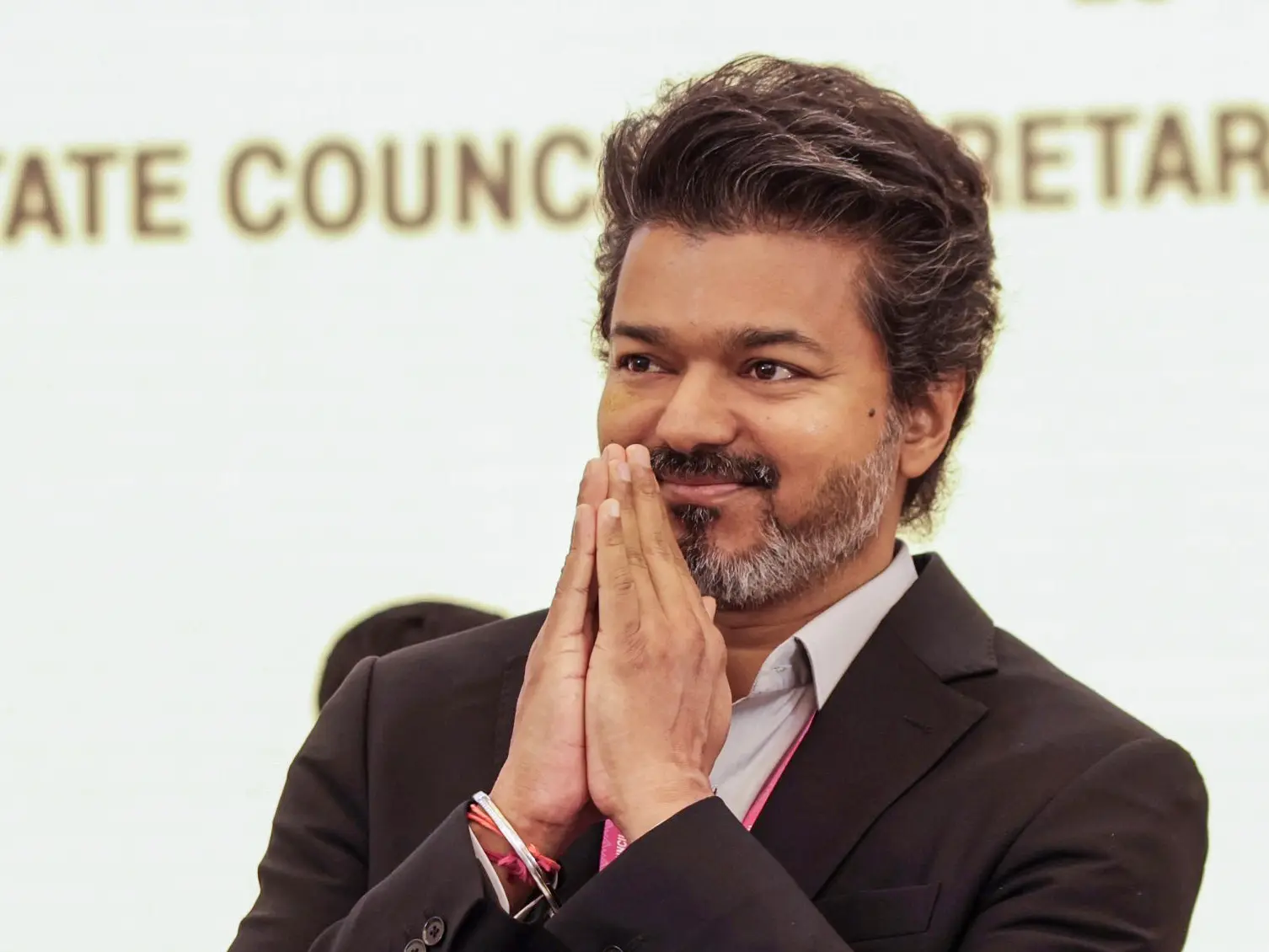
The Odyssey star Elliot Page opens up about struggling to land his next acting role after starring in Christopher Nolan film
)
No selfies with God, no reels inside: Tamil Nadu CM bans smartphones in temples | Gravitas
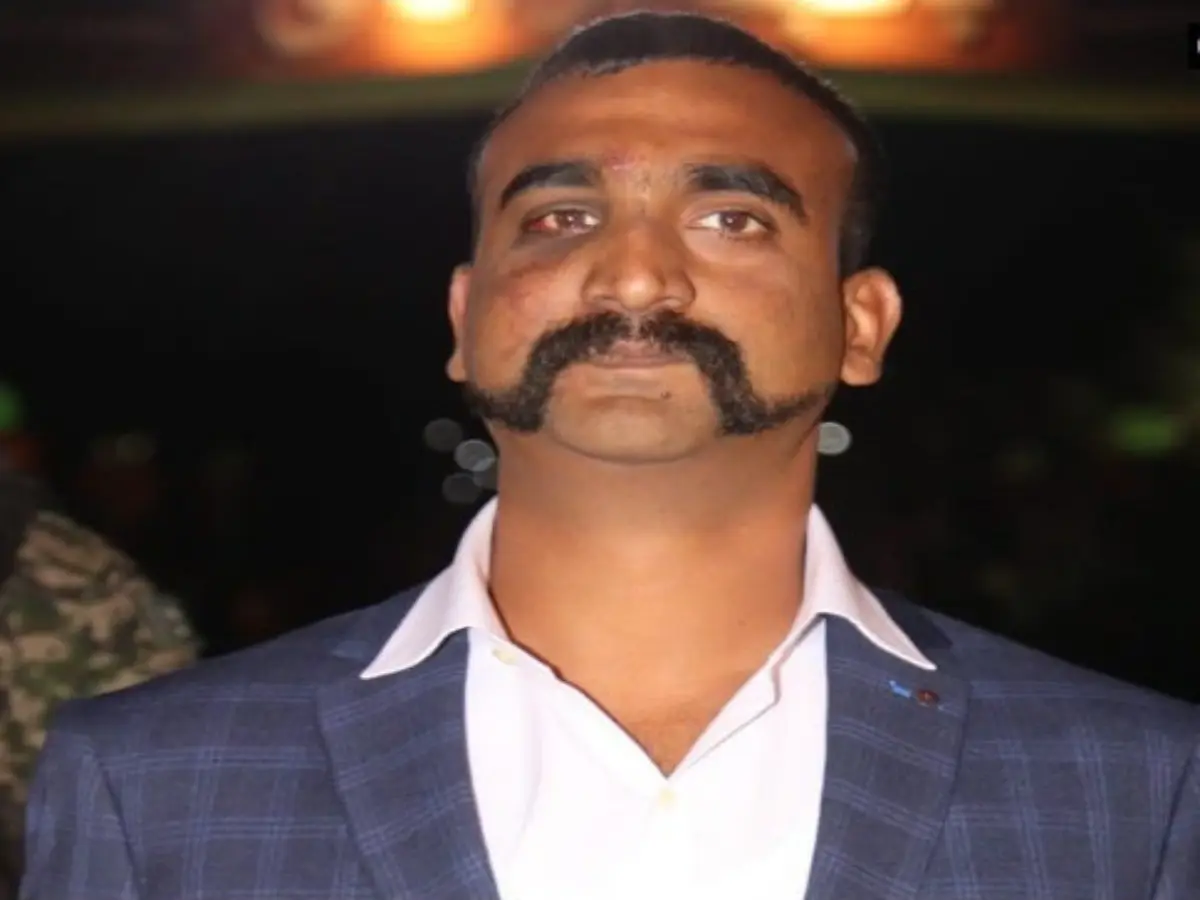)
Indian Air Force pilot Abhinandan Varthaman, who shot down Pak fighter jet retires, takes up private job
)
Report: Egypt eyes new Rafale F4 deal amid air force modernisation push
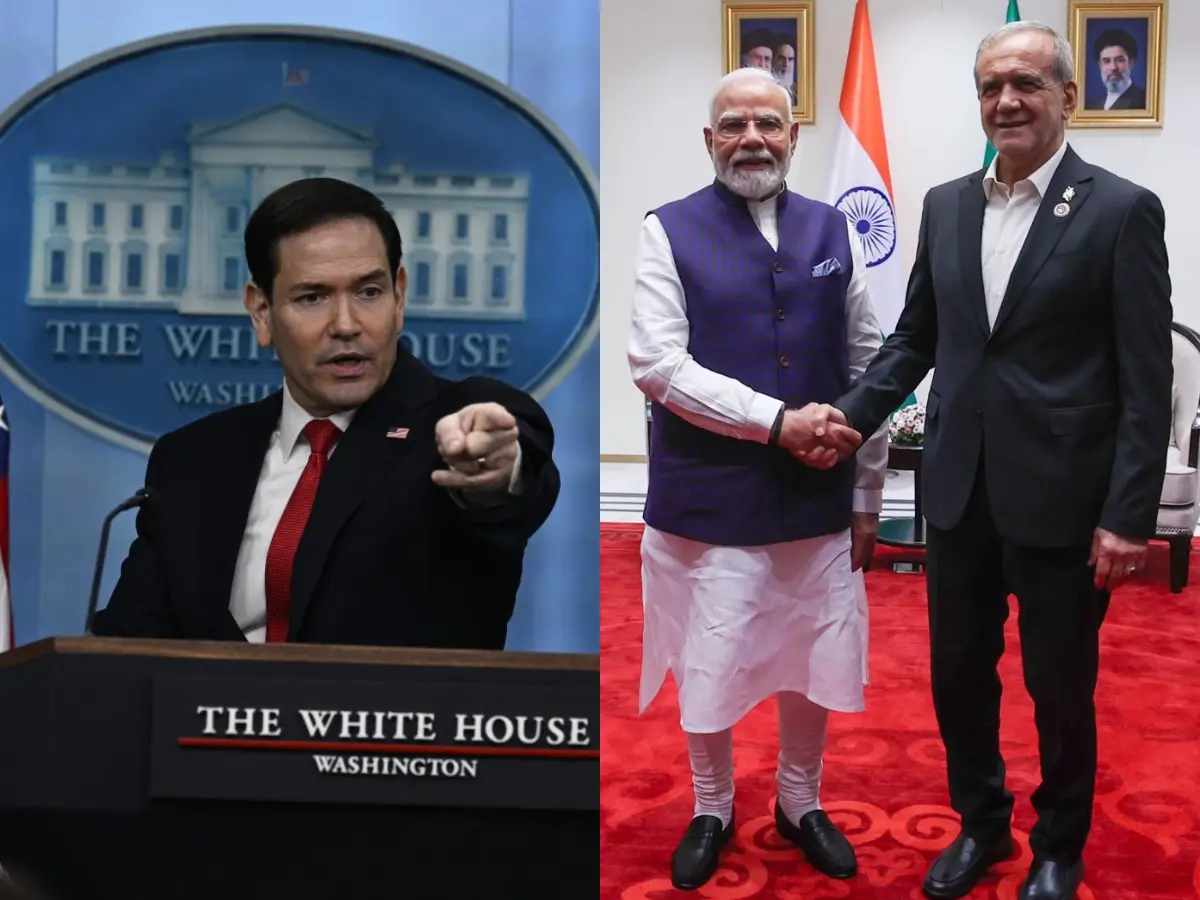)
Rubio on Modi-Pezeshkian meeting: 'No country should help Iran evade sanctions'
)
High Xylitol levels in blood linked to cardiovascular risk
)
WION Exclusive: Hasina says she reads father’s unfinished memoir while planning Dhaka return
&im=FitAndFill=(700,400))
Why the Su-30MKI uses a giant air brake on its back instead of its wings
)
Bangladesh batter Towhid Hridoy creates history with 350 not out in South Africa
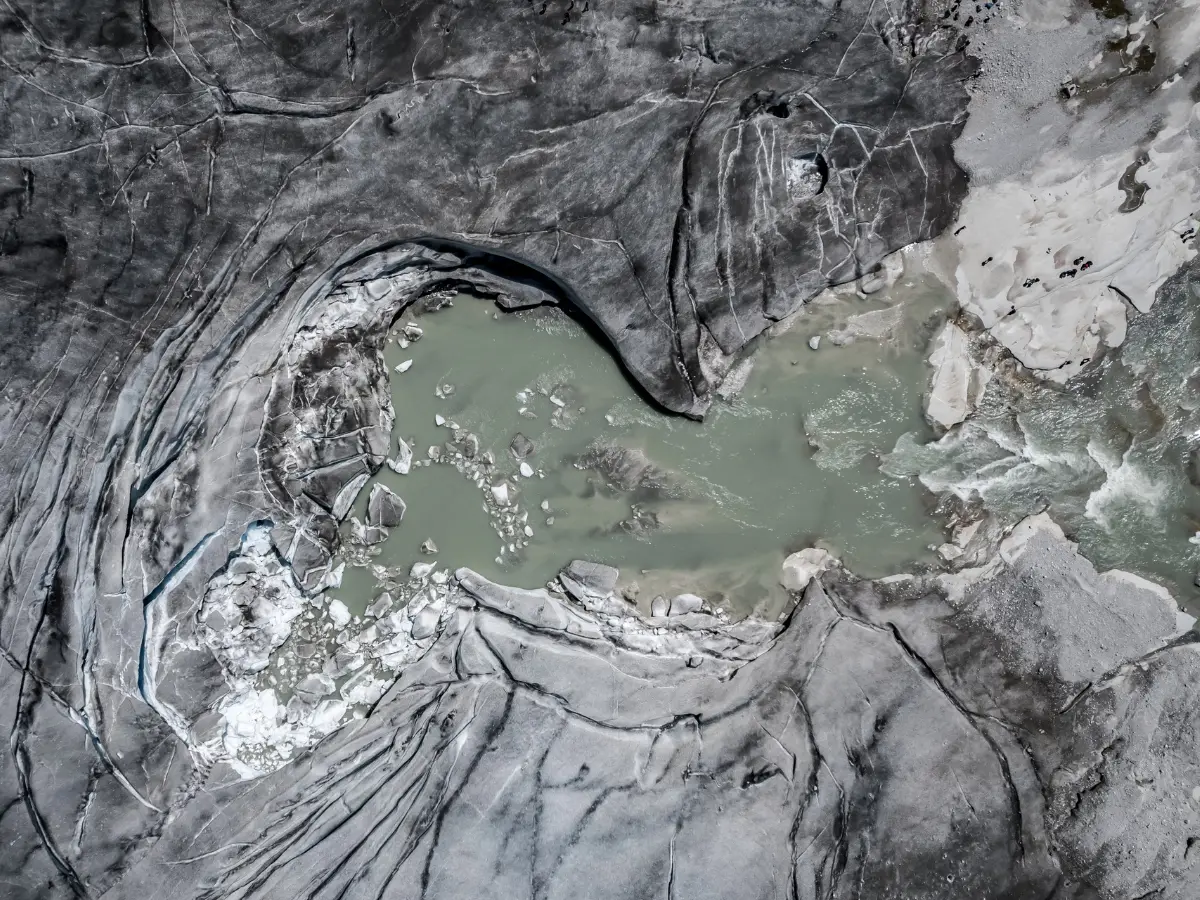)
Beginning of the end? More glacial lake outbursts threaten millions in India, Nepal and China
)
India's data centre boom: AI boom fuels $31.6 trillion data race
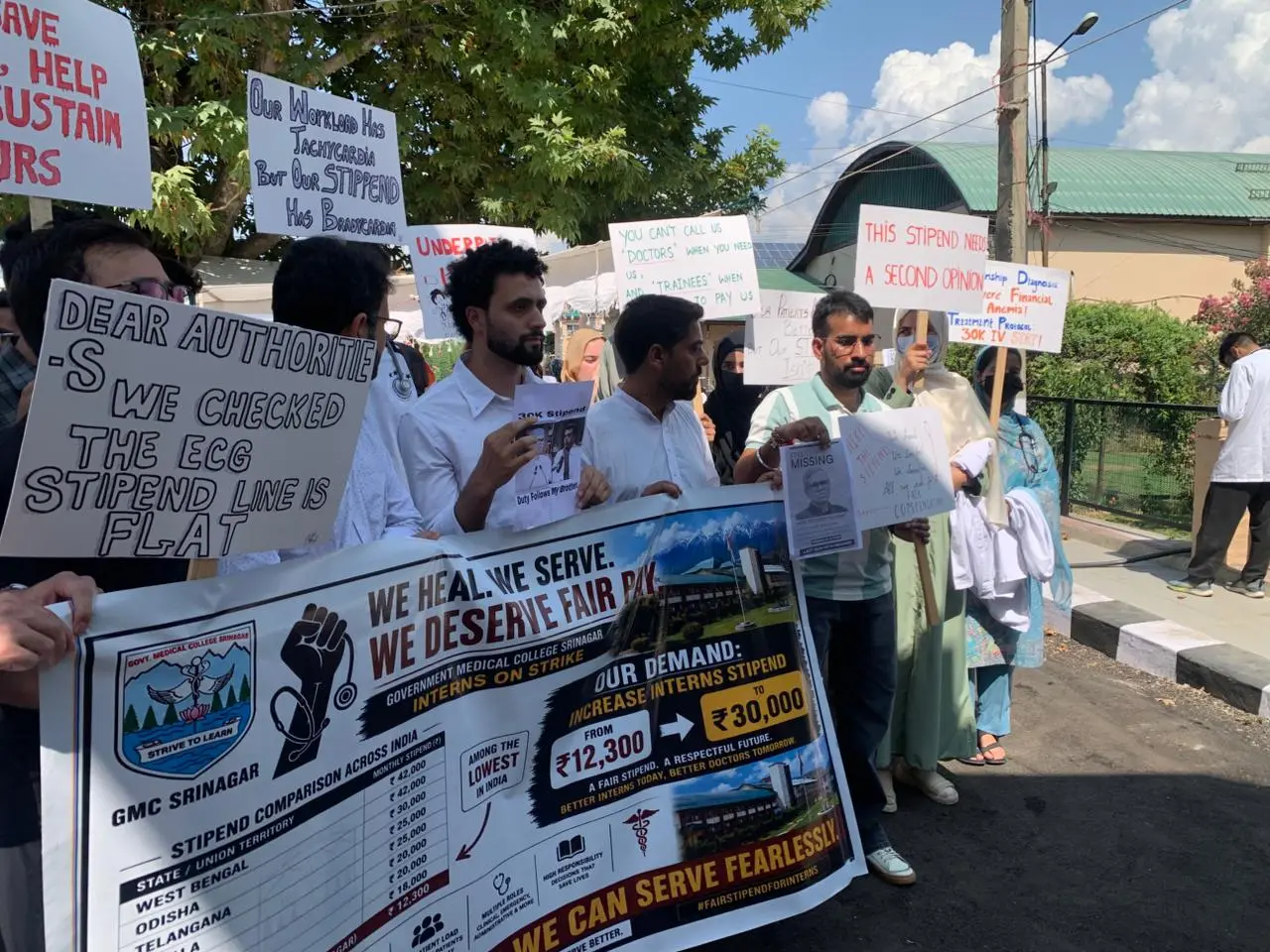)
J&K medical interns continue fourth-day protest, demand stipend hike to ₹30,000
)
Pakistanis are eating less. What they are eating instead is even more alarming
)
Nepal floods: 1,204 dead, 4,216 missing as tearful relatives pray for the missing
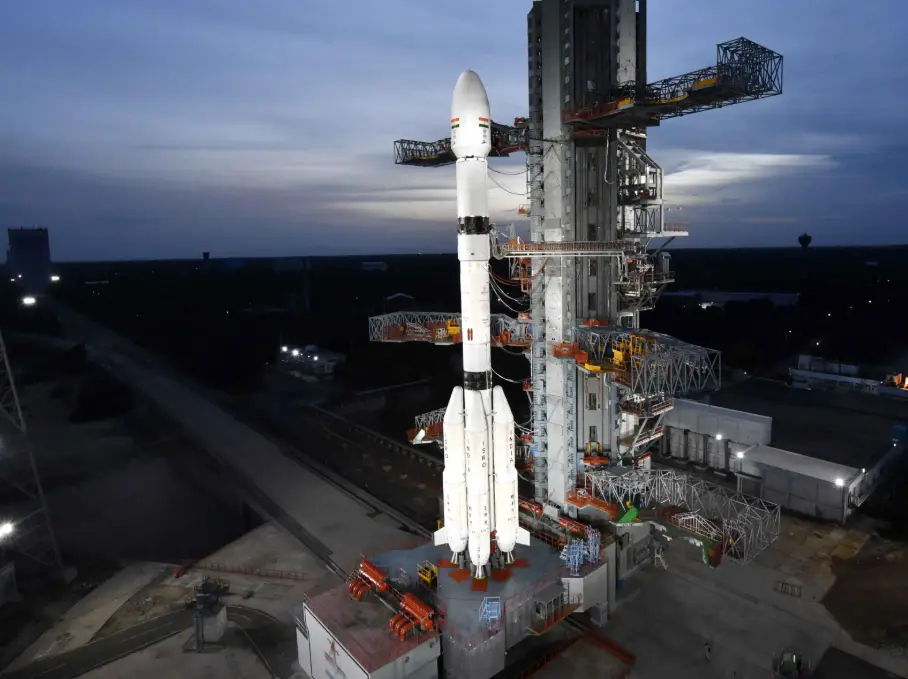)
ISRO EOS-05 launch: GSLV to lift heaviest payload in its 25-year flight history
)
EU and NATO step up pressure on Russia after Germany ‘escalation incidents’
)
Husband uses secret camera to record wife’s affair, wins divorce case, ends up in jail for spying
)
At least 2 killed in Minneapolis shooting, suspect also dead
)
Manipur violence: 25 houses torched in Manipur’s Kangpokpi a day after 10 homes were burnt along Imphal-Tamenglong road
)
US Mint releases $1 coins featuring Donald Trump, priced up to $154.50
&im=FitAndFill=(700,400))
Why the glass canopy on the Su-30MKI has a distinct golden tint
The Supreme Court's conservative 6-3 majority has demonstrated increasing skepticism towards expansive regulatory powers in recent environmental cases. Previous rulings have significantly restricted the EPA's authority, including blocking the agency's "Good Neighbor" rule targeting ozone emissions and limiting its power to protect wetlands and regulate power plant carbon emissions.
The appellate court previously dismissed the lawsuit, determining that Valero and supporting states lacked sufficient legal standing to challenge the waiver. However, the Supreme Court's decision to hear the appeal suggests a potential willingness to scrutinise the EPA's regulatory approach.
This case carries profound implications for environmental policy, potentially affecting not only California's ability to set independent emissions standards but also the broader landscape of climate change mitigation efforts across the United States.
The outcome could significantly impact the automotive industry's transition towards electric vehicles, influence state-level environmental regulations, and potentially reshape the federal government's approach to combating climate change.
Environmental advocates and industry stakeholders are closely monitoring the proceedings, recognising that the Supreme Court's ruling could establish a critical precedent for future environmental regulatory frameworks.