Lyft aims for 15 per cent annual growth and advertising expansion by 2027

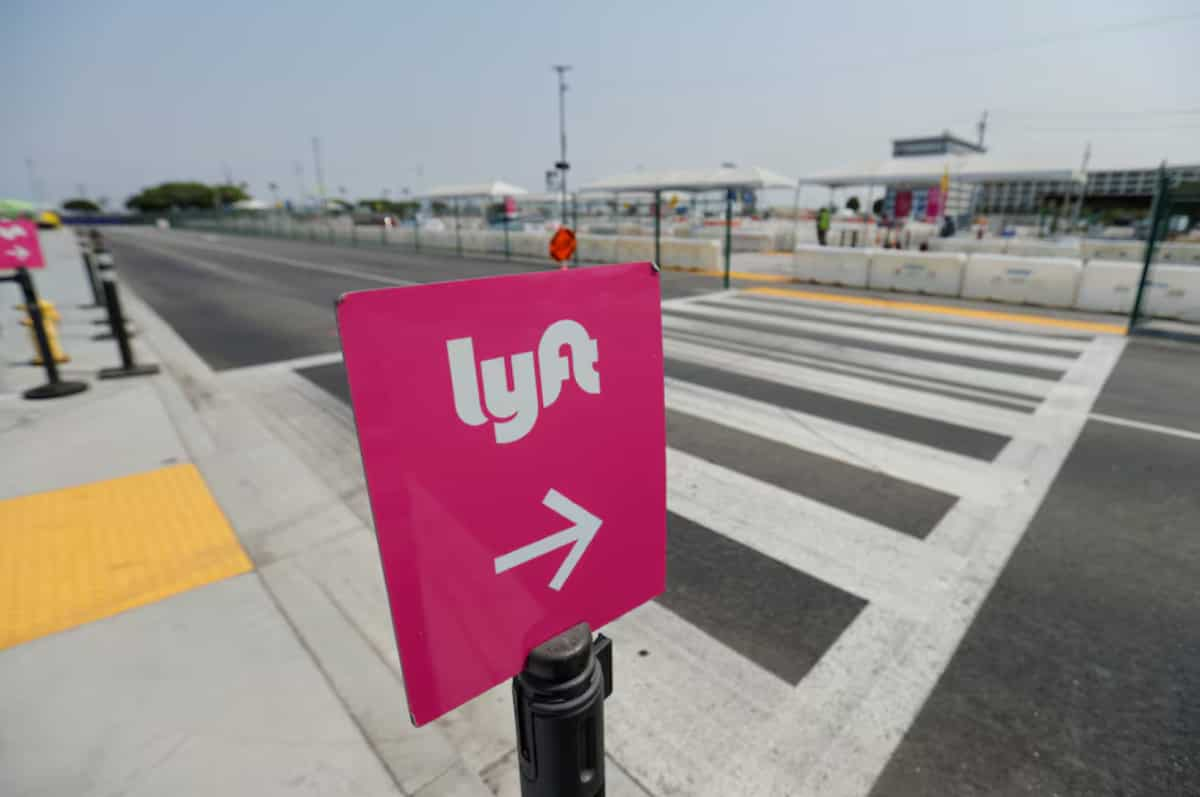
A key part of Lyft’s growth strategy lies in its nascent advertising business.
Lyft is setting ambitious targets for the next few years. At its inaugural investor day event, the ride-hailing company announced a goal to achieve a 15% annual increase in gross bookings through 2027. Additionally, Lyft expects its fledgling advertising business to grow eight-fold during the same period. These announcements come as Lyft seeks to solidify its position in the competitive North American ride-sharing market, where it currently trails behind Uber.
Ambitious growth targets
Lyft’s forecast for a 15% compound annual growth rate (CAGR) in gross bookings indicates the company’s confidence in its ability to expand its market presence and enhance its service offerings. This growth target is critical for Lyft as it strives to maintain and possibly improve its standing in the ride-sharing industry. The company’s shares saw a significant uptick, rising nearly 10% to $17.03 following the announcement.

Advertising business to fuel revenue diversification
A key part of Lyft’s growth strategy lies in its nascent advertising business. Lyft launched this venture in 2022 and has already seen impressive results. The advertising segment reported a 250% growth in revenue for the quarter ending in March. Zach Greenberger, Lyft's executive vice president of the Partnership Ecosystem, revealed that the company expects $400 million in gross bookings from its advertising business by 2027. This is a substantial increase from the forecasted $50 million for this year.
)
Nigeria: Protesters take to the streets, police fire shots
)
US-Iran war: Tehran draws red lines — seven demands before any peace talks
)
Russia-Europe tensions: Polish PM warns Russian attacks could test NATO's unity
&im=FitAndFill=(700,400))
‘Not the US or China’: These are the countries leading the world in arable land
)
Mark Carney mimics Trump in hilarious moment over C$70 billion clean-energy investment; room erupts in laughter
)
Pentagon revives mandatory testosterone testing for male troops aged 30 and above
)
‘End of my career...’: NSA Doval recalls tense Sikkim mission when China captured Indian intelligence team
)
Trump defends AI amid growing alarm, announces new 'AI force' and promises an 'AI czar'
)
Iran sets 7 conditions to end war with US: What are Tehran’s demands?
)
Trump announces ‘AI Force’ as debate grows over AI risks and regulation
)
China may have gained access to US's classified F-35 jets; parts meant for repairs diverted to Hong Kong, sparking Pentagon inquiry
)
Gaza under attack: Health chief's son killed in IDF strikes
)
Arvind Kejriwal, family members, Delhi CM Rekha Gupta get SIR notices
)
Cochin shipyard starts building Indian Navy's next-gen missile vessels
)
Saudi vs Houthis: Houthis claim missiles & drones used in attack on key Saudi sites
)
Russia extends ban on Western food imports for two more years in extended sanctions countermeasure
)
Ed Sheeran addresses Macklemore's removal, Gaza conflict during Philadelphia concert: 'I cannot hide how I feel'
)
Brigitte Bardot’s private collection set for Paris auction; key items and prices revealed
)
How did an Australian river with 500 crocodiles pass the Olympic test? Here's how
)
‘Will go to any extent’: Pakistan vows to defend Saudi Arabia amid Houthi attacks
66 years of the Indus Waters Treaty: How India and Pakistan settled a bitter river dispute
)
The Verdict | When precision fails: US commits war crime in Minab school strike, UN finds
)
9 women found dead near Johannesburg: South Africans rally, demand 'enough' to femicide
)
Trump wants to rename ‘Artificial Intelligence’, gives 3 options: Which one would you pick?
)
US-Iran war: Tehran sets seven conditions to re-engage in talks with US
)
Reacher star Alan Ritchson opens up about alleged blackmail, suicide attempt during difficult period
)
Africa is splitting, and a lot sooner than estimated, giving way to a new ocean
)
Flying cars in UAE: Ras Al Khaimah signs deal with Chinese company to test new transport
)
Trump bans CNN, MS NOW and Politico from White House over ‘FAKE NEWS’
)
Trump 2.0: Dark days ahead for America’s ‘imperial presidency’
&im=FitAndFill=(700,400))
How many F-35s does Britain, Japan and Israel have?
)
Harry Brook targets long reign at top of T20I rankings after Sri Lanka sweep
)
Russia's deadly Ukraine strikes kill 2 in Sumy, hit Dnipro mall
)
Russia holds first parliamentary elections since the beginning of the Ukraine war
&im=FitAndFill=(700,400))
Meet top 5 Indian batters with fastest T20I centuries
)
Raphinha hat-trick powers Barcelona to 3-1 win over Sevilla in La Liga
)
Leveraging the app and vehicle platforms
Lyft’s advertising model includes placing ads within its app, on tablets in vehicles, and on digital screens mounted on cars. This multi-platform approach provides advertisers with targeted and measurable solutions. Greenberger noted that industries such as retail and hospitality are already utilizing Lyft’s advertising platforms. This targeted advertising could be a significant revenue stream, given the increasing demand for precision in digital marketing.
Competition with Uber
While Lyft is making strides in diversifying its revenue streams, it still faces stiff competition from Uber. Uber’s larger global footprint and diversified business lines, which include food delivery and freight services, give it a competitive edge. Uber is targeting $1 billion in annual ad revenue, significantly higher than Lyft’s projections. This competition underscores the challenges Lyft faces as it attempts to carve out a larger share of the market.
Financial performance and future outlook
For 2023, Lyft reported a 14% growth in overall gross bookings, which encompasses the total dollar value of transactions billed to ride-share riders, including taxes, tolls, and fees, but excluding tips to drivers. Despite this growth, Lyft’s adjusted core profit margin stood at 1.6%. Looking ahead, the company is targeting an adjusted core profit margin of about 4% by 2027. Achieving this target will require not only increasing gross bookings but also managing operational efficiencies and expanding profitable revenue streams such as advertising.
Strategic initiatives and market position
Lyft’s strategic initiatives aim to leverage its existing platform to generate new revenue streams and enhance profitability. By focusing on targeted advertising, Lyft is not only diversifying its income sources but also capitalizing on its extensive user base and ride data. This move could prove pivotal in enhancing the company’s market position and providing a buffer against market volatility.
Lyft’s ambitious targets for growth in gross bookings and the expansion of its advertising business reflect a strategic shift aimed at solidifying its position in the ride-sharing market. While the company faces significant competition from Uber, its focus on targeted advertising and strategic partnerships could drive substantial growth. As Lyft navigates this competitive landscape, its ability to innovate and diversify its revenue streams will be crucial to its long-term success.
(Inputs from Reuters)