Indian auto companies to make ethanol-run vehicles: Nitin Gadkari


Union Minister Nitin Gadkari
Nitin Gadkari, India's Union Minister of Road Transport and Highways, made a significant announcement on Monday regarding the automotive industry's shift towards ethanol-powered vehicles. He revealed that numerous Indian companies are in the process of establishing manufacturing facilities to produce cars and two-wheelers that run entirely on ethanol.
To demonstrate this technological advancement, Gadkari arrived at Parliament in a Toyota-manufactured vehicle capable of running on 100 per centethanol. He highlighted that this vehicle is a world-first, featuring a flex engine that complies with Euro 6 emission standards while achieving net-zero emissions. The minister emphasized that the ethanol used in these vehicles can be derived from various sources, including sugarcane juice, molasses, and corn.
The automotive industry in India is witnessing a surge in investment and innovation in this area. Toyota has announced plans to invest INR 20,000 crore (approximately USD2.4 billion) to set up a plant for producing flex-fuel cars in Aurangabad, Maharashtra. Gadkari also mentioned that other major manufacturers, including Tata and Suzuki, are actively developing 100 per centethanol or flex-engine vehicles.

The two-wheeler segment is not far behind, with prominent manufacturers like Bajaj, TVS, and Hero working on flex-engine motorcycles and scooters. This development signifies a comprehensive approach to ethanol adoption across various vehicle categories.
Gadkari envisions a future where ethanol pumps will be as commonplace as petrol pumps, providing a new market for farmers and reducing India's dependence on fuel imports. He stressed that this transition would not only reduce pollution and costs but also significantly benefit the agricultural sector.
The minister's statements follow the unveiling of a prototype 100 per centethanol-run, Bharat Stage (BS)-VI-compliant electrified flex-fuel car in August 2023. This prototype, developed by Toyota Kirloskar Motors, was based on the Toyota Innova HyCross model and demonstrated the capability to cover 40 per centof its distance on ethanol and the remaining 60 per centon electric power, with the petrol engine remaining inactive.
)
China thinned Himalayan troop presence in 2025, India defence report says; terms border situation 'stable'
)
Israeli minister calls to strip Gaza film directors of citizenship
)
China discovers vast gold and silver 'mine' in the Pacific with unheard-of deposits
)
Crude oil prices jump more than $107 per barrel following Houthi attacks on Saudi
)
Ganesh Chaturthi 2026: Devotees throng the iconic Lalbaugcha Raja pandal in Mumbai
)
Did China give Iran intel before US base strike that killed 3 troops? Trump says, 'You’re right...'
)
Did India risk its US trade deal despite softer stance at BRICS?
)
Turkish Airlines plane flies through a storm three times, triggering severe turbulence
)
Trump says Canada eager to reach a deal, it could come ‘fairly soon’ if Ottawa treats US farmers better
)
Russian drone hits Warsaw-bound train near Polish border, Zelensky accuses Moscow of ‘deliberate’ targeting
)
First naval drone battle? Ukraine says Sargan 3000 sank Russian unmanned boat
)
Video of Pakistani lawmaker struggling to read English tribute to Jinnah goes viral - WATCH
&im=FitAndFill=(700,400))
New OTT releases this week (September 14-20, 2026): Lust Stories 3, Waiting Hai, Irumudi- 5 new titles coming on Netflix, Prime Video and more
)
‘Want to reset ties with India, have engagement based on mutual interests,’ says Bangladesh minister
&im=FitAndFill=(700,400))
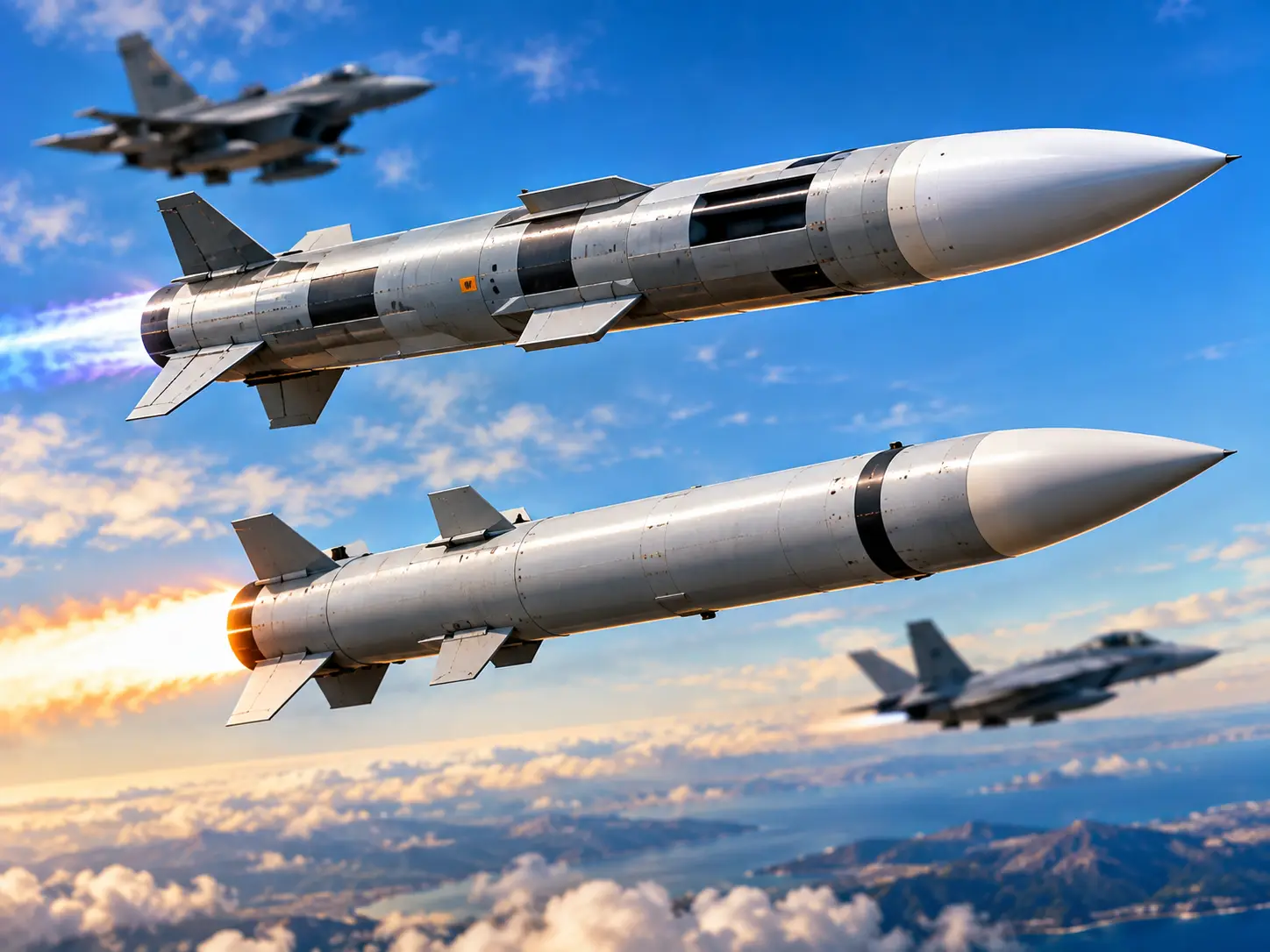
Why Chinese PL-15 air-to-air missiles use dual-pulse motors compared to European interceptors
)
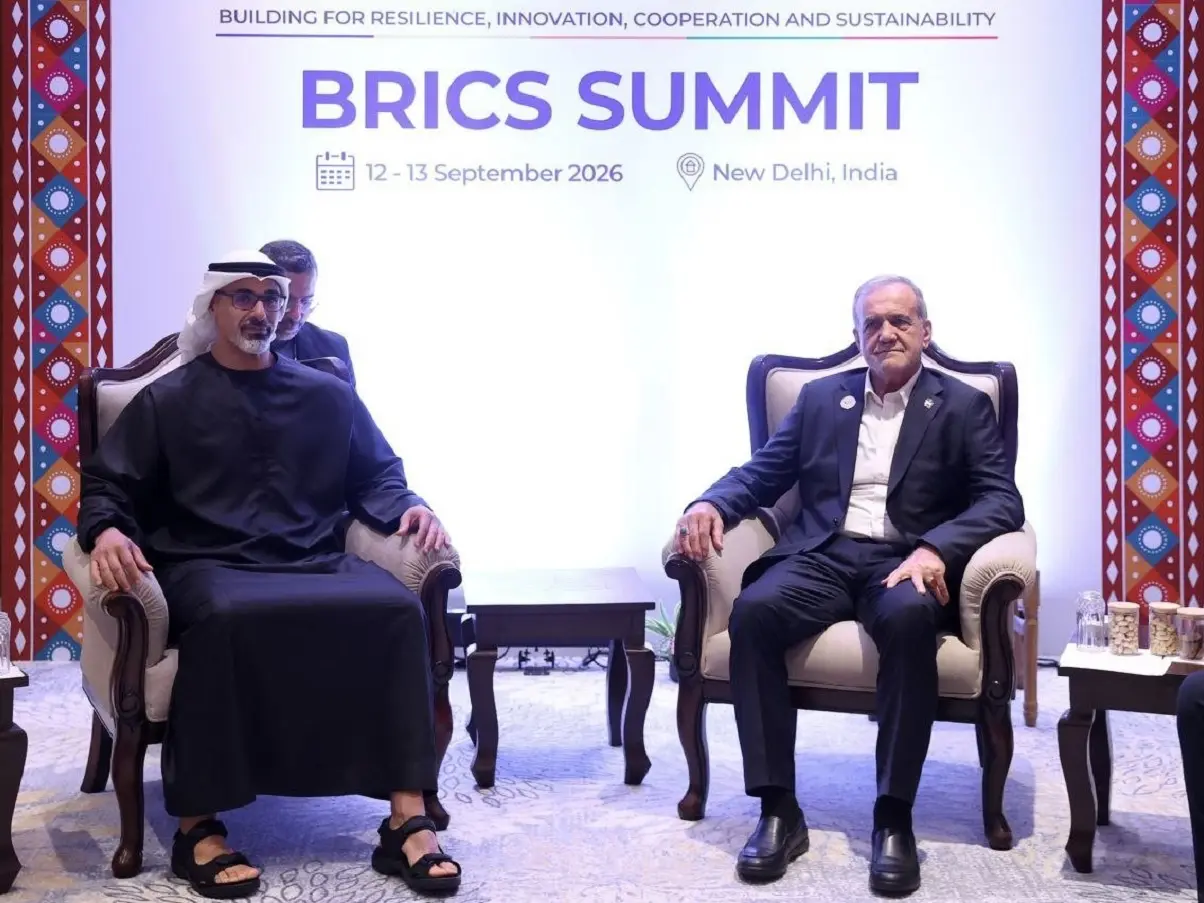
Iran, India agree to deepen humanitarian and political ties, President Pezeshkian says
)
Plane carrying prominent figure crashes at Libya’s Misrata airport: Report
)
Natural caffeine sources gain popularity; matcha & botanicals offer calm energy
)
Saudi Arabia discovers 110 million tonnes of Uranium-rich ore in Madinah region
)
Humans may lose control of AI: Anthropic CEO calls for slowdown, Altman, Musk back him
)
Practical Magic 2 breaks Spidey spell over North American box office
)
‘Let’s go’: Newly declassified videos show dramatic rescue of US Air Force officers downed in Iran
)
800 million years old - Scientists discover 'fingerprints' of supercontinent Gondwana in ancient rocks
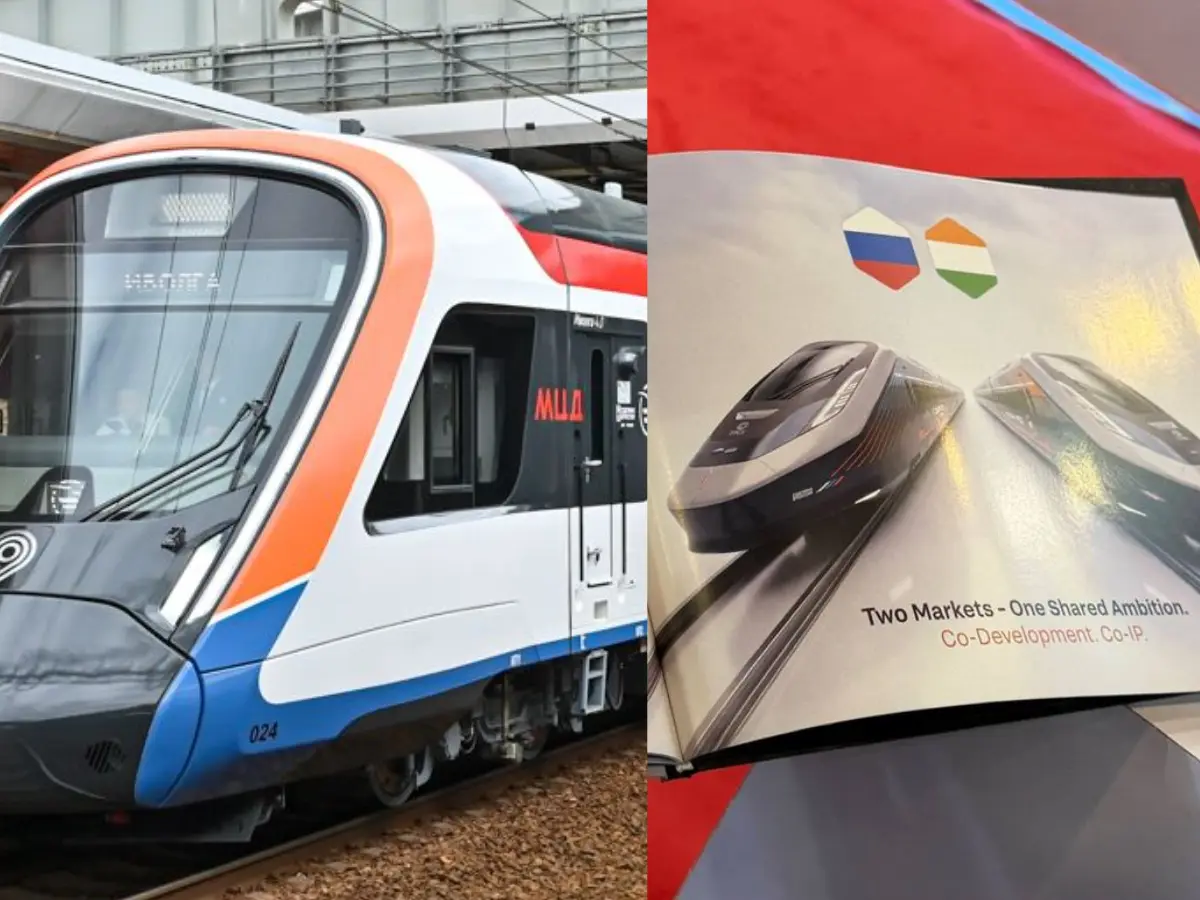)
Russia proposes to build 360 kmph Ivolga FG trains in India: What happened on sidelines of BRICS
)
Women's Asia Cup 2026: India denied trophy once again despite winning the title
)
'Huge destructive power': North Korea calls its latest missile launches 'live-fire drill' even as US dismisses 'immediate threat'
)
Pakistan puts Pak Rs 70 lakh bounty on UN terrorist Masood Azhar; move draws skepticism in Delhi
)
Indian importers urge Bangladesh to lift export ban on 'Hilsa' fish ahead of Durga Puja
)
Delhi’s balancing act: BRICS serves as a stage for West Asia diplomacy
)
Liam Neeson sparks romance rumours after holding hands with Stella Stocker at TIFF 2026
&im=FitAndFill=(700,400))
Why European Meteor missiles use ramjet engines compared to standard US solid rockets
)
Veteran Bollywood actress Nafisa Ali shares health update as Stage 4 cancer progresses, starts targeted therapy
)
Orlando Bloom addresses Pirates of the Caribbean comeback and reunion with Johnny Depp
While flex-fuel vehicles have been introduced internationally before, with Toyota launching a flex-fuel version of its Corolla in 2022, India is now poised to produce flex-fuel vehicles that comply with its own stringent BS-VI emission standards.
Gadkari emphasised the potential economic impact of this shift, describing the ethanol industry as a boon for farmers. He anticipates that the increasing demand for ethanol will reshape India's agricultural economy, providing new opportunities and markets for the farming community.
The minister's vision extends beyond just vehicle production. He foresees the establishment of ethanol pumps alongside existing petrol pumps, creating a new infrastructure to support this transition. Gadkari repeatedly stressed the "swadeshi" (indigenous) nature of ethanol production, highlighting how farmers will be the primary beneficiaries of this technological and economic shift.
This move towards ethanol-powered vehicles represents a significant step in India's efforts to reduce its carbon footprint, decrease reliance on fossil fuel imports, and support its agricultural sector, aligning with broader goals of sustainability and economic self-reliance.