Hyundai to roll out US-made Ioniq 5 from Georgia plant, securing full EV tax credit

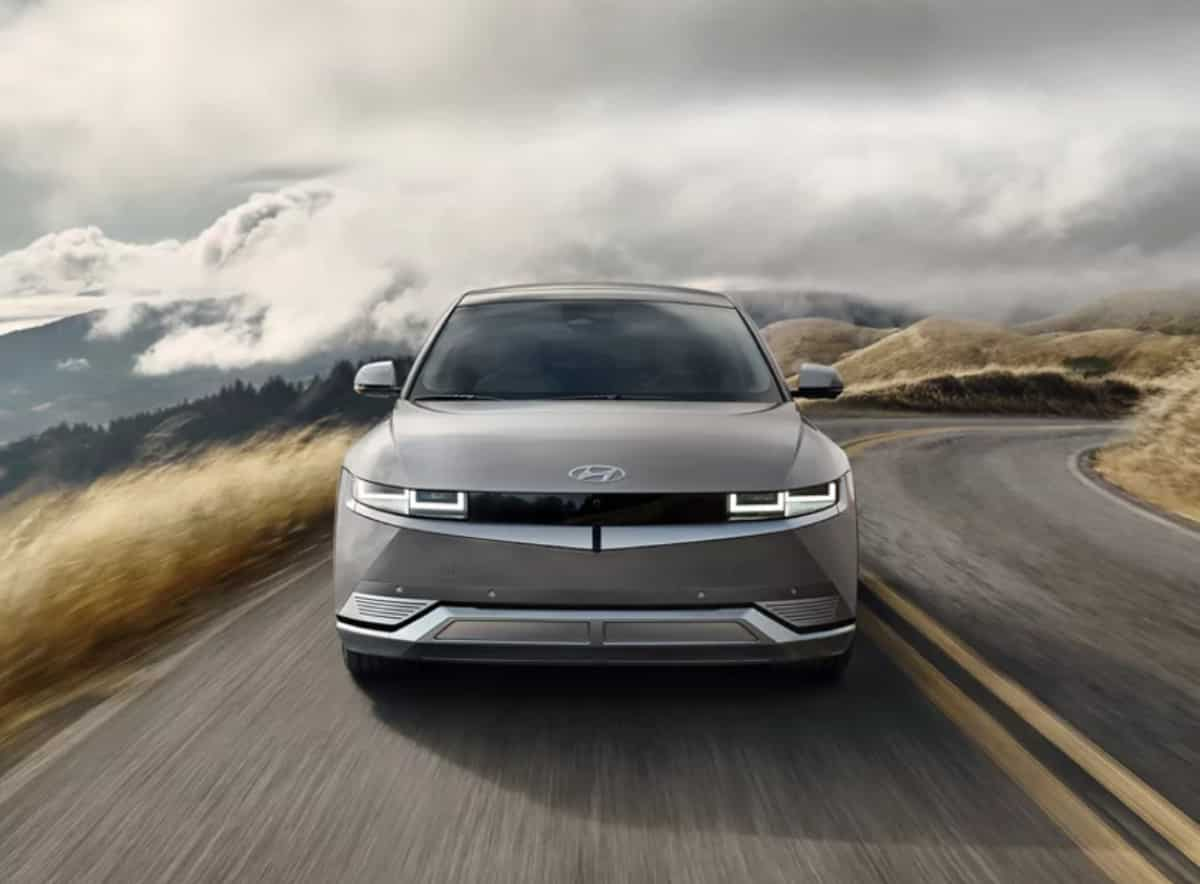
Starting in October, Hyundai will begin producing the Ioniq 5 at its new plant in Georgia.
Hyundai is set to make a significant mark in the US electric vehicle (EV) market with its latest manufacturing move. The Hyundai Ioniq 5 will be the first vehicle to roll out of the company’s new factory in Georgia this autumn. This strategic development not only highlights Hyundai’s commitment to the US market but also opens up new opportunities for consumers and the company alike.
A milestone for Hyundai in the US
Starting in October, Hyundai will begin producing the Ioniq 5 at its new plant in Georgia. This move is pivotal for Hyundai as it aims to increase its footprint in the competitive US EV market. According to Hyundai CEO Jose Muñoz, this US-made version of the Ioniq 5 is expected to qualify for the full $7,500 federal EV tax credit. The South Korean-made Ioniq 5 does not currently qualify for this credit, except through a leasing loophole. This tax credit could be a significant incentive for buyers, potentially boosting the vehicle's sales in the US.

Battery production plans and challenges
While vehicle production will commence in October, Hyundai will not start making batteries at the Georgia plant until about a year later. In the interim, the batteries for the Ioniq 5 will be sourced from a Hungarian factory operated by SK On, Hyundai’s partner for its Georgia battery production. This reliance on an external source for batteries highlights the challenges Hyundai faces in establishing a fully integrated production line in the US. However, this temporary arrangement ensures that production can begin on schedule.
Read More:GM to relaunch Chevy Bolt as most affordable EV by 2025
&imwidth=180&imheight=135&format=webp&quality=medium)
Brendan Taylor overtakes Andy Flower to become Zimbabwe’s leading ODI run-scorer
&imwidth=180&imheight=135&format=webp&quality=medium)
Pakistan to head IMF, World Bank boards after 74 years amid persistent economic crisis
&imwidth=180&imheight=135&format=webp&quality=medium)
"The scariest thing was"... flydubai Captain Smit Machchhar recalls cockpit fight and how he thought of his son and daughter
&imwidth=180&imheight=135&format=webp&quality=medium)
'We are not sitting in ivory towers, we are aware': SC issues notice to Rahul Gandhi, Akhilesh Yadav
&imwidth=180&imheight=135&format=webp&quality=medium)
Flying car race: Alef Aeronautics welcomes Tesla Roadster '11 years' later, but are the two models the same?
&imwidth=180&imheight=135&format=webp&quality=medium)
6-year-old among 2 killed as vehicle crashes into youth soccer game in US
&imwidth=180&imheight=135&format=webp&quality=medium)
WATCH | Flames engulf St Petersburg oil sites as Ukraine launches 1,000 drones at Russia
&imwidth=180&imheight=135&format=webp&quality=medium)
‘I have very severe problems’: Trump fuels health speculation during address to firefighters
&imwidth=180&imheight=135&format=webp&quality=medium)
US midterm elections 2026: Postal ballots and voter disenfranchisement — A key battle for Donald Trump
&imwidth=180&imheight=135&format=webp&quality=medium)
Lizard people? Ex-US Army sniper claims soldier killed by 'reptilian beings' in battle near Area 51
&imwidth=180&imheight=135&format=webp&quality=medium)
‘I don’t know how my family escaped': Congressman Raja Krishnamoorthi chokes while revealing he was inside US temple during foiled attack
&imwidth=180&imheight=135&format=webp&quality=medium)
Rain washes out 5th T20I as India-West Indies share honours 2-2
&imwidth=180&imheight=135&format=webp&quality=medium)
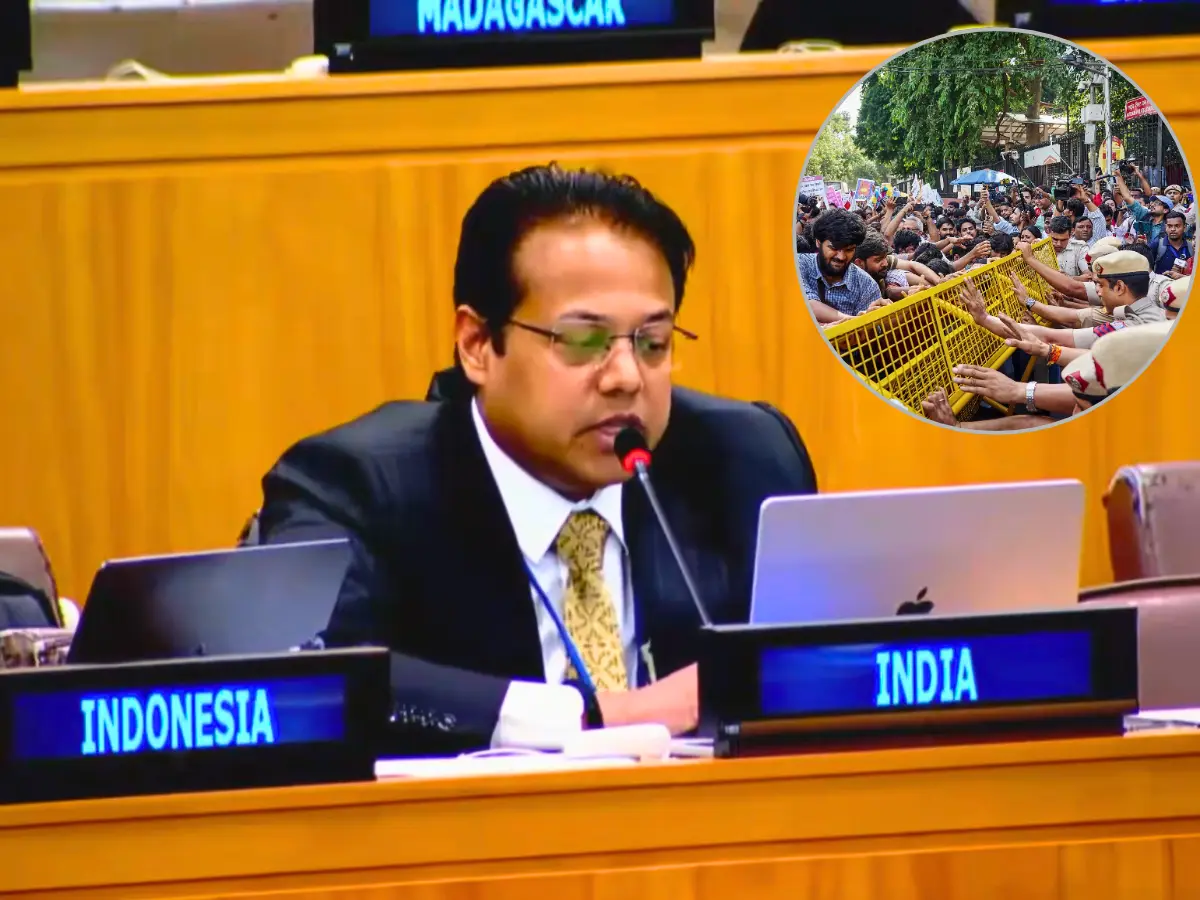
'Reason UN has lost credibility': Amid SIR protests India hits out at report alleging 'youth repression'
&imwidth=180&imheight=135&format=webp&quality=medium)
‘My president, I mean my husband’: Trump's new press secretary Katie Zacharia's first briefing goes off the rails in 14 minutes
&imwidth=180&imheight=135&format=webp&quality=medium)
China responds to Trump's Press Secretary Katie Zacharia after toilet remark: 'Visit China more often'
&imwidth=180&imheight=135&format=webp&quality=medium)
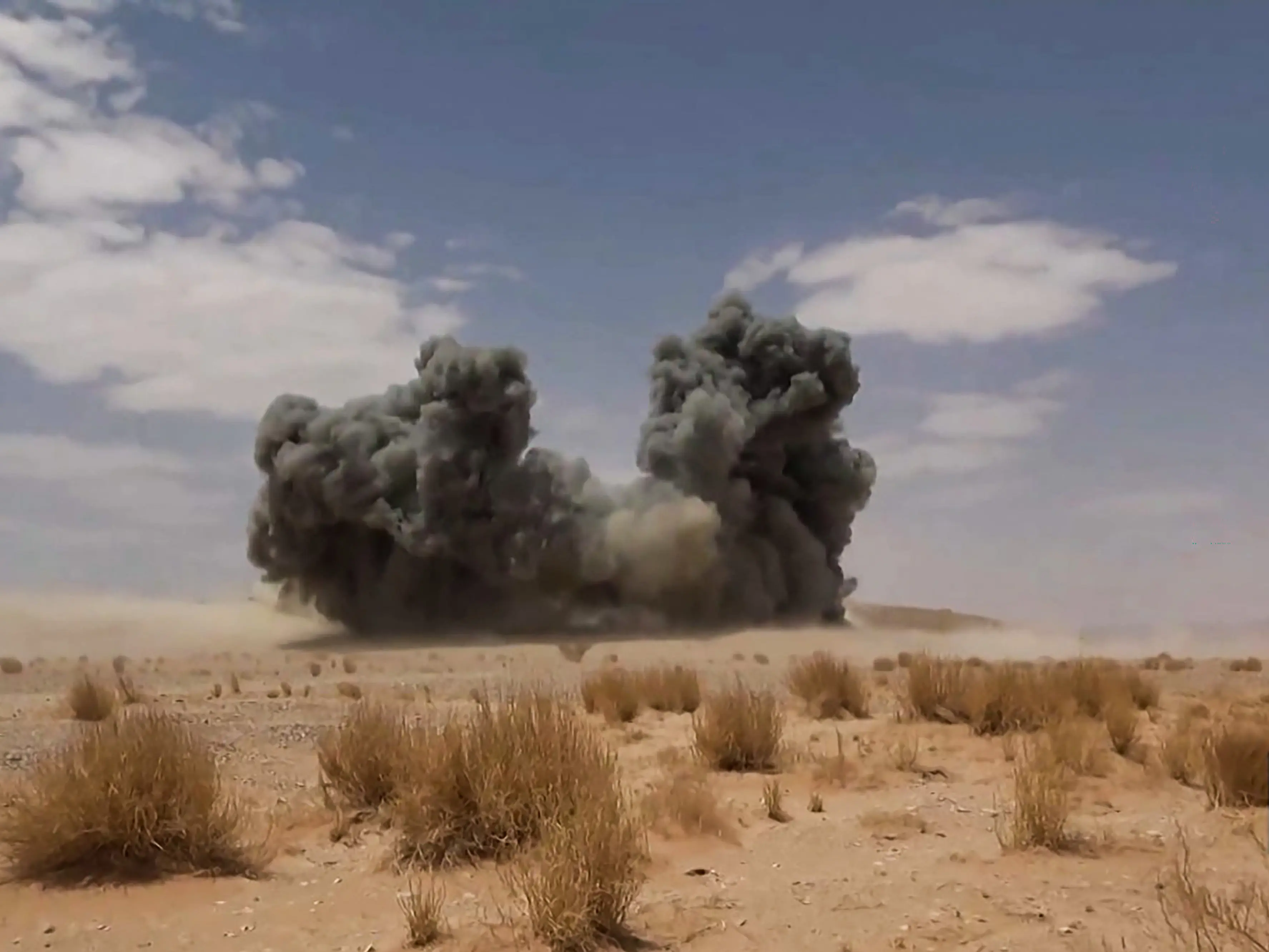
UAE agrees with Saudi Arabia to rejoin Yemen fight as Houthi strikes rattle Riyadh
&imwidth=180&imheight=135&format=webp&quality=medium)
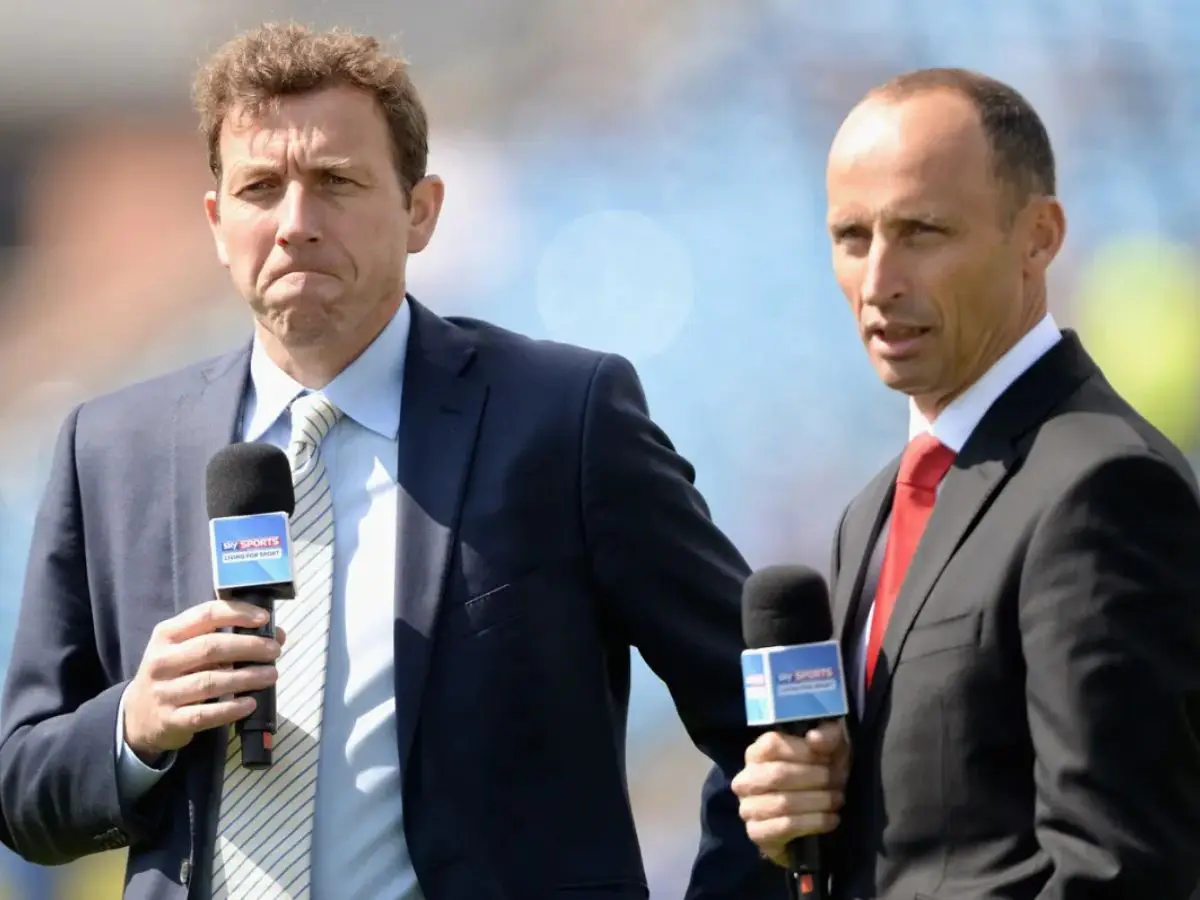
PCB omits Atherton, Hussain from tri-series commentary panel over Imran Khan interview row
&imwidth=180&imheight=135&format=webp&quality=medium)
SA vs AUS 2nd Test: Rain delays start as Rabada returns; Boland replaces Lyon for Australia
&imwidth=180&imheight=135&format=webp&quality=medium)
At least 400 arrested as protests turn violent in France; PM blames far left
&imwidth=180&imheight=135&format=webp&quality=medium)
WATCH | iPhones, luxury perfumes floating in Hormuz? Iranian fishermen make bizarre discovery
&imwidth=180&imheight=135&format=webp&quality=medium)
Two students die, 14 injured at Dandiya event in Hyderabad: Know what happened? VIDEO
&imwidth=180&imheight=135&format=webp&quality=medium)
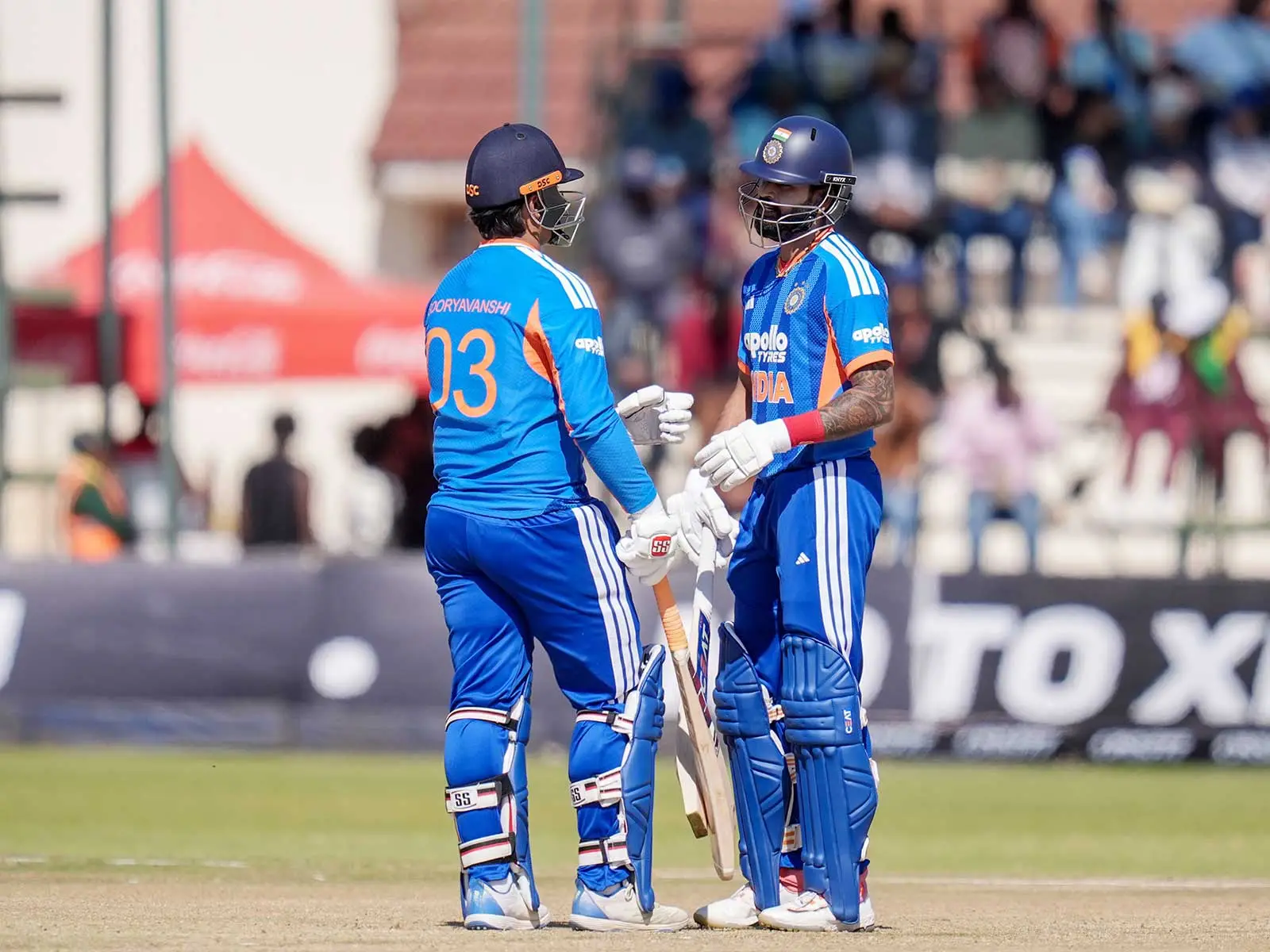
'keep telling him you will get your opportunities': Iyer opens up on conversations with Sooryavanshi
&imwidth=180&imheight=135&format=webp&quality=medium)
‘Be back in few weeks’: Emi Martinez shares first update after head clash in Premier League match
&imwidth=180&imheight=135&format=webp&quality=medium)
Tiger Shroff attacked by three gunmen in Mumbai, actor safe, two injured
&imwidth=180&imheight=135&format=webp&quality=medium)
Taylor Swift performs at star-studded Academy Museum Gala 2026 in stunning Dior ensemble
&imwidth=180&imheight=135&format=webp&quality=medium)
Anirudh Ravichander-Kavya Maran wedding: Telangana CM reveals Chennai reception date
&im=FitAndFill=(700,400)&imwidth=180&imheight=135&format=webp&quality=medium)
Inside Tesla's Roadster: 10 features of Elon Musk's 'flying car' that push the limits of electric vehicles | In Pics
&imwidth=180&imheight=135&format=webp&quality=medium)
Kolkata Durga Puja stampede: PM Modi announces Rs 2 lakh ex-gratia for kin of dead, Amit Shah to visit injured
&imwidth=180&imheight=135&format=webp&quality=medium)
One species, two lineages: Why Sri Lanka’s spectacled cobra differs genetically from Indian variant
&imwidth=180&imheight=135&format=webp&quality=medium)
2 injured in plane crash on busy California highway
&imwidth=180&imheight=135&format=webp&quality=medium)
'We feel like Mr India': Gujarat’s undercover SHE team guard garba nights at Navratri
&imwidth=180&imheight=135&format=webp&quality=medium)
Cattle-feed bran in biscuits, detergent in milk: FSSAI acts against 3 companies
&imwidth=180&imheight=135&format=webp&quality=medium)
'It's a joy to see the makers bring it on such a grand scale': SS Rajamouli on Ramayana
&imwidth=180&imheight=135&format=webp&quality=medium)
13 dead after truck mows down devotees, crashes into temple gate in Madhya Pradesh's Gwalior
&imwidth=180&imheight=135&format=webp&quality=medium)
IND-W vs ZIM-W, 2nd T20I: When and where to watch live streaming in India?
NACS vs. CCS
A key consideration for potential buyers is the type of charging port the new Ioniq 5s will feature. The North American Charging Standard (NACS) has rapidly become the preferred standard among major US EV automakers. Hyundai announced in October of last year that its cars would gain access to Tesla Superchargers by the fourth quarter of 2024. Additionally, all new or refreshed Hyundai EVs will come equipped with NACS charging ports starting in the same period.
However, the fourth quarter spans from October to December, leaving room for some of the first US-made Ioniq 5s to potentially be equipped with the Combined Charging System (CCS) ports instead. Hyundai has not explicitly confirmed whether the initial models off the line will feature NACS ports, adding a layer of uncertainty for early buyers. Hyundai representative Christopher Paukert reiterated the company’s previous announcement but did not provide a definite answer on the charging port issue.
Strategic implications and market impact
Hyundai’s decision to manufacture the Ioniq 5 in the US aligns with broader industry trends and regulatory incentives aimed at encouraging domestic EV production. The ability to offer the full $7,500 federal tax credit makes the Ioniq 5 more attractive to US consumers, potentially driving higher sales volumes. This move also underscores Hyundai’s strategic commitment to increasing its market share in the US, which is crucial for the company’s global growth ambitions.
Furthermore, establishing a manufacturing presence in the US allows Hyundai to better navigate supply chain challenges and reduce dependence on international logistics. The eventual local production of batteries will further strengthen Hyundai’s position by enhancing its supply chain resilience and reducing costs.
Future prospects and considerations
Looking ahead, Hyundai’s Georgia plant represents a significant step towards achieving its long-term goals in the EV market. As the plant ramps up production and begins manufacturing batteries locally, Hyundai will likely enjoy greater operational efficiencies and cost advantages. The transition to NACS charging ports will also enhance the appeal of Hyundai’s EVs by offering compatibility with a widely adopted charging infrastructure.
However, Hyundai must address the initial uncertainty surrounding the charging port standards to maintain consumer confidence and ensure a smooth market entry for the US-made Ioniq 5. Clear communication and strategic planning will be essential in navigating these early challenges.
Hyundai’s new factory in Georgia marks a pivotal development in the company’s strategy to expand its presence in the US EV market. By producing the Ioniq 5 locally, Hyundai aims to leverage federal tax incentives and enhance its competitive edge. While initial challenges such as battery sourcing and charging port standards exist, Hyundai’s strategic initiatives position it well for future growth. As the company navigates these complexities, it remains poised to make significant strides in the dynamic and rapidly evolving electric vehicle landscape.