Hyundai Motor dealers sue automaker over alleged sales inflation scheme


Hyundai Motor dealers sue automaker over alleged sales inflation scheme
A group of Hyundai Motor dealers has filed a lawsuit against the South Korean automaker in a Chicago federal court, alleging that Hyundai Motor America Corp (HMA) inflated electric vehicle sales figures and penalised dealers who refused to participate in the scheme. The lawsuit, brought by Napleton Aurora Imports in Illinois and its affiliated franchises, claims that Hyundai pressured dealers to misuse inventory codes intended for "loaner" vehicles to falsely boost sales numbers.
Allegations of reward and punishment
According to the lawsuit, dealers who complied with Hyundai's alleged scheme were rewarded with wholesale and retail price discounts, as well as other incentives. In contrast, those who resisted faced punitive measures. The dealers assert that this manipulation skewed the distribution of desirable inventory, giving an unfair advantage to compliant dealers and misleading both the public and investors about the true demand for Hyundai's electric vehicles.

"Dealers that played ball would receive extra inventory of faster-selling Hyundai models," the lawsuit states, suggesting that this practice deprived customers of choice and allowed Hyundai to present an overly optimistic picture of its sales performance.
Hyundai's response and counter-litigation
)
Mushtaq Khan dies at 56: When Welcome actor opened up about his salary for iconic role Ballu
)
US Supreme Court backs Trump administration's use of SAVE database to check voter citizenship
)
Hawaii braces for Hurricane Nolo: NOAA warns of flash flooding and mudslides
)
Outrage erupts after 3-year-old is married to 60-year-old man in Pakistan, link to her sister's murder being probed
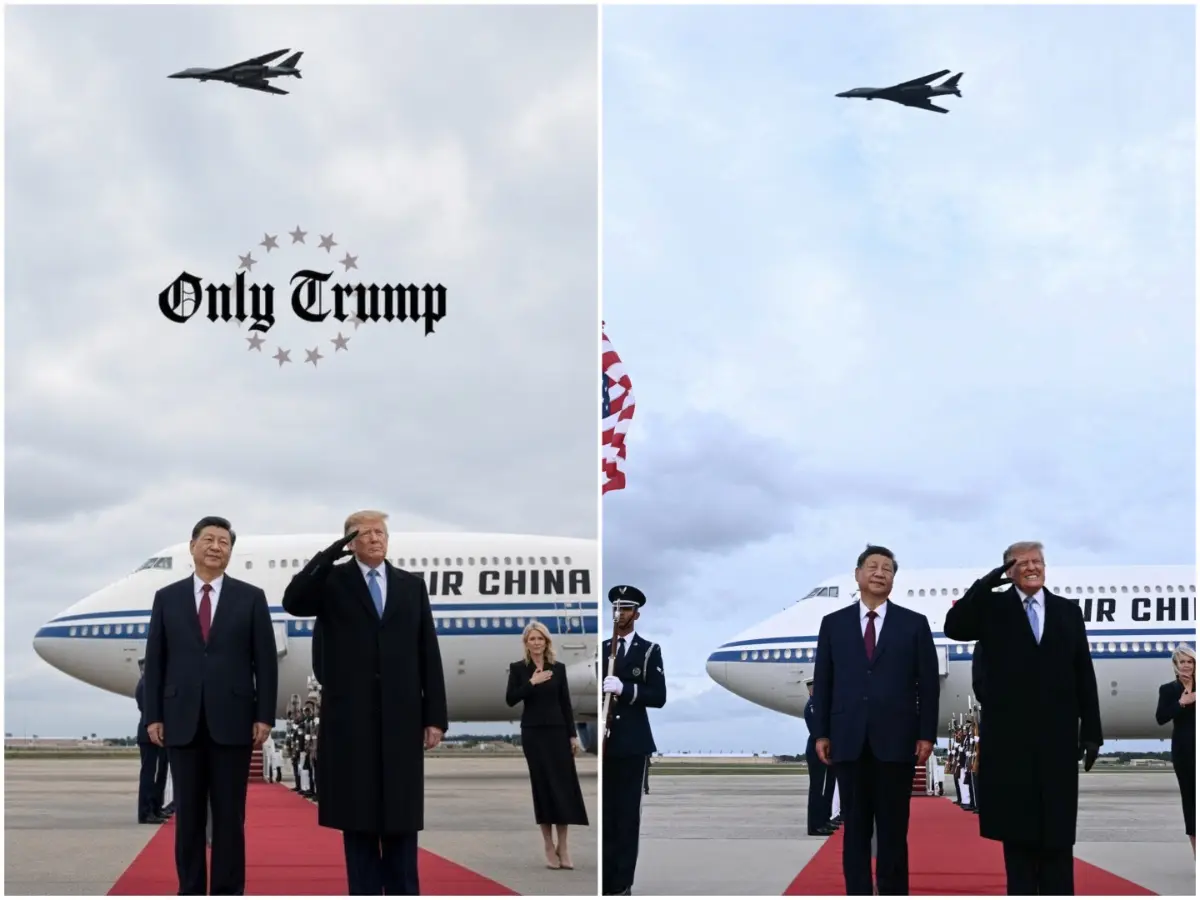)
Donald Trump shares image of Xi's arrival in Washington, carries signs of AI
)
Pakistan deploys over 20,000 security personnel as PTI vows march for Imran Khan's release
)
Prince Harry offers rare glimpse into Archie and Lilibet’s life after UK move
)
Farhan, who went viral for AK47 celebration vs India in Asia Cup, hopes to lead Pakistan beyond Asian Games
)
LPU students go on rampage, vandalise campus amid widespread protest: What's happening
)
OpenAI AI Agents hacked 4 websites before Hugging Face, researchers reveal
)
Pentagon quietly adds 37 wounded troops to Iran war tally without explaining when or how
&im=FitAndFill=(700,400))
New Friday OTT releases (September 25, 2026): Don’t Be Shy, Hunkkaar: The Roar, Mango Pachcha- 6 movies and TV shows on Netflix, Prime Video and more
)
Asian Games 2026: India face Afghanistan in quarterfinal on Sep 28; Pakistan clash with Hong Kong
)
‘Attack on Mecca a red line for Pakistan’: Shehbaz Sharif warns Houthis at UN
)
‘I rejected it’: Trump confirms turning down Iran’s proposal to reopen Hormuz, claims Tehran is losing ‘badly’
)
Did Hitler kill his niece Geli Raubal? Newly found records reopen a 95-year-old mystery
)
Nigeria Navy moves to boost oil security, tackle crude theft and infrastructure threats
)
'Countries far from conflict are penalised': Jaishankar calls for Gulf peace, seafarer safety at UN
)
Bigg Boss 20: Salman Khan schools Rhiti Tiwari over Qazi Touqeer clash, compares her to Dolly Bindra
)
‘It is all possible’: Putin weighs next steps on Ukraine talks, rules out Europe conflict
)
Global community 'absent' in Gulf crisis: Saudi at UN calls for freedom of navigation, pre war status for Hormuz
)
Gaza's war turned environmental damage into second crisis
)
Trump-Xi summit wrap: Big pageantry, Iran talks, few major developments and more meetings planned
)
‘Could kill billions...’: Bill Gates backs calls to slow AI development amid fears of catastrophe
)
Bollywood x K-pop crossover! LE SSERAFIM’s Kazuha charms fans with Shah Rukh Khan’s ‘Chammak Challo’ steps
)
US-Iran war: Trump rejects Iran's Hormuz proposal, reports suggest talks expected next week
)
'What kind of confession is this?': Pakistan PM Shehbaz Sharif’s 'terrorists would be roaming New York' remark goes viral, raises alarm online. Watch
)
Myanmar training camp case: US national, 6 Ukrainians allowed to meet their families abroad
)
'FIRST LOOK from inside Noah’s Ark': Researchers share video from inside mysterious mound in Turkey
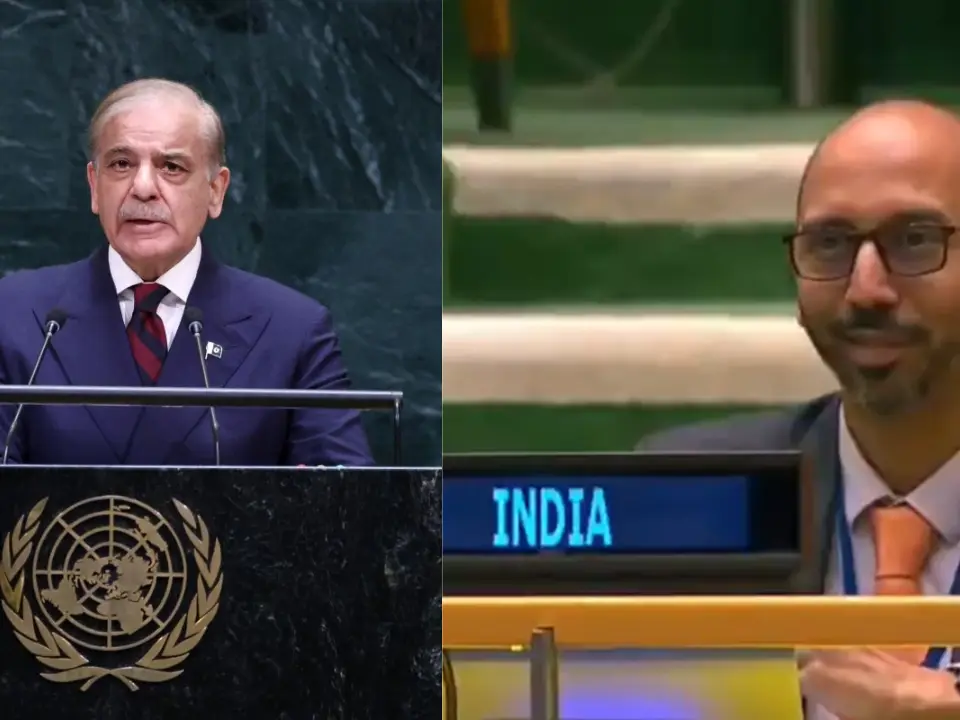)
WATCH | As Shehbaz Sharif claims Pakistan’s ‘victory’ during 2025 conflict, Indian diplomat R Srinivas laughs at UN
)
'A terrorist country is asking me that question?': Jaishankar hits back at Pakistani journalist at UN; flags attacks on commercial shipping
)
Russia will achieve Ukraine war aims; Europe doing everything to block peace talks: Lavrov at UN
)
‘Serial practitioner of terrorism’: Jaishankar calls out Pakistan’s ‘state-sponsored’ terror at UNGA
)
US court backs Pentagon's decision to exclude Anthropic over Claude AI restrictions
Hyundai responded to the allegations with a statement on Monday, asserting that it does not condone the falsification of sales data and has launched an internal investigation into the matter. The company also highlighted its ongoing litigation efforts in South Florida to terminate two Napleton-affiliated franchises linked to a criminal sexual battery allegation.
"We are committed to maintaining the integrity of our sales reporting and are taking these allegations seriously," Hyundai said in its statement.
Legal basis and historical context
The lawsuit accuses Hyundai of fraud and violating the Robinson-Patman Act, a federal antitrust law that prohibits price discrimination. The dealers claim that Hyundai's scheme was designed to inflate sales volumes artificially, leading the public to believe that the surge in electric vehicle sales was driven by genuine market demand.
"Instead of organic growth fueled by desirable vehicles and consumer demand, HMA created a multitiered scheme to cause its dealers to report false sales," the complaint alleges. It cites a phone call from a Hyundai district sales manager who reportedly said, "We gotta hit a number for the press and for the Koreans."
The dealers are seeking unspecified damages to cover lost sales, revenue, and profits, arguing that they have been unfairly denied benefits from Hyundai.
Similar cases in the automotive industry
This isn't the first time Napleton has been involved in litigation over alleged sales inflation. In 2016, the dealership group sued Chrysler, accusing it of similar practices. Although Chrysler denied the claims, the case was settled in 2019 under confidential terms. Additionally, Chrysler agreed to pay $40 million to the U.S. Securities and Exchange Commission in a related action to resolve claims that it misled investors with inflated monthly sales figures.
The lawsuit and legal representation
The case, Napleton Aurora Imports Inc et al v. Hyundai Motor America Corp, is being heard in the U.S. District Court for the Northern District of Illinois, under case number 1:24-cv-05668. Napleton is represented by Russell McRory and Mir Ali of ArentFox Schiff, while Hyundai has yet to make an appearance.
The broader implications
The allegations against Hyundai raise significant questions about the integrity of sales reporting practices in the automotive industry. If proven true, these practices not only mislead consumers and investors but also distort market competition by favouring certain dealers over others. The case highlights the need for transparency and accountability in sales reporting to ensure a fair and competitive market landscape.
As the lawsuit unfolds, it will be crucial to monitor how Hyundai addresses these serious allegations and what measures the company will implement to restore trust among its dealers and customers. The outcome of this case could have far-reaching implications for the automotive industry's sales practices and regulatory oversight.
(Inputs from Reuters)