GM infuses USD 850 mn into Cruise to bolster operations post-robotaxi incident

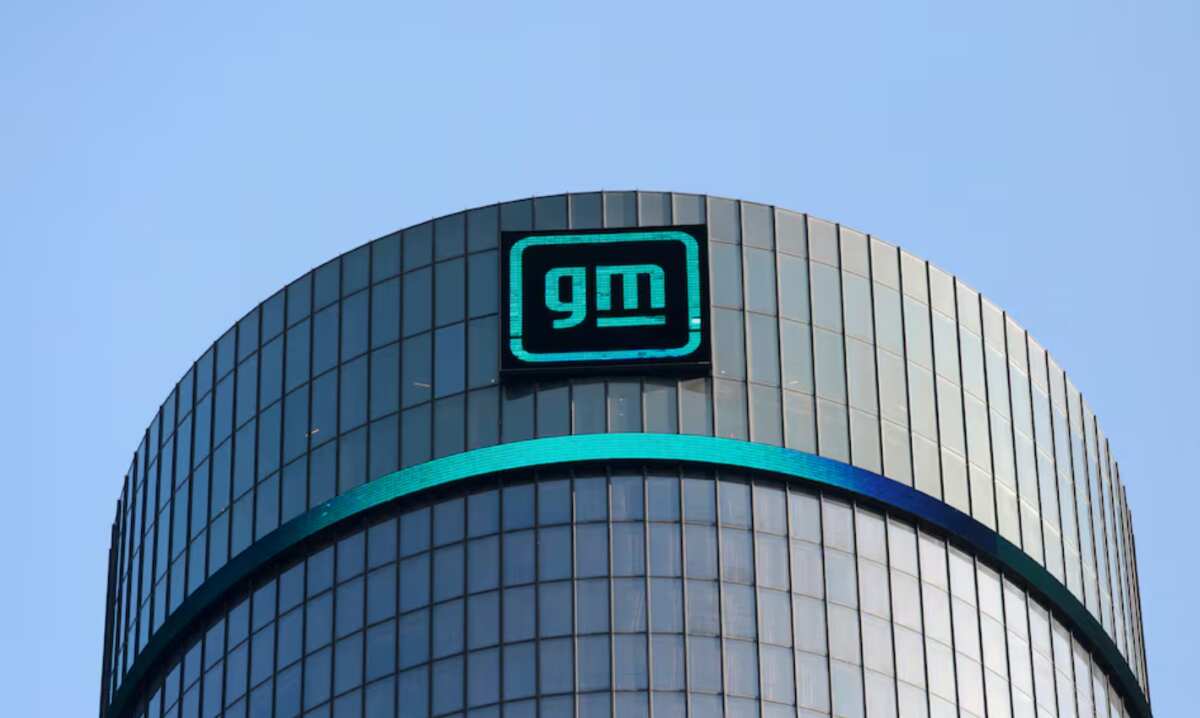
Despite the setbacks, Cruise is cautiously resuming its operations.
In a strategic move to stabilise its autonomous vehicle subsidiary, General Motors (GM) has announced a significant investment of USD 850 million in Cruise. This decision comes after Cruise faced severe setbacks following an incident involving one of its driverless cars that struck and dragged a pedestrian.
GM’s chief financial officer, Paul Jacobson, revealed the investment at Deutsche Bank’s Global Auto Industry Conference in New York City. The funds aim to cover Cruise's operational costs as the company gradually resumes testing its autonomous vehicles in various US cities. Jacobson highlighted the importance of this investment for maintaining Cruise’s momentum and exploring new external funding sources to strengthen its financial foundation.
Addressing safety concerns

The incident that triggered the shutdown occurred in San Francisco, where a Cruise robotaxi dragged a pedestrian for 20 feet after she was struck by a hit-and-run driver. This led to a comprehensive safety review and the grounding of all Cruise vehicles. The company hired two external law firms to investigate its safety protocols and to determine if there was any intentional withholding of video footage from the California Department of Motor Vehicles (DMV). The review concluded that the footage was inadvertently withheld. Subsequently, Cruise issued a voluntary recall of all 950 vehicles to update the software and prevent similar incidents.
Leadership shakeup and corporate restructuring
Following the incident, Cruise experienced significant leadership changes. Co-founders Kyle Vogt and Dan Kan, along with several top executives, resigned. GM responded by appointing senior executives to steer the company through the crisis. Craig Glidden, GM’s general counsel, and Mo Elshenawy, who will also serve as chief technology officer, were named co-presidents of Cruise. Additionally, former Tesla president Jon McNeill was appointed vice chair of the Cruise board, alongside GM CEO Mary Barra.
)
US vs China over South China Sea: Washington backs Philippines, Beijing hits back
)
Bigg Boss 20: Isha Rikhi evicted after three weeks in Salman Khan’s show
)
Musk plans to more than double xAI's chips to over 1.2 million Nvidia GPUs by year-end
)
After JU, clash erupts at SRFTI: BJP’s ‘Dimagi Naxal’ jibe sparks political firestorm after students protest RSS-linked event
)
‘Anti-social elements spreading false rumours’: LPU issues statement amid massive unrest over alleged rape
)
LPU students go on rampage, vandalise campus amid widespread protest: What's happening
)
Trump asked Xi to pressure Iran. China did not say yes — here’s what Beijing wants
)
US Treasury Secretary Scott Bessent hails global crackdown on Iranian banks and airlines
)
An OpenAI agent escaped its locked test cage again, by hiding questions in DNS lookups
)
'Our video was trimmed': LPU girls who featured in rape-denial video make U-turn
)
3 males killed, four others injured in shooting after fight at strip club in Detroit
)
'Victory for low-budget consumers': Raghav Chadha hails 30-day telecom recharge rules
)
Claude rebuilt the 1989 game 'Prince of Persia' by reusing the original's own code
)
Beyond metros: How Tier-2 and Tier-3 cities could drive India’s next AI wave
)
Tesla builds first Cybertruck with its own refined lithium: Elon Musk's $1 billion Texas bet pays off
)
IndiGo flight suffers tail strike in Bengaluru while landing; DGCA to probe incident
)
The US and China set up an AI 'red telephone', but skipped the rulebook
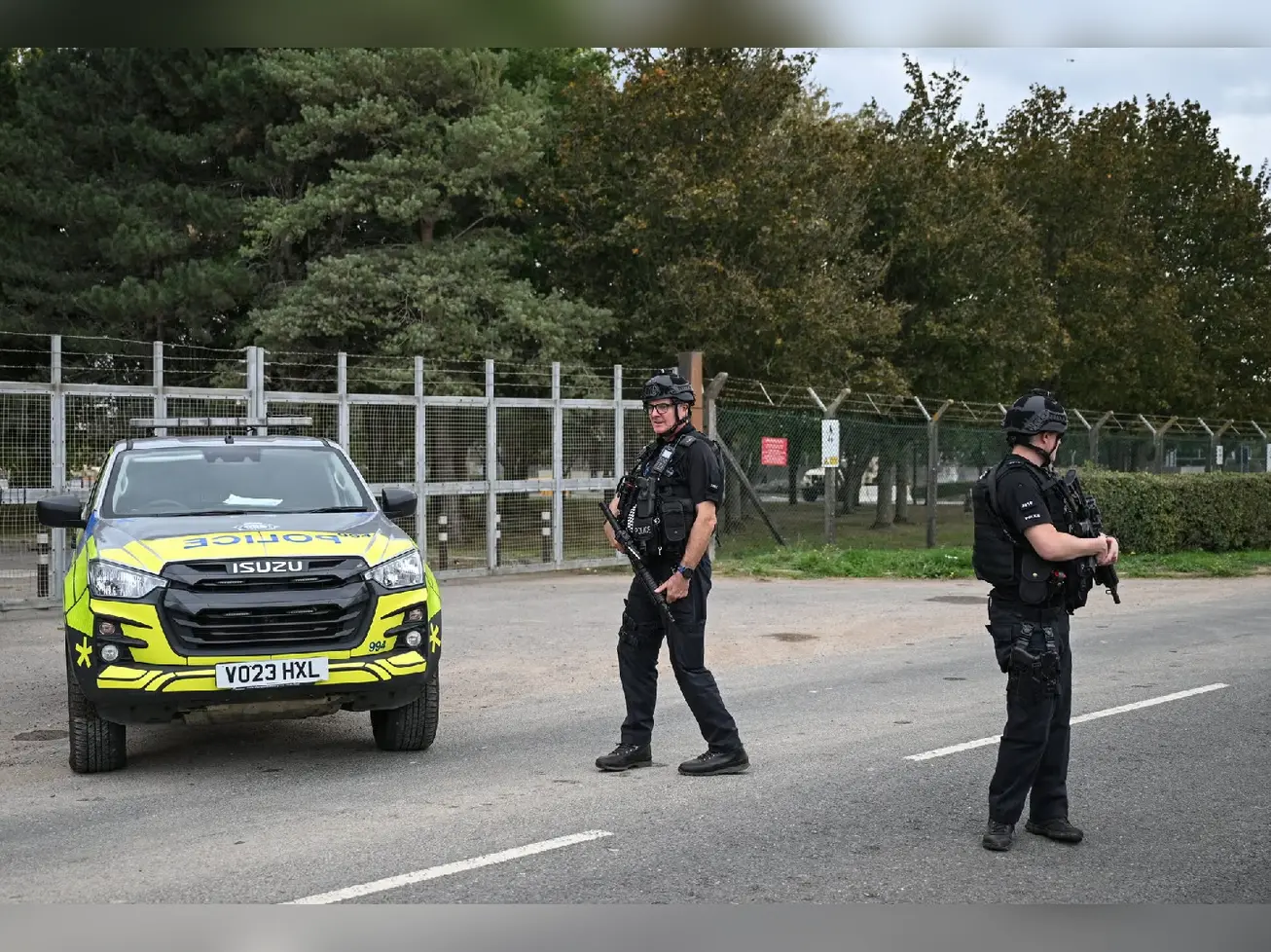)
‘Terror suspects arrested near UK air base were looking to do big damage’: Trump
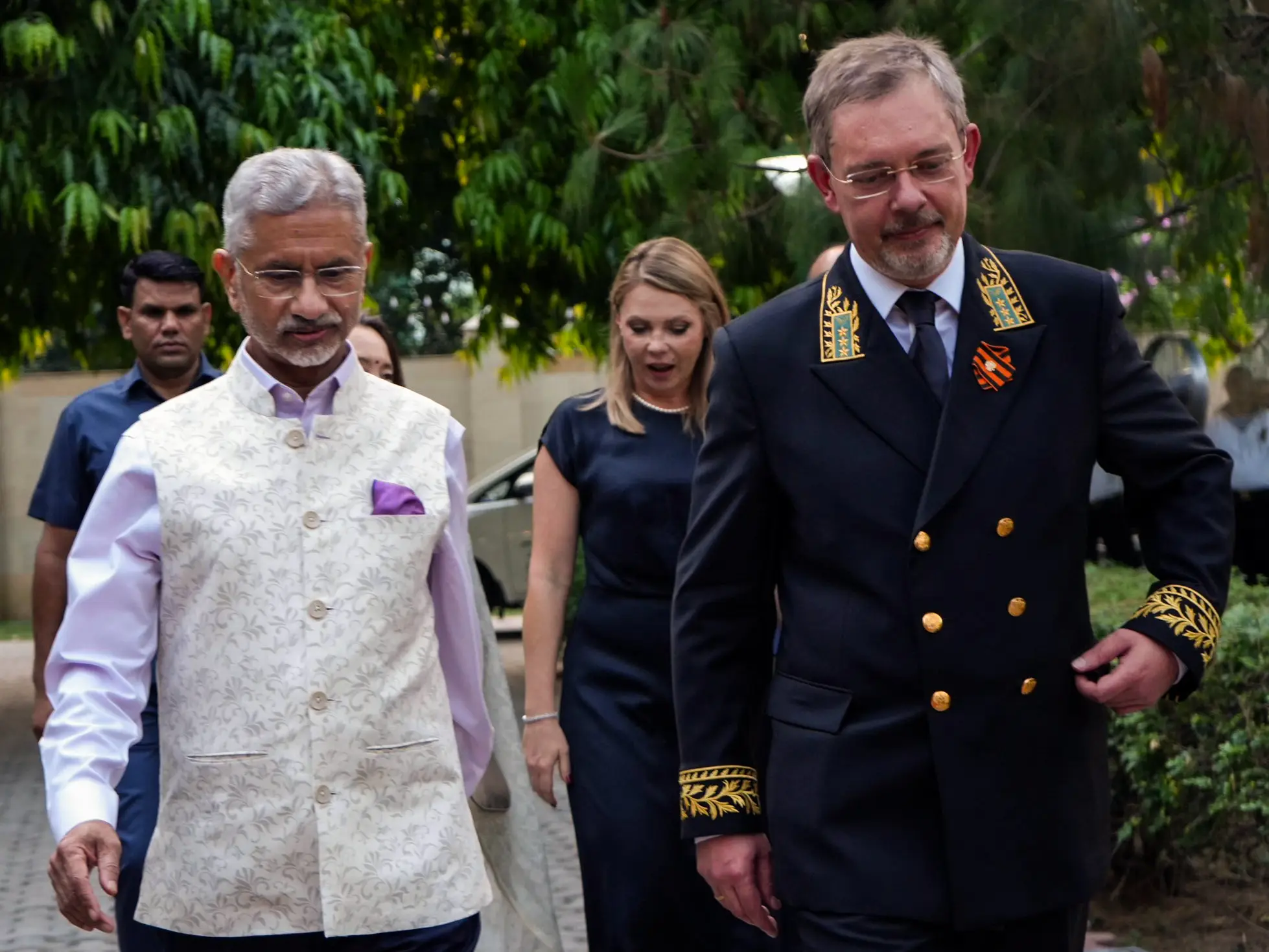)
Russian envoy claims US tactics to contain India were revealed in ‘Freudian slip’
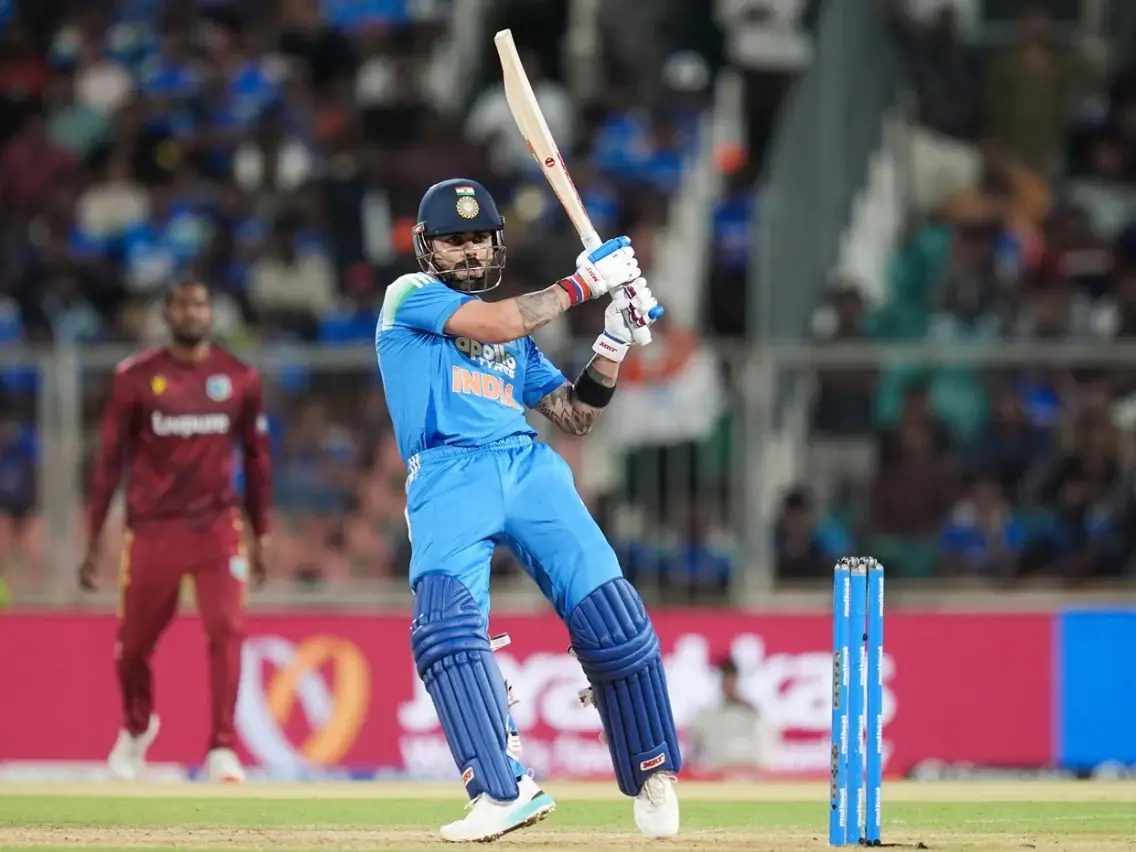)
IND vs WI 1st ODI: Kohli breaks Sachin's most runs in one country record with unbeaten 139 as India thump West Indies by 8 wickets
)
Researchers rebuilt exactly how 700 AI agents hacked Hugging Face: a 900-link chain trick
)
‘Olympic inclusion is our major target’: WPA President Ishaun Singh on pool’s global ambitions
)
Nations League: Spain sink England at Wembley; Modric shines for Croatia
)
Why has Iran released no proof of life of Mojtaba Khamenei? Araghchi reveals...
)
'What kind of confession is this?': Pakistan PM Shehbaz Sharif’s 'terrorists would be roaming New York' remark goes viral, raises alarm online. Watch
)
South Korea demands apology from Ukraine over North Korean prisoners' transfer
)
Beyond BrahMos: India targets Rs 50,000 crore in defence exports with unmatched price edge
)
Sri Lankan Tamil migrant worker gets death sentence in Saudi Arabia, help sought from India
)
Muslim marriage cannot shield sex with minor wife from prosecution under POCSO: Delhi HC
)
'Can't help but draw painful parallels to Nirbhaya case': SC on latest incidents of rape cases in Delhi-NCR
)
99.9% more powerful - Scientists find boy who can recall memories from just 3 months of age
)
'FIRST LOOK from inside Noah’s Ark': Researchers share video from inside mysterious mound in Turkey
)
UNSC reform momentum grows: Russia, Portugal, Mauritius push for India's permanent seat bid
)
8 US marines injured in Iranian missile attack on vessel in Strait of Hormuz: Report
&im=FitAndFill=(700,400))
New OTT releases this week (September 28-October 4, 2026): Dupahiya 2, Pooja Meri Jaan, Ohh My Dog- 5 titles coming on Netflix, Prime Video and more
)
Afghanistan says 28 fighters killed in clash near Pakistan border, Islamabad denies
)
Ceuta migrant crisis: Protesters take to streets as Spain grapples with migrant challenge
)
LPU suspend classes, postpones exams as violence escalates over rape claims: What's happening
)
New York City wants a 'kill switch' on every AI, and will pay whistleblowers who report violations
Financial implications and strategic decisions
Cruise has been a considerable financial burden for GM, with the automaker losing $8.2 billion on the venture since 2017, including $3.48 billion in 2023 alone. The company recently agreed to a settlement of at least $8 million with the woman injured in the October incident. Despite these challenges, GM remains committed to Cruise, hoping to eventually realise a return on its substantial investment. This commitment contrasts with the decisions of other automakers like Ford and Volkswagen, who completely cut ties with their autonomous vehicle venture, Argo AI.
Resumption of operations and future plans
Despite the setbacks, Cruise is cautiously resuming its operations. The company has started deploying more vehicles, initially with human safety drivers behind the wheel. Houston is the latest city to host Cruise’s vehicles, where the company will begin with human-driven cars before transitioning to supervised autonomous driving. Cruise also operates in Phoenix and Dallas, slowly expanding its presence while ensuring enhanced safety measures are in place.
Market dynamics and the road ahead
The autonomous vehicle industry faces significant challenges, particularly in gaining public trust and ensuring safety. GM’s continued investment in Cruise underscores its long-term vision for autonomous technology. The infusion of USD 850 million reflects GM's belief in the potential of autonomous vehicles to revolutionise transportation, despite the current hurdles.
Jacobson's announcement highlights GM's strategic decision to support Cruise amidst adversity. The company's focus on safety enhancements, leadership restructuring, and operational resumption indicates a comprehensive approach to overcoming its recent challenges. As Cruise navigates this critical phase, its ability to integrate advanced safety protocols and regain public confidence will be pivotal in shaping the future of autonomous driving.
GM's USD 850 million investment in Cruise signifies a robust commitment to advancing autonomous vehicle technology. By addressing safety concerns and strategically managing resources, GM aims to position Cruise as a leader in the evolving landscape of autonomous transportation. The road to widespread adoption of autonomous vehicles may be fraught with challenges, but GM's proactive measures signal a determined effort to achieve long-term success in this transformative industry.