WUC accuses China of genocide, forced labour and repression against Uyghurs at global forums

&imwidth=600&imheight=450&format=webp&quality=medium "WUC accuses China of genocide, forced labour and repression against Uyghurs at global forums")
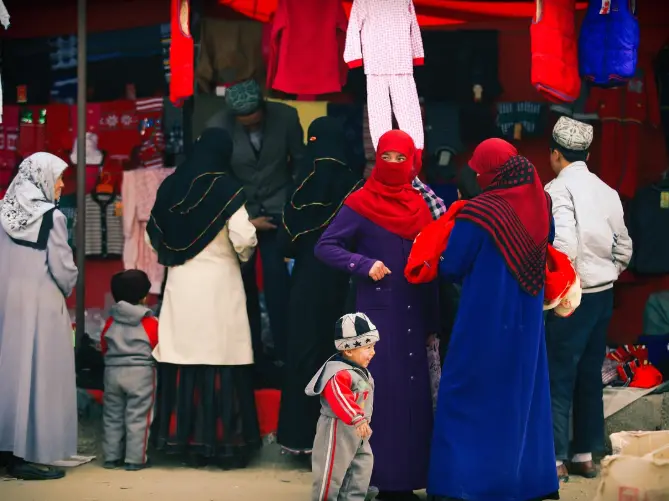
Representative image. Photograph: (Pixabay)
The delegation also participated in a side event organised by Tibetan groups, where participants discussed developments in Tibet and Taiwan, as well as concerns over what they described as the weakening of the international rules-based order.
The World Uyghur Congress (WUC) has outlined its international advocacy activities, highlighting efforts in Japan and Europe to raise awareness alleging Beijing of human rights violations, including genocide, forced labour practices and transnational repression targeting Uyghurs from East Turkistan.
A delegation from the World Uyghur Congress (WUC) and the Uyghur Centre for Democracy and Human Rights (UZDM), comprising WUC President Turgunjan Alawdun, Vice President Zumretay Arkin, and UZDM President Dolkun Isa, met with diplomats, United Nations officials, UN Special Rapporteur on the Human Rights of Migrants Gehad Madi and civil society representatives.
The discussions centred on alleged enforced disappearances, transnational repression, the challenges faced by Uyghur refugees and wider human rights issues. The delegation also participated in a side event organised by Tibetan groups, where participants discussed developments in Tibet and Taiwan, as well as concerns over what they described as the weakening of the international rules-based order.
Also read: Tibetan administration slams China's new ethnic unity law, calls it tool for ‘cultural erasure’
Impact of Chinese policy
While addressing the Human Rights Council, WUC Vice President Zumretay Arkin underscored the impact of policies implemented by China on Uyghur women and families, adding that arbitrary detention, family separation, and cross-border intimidation have made several mothers forcibly separated from their children.
Trending Stories
&imwidth=280&imheight=210&format=webp&quality=medium)
&im=FitAndFill=(700,400)&imwidth=280&imheight=210&format=webp&quality=medium)
&imwidth=280&imheight=210&format=webp&quality=medium)
&imwidth=280&imheight=210&format=webp&quality=medium)
&imwidth=280&imheight=210&format=webp&quality=medium)
&imwidth=280&imheight=210&format=webp&quality=medium)
&imwidth=280&imheight=210&format=webp&quality=medium)
&imwidth=280&imheight=210&format=webp&quality=medium)
&imwidth=280&imheight=210&format=webp&quality=medium)
&imwidth=280&imheight=210&format=webp&quality=medium)
&imwidth=280&imheight=210&format=webp&quality=medium)
&imwidth=280&imheight=210&format=webp&quality=medium)
&imwidth=280&imheight=210&format=webp&quality=medium)
&imwidth=280&imheight=210&format=webp&quality=medium)
&imwidth=280&imheight=210&format=webp&quality=medium)
&imwidth=280&imheight=210&format=webp&quality=medium)
&imwidth=280&imheight=210&format=webp&quality=medium)
&im=FitAndFill=(700,400)&imwidth=280&imheight=210&format=webp&quality=medium)
&im=FitAndFill=(700,400)&imwidth=280&imheight=210&format=webp&quality=medium)
&imwidth=280&imheight=210&format=webp&quality=medium)
&imwidth=280&imheight=210&format=webp&quality=medium)
&imwidth=280&imheight=210&format=webp&quality=medium)
&imwidth=280&imheight=210&format=webp&quality=medium)
&imwidth=280&imheight=210&format=webp&quality=medium)
&imwidth=280&imheight=210&format=webp&quality=medium)
&imwidth=280&imheight=210&format=webp&quality=medium)
&imwidth=280&imheight=210&format=webp&quality=medium)
&imwidth=280&imheight=210&format=webp&quality=medium)
&im=FitAndFill=(700,400)&imwidth=280&imheight=210&format=webp&quality=medium)
&imwidth=280&imheight=210&format=webp&quality=medium)
&imwidth=280&imheight=210&format=webp&quality=medium)
&imwidth=280&imheight=210&format=webp&quality=medium)
&imwidth=280&imheight=210&format=webp&quality=medium)
&imwidth=280&imheight=210&format=webp&quality=medium)
&imwidth=280&imheight=210&format=webp&quality=medium)
The WUC further accused the Chinese organisation of monitoring, photography and filming of their delegates throughout the session, labelling it the next example of transnational intimidation targeting Uyghur activists. Meanwhile, the Uyghur Human Rights Project (UHRP) separately published a report warning that Australia and Japan remain vulnerable to imports connected to Uyghur forced labour due to enforcement gaps in supply chain regulations.
The report warns that as the United States and the European Union tighten measures against products linked to forced labour, regions with less stringent oversight could emerge as alternative destinations for such goods.
Meanwhile, Rushan Abbas, Chair of the WUC Executive Committee, was honoured with the Women's eNews Champion for Human Rights 2026 Award in Montreal in recognition of her advocacy for Uyghur women. In her acceptance remarks, she drew attention to the case of her sister, Gulshan Abbas, who she said has been forcibly disappeared since 2018.

