World's e-waste unsustainable, says UN report citing China, India and US

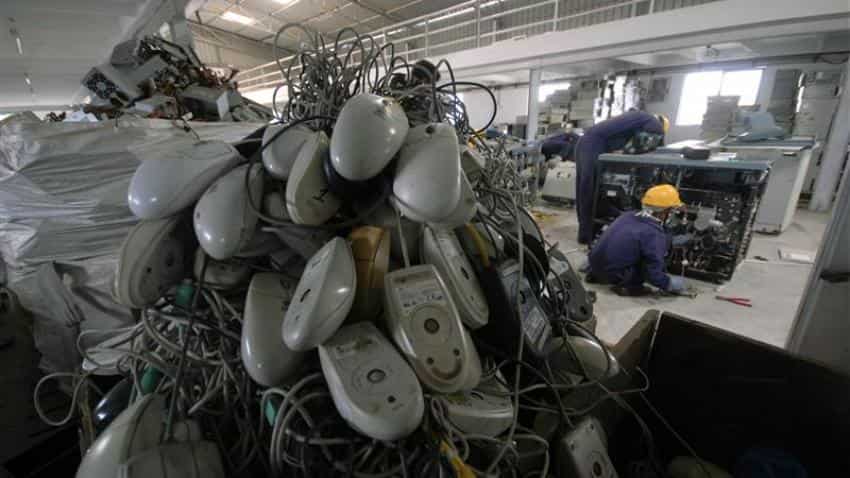
India is among the top five e-waste generating countries in the world besides China, the US, Japan and Germany, according to a report
A UN-led report released on Thursday found that the world dumped a record 53.6 million tonnes of e-waste last year. Just 17.4% was recycled.
The Global E-waste Monitor 2020 report found that China, with 10.1 million tonnes, was the biggest contributor to e-waste, and the United States was second with 6.9 million tonnes. India, with 3.2 million tonnes, was third. Together these three countries accounted for nearly 38% of the world's e-waste last year.

"Continent wise, it is quite simple, if you go by the total wage and rated per continent, it is definitely Asia, simply because there is also the biggest world population." Ruediger Kuehr, Director of the United Nations University Uni-Vie Scycle and Co-author of the report of e-waste told Reuters.
While the overall damage done to the environment from all the un-recycled waste may be incalculable, the message from the report was conclusive: "The way in which we produce, consume, and dispose of e-waste is unsustainable."
Global warming is just one issue cited by the report as it noted 98 million tonnes of carbon dioxide equivalents were released into the atmosphere as a result of inadequate recycling of "undocumented" refrigerators and air conditioners.
)
Trump-Xi Summit: Trade, Taiwan and the red lines shaping US-China talks | Race To Power
)
US judge questions Trump’s decision to ban CNN, MS NOW and Politico from White House
)
Afghan woman cyclist who disguised herself as a boy to escape Taliban, wins Asian Games medal
)
Trump signs Greenland security deal with Denmark, paving way for two new US military bases
)
IND vs JPN T20I: How an overturned wide became point of difference between India's win and a tie
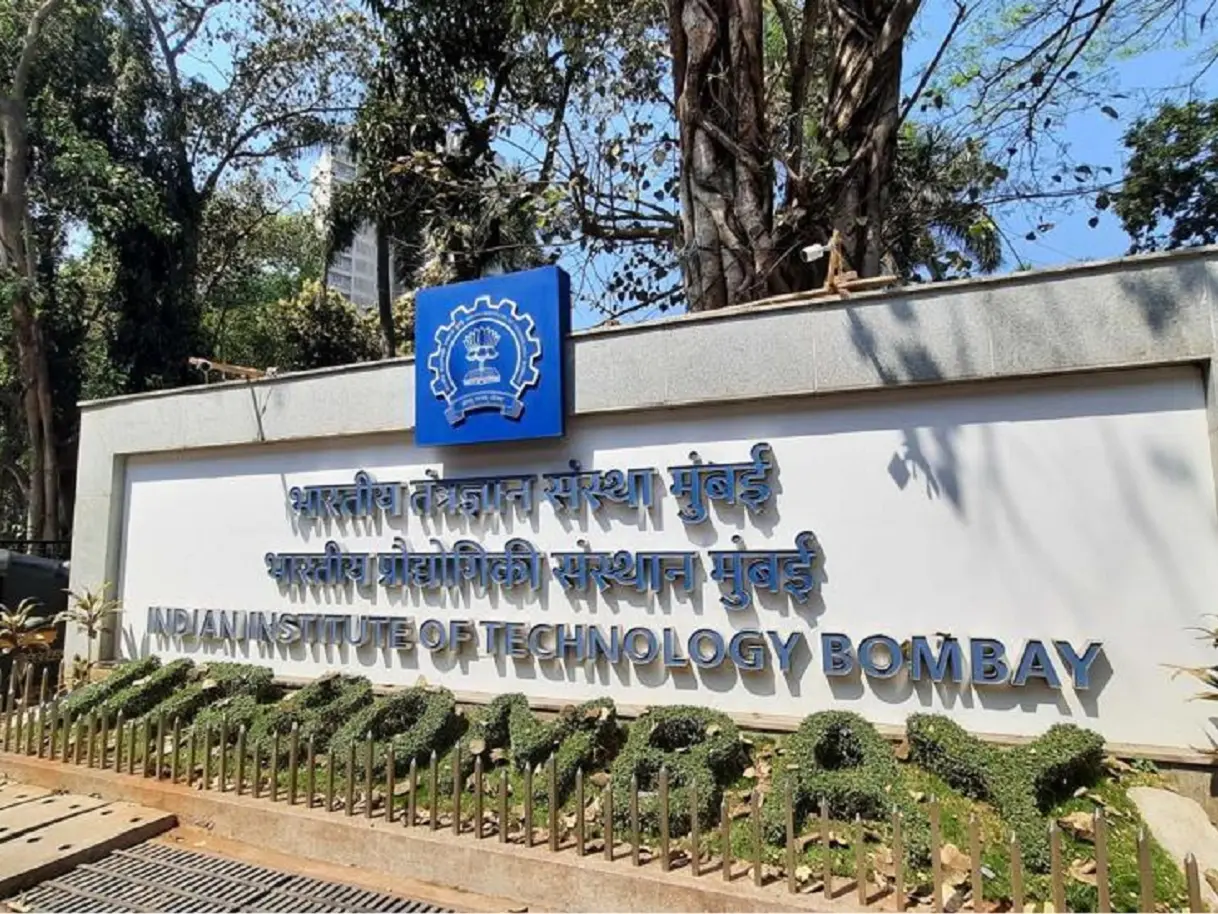)
IIT Bombay CCTV footage emerges: Sahil Wakode seen looking at phone in examination hall
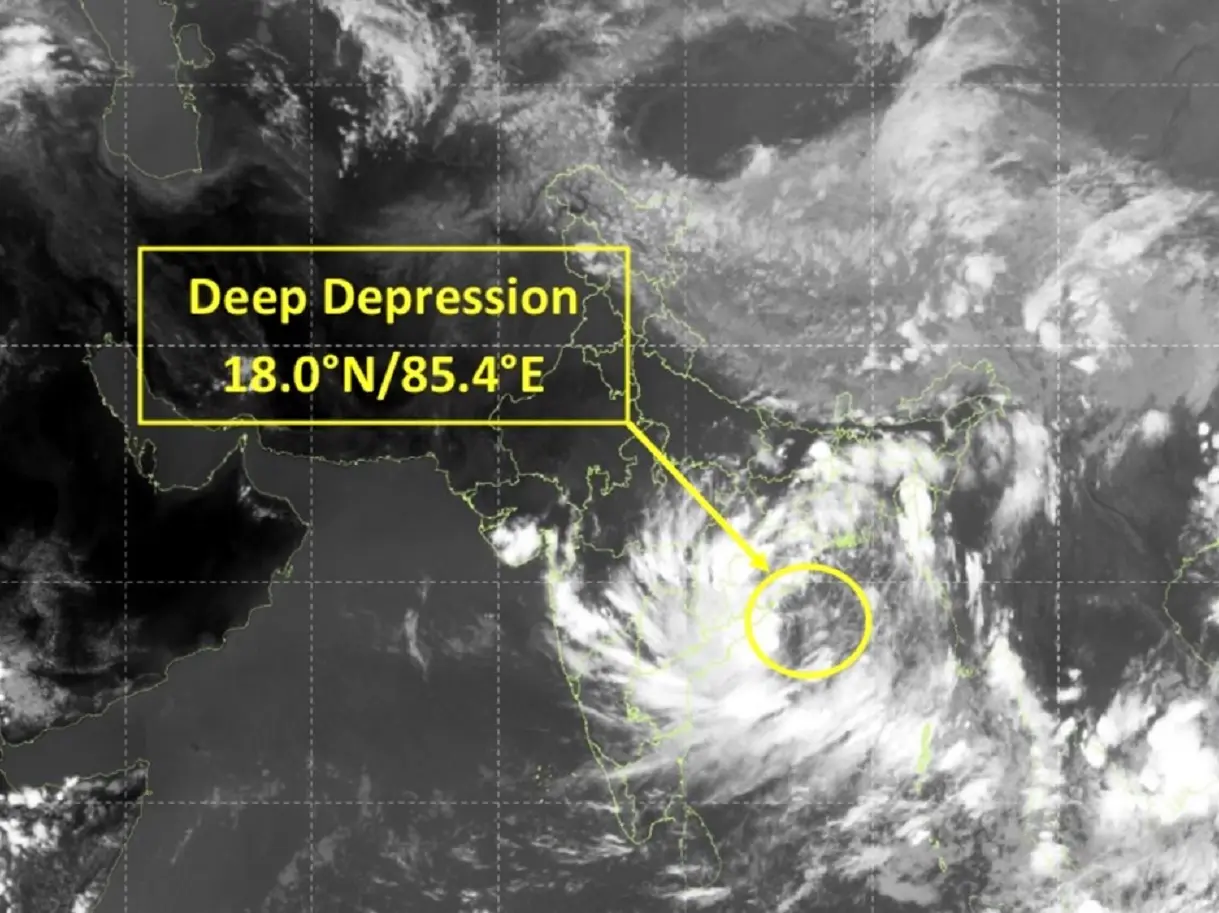)
Cyclone Arnab: Landfall expected before midnight tomorrow as IMD issues orange alerts across six states
)
NBA player Steven Adams shares hilarious GTA VI theory
)
TMC revives impeachment push against CEC Gyanesh Kumar after report of internal dissent
)
WION Iconic Tourism Summit 2026: Union Minister Shekhawat on 'experiential travel', peace diplomacy
)
ICC plans T20I expansion and fewer ODIs in 2027–2031 FTP cycle: Report
)
'AI got into my speech': Prince Harry jokes after teleprompter failure at event in New York
)
WION Iconic Tourism Summit: Seychelles envoy says India partnership is important for Seychelles
)
Scientists detect first radio signals directly from faraway planet
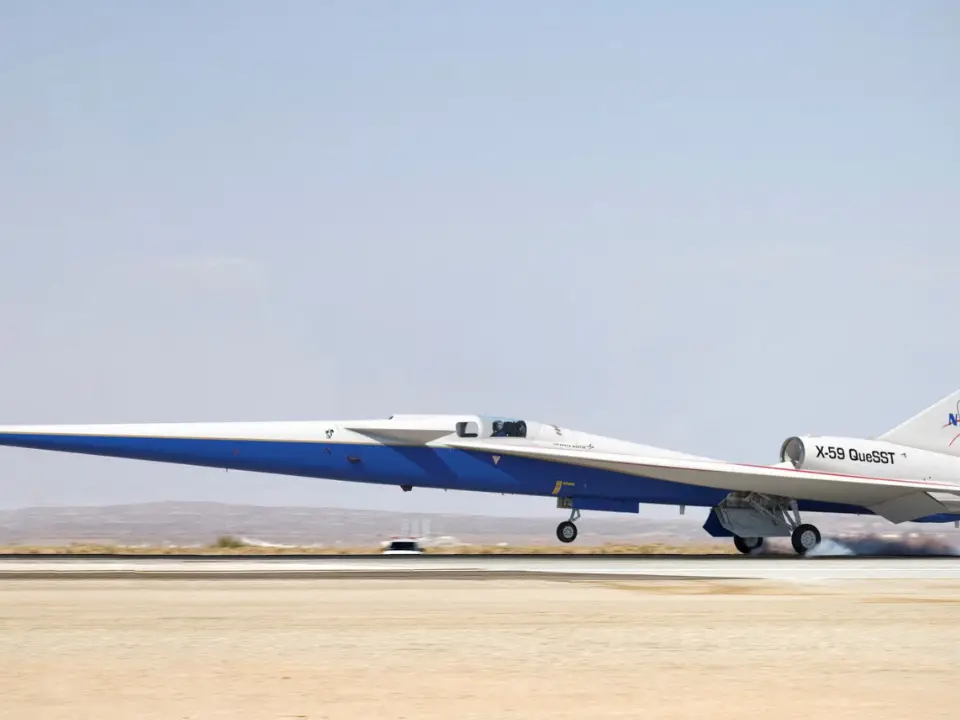)
China to test supersonic jet that moves at Mach 2, double the speed of sound
)
WION Iconic Tourism Summit: 'Hanuman Ansh' Director on blockbuster success
)
Open AI, Anthropic CEO urges caution over rapid AI development at UN Security Council, call for 'extreme care'
)
Bomb scare in New York amid UNGA: Suspicious suitcase found near UN headquarters
)
Hours before Xi-Trump meeting, US announces visa curbs targeting birth tourism: What is it?
)
WION Iconic Tourism Summit: Is India's travel boom outrunning its airports, airlines and hotels?
)
WION Iconic Tourism Summit and Awards 2026: Key voices to discuss India’s tourism future
)
Trump-Xi state dinner 2026: Who is invited? Full guest list of tech CEOs, business leaders and officials
)
American manufacturing is reshoring faster than its factory floors can absorb
&im=FitAndFill=(700,400))
New OTT releases this week (September 21-27, 2026): Shaque: Trust No One, Hunkkaar, Don’t Be Shy- 5 new titles coming to Netflix, Prime Video and more
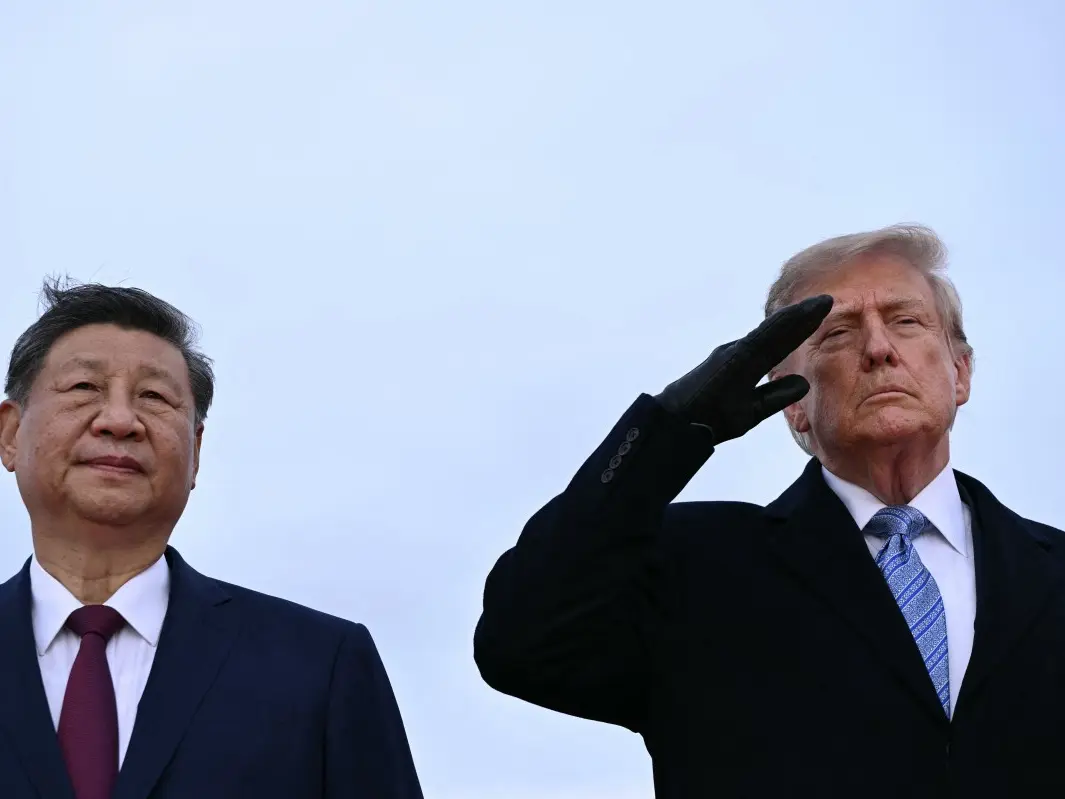)
WATCH | China President Xi Jinping lands in US as Trump greets him ahead of high-stakes summit
)
'What kind of confession is this?': Pakistan PM Shehbaz Sharif’s 'terrorists would be roaming New York' remark goes viral, raises alarm online. Watch
)
WION Iconic Tourism Summit: How local tourism MSMEs must upskill for AI integration
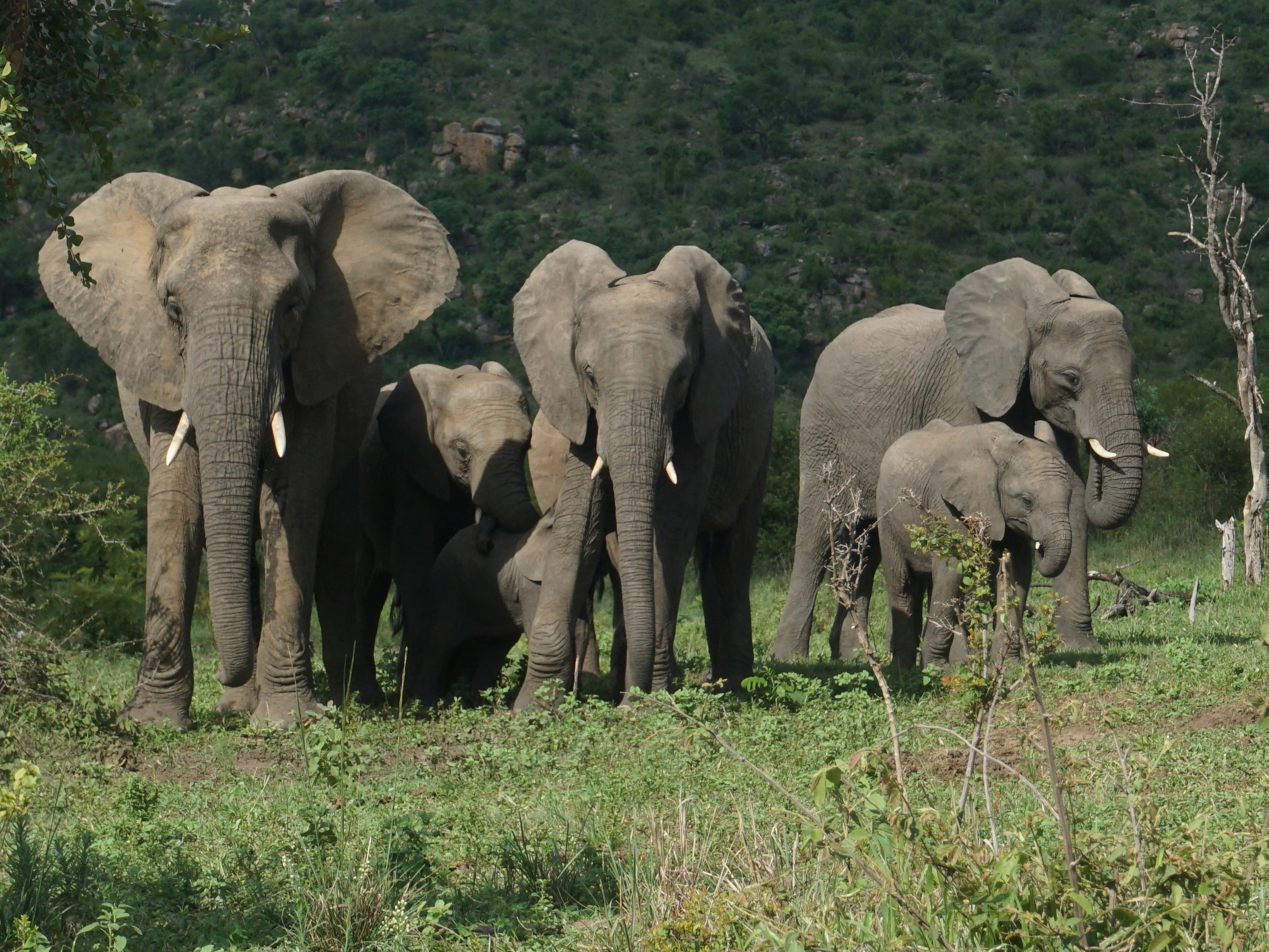)
Elephants hide behind trees, stage surprise attack on poachers targeting rhinos in South Africa
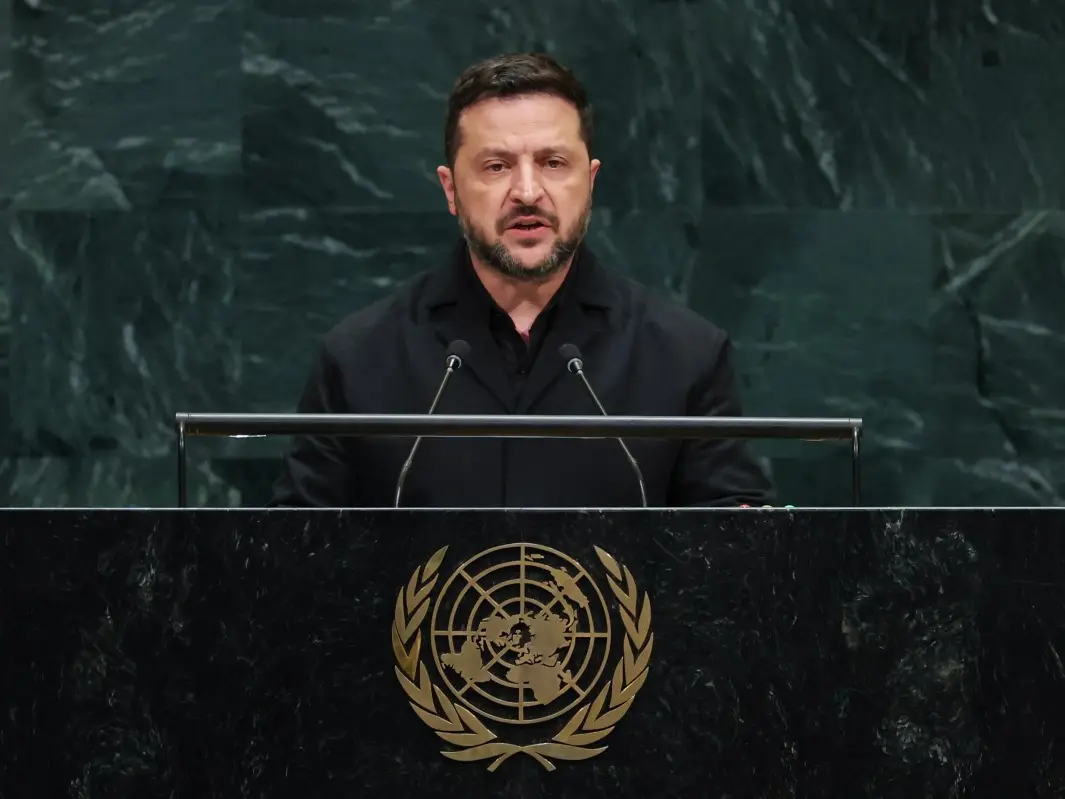)
'Putin is patient zero': Zelensky slams Russian president at UNGA, accuses him of using fighters from 47 countries
&im=FitAndFill=(700,400))
National Film Awards 2026: Kartik Aaryan, Mammootty, Yami Gautam, Randeep Hooda and other key winners
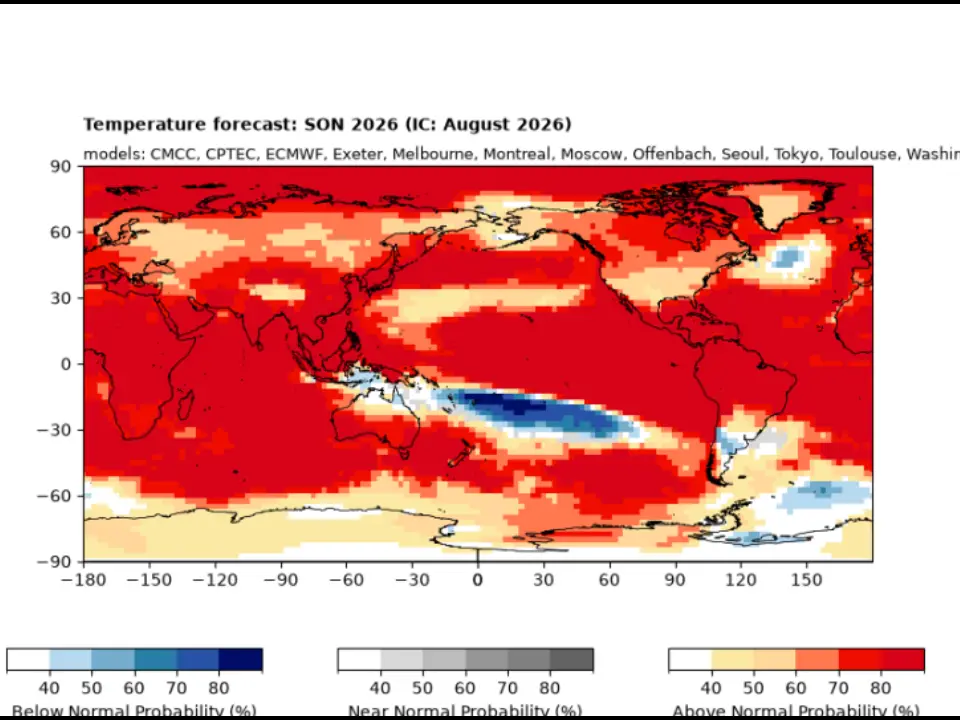)
El Niño 2026 heats up to become strongest in 1,000 years
)
Israeli envoy to US Yechiel Leiter’s son critically injured in West Bank ramming attack
&im=FitAndFill=(700,400))
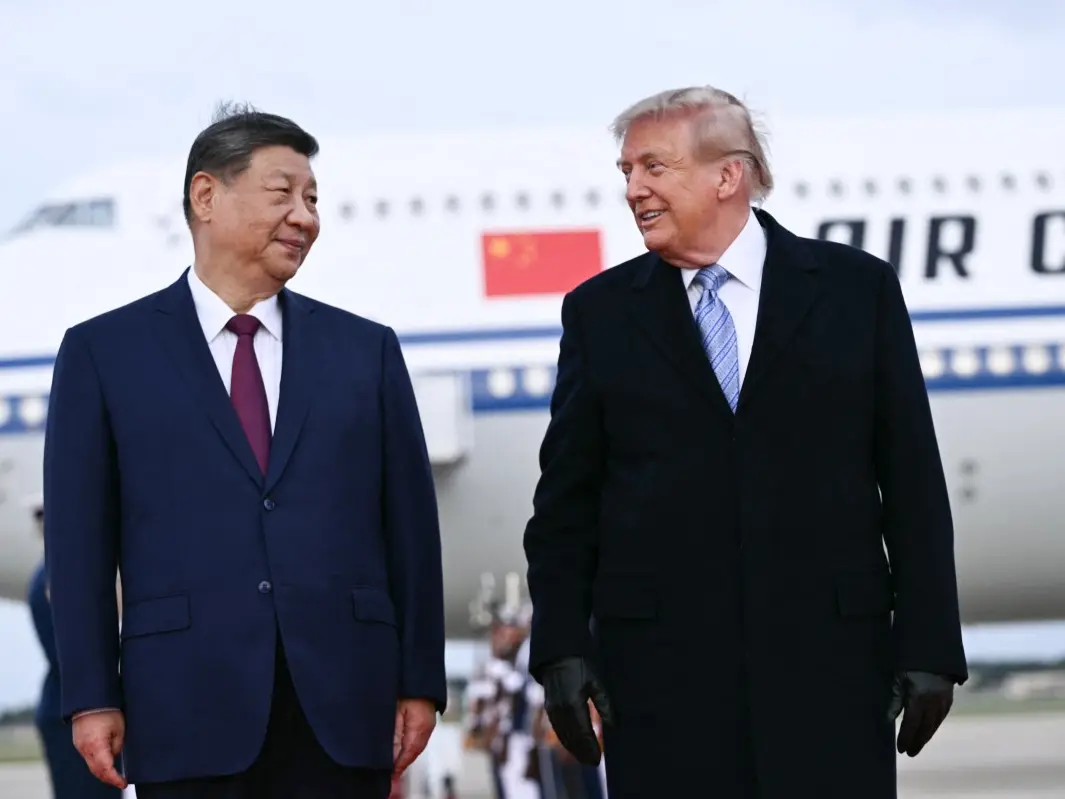
Trump welcomes Xi Jinping in rare airport gesture: Photos from Chinese President's arrival in US
)
Anne Hathaway to run in supporting race for Nolan's epic
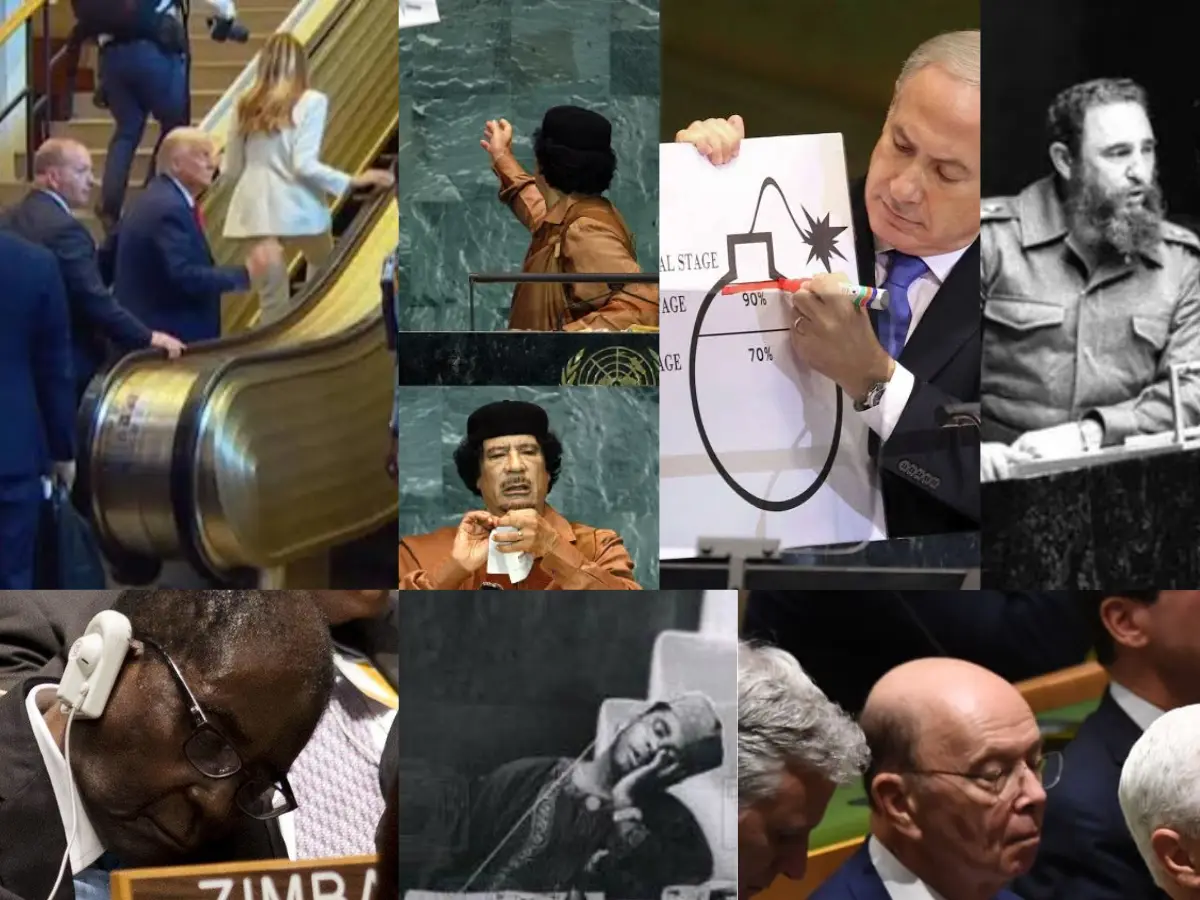)
From Gaddafi tearing up UN Charter to Trump’s ‘escalatorgate’: Most unforgettable UNGA moments
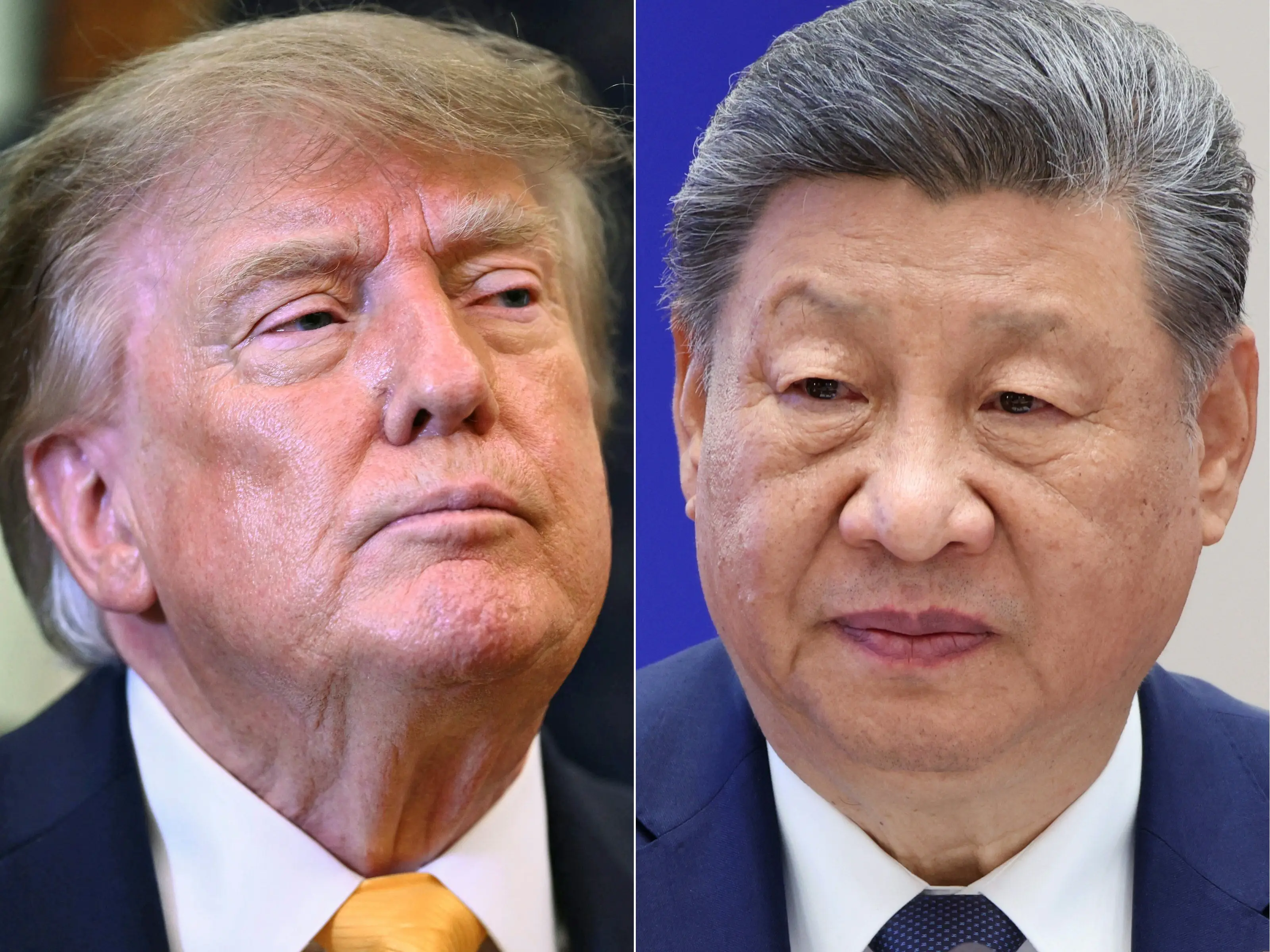)
Xi-Trump meeting: China’s human rights red line and past protests explained
This year's coronavirus lockdowns have exacerbated the e-waste problem.
"This is not yet reflected in the global e-waste…but we can likely expect also an increase due to the COVID crisis because all of us are doing now home work or home schooling." Kuehr said.
What is happening in India and China is symptomatic of a wider problem in developing countries, where demand for goods like washing machines, refrigerators and air conditioners is rising rapidly.
"We found out that in 2019, we produced roughly 54 million tons of e-waste, which is more or less, the weight of 350 cruise ships like the size of Queen Mary 2. It is a huge amount." Antonis Mavropoulos, International Solid Waste Association (ISWS) President told Reuters.
Dinesh Raj Bandela, deputy programme manager at the Centre for Science and Environment, a New Delhi-based research and advocacy body, said India's focus on e-waste had to go beyond the collection, and manufacturers should be encouraged to produce consumer goods that last longer and are less toxic.
Although India is the only country in South Asia to draft legislation for e-waste, its collection remains rudimentary.