Will Trump become a lame-duck president? Democrats’ Senate comeback, House majority chances in midterm elections gather pace

&imwidth=600&imheight=450&format=webp&quality=medium "Will Trump become a lame-duck president? Democrats’ Senate comeback, House majority chances in midterm elections gather pace")
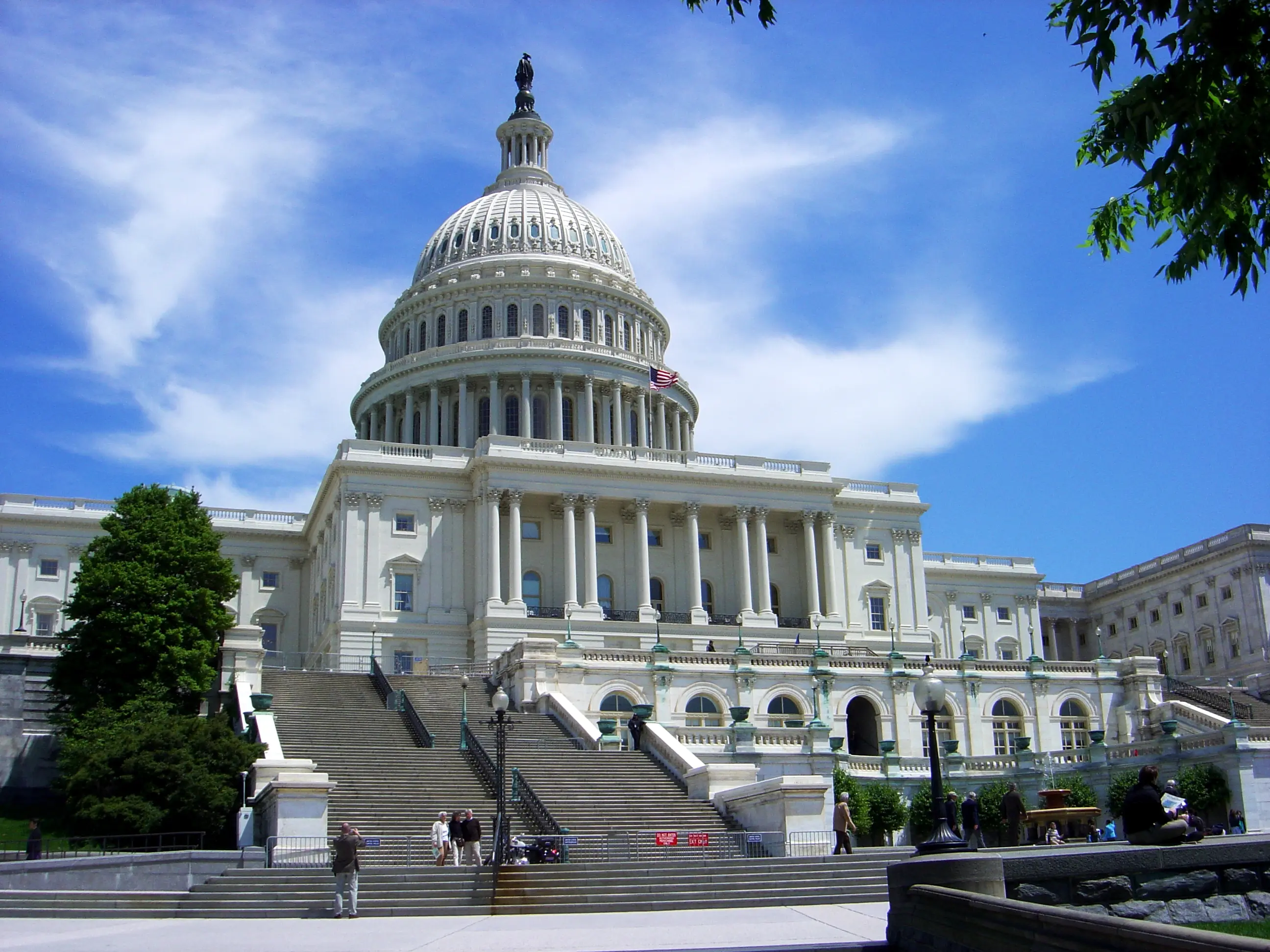
A file image of Capitol Building, which houses the US Congress Photograph: (Others)
Democrats’ chances of retaking the Senate are high, if one goes by the recent predictions. House prospects strongly favour them too. Senate races to watch for are in North Carolina, Maine, Ohio, Alaska and Texas
Democrats’ chances of taking control of the US Senate in the midterm elections of November have increased. Both recent polling and prediction markets have given the odds between roughly 42 per cent and 51 per cent. Republicans currently hold 53 Senate seats to Democrats’ 47, which includes independents who caucus with Democrats. A four-seat gain is all it would take for the Dems to secure an outright 51-seat majority. A 50-50 Senate will not be good for them, as the Republican Vice President JD Vance - who chairs the upper house - would cast the tie-breaking vote. If the predictions come true, Donald Trump could become a lame-duck president, with the Democratic-majority Congress checkmating his legislative agenda, leaving the executive orders as the only path to implement his wishes.
Prediction markets, election models put Democratic control at around 48-51 per cent
Both Kalshi and Polymarket have shown near-even odds, while PredictIt and aggregated electionbettingodds.com have similarly placed the Senate race close to 50-50. This is a departure from a year ago, when Democrats' chances were only around 18 per cent. The various election models are currently showing a competitive picture, with Decision Desk HQ giving Democrats roughly a 48 per cent chance of control. The Economist put the figure around 46-50 per cent. The Fred Cornell gave a cautious 42 per cent chance for the Dems.
Sabato’s Crystal Ball sees better chances for Dems if the current generic-ballot conditions, where they lead nationally by 6-7 points, persist.
The Cook Political Report rates the Senate as a toss-up because of their momentum in traditionally red states.
Trending Stories
&imwidth=280&imheight=210&format=webp&quality=medium)
&im=FitAndFill=(700,400)&imwidth=280&imheight=210&format=webp&quality=medium)
&imwidth=280&imheight=210&format=webp&quality=medium)
&imwidth=280&imheight=210&format=webp&quality=medium)
&imwidth=280&imheight=210&format=webp&quality=medium)
&imwidth=280&imheight=210&format=webp&quality=medium)
&imwidth=280&imheight=210&format=webp&quality=medium)
&imwidth=280&imheight=210&format=webp&quality=medium)
&imwidth=280&imheight=210&format=webp&quality=medium)
&imwidth=280&imheight=210&format=webp&quality=medium)
&imwidth=280&imheight=210&format=webp&quality=medium)
&imwidth=280&imheight=210&format=webp&quality=medium)
&imwidth=280&imheight=210&format=webp&quality=medium)
&imwidth=280&imheight=210&format=webp&quality=medium)
&imwidth=280&imheight=210&format=webp&quality=medium)
&imwidth=280&imheight=210&format=webp&quality=medium)
&imwidth=280&imheight=210&format=webp&quality=medium)
&imwidth=280&imheight=210&format=webp&quality=medium)
&imwidth=280&imheight=210&format=webp&quality=medium)
&imwidth=280&imheight=210&format=webp&quality=medium)
&imwidth=280&imheight=210&format=webp&quality=medium)
&imwidth=280&imheight=210&format=webp&quality=medium)
&imwidth=280&imheight=210&format=webp&quality=medium)
&imwidth=280&imheight=210&format=webp&quality=medium)
&imwidth=280&imheight=210&format=webp&quality=medium)
&imwidth=280&imheight=210&format=webp&quality=medium)
&imwidth=280&imheight=210&format=webp&quality=medium)
&im=FitAndFill=(700,400)&imwidth=280&imheight=210&format=webp&quality=medium)
&imwidth=280&imheight=210&format=webp&quality=medium)
&imwidth=280&imheight=210&format=webp&quality=medium)
&imwidth=280&imheight=210&format=webp&quality=medium)
&imwidth=280&imheight=210&format=webp&quality=medium)
&imwidth=280&imheight=210&format=webp&quality=medium)
&imwidth=280&imheight=210&format=webp&quality=medium)
&imwidth=280&imheight=210&format=webp&quality=medium)
&imwidth=280&imheight=210&format=webp&quality=medium)
&imwidth=280&imheight=210&format=webp&quality=medium)
North Carolina: A key to Democratic path to majority in Senate
Democrats’ clearest route to 51 seats involves holding their existing seats while winning four Republican-held seats: North Carolina, Maine, Ohio and Alaska. They could also win in Iowa and Texas. But North Carolina is being seen as their strongest pickup opportunity. After Republican Senator Thom Tillis’ retirement, former Democratic Governor Roy Cooper is heavily favoured in many forecasts. As per the various predictions, the Democratic win probability ranges from roughly 78 per cent to more than 90 per cent.
Another major state for Dems is Maine, where Republican Senator Susan Collins faces a Democratic challenge and have estimated chance of victory at the 60-76 per cent range.
Ohio is proving to be an even contest. Alaska is competitive too, with Democrat Mary Peltola mounting a strong challenge against Republican Senator Dan Sullivan.
Iowa and Texas could be additional gains, though the races there are tougher. Iowa could be either a toss-up or Republican-leaning.
Republican-leaning Texas has some strong Democrat candidates like James Talarico.
But the Democrats would need to hold Georgia, Michigan and New Hampshire, while trying to make gains in the states discussed above. Some of the analysis, however, says that they can afford to lose one difficult contest and still reach 51.
House of Representatives tilts Democratic
The wind is favourable for Democrats in the House of Representatives, where Republicans currently have a narrow majority of around 218 to 212, with vacancies. A small net gain for Dems in the midterms - three to six seats- can help them reach the 218 mark.
Prediction markets put Democratic control of the House at roughly 80-85 per cent or higher. The Economist model has placed Democratic chances near 90 per cent, with a median projection showing a gain of about 35 seats for them.
Generic-ballot polling has consistently given Democrats a mid- to high-single-digit advantage.
Despite mid-decade redistricting complicating parts of the US election map, the national political environment and historical midterm losses suffered by the president’s party could give Democrats enough momentum to regain control of both chambers.