When Gen Z protests, heads roll: From Nepal to Indonesia and beyond, TikTok generation leads change in politics dominated by the old and senile

&imwidth=600&imheight=450&format=webp&quality=medium "When Gen Z protests, heads roll: From Nepal to Indonesia and beyond, TikTok generation leads change in politics dominated by the old and senile")
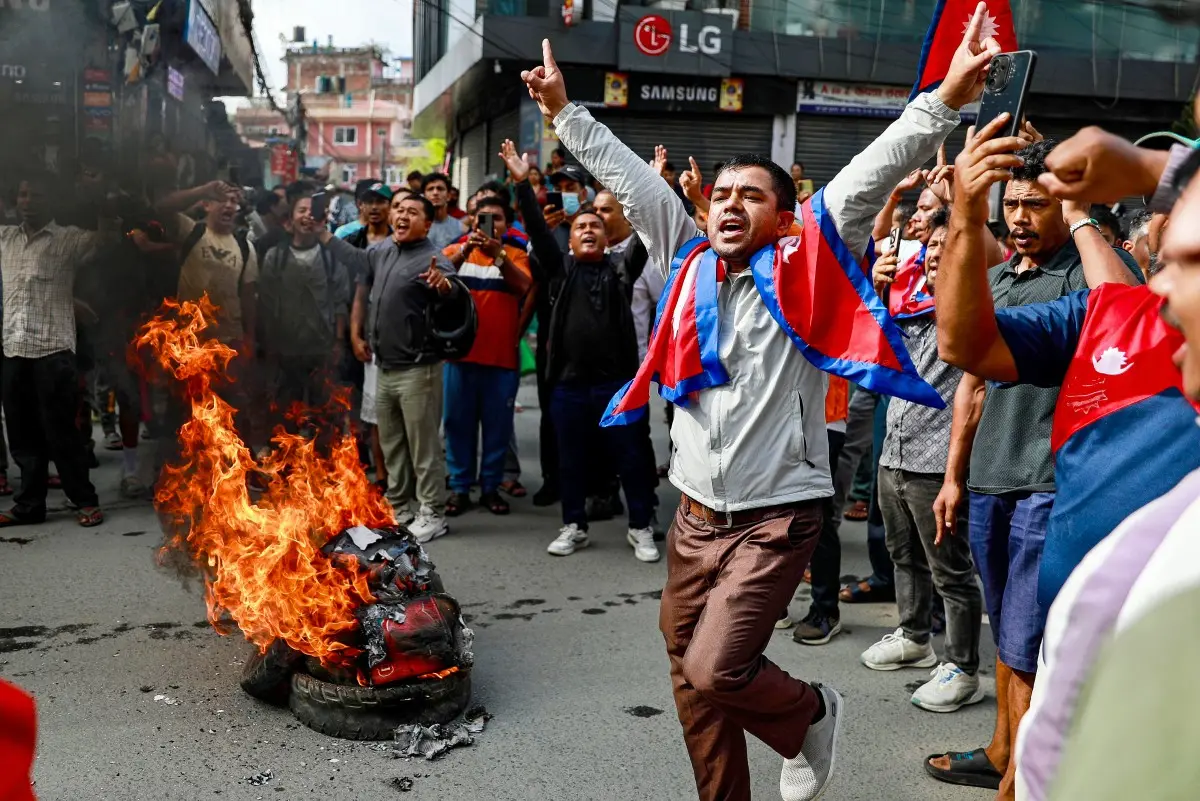
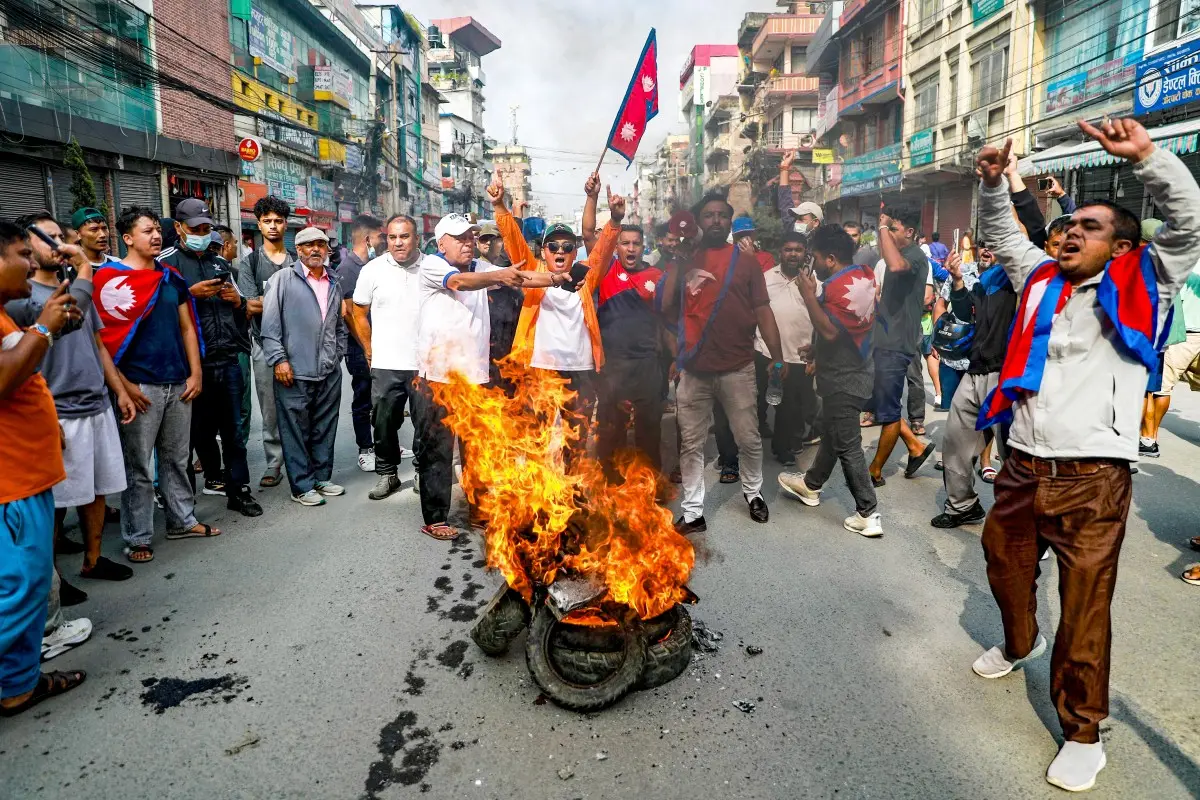
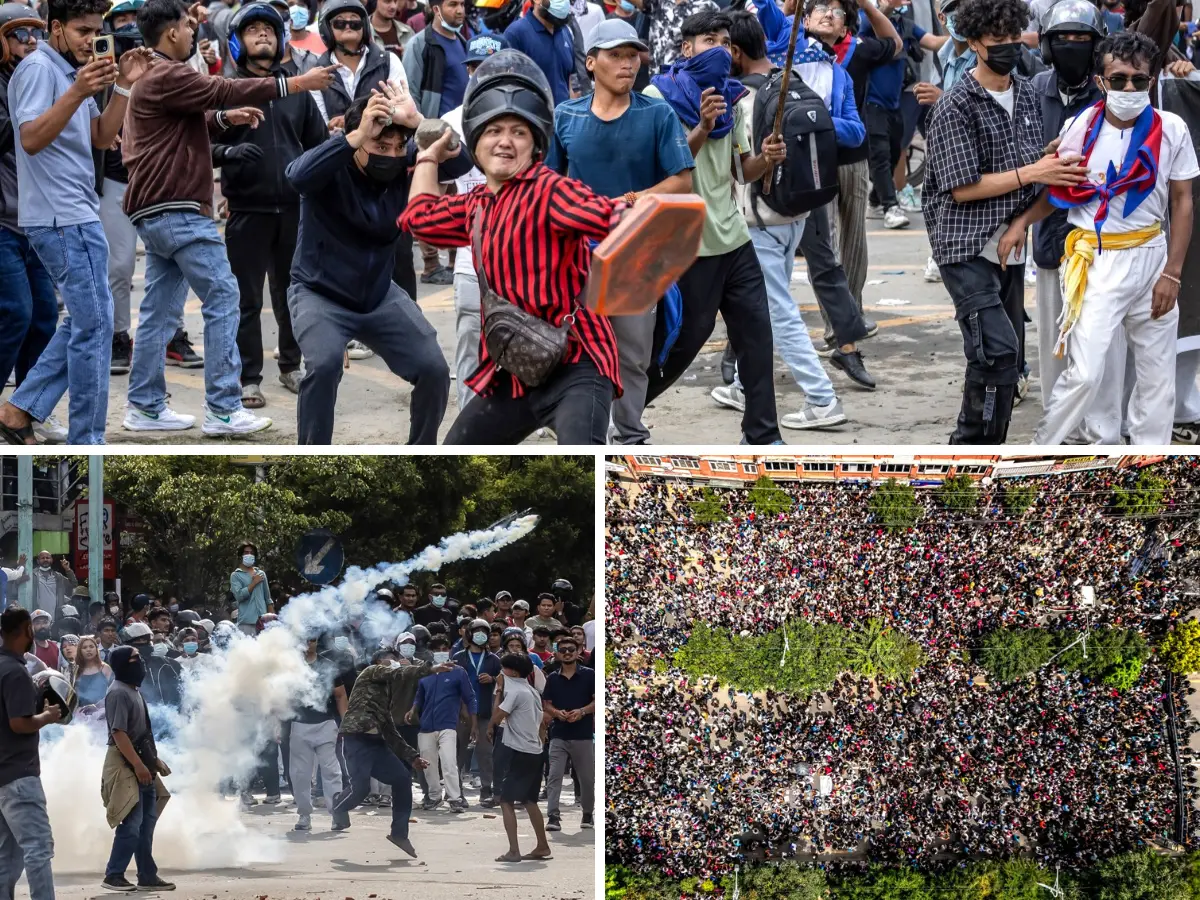
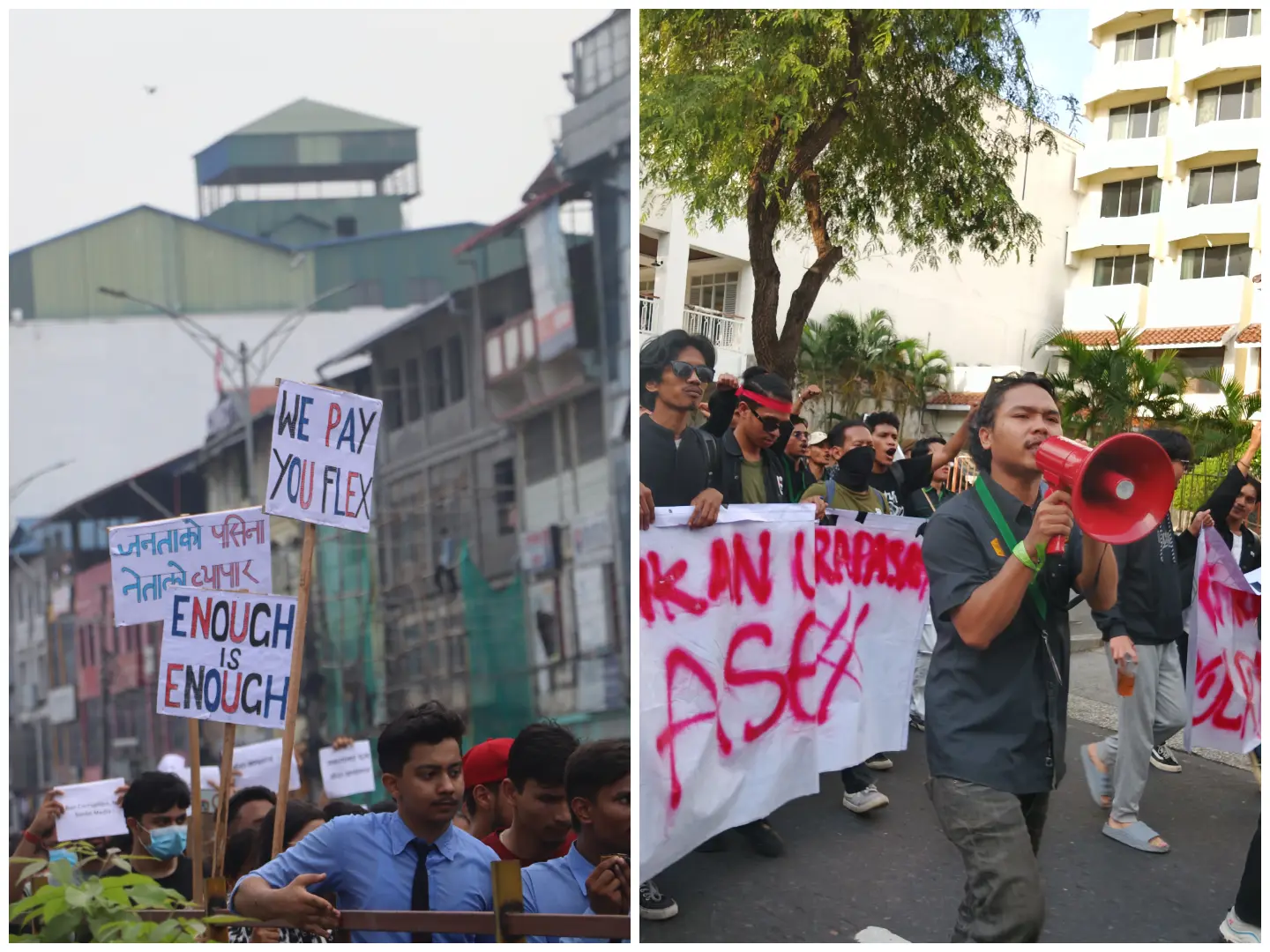
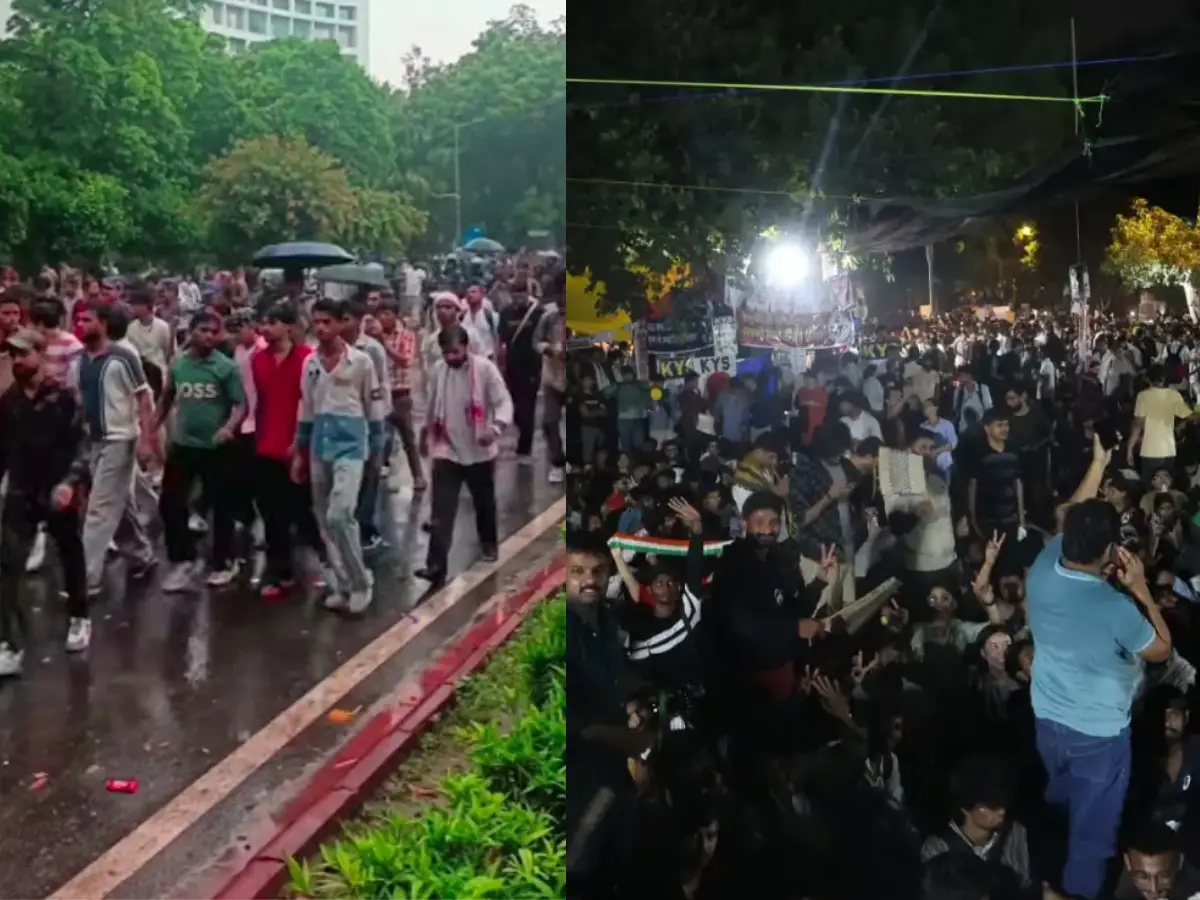
Combo image of Nepal protests in September and Indonesia protest in August Photograph: (Others)
Often dismissed as non-serious, Gen Z is leading global political change through digital activism, from Nepal to Indonesia and beyond. Fueled by frustration with ageing leaders, they’re protesting corruption, injustice, and inequality, using social media as a powerful tool
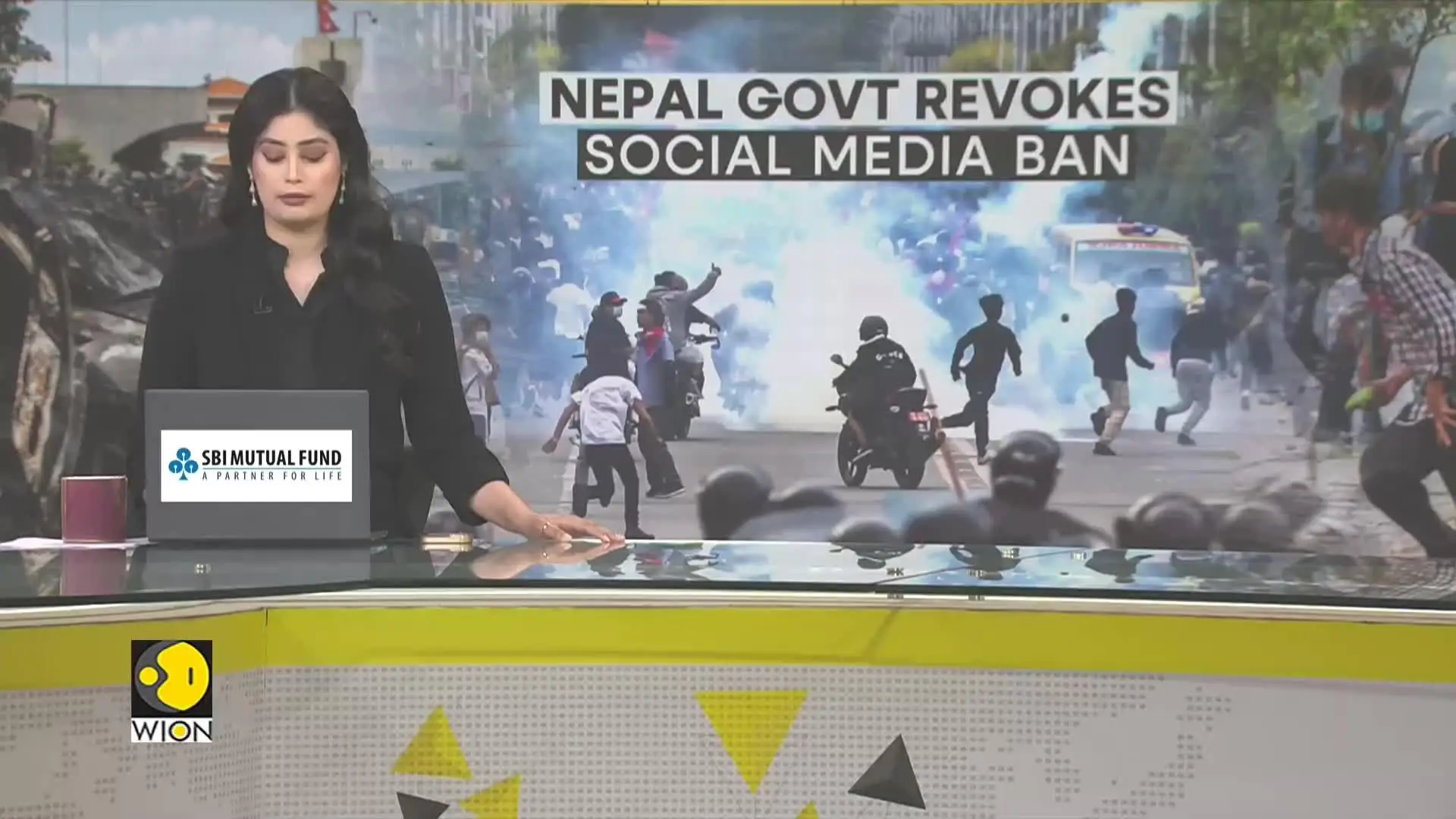
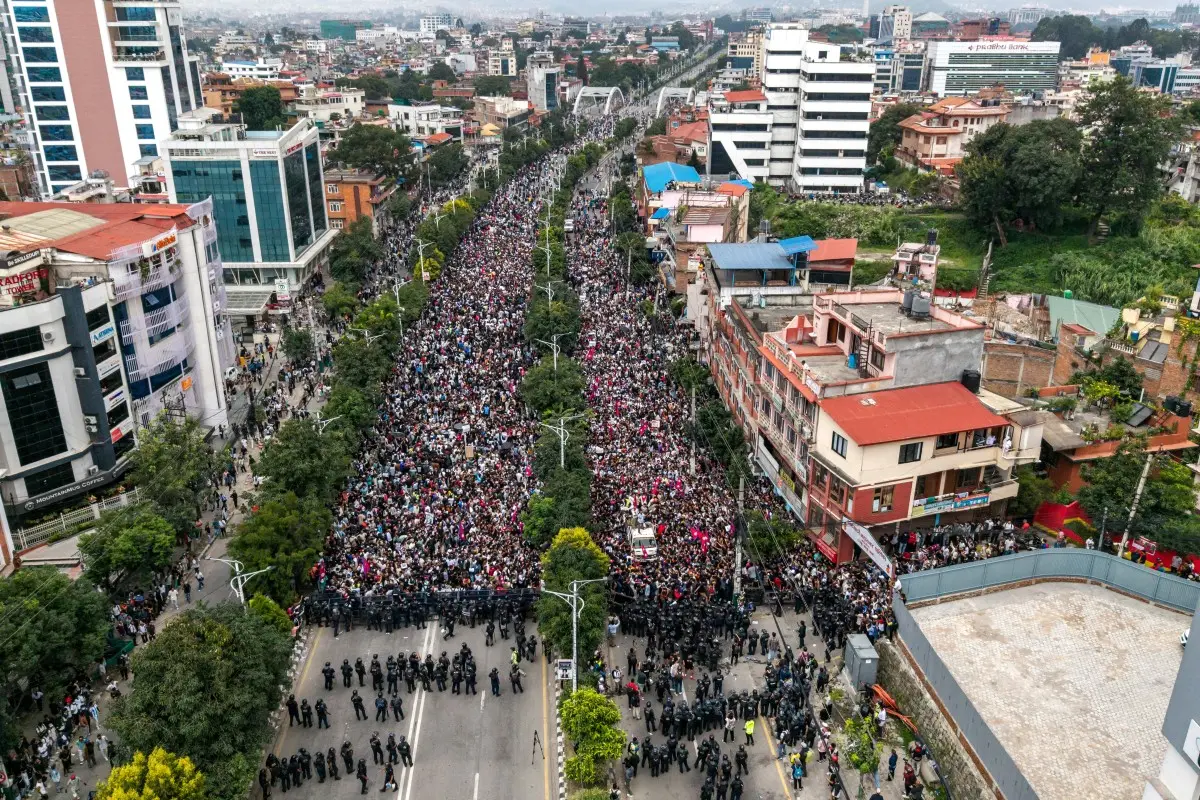
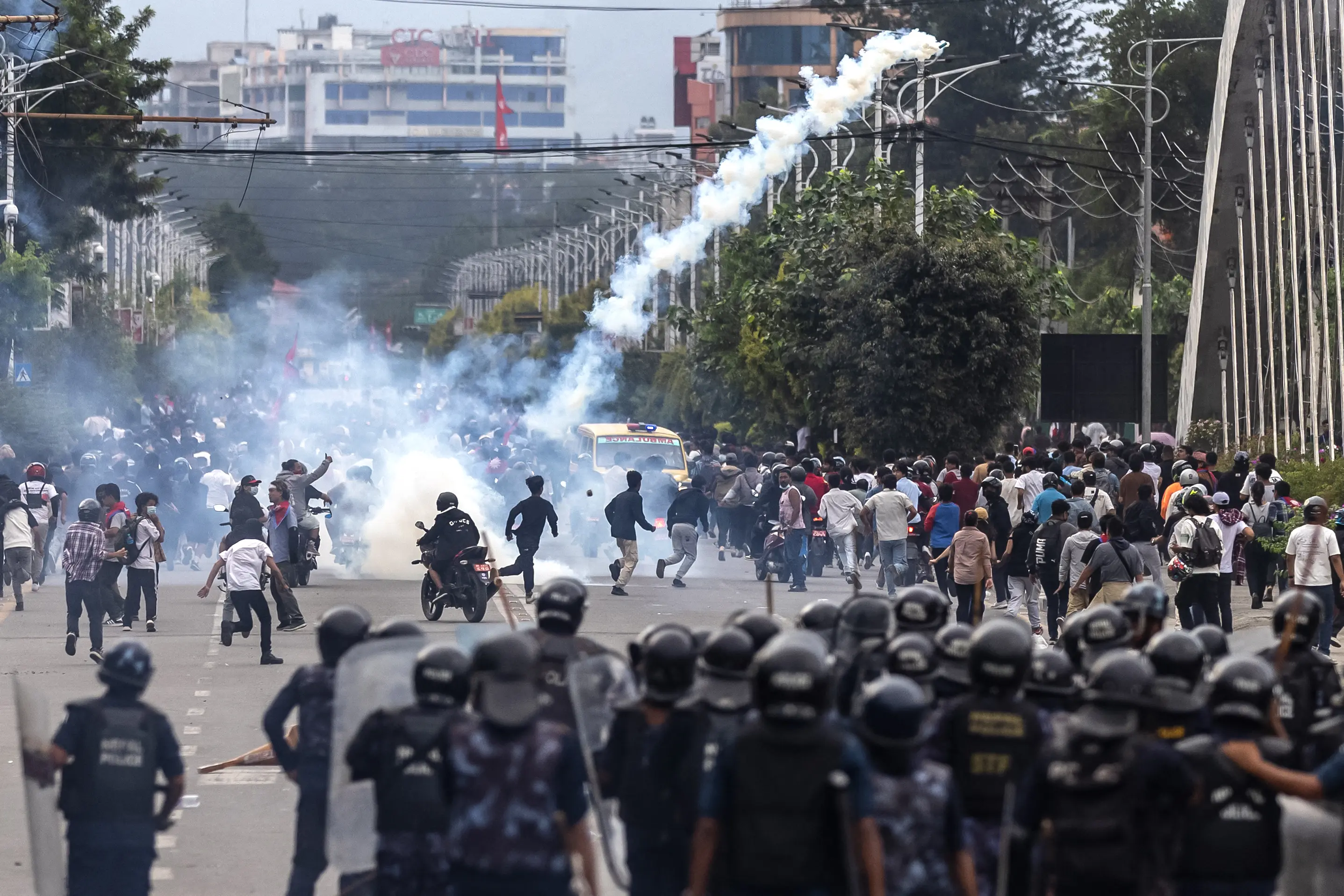
When I visited Nepal a few years ago, one thing struck me: signboards asking people not to take TikTok videos at several places in the capital, Kathmandu. I also saw youth making videos on their mobile phones at places where it was allowed. That contrast between a digital-native generation and the powers that curb their freedoms was in sharp focus this week, when police fired on and killed at least 19 youths—some reportedly as young as 14—protesting against a ban on social media. Prime Minister KP Sharma Oli has resigned, after some members of his cabinet stepped down. The protests, led mainly by Generation Z, evoked déjà vu of similar struggles where the ‘TikTok generation’ was either the leader or at the forefront. From August’s protests in Indonesia that led to the removal of the labour minister, to demonstrations in Bangladesh and Sri Lanka, the youth are expressing their frustration at political establishments out of touch with their aspirations and realities. From South Asia to Southeast Asia, the Middle East, and the West, Gen Z is fed up with being ruled by septuagenarians and octogenarians who do not ‘get them’. Once dismissed as a generation not clued in to realities, is Gen Z now emerging as one of the most politically active youth cohorts in recent years?
Generation Z is not just passively scrolling through social media
From Sri Lanka to South Africa, and from Myanmar to Bangladesh, Gen Z—generally those born between 1997 and 2012—is not just passively scrolling through social media.
They are actively mobilising to challenge corruption, injustice, and entrenched political hierarchies that make reforms far removed from realities on the ground, even as much of the TikTok generation remains frustrated and unemployed.
Nepal’s student revolt: Justice or bust
Trending Stories
)
&im=FitAndFill=(700,400))
)
)
)
)
)
)
)
)
)
)
)
)
&im=FitAndFill=(700,400))
&im=FitAndFill=(700,400))
&im=FitAndFill=(700,400))
)
)
&im=FitAndFill=(700,400))
&im=FitAndFill=(700,400))
)
)
)
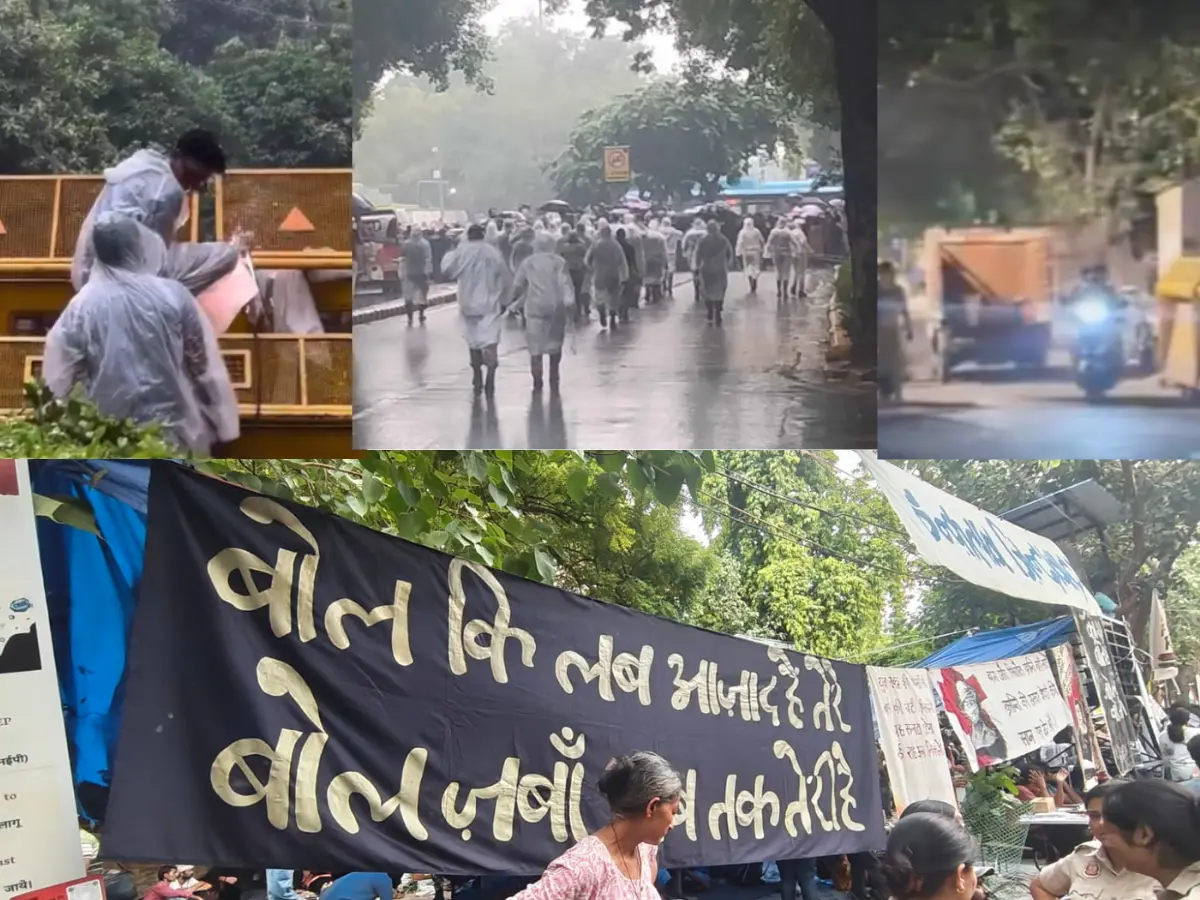
The current protest in Nepal, ostensibly sparked by a social media ban, is an eruption of issues brewing for years. In 2024, student-led protests captivated the Himalayan nation over the so-called “transitional justice” bill. The bill was widely seen as a cover-up for past human rights violations and rampant government corruption of the ruling elite. University students took to the streets of Kathmandu and elsewhere, chanting slogans like “Arrest murderers!” The government’s response was harsh, as it is now, yet the protests forced the administration to reckon with youth discontent.
Nepal’s corruption ranking—110th out of 180 countries according to Transparency International’s Corruption Perceptions Index 2023—paints a grim backdrop where government impunity is a daily reality for Nepalis. Gen Z’s vocal opposition is a direct challenge to a system that has long operated without being questioned, demanding accountability where older generations have failed. The social media ban, targeting only those platforms not registered within the country (which is why TikTok is not officially banned), is a culmination of this crackdown. The government appears unable to handle a generation that communicates primarily via social media.
Indonesia’s awakening led by Gen Z
Thousands of miles away, in Indonesia, Gen Z took to the streets in August 2025 alongside workers and women to protest a range of issues, including corruption, job insecurity, and rising living costs. The protests were marked by significant youth participation and opposition to government policies perceived as favouring elites. The protests led to the resignation of the labour minister, Ida Fauziyah, following public pressure and allegations of mismanagement.
Gen Z had already made its presence felt during the 2024 presidential election, with an unprecedented 54 per cent voter turnout among 18-29-year-olds, up from 41 per cent in 2019. The youth vote was pivotal in reshaping the political narrative, emphasising demands for better governance, employment opportunities, and climate action.
Gen Z is emerging as a global force, armed with mobile phones
Armed with mobile phones and social media access, Gen Z is leading or catalysing political shifts through digital activism, from the US to South Africa and Europe. The “TikTok generation” channels the power of viral videos and online campaigns to spotlight climate change, economic inequality, and social injustice. Social media allows them to bypass traditional, often state-controlled, media outlets.
They are also making their voices heard at the ballot box. In the 2024 US elections, 61 per cent of 18-24-year-olds backed candidates pushing progressive agendas. In India, more than 20 million first-time voters participated in the 2024 general election. In South Africa, the youth vote contributed to the ruling African National Congress losing its majority in several municipalities for the first time in decades.
Why governments are afraid of social media
If you assume Gen Z is scrolling social media only for cute cat videos and fashion tips, think again. Many are using TikTok videos, YouTube Shorts, and Instagram Reels to call out corruption, unemployment, inequality, and government inaction on climate change. These videos garner millions of views, mobilising unprecedented numbers of young people. According to a report by McKinsey & Company, Gen Z’s global consumer power is projected to reach $13 trillion by 2030. This economic clout adds pressure on governments and corporations to heed their voices. Perhaps this is why governments like Nepal’s made ill-informed decisions to ban social media platforms, and are now dealing with the consequences.