Chaos, clashes and deaths: How social media ban led to deadly protest in Nepal, and WHY that was not the ONLY reason

Nepal has blocked major social media platforms like Facebook, X, and YouTube. Mass protests erupted and at least 19 people, including a child, were killed in clashes between protesters and security personnel. Facing global pressure, the government reversed the ban.
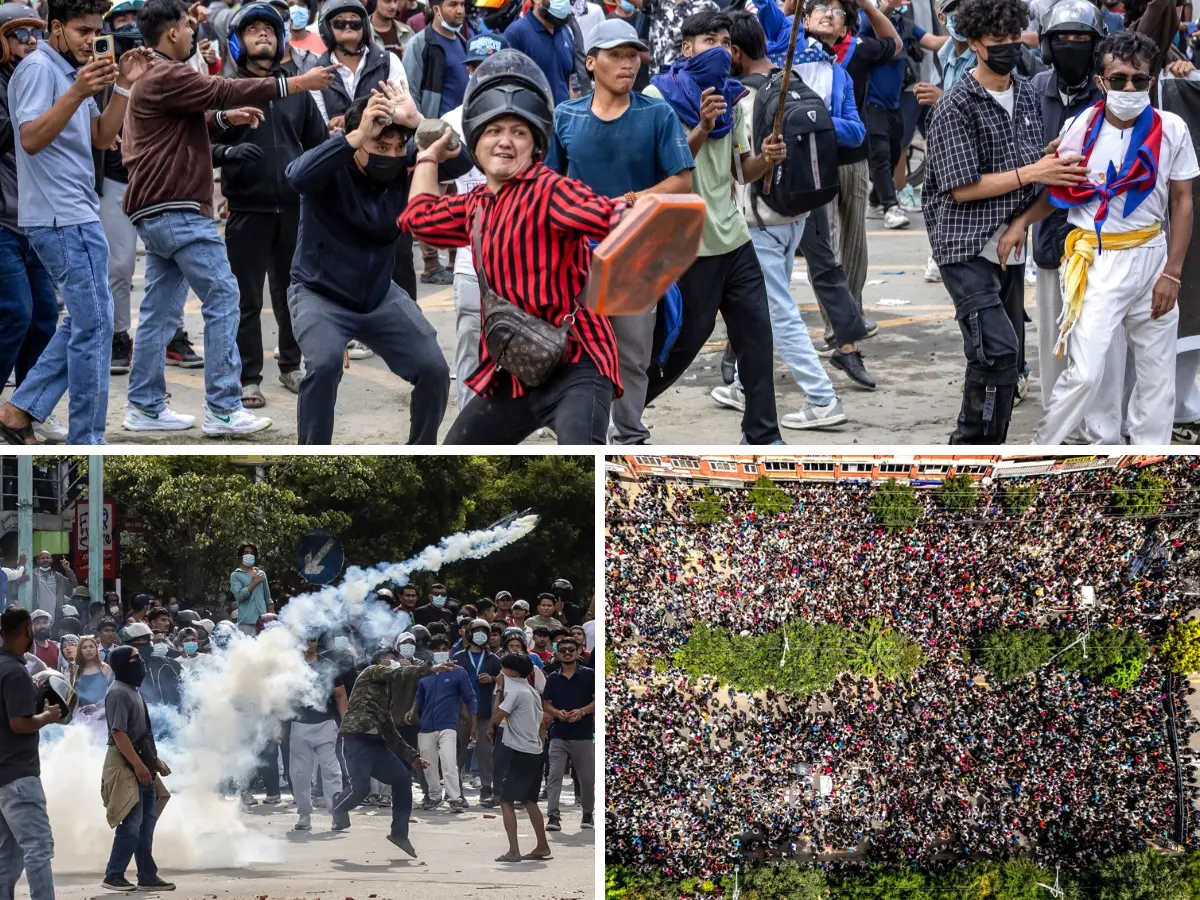
Nepal 'GenZ' protest
Widespread protests erupted in Nepal after its government's decision to ban social media platforms, including Facebook, YouTube and X. As many as 19 people were killed, including a child, amid a violent crackdown by security forces. Police fired tear gas as well as opened fire on protesters. The protesters said that social media ban only triggered the protest but the REAL reason was simmering anger against corruption and lack of action against politicians involved in corrupt cases. Nepalese PM KP Oli said that he won't bow down and reiterated that the social media ban was not to curb voices. TikTok, Viber, Witk, Nimbuzz, and Popo Live were the only platforms reportedly registered with the government. As the protest spiralled, drawing global attention on Monday, the government was forced to take back the decision. Here's how things unfolded

Nepal banned Facebook, X, YouTube
In a massive social media crackdown, the Government of Nepal has decided to ban all the unregistered social media sites, including Facebook, X, and YouTube
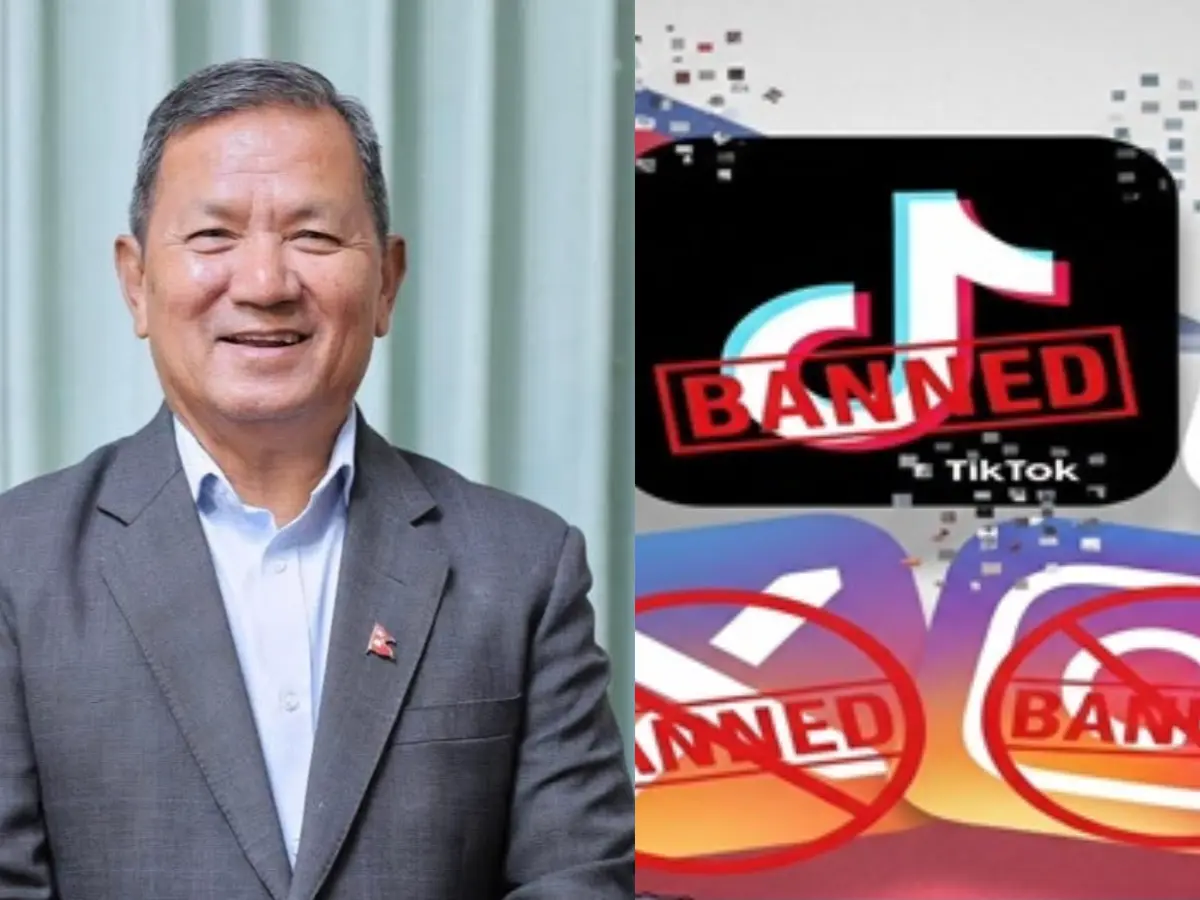
What Nepal government said while announcing the ban
Nepal’s Minister for Communication and Information Prithvi Subba Gurung said that about two dozen social network platforms were repeatedly given notices to come forward and register their companies officially in the country. The platforms would be blocked immediately as they failed to register themselves
TikTok, Viber allowed to operate
Prithvi Subba Gurung said that TikTok, Viber and three other social media platforms were allowed to operate because they have registered with the government.
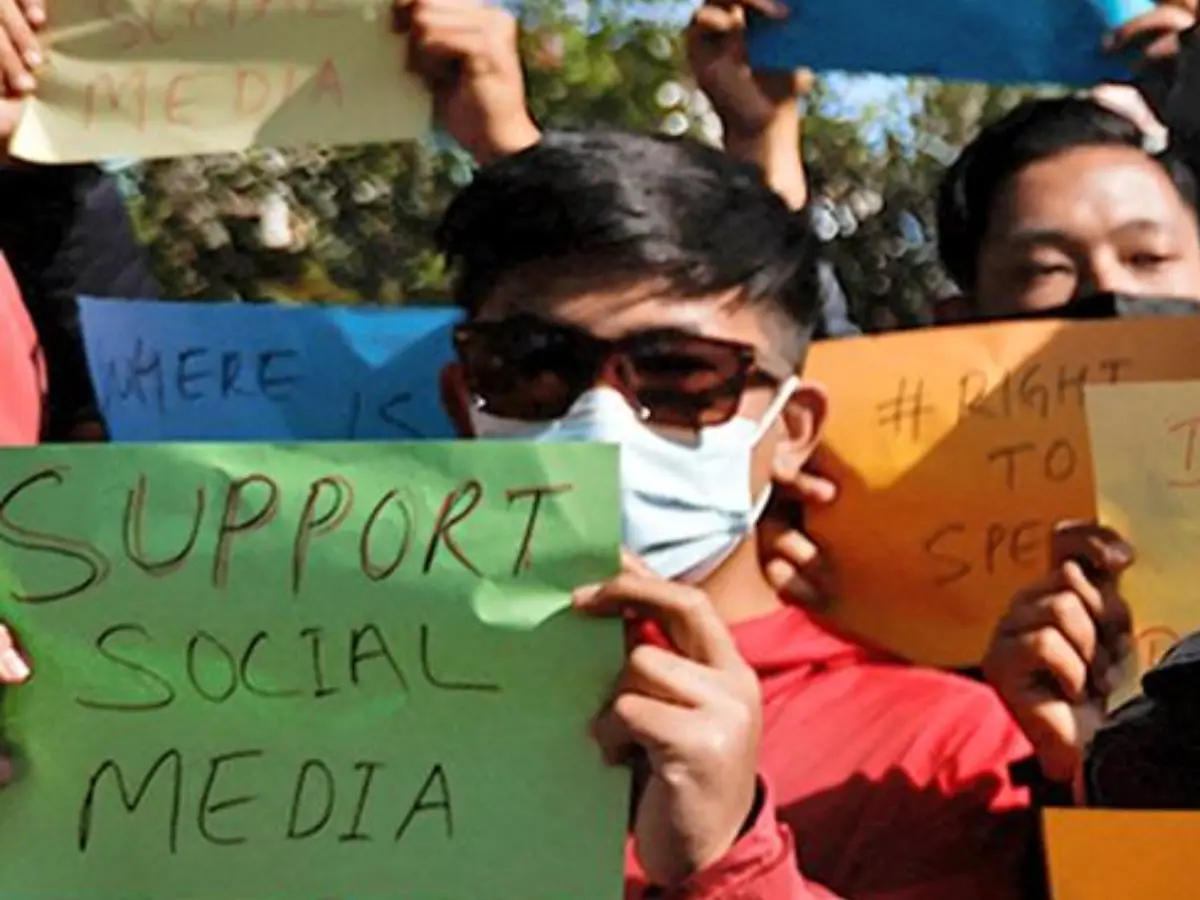
Why Nepal banned the social media platforms
This ban has been brought under a bill in parliament that aims to ensure that social platforms are properly managed, responsible and accountable. Nepal government had asked all social media platforms to appoint a liaison office or point in the country and register officially. Though the bill has not been debated in parliament, it has been criticised as a tool for censorship.
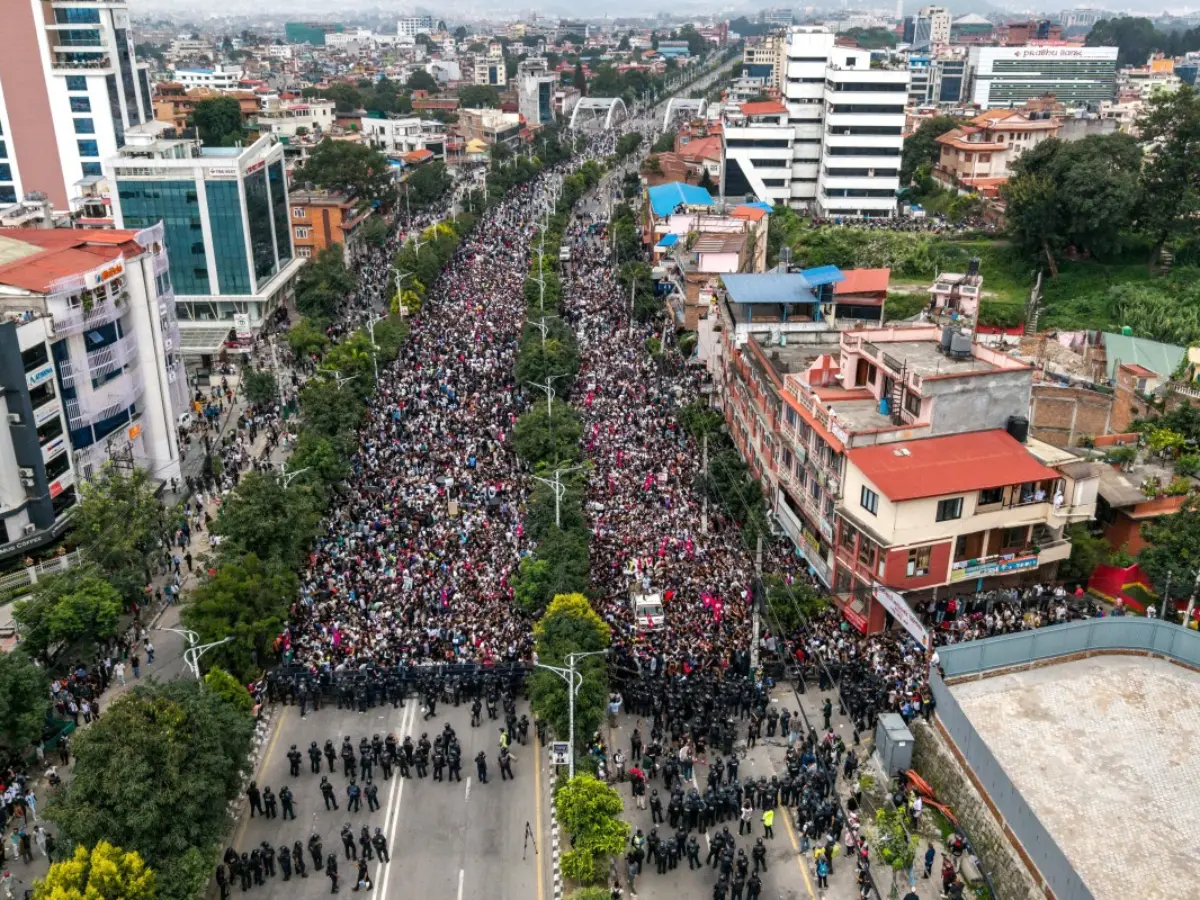
Social media ban triggered massive protest
The social media ban has sparked widespread protests primarily led by youth and is being called ‘GenZ protest’. Protesters are demanding the immediate reversal of the decision, calling it a step toward authoritarianism. The government, however, claims the ban is aimed at curbing misinformation and maintaining social harmony.
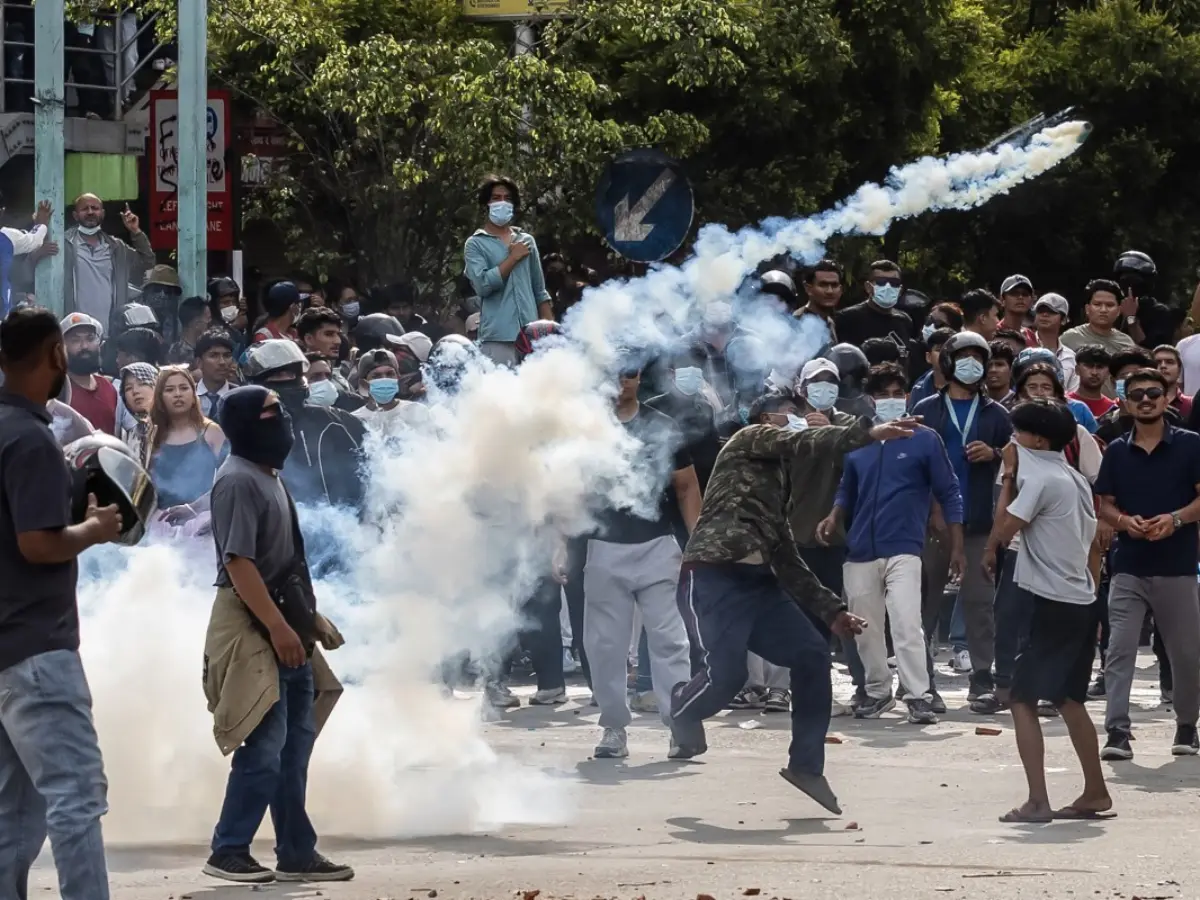
19 killed amid shoot-at-sight order; Minister resigned
The situation took an ugly turn when police opened fire on protesters after a shoot-to-kill order. According to the Ministry of Health and Population, 19 people, including a 12-year-old child, were killed in police firing during protests nationwide. Dozens more remain injured, with several hospitalised. Nepali Home Minister Ramesh Lekhak also tendered his resignation
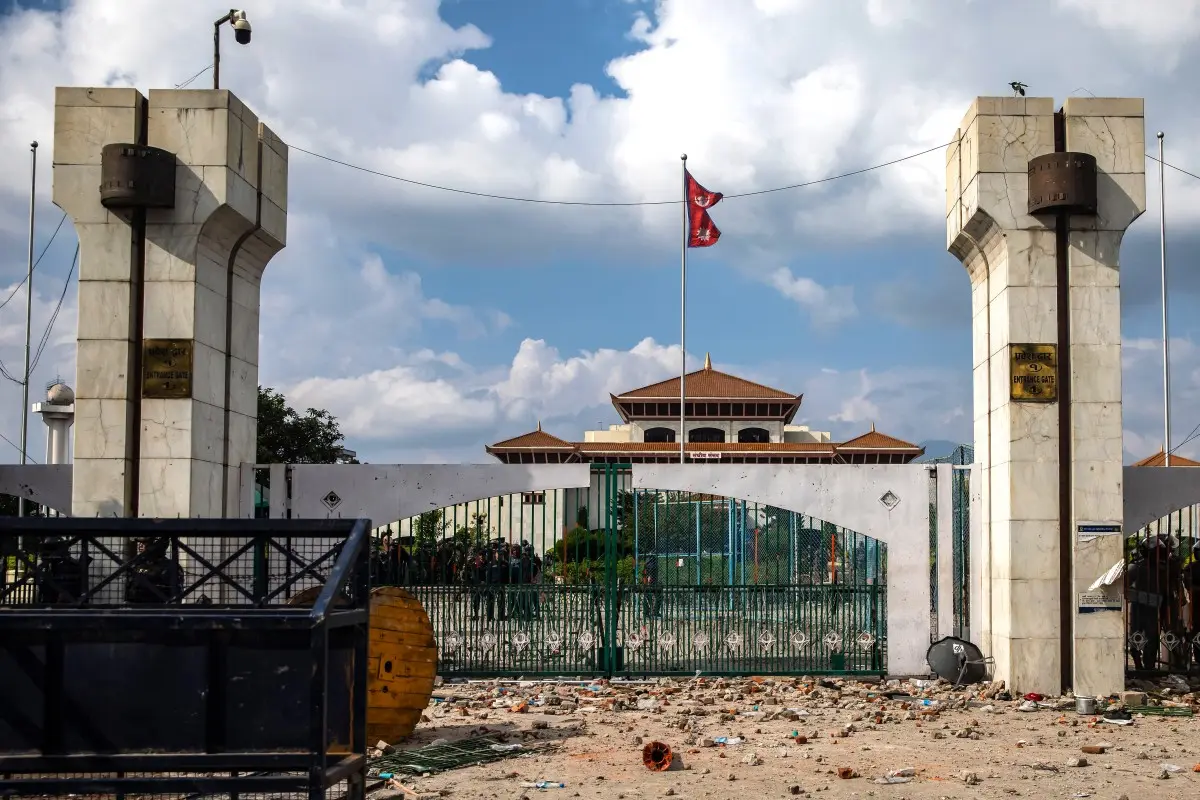
Ban lifted, social media restoring slowly: Govt tells local media
After PM KP Oli held a cabinet meeting, the Nepalese government confirmed to local media that the ban has been lifted. Local sources confirmed that social media platforms were restoring slowly. Though at the time of publishing, no official statement was issued by the Nepalese government, sources from the ground confirmed the development.
)
)
)
)
)