What is Khalistan separatist movement, how did the ideology travel from India to Canada?


Khalistan movement
The already declining ties between India and Canada have been impacted further by Canadian Prime Minister Justin Trudeau’s allegations that "Indian government agents" were involved in the killing of a Khalistani terrorist. Trudeau told the House of Commons on Monday (Sep 18) that India is involved in the June 18 death of Hardeep Singh Nijjar.
Indian government declined all such allegations as baseless and motivated even as the two nations expelled one diplomat each in tit-for-tat moves.
This ongoing tussle between the two countries is mainly over the Khalistan separatist movement, which once had a stronghold in India's northern state of Punjab, and has now been reignited miles away in Canada.

Also Read |UN atomic agency, Japan agree on continuous safety review of discharge of water from Fukushima plant
Khalistan separatist movement: An ideology that travelled from India to Canada
Khalistan separatist movement started in Punjab in the early 1980s, with the idea of seeking an independent, theocratic Sikh state calledKhalistan, of ‘Land of the Pure’ in Punjab and other parts of Northern India.
)
Samay Raina-Mukesh Chhabra controversy explained: What happened over girlfriend joke on India's Got Latent?
)
Putin's United Russia party wins 355 seats in Duma election; 4 other parties cross threshold to enter parliament
)
Asian Games: Indian women's hockey team thrash Indonesia 17-1, blasts 36 goals in 2 matches
)
FIFA chief Infantino wants to reform governing body with consultation from federations
)
40-foot waves crash into cruise ship in dangerous stretch near Antarctica. Watch
)
Four decades after leaving Kolkata, the Birlas may be coming back for more
)
Explainer: Why rare-earth export licences and Board of Trade are US priorities ahead of Trump-Xi summit
)
Saudi Arabia exits China-led mBridge digital currency platform amid Saudi-Houthi conflict
&im=FitAndFill=(700,400))
New OTT releases this week (September 21-27, 2026): Shaque: Trust No One, Hunkkaar, Don’t Be Shy- 5 new titles coming to Netflix, Prime Video and more
)
Microsoft executive called AI training the ‘largest theft of labour in human history’
)
UK PM Burnham agrees to 'defensive' military support for Saudi Arabia against Houthis
)
J&K Assembly Session begins amid chaos: BJP, ruling alliance clash as statehood demand dominates
)
The Scandal: Why so scandalous? Ji Chang Wook leaves you gasping for air
)
IIT Bombay tensions ease after three-hour open house; director’s assurances pacify students
)
US and China vie for AI dominance as calls grow for regulation | Gravitas
)
Taylor Swift has a 'proud wife' moment as Travis Kelce scores first touchdown of season: 'That’s my husband!'
)
Samsung raises Galaxy S26 prices by Rs 20,000: Here’s what each model now costs
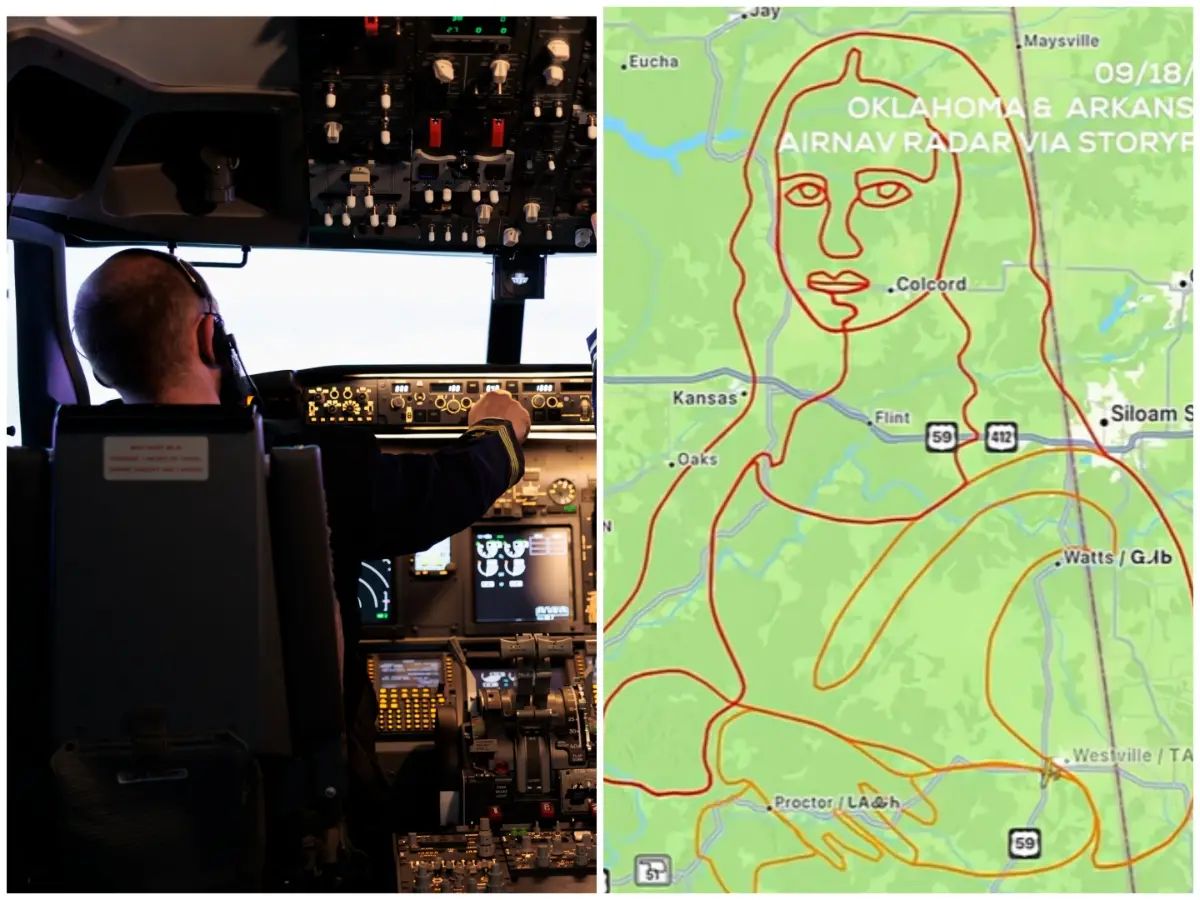)
Pilot recreates Mona Lisa in sky over Oklahoma and Arkansas in four-hour flight: VIDEO
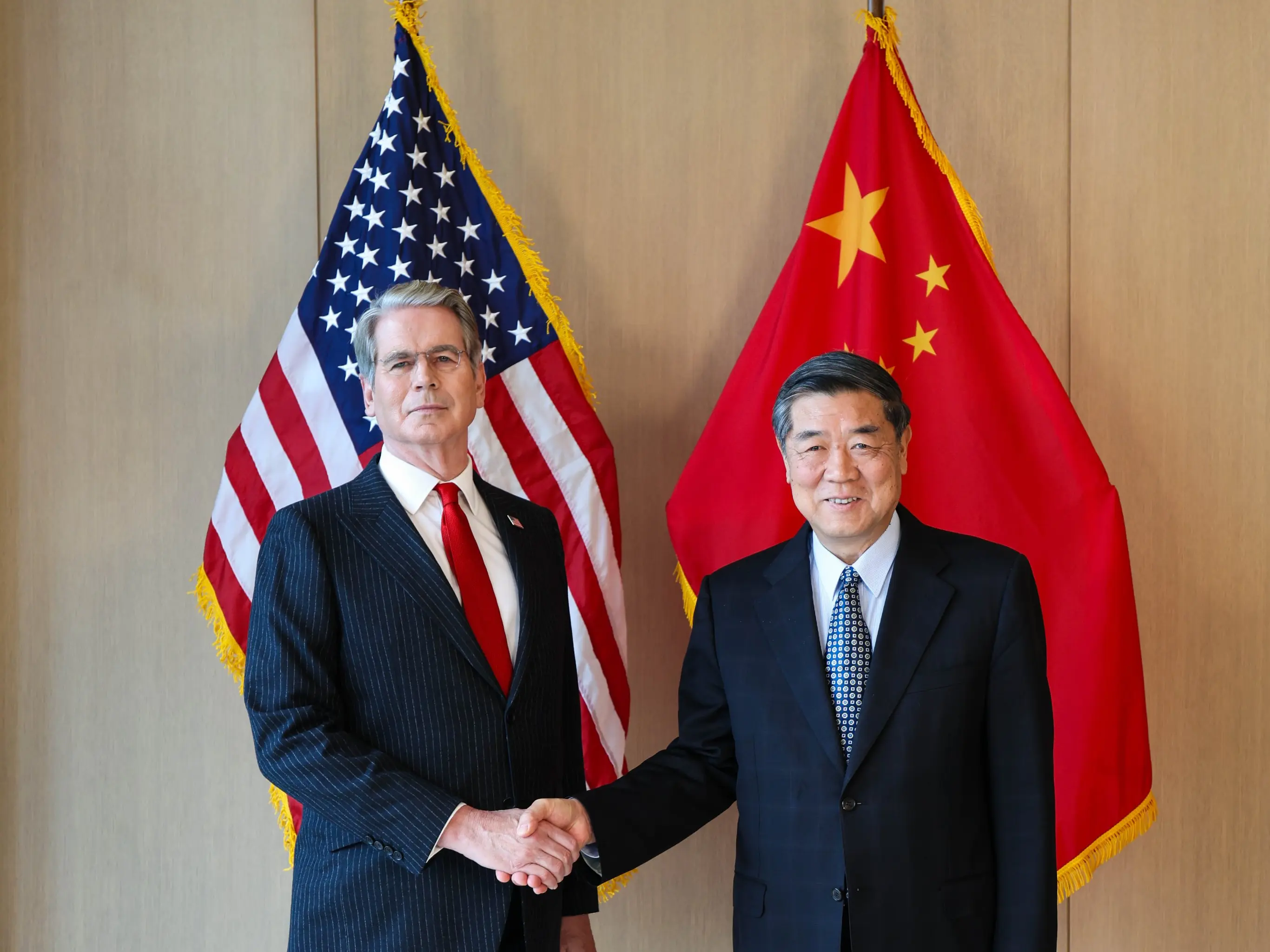)
Bessent meets China’s He Lifeng to prepare for Trump-Xi summit
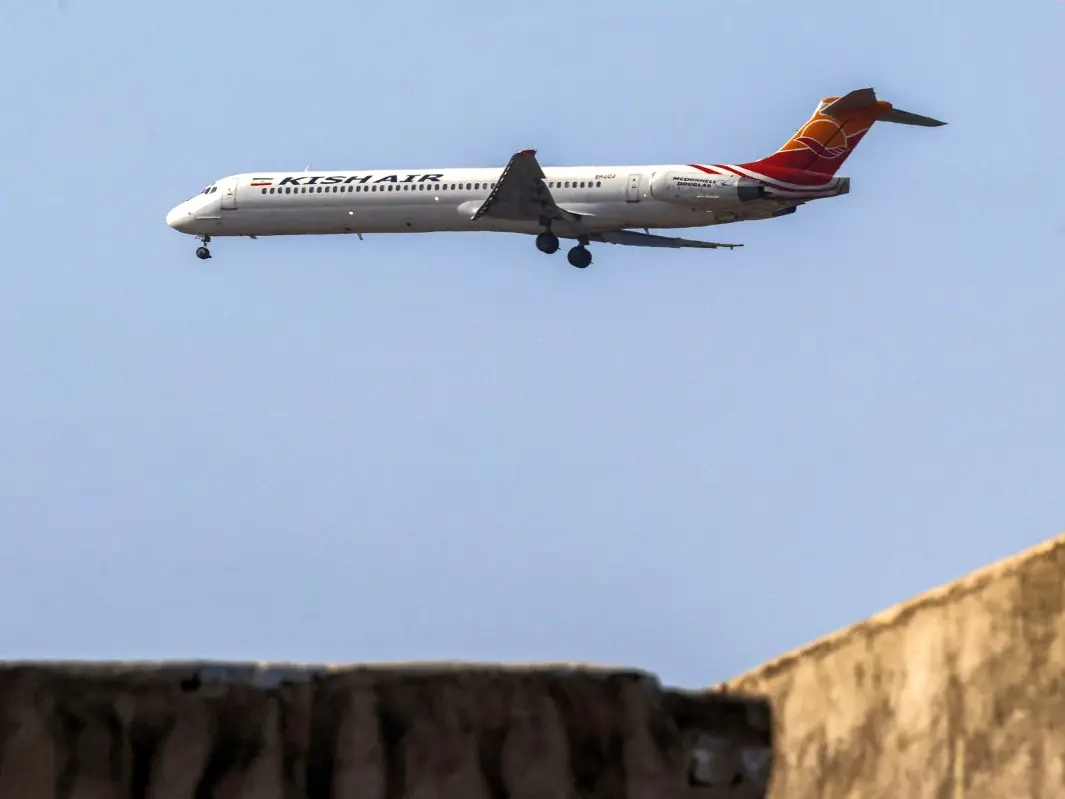)
Iranian airlines to shut worldwide on Sept 23, Bessent warns of US banking ban
)
Glitch in the matrix caught on camera: Woman vanishes after talking to reporter
)
US-Iran war, peace deals and more: What to expect from Trump's UNGA 2026 speech
)
From ‘communist’ to ‘great mayor’: Trump praises Mamdani after New York meeting, discusses immigration and housing
)
Russia-Ukraine war: Russian strikes knock out three of Ukraine's largest steel plants
)
North Korea's nuclear tests triggered 1,399 earthquakes: Earth is still shaking | Gravitas
)
'Lot of things to learn from experienced players': Jayasuriya backs Rohit, Virat for 2027 ODI World Cup
)
BTS fans mock iHeartRadio’s day 2 turnout after short set controversy
)
China expels top generals Zhang Youxia, Liu Zhenli over ‘disloyalty’, corruption
)
Trump says Russia has ‘lost control’ of its diesel industry, calls for end to ‘ridiculous, never-ending’ war
)
‘0% chance’: Nvidia CEO Jensen Huang dismisses AI extinction fears by 2030
)
Trump's helipad event overshadowed by audio failure as major TV networks suspend pool coverage
)
White House TV pool halts Trump coverage after CNN barred from UNGA events
)
Jailer 2: Vidya Balan joins Rajinikanth's upcoming film as Kantha | Watch
)
8,000 bees worth over $20,000 stolen from hives in Queensland
)
The Verdict | The Mecca Agreement is under scrutiny as Houthis attack Saudis
)
Mahabharat actor Saurav Gurjar arrested in Hyderabad, sent to 14-day judicial custody in sexual exploitation case
)
WATCH | Mysterious lights over Tehran caught on video. Drone, aircraft or something else?
)
Delhi Air pollution: Strict crackdown on waste burning
The proposed boundaries of Khalistan vary among different groups.Some claim the entire Indian state of Punjab, while others claim Pakistani Punjab and other parts of North India such as Chandigarh, Haryana and Himachal Pradesh.
Also Read |COVID-19 Booster in UK: Check who is eligible for vaccine and how to book it?
The roots of Khalistan lie in the British colonial policies of the late 1800s and early 1900s that sought to divide Sikhs and Hindus.
Sikhs were recruited into the British Army in large numbers to use against Hindu rulers who rebelled against the British Raj.
Subsequently, after Indian independence in 1947, tensions between the state of Punjab and the central Indian government surfaced, leading to grievances amongst many Sikhs against the Indian government.
The emigration of Sikhs into Canada started in the first decade of the 20th century. Soldiers in the British Army passing through British Columbia were attracted by the fertile land they saw. By the 1970s, Sikhs were a visible section of Canadian society.
This time, there was scant sentiment regarding a Sikh homeland.
Watch |Gravitas Plus: Is the West reigniting the Khalistan movement?
The Khalistan movement peaked in the 1980s-90s and the violent campaign included bombings, assassinations, kidnappings, and selective killing and massacres of civilians, mostly in Punjab.
The violence took on an international dimension in 1985 when Khalistani separatists based in Canada exploded a bomb on 'Kanishka', an Air India flight en route from Toronto to New Delhi, killing all 329 people on board, including 82 children under the age of 13. That incident remains the deadliest terrorist attack in Canadian history.
In response to the movement, and in an attempt to end militancy in the state, Indian security forces and local Punjab police responded with force.
Also Read |High-five for ISRO's 'slingshot technique' as Aditya-L1 leaves Earth orbit for its destination
While Canadian intelligence grasped the potential domestic threat Khalistani elements could pose, there was little political appetite for acknowledging the Kanishka bombing as a Canadian tragedy.
By the end of the 1990s, the Khalistani movement in India was almost in its last leg, but it grew in Canada.
The movement gained true revival when Justin Trudeau came to power with several pro-Khalistani groups supporting his Liberal Party in the 2015 federal elections.
Canada’s stance on free speech and openness steered the movement further and leveraged groups like Sikhs for Justice (SFJ) for its so-called Khalistan Referendum.
Canadian PM's recent remark in the House of Commons will be seen as a validation ofSFJ's accusations thatIndia is behind Nijjar's killing.
This will embolden such elements and put India-Canada relations at stake.
(With inputs from agencies)
WATCH WION LIVE HERE
You can now write for wionews.com and be a part of the community. Share your stories and opinions with us here.