What are the chances US-Iran agreement will work out? Expert says less than 50%. Here's why

&imwidth=600&imheight=450&format=webp&quality=medium "What are the chances US-Iran agreement will work out? Expert says less than 50%. Here's why")
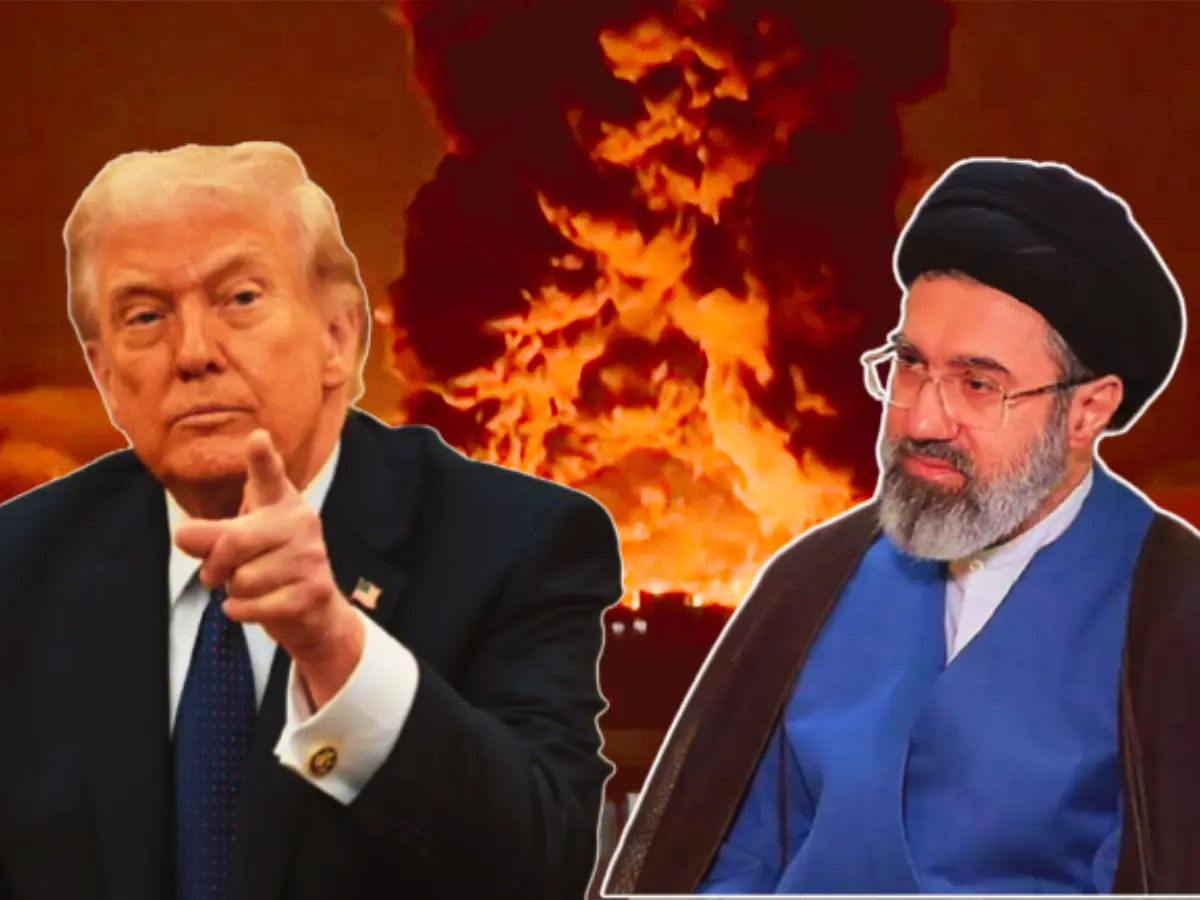
Image for representation Photograph: (AFP)
Professor Peter Kuznick warns the US-Iran ceasefire faces a less than fifty per cent chance of success, driven by deep-rooted historical mistrust and domestic political opposition within both nations.
Fresh military exchanges between the US and Iran have once again cast doubt over the future of the recently announced ceasefire and Memorandum of Understanding (MoU). While both sides continue to accuse each other of violating the agreement, experts believe the biggest obstacle is not the latest strike, but decades of deep-rooted mistrust.
Speaking to WION, Peter Kuznick, professor of history and director of the Nuclear Studies Institute at American University, said the recent incident in the Strait of Hormuz is unlikely to be the decisive factor that causes the agreement to collapse. "This incident is only a slight influence in terms of the possibility of breaking it up," Kuznick said.
Instead, he argued that the success of any long-term agreement depends on overcoming a history of distrust that stretches back decades. "There is so little trust. The Americans don't trust the Iranians. The Iranians have good reason not to trust the Americans," he told WION.
Kuznick pointed to the 1953 CIA-backed overthrow of Iran's democratically elected government as a key reason behind Tehran's continuing distrust of Washington. He also referred to more recent developments, saying Iran views US and Israeli military strikes carried out during negotiations as further evidence that Washington cannot be fully trusted.
"And then more recently, the US and Israel have attacked twice during the negotiations," he said.
Domestic pressure on both sides
According to Kuznick, political pressure within both countries is making negotiations even more fragile. In America, he said, sections of President Donald Trump's own Republican Party believe the agreement represents a major concession to Iran. "You've got a lot of pressure inside the United States from within Trump's own party, who see the agreement that he struck as a complete abject surrender," Kuznick said.
Trending Stories
)
)
)
)
)
)
)
)
)
)
)
)
)
)
)
)
)
)
)
)
)
)
)
)
)
)
)
)
)
)
)
)
)
)
)
)
)
"They're very angry. They're putting a lot of pressure on Trump right now,” he added. He said Iran is facing similar divisions at home. "There are a lot of people who don't like the fact that the Iranians are even negotiating with the United States, whom they still consider to be the Great Satan," he added.
'Less than 50 per cent' chance of success
Taken together, Kuznick believes these political and historical factors leave the agreement on shaky ground. "So there's so little trust," he said. "The chances of this agreement actually working out are less than 50 per cent, certainly, maybe much less than that."

