What are rare earth minerals and why is India racing to secure them? WION Decodes

&imwidth=600&imheight=450&format=webp&quality=medium "What are rare earth minerals and why is India racing to secure them? WION Decodes")
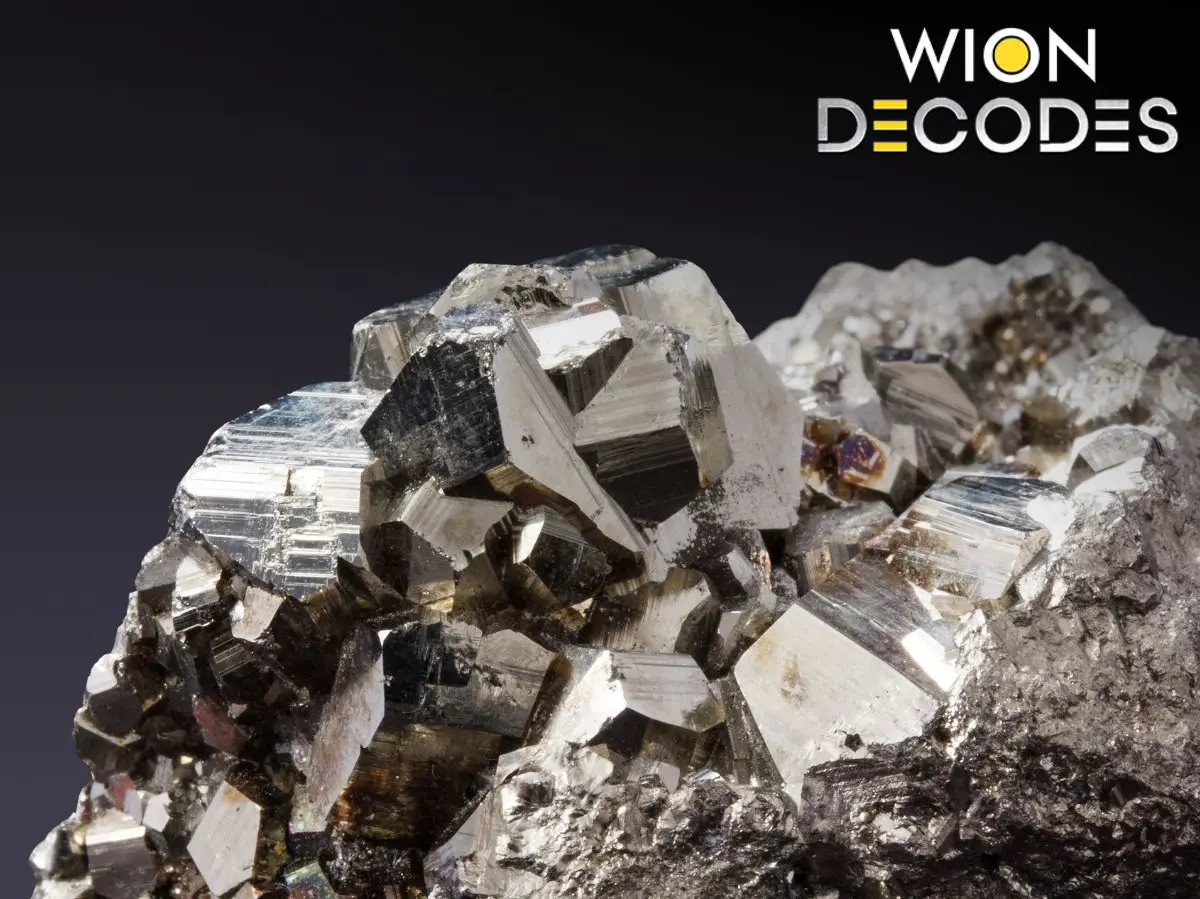
Representative image. Photograph: (Pexels)
China dominates the global rare earth supply chain, raising concerns over India’s dependence. As demand rises for EVs, defence and technology, India is pushing to build a self-reliant critical minerals ecosystem. Here's all you need to know.
A quiet battle over some of the world’s most valuable minerals is reshaping global supply chains. Rare earth elements, used in everything from electric vehicle motors and smartphones to missiles and fighter aircraft, have become a strategic asset in the race for technological and military dominance. China’s overwhelming control over mining and processing has left several countries vulnerable to supply disruptions. India, which has reserves of its own but relies heavily on imports for processing, is now stepping up efforts to build a domestic rare earth ecosystem and reduce its dependence on Beijing.
What are rare earth minerals and why are they important?
Rare earth minerals are a group of 17 metallic elements that possess unique magnetic, electrical and optical properties. Despite their name, these elements are not always scarce, but rather difficult and expensive to extract and process. These minerals are crucial and used in modern technologies, including electric vehicles, wind turbines, smartphones, hard drives and several electronic devices.
Rare earth minerals also hold strategic importance for national security as they are used in advanced defence systems, including missiles, fighter aircraft, radar systems and other military equipment.
In India, these minerals are classified as critical minerals as they are vital for the clean energy transition, advanced manufacturing and essential for defence preparedness.
Trending Stories
&imwidth=280&imheight=210&format=webp&quality=medium)
&imwidth=280&imheight=210&format=webp&quality=medium)
&imwidth=280&imheight=210&format=webp&quality=medium)
&imwidth=280&imheight=210&format=webp&quality=medium)
&imwidth=280&imheight=210&format=webp&quality=medium)
&imwidth=280&imheight=210&format=webp&quality=medium)
&imwidth=280&imheight=210&format=webp&quality=medium)
&imwidth=280&imheight=210&format=webp&quality=medium)
&imwidth=280&imheight=210&format=webp&quality=medium)
&im=FitAndFill=(700,400)&imwidth=280&imheight=210&format=webp&quality=medium)
&imwidth=280&imheight=210&format=webp&quality=medium)
&imwidth=280&imheight=210&format=webp&quality=medium)
&imwidth=280&imheight=210&format=webp&quality=medium)
&imwidth=280&imheight=210&format=webp&quality=medium)
&imwidth=280&imheight=210&format=webp&quality=medium)
&imwidth=280&imheight=210&format=webp&quality=medium)
&imwidth=280&imheight=210&format=webp&quality=medium)
&imwidth=280&imheight=210&format=webp&quality=medium)
&imwidth=280&imheight=210&format=webp&quality=medium)
&imwidth=280&imheight=210&format=webp&quality=medium)
&im=FitAndFill=(700,400)&imwidth=280&imheight=210&format=webp&quality=medium)
&imwidth=280&imheight=210&format=webp&quality=medium)
&imwidth=280&imheight=210&format=webp&quality=medium)
&imwidth=280&imheight=210&format=webp&quality=medium)
&imwidth=280&imheight=210&format=webp&quality=medium)
&imwidth=280&imheight=210&format=webp&quality=medium)
&imwidth=280&imheight=210&format=webp&quality=medium)
&im=FitAndFill=(700,400)&imwidth=280&imheight=210&format=webp&quality=medium)
&imwidth=280&imheight=210&format=webp&quality=medium)
&imwidth=280&imheight=210&format=webp&quality=medium)
&imwidth=280&imheight=210&format=webp&quality=medium)
&imwidth=280&imheight=210&format=webp&quality=medium)
&imwidth=280&imheight=210&format=webp&quality=medium)
&imwidth=280&imheight=210&format=webp&quality=medium)
&imwidth=280&imheight=210&format=webp&quality=medium)
Why does China dominate the rare earth supply chain?
For decades, China has dominated the rare earth sector with large-scale mining, processing infrastructure and government-backed investments. Beijing holds a key position in the global industry due to its extensive refining and processing capabilities. Several nations that mine rare eaths are still depend on China to process them.
According to the US Geological Survey (USGS), China remains the world’s leading producer of rare earth elements and controls a significant share of global processing capacity. This dominance has allowed Beijing to influence global supplies of minerals crucial for electric vehicles, renewable energy, electronics, semiconductors and defence manufacturing.
India’s dependence on China
India is among the countries seeking to strengthen its position in the rare earth sector. The country has deposits of rare earth elements, particularly in coastal regions, but faces a major hurdle – limited domestic processing and refining capacity.
This gap has forced Indian industries to rely on imports, including supplies from China, for several rare earth-based materials and components.
The risk became more visible after China introduced tighter controls on exports of certain critical minerals, raising concerns about possible disruptions for industries dependent on these resources.
New Delhi’s push for mineral security
To address these challenges, India has stepped up efforts to develop a domestic rare earth ecosystem.
The government’s National Critical Mineral Mission aims to expand exploration, mining, processing and recycling of critical minerals. It is also encouraging private investment and seeking partnerships with resource-rich countries to secure alternative supply chains.
India is also focusing on building domestic manufacturing capacity for rare earth permanent magnets, a key component used in electric vehicles and other technologies.
Why rare earths matter for India’s future
The race for rare earth minerals is closely linked to India’s ambitions in electric mobility, renewable energy, electronics manufacturing and defence.
A reliable supply of these minerals will be crucial as India looks to expand domestic manufacturing and reduce strategic vulnerabilities.
For New Delhi, building a self-reliant rare earth supply chain is no longer just an economic goal – it is becoming a key part of the country’s technology and national security strategy.
Watch | India monsoon: cloudburst hits Kashmir, Uttarakhand landslides, IMD issues heavy rain alert

